What is the Rule of Thumb for Pruning Plants? Essential Tips for Effective Plant Care
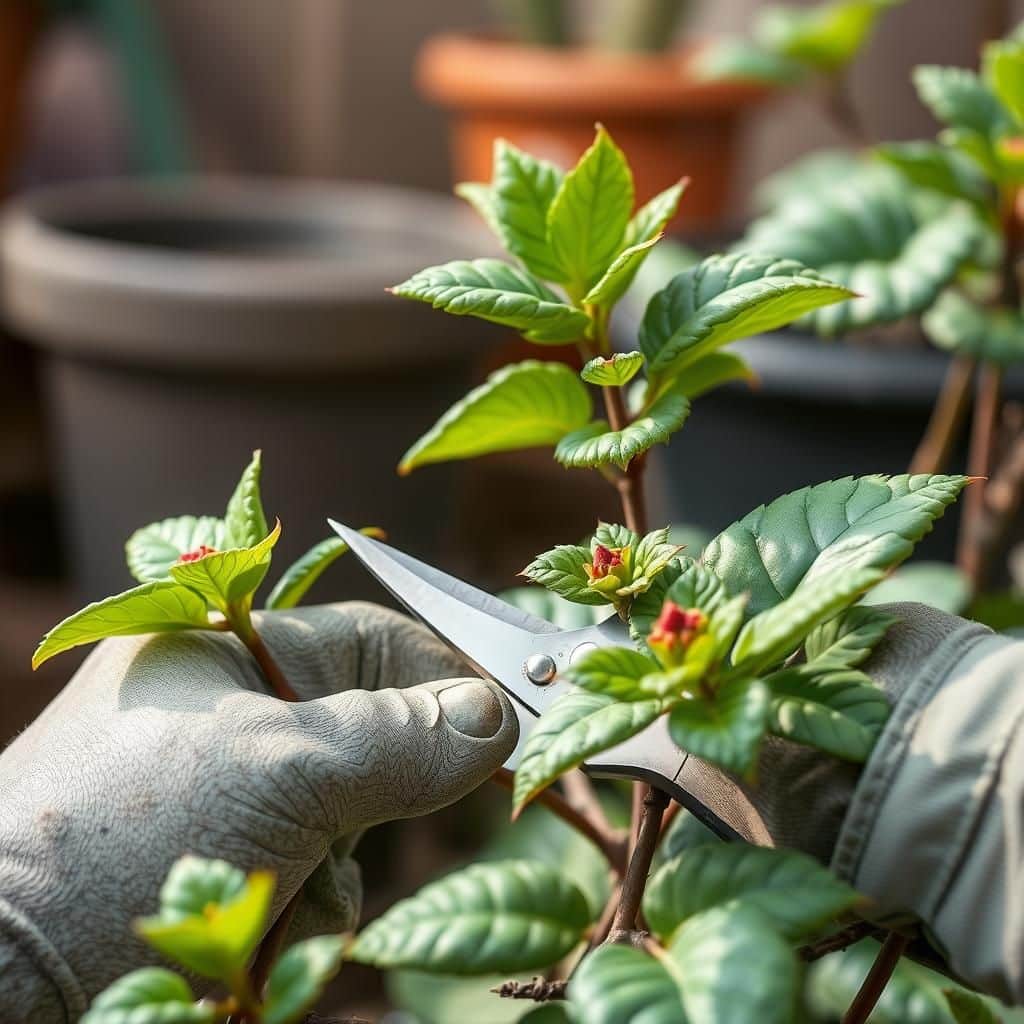
Pruning is a vital aspect of plant care that fosters healthy growth and enhances the aesthetic appeal of your garden. Understanding the rule of thumb for pruning can significantly influence the success of your plants. This guide will delve into essential tips and techniques that will help you prune effectively, ensuring your plants thrive while minimizing damage. Whether you're a novice gardener or an experienced horticulturist, mastering these pruning principles can make a substantial difference in the longevity and vibrancy of your plants. Join us as we explore the key strategies for achieving optimal results through thoughtful and informed pruning practices.
Understanding the Rule of Thumb for Pruning Plants
Pruning plants is essential for maintaining their health and encouraging growth. A common rule of thumb is to prune about one-third of the plant's total size, especially during the dormant season, which varies depending on the plant species. This practice helps in shaping the plant, removing dead or diseased wood, and providing better air circulation and light penetration to the inner parts of the plant. Additionally, it's important to cut at a 45-degree angle just above a node, which is vital for proper healing and preventing disease.
When is the Best Time to Prune?
The best time to prune most plants is during late winter or early spring, just before new growth begins. Pruning during this period allows the plant to heal quickly and promotes vigorous growth in the upcoming growing season. However, some trees and shrubs may require specific timing based on their blooming cycle; those that flower in spring should typically be pruned immediately after their blooms fade.
What Tools are Needed for Pruning?
Using the right tools for pruning is crucial for making clean cuts and minimizing damage to plants. Essential tools include pruning shears for small branches, loppers for medium-sized branches, and a saw for larger limbs. It's also advisable to have gloves and a ladder if necessary, to ensure safety during the pruning process. Maintaining the tools by keeping them sharp and clean helps promote healthy plant pruning.
How to Make Proper Cuts?
Making proper cuts is key to successful pruning. It is recommended to make cuts at a 45-degree angle, about a quarter-inch above a node or a bud. This angle helps the cut to shed water, reducing the risk of decay. It’s also important to avoid leaving stubs, as they can die back and invite pests. The goal is to make cuts that encourage healthy growth while maintaining the plant's natural shape.
See also:
What to Avoid When Pruning?
While pruning is beneficial, there are several things to avoid to ensure plant health. Do not prune too much of the plant at once, as this can lead to shock and vulnerability to pests and diseases. Additionally, avoid making cuts that leave stubs or damage the main stem. Pruning at the wrong time of year can also harm the plant; for example, pruning spring-blooming shrubs in late winter will remove the buds that will become flowers.
How to Maintain Pruned Plants?
After pruning, maintaining the health of plants involves a few key practices. Ensure that the plants are properly watered and fertilized, providing them with the necessary nutrients to recover and grow vigorously. Monitor for any signs of disease or pests, especially after making cuts, as these can become entry points for harmful organisms. Regularly check the growth and health of the pruned areas, allowing for adjustments if necessary.
| Aspect | Details |
|---|---|
| Best Time to Prune | Late winter to early spring |
| Recommended Tools | Pruning shears, loppers, saws |
| Proper Cuts | 45-degree angle above a node |
| Things to Avoid | Over-pruning, leaving stubs |
| Maintenance | Watering, fertilizing, disease monitoring |
Understanding the Importance of Timing in Plant Pruning
Pruning plants effectively is not just about cutting back branches; it's essential to consider the timing of your actions. Different plants have their own growth cycles, meaning that the best time for pruning varies. Most deciduous trees and shrubs benefit from being pruned in late winter or early spring, just before the new growth begins. Conversely, spring-flowering shrubs should be pruned immediately after they bloom to avoid removing flower buds. Understanding these timing nuances ensures your plants remain healthy, encourage new growth, and promote flourishing blooms for the next season.
Choosing the Right Tools for Pruning
To ensure an effective pruning process, selecting the appropriate tools is crucial. Pruning shears are best for cutting stems up to half an inch thick, whereas larger branches may require loppers or even a saw for thicker growth. It's important to keep tools sharp and clean to make precise cuts and minimize the risk of disease transmission. By using the right tools, you promote healthier plants and reduce the potential for stress caused by ragged cuts.
Identifying Which Branches to Prune
Knowing which branches to prune is essential for fostering a healthy plant environment. Focus on removing dead, damaged, or crossing branches, as these can hinder airflow and lead to disease outbreaks. Additionally, thinning out overly dense growth can improve light penetration and air circulation, promoting overall plant health. Prioritize pruning based on each plant's specific growing habits to achieve the most beneficial results.
See also:
Understanding Plant Types and Their Pruning Needs
Different types of plants come with distinct pruning requirements, making it critical to understand their unique needs. For instance, evergreen shrubs may require only minor maintenance, while perennials often benefit from seasonal deadheading to encourage more blooms. Additionally, certain plants thrive with a hard prune every few years, while others may need minimal shaping. Tailoring your pruning strategy based on plant type helps in achieving optimal health and aesthetics.
The Role of Weather Conditions in Pruning
Weather conditions play a significant role in determining when to prune. It's advisable to avoid pruning during extreme temperatures or high humidity, as these conditions can stress plants and elevate the risk of pests and diseases. Aim for mild, dry days for the best results. Moreover, the overall climate will dictate when certain plants should be pruned, so always consider your local conditions and adjust your techniques accordingly.
Post-Pruning Care for Optimal Recovery
After pruning, providing the right care is essential for plants to recover effectively. Ensure plants receive adequate water to help them heal and promote new growth. Adding a layer of mulch can assist with moisture retention and temperature regulation. Observing the plant for any signs of stress or health issues post-pruning is also important, as it allows for timely intervention if necessary, maximizing the benefits of your pruning efforts.
Questions from Our Readers
What is the general rule of thumb for pruning plants?
The general rule of thumb for pruning plants is to remove no more than one-third of a plant's growth in a single season. This helps maintain the plant's health and allows for proper recovery after pruning.
When is the best time to prune plants?
The best time to prune plants typically depends on the type of plant; however, most flowering plants should be pruned after they bloom, while deciduous trees and shrubs are generally pruned in late winter or early spring when they are dormant.
See also:
What tools are necessary for effective pruning?
Effective pruning requires the right tools, including sharp bypass pruners, loppers for thicker branches, and a pruning saw for larger limbs. Clean and well-maintained tools ensure clean cuts and reduce the risk of spreading diseases.
How can I tell if I’m pruning correctly?

If you want to read more articles like What is the Rule of Thumb for Pruning Plants? Essential Tips for Effective Plant Care, we recommend you check out our Pruning category.
Leave a Reply
Related Articles