Discover What is the Queen of the Night Plant in Australia: A Comprehensive Guide

The Queen of the Night plant, scientifically known as Selenicereus anthonyanus, has captured the fascination of gardeners and plant enthusiasts alike, particularly in Australia. This rare and exotic cactus is renowned for its stunning, fragrant blooms that only unfurl under the cover of darkness, making it a truly unique specimen in the world of horticulture. In this comprehensive guide, we will explore the origins, characteristics, care tips, and cultural significance of the Queen of the Night in Australia. Whether you're a seasoned plant lover or a curious beginner, this article will enhance your understanding of this enchanting botanical marvel.
What is the Queen of the Night Plant in Australia?
The Queen of the Night, scientifically known as Hylocereus undatus, is a captivating cactus species that thrives in the warm climates of Australia. Often referred to as the Pitaya, this plant is renowned for its exquisite flowers that bloom exclusively at night, emitting a delightful fragrance that attracts nocturnal pollinators like moths. The plant produces large, white, and aromatic flowers that open around sunset, creating a stunning visual impact for those fortunate enough to witness the event. In addition to its striking beauty, the Queen of the Night is also valued for its fruit, which is edible and known for its unique flavor and health benefits, integrating seamlessly into Australian gardens and culinary practices.
Characteristics of the Queen of the Night Plant
The Queen of the Night boasts distinct characteristics that make it a remarkable addition to any garden. This cactus can grow up to 20 feet in length, with long, green stems that often develop a sculptural quality as they climb and spread. Its flowers are particularly striking, measuring up to 12 inches in diameter, with sharp contrasts between the white petals and the bright yellow stigma at the center. These features not only add to its aesthetic appeal but also contribute to its role in ecosystems as a nectar source for pollinators.
Habitat and Growth Conditions
Native to tropical regions, the Queen of the Night thrives in well-draining soil and requires plenty of sunlight to flourish. In Australia, it is commonly found in gardens or as a potted plant, enjoying temperatures between 20°C to 30°C. This plant is drought-resistant but benefits from regular watering during the growing season, typically from spring to autumn. Proper care, including fertilization and protection from frost, will facilitate healthy growth and encourage its remarkable night-blooming flowers.
Pollination and Night Blooming
The Queen of the Night is particularly famous for its unique pollination process, which occurs at night. The flowers open after sundown and remain open until dawn, releasing a sweet fragrance that attracts nocturnal insects such as moths to aid in its reproduction. This adaptation allows the plant to thrive in its natural habitat, where daytime pollinators are less active. The brief lifespan of the flowers, lasting only one night, adds to the plant's allure, as enthusiasts often wait in anticipation of this spectacular event each blooming season.
Culinary Uses of the Fruit
The fruit of the Queen of the Night, often referred to as dragon fruit, is not only visually striking with its vibrant pink skin and green scales but is also highly nutritious. Dragon fruit is rich in vitamins, antioxidants, and fiber, making it a popular ingredient in various culinary dishes ranging from smoothies to salads. Its mildly sweet flavor and crunchy texture provide a refreshing addition to numerous recipes, and it has gained significant popularity in Australian markets due to its health benefits and exotic appearance.
Symbolism and Cultural Significance
In many cultures, the Queen of the Night holds deep symbolic meanings, often associated with beauty, strength, and the fleeting nature of life due to its short-lived flowers. In Australia, as well as in other parts of the world, this plant symbolizes the allure of the night and is often associated with romance and mystery. Its majestic flowers have inspired artists and poets alike, and events celebrating its blooming are cherished by gardening enthusiasts and nature lovers.
| Aspect | Detail |
|---|---|
| Scientific Name | Hylocereus undatus |
| Common Name | Queen of the Night / Dragon Fruit |
| Blooming Time | Nighttime, lasting one night |
| Growth Habit | Climbing cactus, reaches up to 20 feet |
| Fruit Characteristics | Pink skin, green scales, mildly sweet flavor |
What is another name for the Queen of the Night plant?

The Queen of the Night plant is also known as Selenicereus. This name refers to the genus of cactus species that includes this particular plant, which is famous for its stunning nocturnal blooms. The flowers of the Queen of the Night typically open after sunset and are known for their large size and fragrant aroma, making them a fascinating subject of interest for gardeners and plant enthusiasts alike.
Characteristics of the Selenicereus
The Selenicereus species are notable for their climbing or sprawling habits. They are native to tropical regions and can be found in a variety of habitats. Key characteristics include:
- Growth Habit: These plants often grow as epiphytes, climbing on other structures for support.
- Flowering Behavior: They usually bloom at night, which is why they are often called the Queen of the Night.
- Temperature Needs: They thrive in warm temperatures and may require specific care to flourish outside their native climate.
Habitat and Distribution
The Queen of the Night can be found in various tropical and subtropical regions, particularly in Central America and the Caribbean. Its adaptability allows it to thrive in different settings, including:
- Rainforests: The humidity and warm temperatures of tropical rainforests support its growth.
- Deserts: Some species are adapted to more arid conditions, where they can survive with less water.
- Urban Gardens: Many enthusiasts cultivate Selenicereus in their homes or gardens, appreciating its unique aesthetics.
Cultivation Tips
Cultivating the Queen of the Night can be rewarding, but it requires specific care to ensure healthy growth and flowering. Some tips include:
- Lighting: Provide bright, indirect sunlight for optimal growth.
- Watering: Water sparingly; allowing the soil to dry out between waterings helps prevent root rot.
- Fertilization: Use a balanced cactus fertilizer during the growing season to promote development.
Cultural Significance
Throughout history, the Queen of the Night has held cultural importance in various societies, often symbolizing beauty and transience due to its short-lived blooms. Some aspects of its cultural significance include:
- Mythology: In some cultures, the flower is linked to deities or represents the cycle of life.
- Art: The striking appearance of the flower has inspired artists and poets throughout history.
- Festivals: Some areas celebrate the blooming nights of the Selenicereus with special events or rituals.
Common Species
Within the Selenicereus genus, several species are recognized for their unique characteristics and adaptations. Some notable species include:
- Selenicereus grandiflorus: Known for its exceptionally large and fragrant flowers.
- Selenicereus pteranthus: Features delicate blooms that are highly sought after in ornamental gardening.
- Selenicereus megalanthus: Also known as the yellow pitaya or dragon fruit, it produces edible fruits.
How rare is Queen of the Night plant?
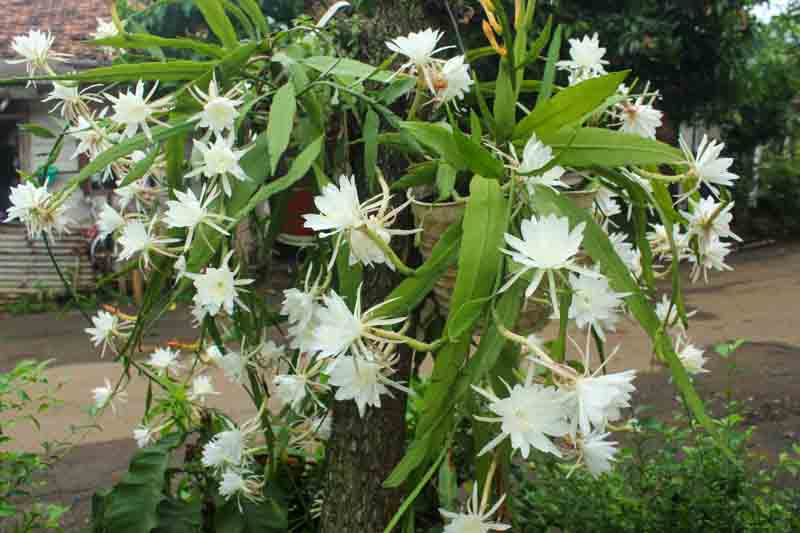

The Queen of the Night plant, scientifically known as Selenicereus grandiflorus, is considered relatively rare compared to other houseplants. This perception of rarity stems from its unique blooming habits and specific environmental needs. The plant is native to tropical regions, particularly in Central and South America, which limits its natural distribution. Here are some factors contributing to its rarity:
1. Blooming Frequency: The Queen of the Night blooms only once a year, usually during the night and for a very brief period, making the sight of its flowers a rare event.
2. Cultivation Challenges: While it can be grown indoors or outdoors in suitable climates, it requires specific care and conditions, such as high humidity and well-draining soil.
3. Propagation Difficulties: Propagating the plant can be challenging, as it primarily relies on cuttings or grafting, which may not be widely practiced among amateur gardeners.
Natural Habitat
The natural habitat of the Queen of the Night plays a significant role in its rarity. This plant thrives in warm, humid environments, typically found in:
- Lowland tropical forests
- Dry regions of Central America
- Some parts of the Caribbean
These specific conditions limit its growth to a small geographical area, necessitating the right climate for survival.
Popularity in Cultivation
Despite its rarity in the wild, the Queen of the Night has gained popularity among plant enthusiasts. Factors contributing to its popularity include:
- The mesmerizing beauty of its white flowers that bloom only at night.
- Interest in unique and exotic plants for personal gardens.
- Social media, where the plant is often showcased as a rare gem in collections.
This popularity, however, hasn’t shifted its status from being a rare find in nature.
Cultural Significance
The Queen of the Night carries cultural significance in several regions, influencing its perception and care:
- In Mexico, it is traditionally celebrated during the Día de los Muertos.
- Considered a symbol of prosperity and beauty in various cultures.
- Often linked to myths and legends that enhance its allure.
This cultural linkage reinforces the plant's status as a rare and cherished specimen.
Conservation Efforts
Due to its limited distribution and ecological significance, various conservation efforts have been initiated:
- Promoting habitat preservation to protect natural populations.
- Encouraging responsible collection practices to prevent overharvesting.
- Educational programs to raise awareness about its ecological role and rarity.
These efforts aim to ensure that the Queen of the Night remains a part of the natural landscape for future generations.
Care Requirements
Successfully caring for a Queen of the Night plant comes with specific care requirements, which can impact its availability:
- Requires well-draining soil to prevent root rot.
- Needs warm temperatures and indirect sunlight for optimal growth.
- Demands high humidity levels which can be challenging in some regions.
These requirements add complexity to its cultivation, contributing further to its rarity among casual gardeners.
What is another name for the Queen of the Night?

The Queen of the Night is also known as the Night-Blooming Cereus. This name refers to several species of cacti, particularly those within the genus Selenicereus and Cereus, which are famous for their large, fragrant flowers that bloom at night. These flowers are often spectacular, attracting attention for their beauty and the mystery of their nocturnal blooming habits.
Characteristics of the Night-Blooming Cereus
The Night-Blooming Cereus exhibits distinct features that make it easily recognizable:
See also:
- Flowers: The flowers can be large, often measuring up to 12 inches in diameter, and they emit a strong, sweet fragrance at night.
- Growth Habit: This plant typically grows as a climbing cactus, using its long, thin stems to ascend trees or other structures.
- Varieties: There are several species of Night-Blooming Cereus, including the Selenicereus grandiflorus, commonly known for its large, white blooms.
Cultural Significance
The Night-Blooming Cereus holds various cultural meanings across different societies:
- Symbolism: In many cultures, these flowers symbolize beauty that comes with darkness, representing the idea that remarkable things often emerge from unexpected places.
- Rituals: Some communities hold special gatherings when the flowers bloom, celebrating their transient nature and the marvel of nature.
- Folklore: Various myths and stories are associated with the Night-Blooming Cereus, often portraying it as a mystical plant.
Growth Conditions
To thrive, the Night-Blooming Cereus requires specific environmental conditions:
- Soil: Well-draining soil is crucial, as these plants do not thrive in waterlogged conditions.
- Light: They prefer bright, indirect sunlight and should not be exposed to harsh direct sunlight for prolonged periods.
- Watering: Minimal watering is necessary during the winter months, while more regular watering is encouraged in the growing season.
Similar Species
There are other cacti that share similarities with the Night-Blooming Cereus:
- Cereus peruvianus: Also known as the Peruvian Apple Cactus, it has a similar appearance and sometimes blooms at night.
- Epiphyllum: Commonly referred to as the Orchid Cactus, certain species bloom at night and have large, showy flowers.
- Selenicereus anthonyanus: Known as the Fishbone Cactus, it displays a unique growth pattern and sometimes falls under the same cultural lore.
Care Tips for Growing Night-Blooming Cereus
When it comes to cultivating the Night-Blooming Cereus, consider the following care tips:
- Fertilization: Use a balanced, water-soluble fertilizer during the growing season to support healthy growth.
- Propagation: This plant can be propagated through stem cuttings, which should be allowed to callous over before planting.
- Pest Management: Regularly inspect for pests such as scale or mealybugs, and treat infestations promptly to ensure the plant's health.
Does Queen of the Night like sun or shade?
The Queen of the Night, scientifically known as Selenicereus grandiflorus, prefers a growing environment with indirect sunlight rather than direct exposure to the sun. These plants are native to tropical regions and are adapted to thrive in the understory of forests, where they receive filtered light rather than full sun. Too much direct sunlight can lead to sunburn on the leaves and stress the plant, inhibiting its growth and flowering. Therefore, providing a balance of light and shade is essential for its optimal health.
Growing Conditions
The growing conditions for the Queen of the Night significantly affect its health and blooming capabilities.
- Light: The plant thrives in bright, indirect light.
- Temperature: It prefers warm temperatures between 60-80°F (15-27°C).
- Watering: Moderate watering is necessary; the soil should dry out between waterings.
Optimal Lighting
Understanding the plant's need for optimal lighting can enhance its growth and flowering cycle.
- Filtered light: Place the plant near a window with sheer curtains to diffuse sunlight.
- Avoid intense sun: Direct sunlight can scorch the leaves. Monitor exposure during peak hours.
- Indoor settings: Artificial grow lights may be used during darker seasons to ensure adequate light.
Effects of Excessive Sunlight
Excessive sunlight can have detrimental effects on the Queen of the Night.
- Leaf damage: Leaves may exhibit scorch marks and turn crispy.
- Stunted growth: High light exposure can lead to reduced growth rates.
- Less flowering: Excessive stress from sun exposure can inhibit blooming.
Signs of Ideal Conditions
Knowing the signs of ideal conditions can help ascertain if the Queen of the Night is thriving.
- Healthy foliage: Leaves should be vibrant green and lush, showing no signs of burn.
- Regular blooming: A healthy plant often produces beautiful, fragrant flowers.
- Growth patterns: The plant should be steadily growing, with new shoots appearing regularly.
Care Tips for Light Management
Strategic care tips can enhance the light management of the Queen of the Night.
- Changing locations: Move the plant to a shaded spot during extremely hot days.
- Rotate the pot: Rotate the plant regularly to ensure even light exposure on all sides.
- Use reflective surfaces: Position the plant near reflective walls or surfaces to enhance indirect light.
Questions from Our Readers
What is the queen of the night plant?
The queen of the night plant, or Selenicereus grandiflorus, is a type of cactus native to the tropical regions of the Americas, and it's known for its stunning night-blooming flowers that usually open only for one night each year.
Where can the queen of the night plant be found in Australia?
In Australia, the queen of the night plant can be found in various botanical gardens and some private gardens, where it is cultivated for its unique beauty and the spectacular display of its flowering at night.
When does the queen of the night plant bloom?
The queen of the night typically blooms during the summer months, with the flowers usually opening in the evening and wilting by dawn, creating a short but enchanting spectacle for those who are fortunate enough to witness it.
How do you care for the queen of the night plant?
Caring for the queen of the night plant involves providing it with well-drained soil, ample sunlight, and moderate watering, as it thrives in warm conditions and does not tolerate overwatering, which can lead to root rot.
See also:
If you want to read more articles like Discover What is the Queen of the Night Plant in Australia: A Comprehensive Guide, we recommend you check out our Landscaping category.
Leave a Reply
Related Articles