What is the Problem with Polycarbonate Greenhouses? Top Issues You Need to Know
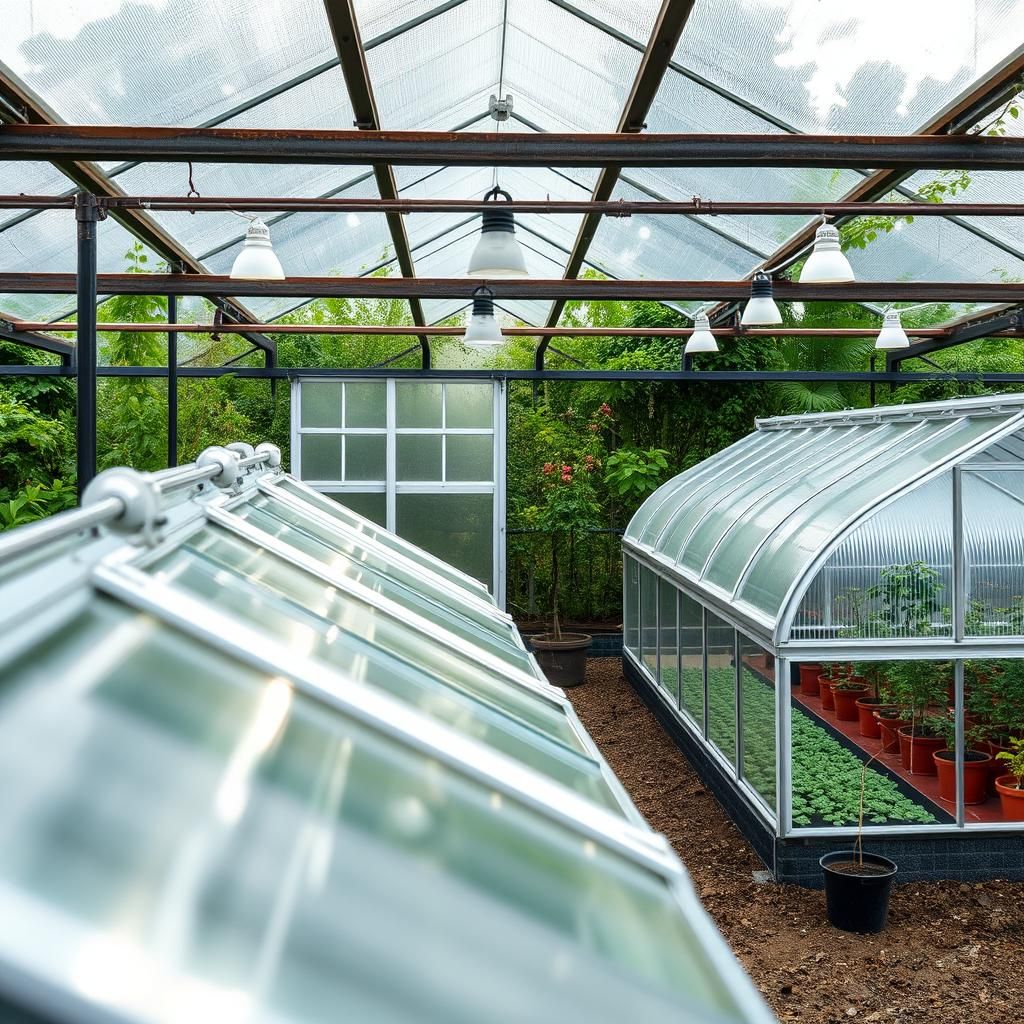
Polycarbonate greenhouses are popular choices for many gardeners due to their durability and insulation properties. However, these structures are not without their challenges. While they offer benefits such as UV protection and energy efficiency, there are some significant issues that potential buyers and users should be aware of. From structural weaknesses and temperature regulation problems to maintenance concerns and longevity, the drawbacks of polycarbonate greenhouses can impact their effectiveness and your gardening experience. In this article, we will explore the top issues associated with polycarbonate greenhouses, ensuring you make an informed decision before investing in one.
What Are the Issues with Polycarbonate Greenhouses?
Polycarbonate greenhouses, while popular for their durability and insulating properties, face several significant drawbacks. One major issue is their propensity for yellowing and degrading over time, especially when exposed to prolonged UV radiation. This degradation affects not only their aesthetic appeal but also their ability to transmit light effectively, which is crucial for plant growth. Additionally, polycarbonate materials can be prone to scratching and can show signs of wear faster than other materials, leading to increased maintenance and replacement costs. Moreover, the initial installation expense can be higher than traditional glass greenhouses, making them less economically viable for some gardeners. Lastly, the thermal insulation properties of polycarbonate can lead to overheating in warmer climates if adequate ventilation is not included in the design.
Durability Limitations
Despite being known for impact resistance, polycarbonate greenhouses can suffer from durability limitations over time. The material can become brittle and less effective at withstanding extreme weather conditions, including high winds and heavy snow loads. This can lead to structural damage and the need for repairs, ultimately affecting the longevity of the greenhouse.
Light Transmission Issues
Polycarbonate materials often experience a gradual decrease in light transmission due to UV damage and the formation of a haze on the surface. This reduced light quality can significantly hinder plant growth, as many plants require specific light conditions to thrive. Gardeners may find themselves struggling to maintain optimal growth conditions as the years go by.
Cost Considerations
The initial cost of polycarbonate greenhouses can be higher compared to traditional glass options. While they may provide benefits such as insulation and impact resistance, the upfront financial investment can deter some gardeners. Additionally, the potential need for repairs or replacements can lead to unforeseen expenses over time.
See also:
Ventilation Challenges
Proper ventilation is crucial in any greenhouse, but polycarbonate structures can be particularly prone to overheating. The insulating properties of polycarbonate can trap heat, leading to extreme temperatures inside the greenhouse. If adequate ventilation systems are not incorporated, it can create an unsuitable environment for plants, resulting in stress and inhibited growth.
Maintenance Requirements
Although polycarbonate is marketed as low-maintenance, it does require specific upkeep to prolong its lifespan. Regular cleaning is necessary to prevent the buildup of dirt and grime that can further reduce light transmission. Additionally, any surface scratches can worsen over time and may require sanding or replacement if they become too severe.
| Issue | Description |
|---|---|
| Durability | Brittleness and vulnerability to extreme weather conditions |
| Light Transmission | Reduced quality due to UV damage and surface haze |
| Cost | Higher initial costs and potential for unexpected repairs |
| Ventilation | Risk of overheating and inadequate airflow |
| Maintenance | Regular upkeep required to prevent issues and prolong lifespan |
Common Issues Faced with Polycarbonate Greenhouses
Polycarbonate greenhouses, while popular for their durability and insulation properties, can present several significant challenges. One major problem is the potential for UV degradation over time, which can cause the material to become brittle and less effective in regulating temperature. Additionally, improper installation can lead to leaks and poor ventilation, which affect the overall health of the plants inside. Another issue is the condensation that can form on the inner surfaces, creating a humid environment conducive to disease. These factors make it essential for greenhouse owners to remain aware of the potential issues when investing in polycarbonate structures.
UV Degradation Concerns
One of the primary issues with polycarbonate greenhouses is UV degradation. Over time, prolonged exposure to ultraviolet rays can weaken the material, causing it to become brittle and cloudy. This deterioration not only impacts the structural integrity of the greenhouse but also reduces its light transmission, making it less effective for plant growth. Regular maintenance and the use of UV-resistant coatings can help mitigate this problem.
Poor Installation Leading to Leaks
Another common problem with polycarbonate greenhouses stems from poor installation practices. If panels are not properly sealed or fitted, they can develop leaks that compromise the internal environment. These leaks can lead to water damage and encourage pest infiltration, ultimately harming the plants. Ensuring that the installation complies with manufacturer guidelines is crucial for avoiding these issues.
See also:
Condensation Problems
Condensation is a frequent challenge in polycarbonate greenhouses, as moisture can accumulate on the inner surfaces. This buildup creates a humid environment that can encourage the growth of fungal diseases and other plant ailments. To address this issue, implementing ventilation systems and using dehumidifiers can help maintain optimal humidity levels for plant health.
Thermal Expansion and Contraction
Polycarbonate panels can experience significant thermal expansion and contraction due to temperature fluctuations. This can lead to warping or fitting issues over time, potentially compromising the structure's integrity and leading to gaps that affect insulation. Proper anchoring and allowing for expansion gaps in the design can reduce the risk of these problems occurring.
Cost of Replacement and Repair
Finally, the cost of replacement and repair for polycarbonate greenhouses is an important factor to consider. Although the initial investment may be lower than for glass greenhouses, the eventual need to replace damaged panels or perform repairs due to wear and tear can increase overall expenses. Regular inspections and maintenance can help identify issues early, potentially reducing long-term costs.
Questions from Our Readers
What are the main disadvantages of polycarbonate greenhouses?
Polycarbonate greenhouses have several disadvantages including their cost, which is usually higher than traditional glass greenhouses. Additionally, they can be prone to scratching, which can affect light transmission over time. Another concern is their insulation properties, as not all polycarbonate sheets provide the same level of thermal control, leading to possible temperature fluctuations inside the greenhouse.
Do polycarbonate greenhouses offer sufficient UV protection?
While polycarbonate greenhouses are designed to provide some level of UV protection, over time, their effectiveness may diminish due to yellowing and degradation from prolonged sun exposure. This can lead to a reduction in the quality of light that reaches plants, potentially affecting their growth.
See also:
How durable are polycarbonate greenhouses compared to glass greenhouses?
Polycarbonate greenhouses are generally considered to be more impact-resistant than glass greenhouses, making them less likely to shatter under stress. However, they can be vulnerable to extreme weather conditions, such as heavy winds or hail, which may cause damage or deformation over time, impacting their overall longevity.
Are polycarbonate greenhouses easy to maintain?
Maintenance for polycarbonate greenhouses can be relatively simple, as they do not require the same level of care as glass structures. However, they may need regular cleaning to prevent algae and mold buildup on surfaces, and any scratches or deterioration should be promptly addressed to maintain their effectiveness and appearance.

If you want to read more articles like What is the Problem with Polycarbonate Greenhouses? Top Issues You Need to Know, we recommend you check out our Greenhouse category.
Leave a Reply
Related Articles