What is the plant with purple leaves called? Discovering the Beauty and Care Tips for Purple-Leafed Plants
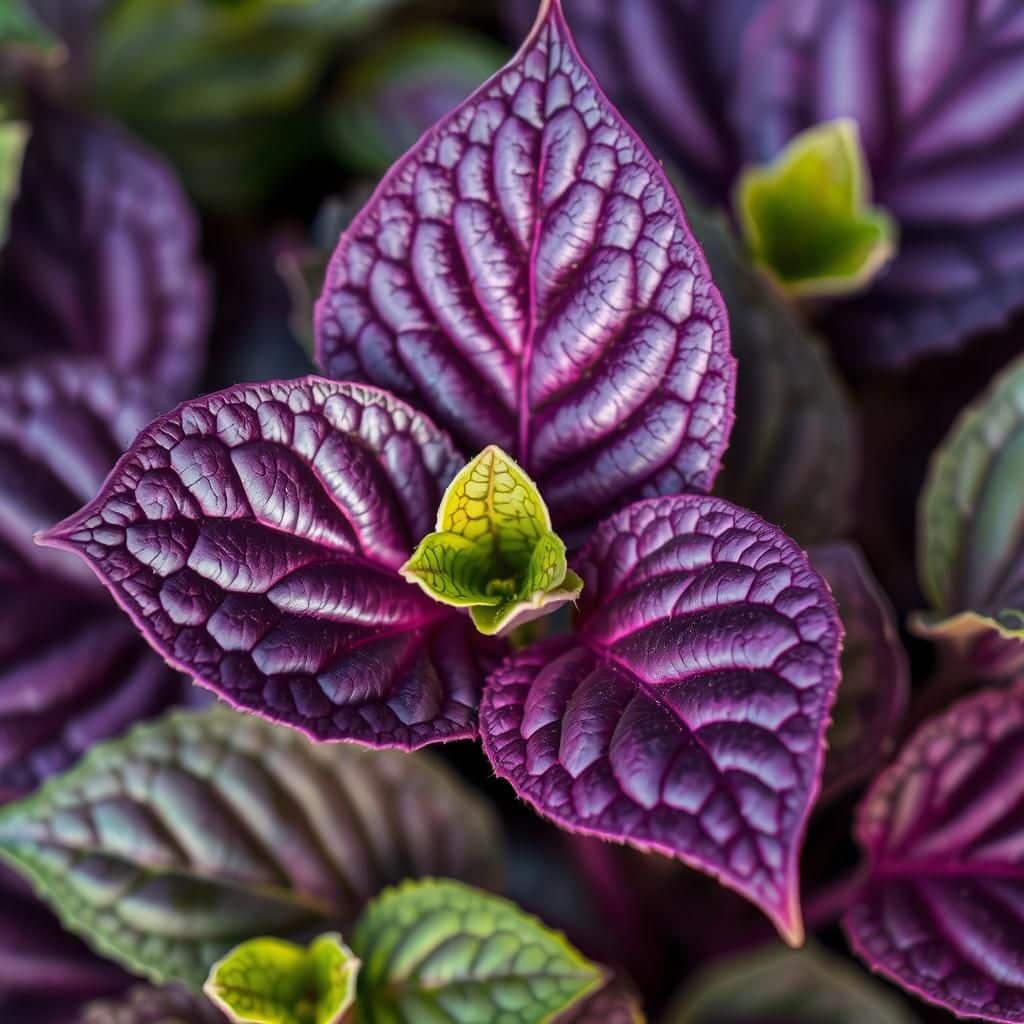
Purple-leafed plants add a stunning contrast to any garden or indoor space, captivating plant enthusiasts and casual gardeners alike. With their vibrant hues and unique textures, these plants create a striking visual appeal that can elevate the aesthetics of your environment. But what exactly are these enchanting plants called, and how can you care for them properly? In this article, we will explore various types of plants with purple leaves, delve into their distinctive characteristics, and provide essential tips for maintaining their health and beauty. Join us on this journey to discover the allure and care needs of these remarkable botanical treasures.
What is the Plant with Purple Leaves Called?
The plant with purple leaves is commonly known as the Purple Heart or Tradescantia pallida. This tropical perennial is valued for its striking foliage, which ranges from deep purple to vibrant magenta. Originally native to Mexico and Central America, this plant thrives in warm climates and is often used in gardens or as a houseplant due to its striking appearance and low maintenance needs. The lush foliage contrasts beautifully with other plants and can bring a sense of vibrancy to any space, making it an excellent choice for creative gardening.
Characteristics of Purple Heart
The Purple Heart plant is characterized by its pointed, elongated leaves which are predominantly a rich purple color. The undersides of the leaves can often be a lighter lavender, adding to its unique visual appeal. The stems of this plant are also purple and can grow to about 12 to 24 inches in height. In the right conditions, the plant produces small three-petaled flowers that are typically white or pink, although they are often overshadowed by the bold foliage.
Growing Conditions
Purple Heart thrives in well-draining soil and prefers full sun to partial shade. It is resistant to drought but also benefits from occasional watering to keep the soil moist without becoming waterlogged. This plant is quite hardy and can adapt to various environments, but it flourishes in warm temperatures between 70°F to 85°F (21°C to 29°C). For optimal growth, a balanced fertilizer can be used during the growing season, promoting vibrant leaf color and healthy development.
Propagation Methods
Propagation of the Tradescantia pallida can be achieved easily through stem cuttings or by division. To propagate via stem cuttings, a section of the stem can be cut just below a leaf node and placed in water or soil. If placed in water, roots will typically begin to develop within a couple of weeks, making it an efficient method for expanding your plant collection. Dividing larger plants by separating rooted sections at the base is another effective option, allowing for new growth while rejuvenating the original plant.
See also:
Common Uses in Landscaping
In landscaping, the Purple Heart is often used as a ground cover due to its ability to spread quickly and fill spaces beautifully. It can also be incorporated into hanging baskets, where its trailing vines can cascade down, creating visually stunning displays. Additionally, its contrasting colors can enrich mixed-container plantings, making it an adaptable choice for garden designs. Its resilience and ease of care make it a popular choice among gardeners and landscapers alike.
Pest and Disease Resistance
The Purple Heart plant is generally resistant to many pests and diseases, though it can sometimes be affected by spider mites or mealybugs. Regular inspection and maintenance can help mitigate these issues. Proper air circulation and avoiding excessive moisture can prevent fungal diseases, ensuring the plant remains healthy and vibrant. Additionally, keeping the foliage clean by wiping it down occasionally can deter pests and enhance the plant's overall appearance.
| Aspect | Details |
|---|---|
| Common Name | Purple Heart |
| Scientific Name | Tradescantia pallida |
| Leaf Color | Deep Purple to Magenta |
| Height | 12 to 24 inches |
| Light Preference | Full Sun to Partial Shade |
Understanding the Common Types of Purple-Leafed Plants
Purple-leafed plants, such as Japanese Maple and Coleus, are known for their striking foliage and ability to add vibrant color to any garden or indoor space. These plants feature a variety of shades, from deep burgundy to bright lavender, and can be utilized in various landscaping styles. Proper care is essential to maintain their rich colors and overall health, which often includes considerations regarding light, soil, and watering needs, tailored to each specific species.
Popular Purple-Leafed Plants Overview
Many gardeners are drawn to purple-leafed plants for their unique aesthetics. Common varieties include the Purple Heart (Tradescantia pallida), known for its vibrant purple leaves, and the Smoke Bush (Cotinus coggygria), which offers not only purple foliage but also fluffy flower clusters. Each plant has distinct characteristics, making them suitable for different environments, whether in full sun or shaded areas.
Care Tips for Maintaining Purple Leaf Color
To ensure that purple-leafed plants showcase their best colors, it's crucial to provide adequate sunlight, as many thrive in bright, natural light. Additionally, using well-draining soil and regulating moisture is essential; overwatering can lead to root rot, while underwatering can cause leaf discoloration. Adjusting these factors based on the plant's specific needs will help maintain its vivid purple hues.
See also:
Common Pests and Diseases Affecting Purple Plants
Like many plants, those with purple foliage can be susceptible to certain pests and diseases. Common offenders include aphids, spider mites, and fungal infections that can threaten the plant's health. Regularly inspecting plants and applying appropriate treatments when issues arise can help in preserving their beauty and vitality, ensuring they remain thriving additions to your landscape.
Using Purple-Leafed Plants in Garden Design
Incorporating purple-leafed plants into garden design can create stunning visual contrast against green foliage and flowers. They can serve as focal points or be used to create captivating color schemes alongside other complementary colors like yellow or white. Proper placement in garden beds, containers, or borders can enhance the overall aesthetic and drive the eye throughout the design.
Propagation Methods for Purple-Leafed Plants
Propagation of purple-leafed plants can be accomplished through various methods, primarily cuttings, division, or seeds. Cuttings are a popular choice as they can often root quickly in water or soil, creating new plants that maintain the same characteristics as the parent. Understanding the best propagation technique suitable for the specific plant makes expanding your collection more feasible and enjoyable.
Questions from Our Readers
What is the plant with purple leaves called?
The plant with purple leaves is commonly known as Purple Heuchera, also referred to as Coral Bells. This attractive plant is popular for its vibrant foliage and can be used in gardens and containers to add a splash of color.
Are there different types of plants with purple leaves?
Yes, there are several types of plants that feature purple leaves. Some notable examples include the Purple Shanghai cabbage, Smoke Bush, and various varieties of Coleus. Each type has its unique characteristics and can enhance the aesthetic appeal of any landscape.
See also:
How do you care for plants with purple leaves?
Caring for plants with purple leaves typically requires providing them with adequate sunlight, well-drained soil, and regular watering. It's important to check the specific needs of each plant type, as some may prefer full sun while others thrive in shaded areas.
Can plants with purple leaves be grown indoors?
Yes, many plants with purple leaves can be successfully grown indoors. Options like Purple Heart or certain Calatheas do well in indoor settings, provided they receive the right amount of light and humidity. Be mindful to place them in suitable conditions to ensure their health and vibrancy.

If you want to read more articles like What is the plant with purple leaves called? Discovering the Beauty and Care Tips for Purple-Leafed Plants, we recommend you check out our Landscaping category.
Leave a Reply
Related Articles