Discovering the Answer to What is the Most Wonderful Plant in the World?

Plants have been an integral part of human existence, providing oxygen, food, and beauty to our surroundings. Among the countless varieties that flourish on Earth, one plant stands out, sparking curiosity and admiration: the most wonderful plant in the world. But what defines this title? Is it the plant's unique traits, its cultural significance, or the benefits it offers? In this article, we embark on a journey to explore the incredible diversity of plants, examining the characteristics that make them extraordinary and unveiling the stories behind those we may consider the true champions of the botanical kingdom.
What Makes a Plant the Most Wonderful in the World?
The concept of the most wonderful plant in the world is highly subjective and can vary greatly depending on individual perspectives. For many, this title could be bestowed upon the Titan Arum, also known as the corpse flower, due to its incredible size and unique blooming phenomenon that is reminiscent of a rotting corpse, attracting numerous visitors and researchers alike. Others might argue for the Bamboo, celebrated for its rapid growth and versatility, or perhaps the Wolffia, known as the smallest flowering plant on Earth, which showcases the marvels of nature's diversity. Each of these plants offers something unique and breathtaking, illustrating the vast spectrum of beauty, size, and function found within the plant kingdom.
The Titan Arum: Nature's Giant Wonder
The Titan Arum can grow up to ten feet tall and is famous for its gigantic inflorescence and the foul smell it emits during its rare blooming cycle, which can occur about every seven to ten years. This remarkable feature attracts pollinators that are typically drawn to decaying matter, making it a fascinating study for botanists and enthusiasts. Its impressive size and unusual characteristics have earned it a reputed spot in both botanical gardens and the hearts of many who witness its grand display.
Bamboo: The Versatile Marvel
Bamboo stands out as one of the fastest-growing plants in the world, capable of growing up to 35 inches in a single day. This plant is not only prized for its rapid growth but also for its strength, lightweight properties, and sustainability. Used in construction, furniture, and handicrafts, bamboo represents a sustainable resource that contributes to environmental health. Its various species adapt well to different climates, making it a globally appreciated plant for various uses.
Wolffia: The Smallest Flowering Plant
Wolffia, often referred to as watermeal, holds the title of the smallest flowering plant on Earth, measuring only a few millimeters in size. Despite its diminutive stature, Wolffia plays a vital role in the aquatic ecosystem, providing habitats and food for various organisms. This remarkable plant challenges our perceptions of scale in nature, proving that even the tiniest forms of vegetation can have a significant impact on their environments.
The Corpse Flower: A Surprising Phenomenon
Known scientifically as Amorphophallus titanum, the corpse flower is not only famous for its size and smell but also for the unique conditions it requires to bloom. This plant can take many years to reach maturity, and its blooming event typically lasts only 24 to 48 hours. The bloom is characterized by a large, deep maroon spathe that unfurls dramatically to reveal a central spike, or spadix, which can reach temperatures exceeding that of the surrounding air, further intensifying its aroma. This rare and spectacular event draws immense crowds at botanical gardens, making it a true spectacle.
The Medicinal Wonders of Plants
Many plants, often considered wonderful, possess significant medicinal properties that have been utilized by various cultures for centuries. For example, the Aloe Vera plant is lauded for its healing gels used in treating burns and skin ailments. Similarly, herbs like Ginseng and Turmeric have been widely studied for their benefits in traditional medicine and are celebrated for their anti-inflammatory and antioxidant properties. Such plants not only enhance human health but also highlight the intricate relationship between humans and the natural world.
| Plant | Notable Feature | Usage |
|---|---|---|
| Titan Arum | Largest flower | Botanical studies, tourism |
| Bamboo | Fastest-growing plant | Construction, crafts |
| Wolffia | Smallest flowering plant | Aquatic ecosystems |
| Corpse Flower | Unique smell | Tourism, research |
| Aloe Vera | Healing properties | Skin treatments |
What is the most amazing plant in the world?
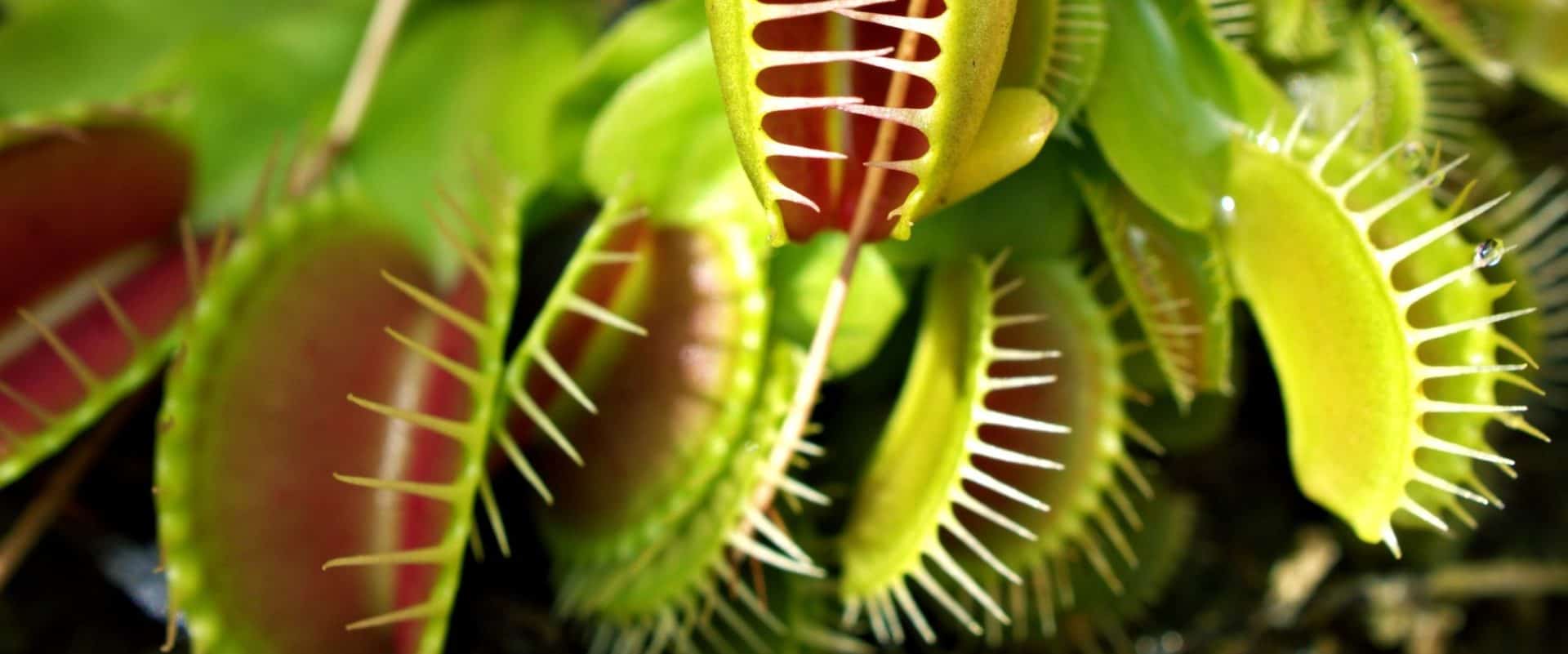
The title of the most amazing plant in the world can be subjective and varies based on the criteria used for evaluation, such as uniqueness, beauty, ecological importance, or cultural significance. However, one plant that often stands out in discussions is the Giant Sequoia (Sequoiadendron giganteum), renowned for its impressive size and longevity.
Physical Characteristics
The Giant Sequoia is one of the largest trees in the world, reaching heights of over 300 feet (91 meters) and a diameter of up to 30 feet (9 meters). Its thick, reddish-brown bark can be up to 3 feet (1 meter) thick, which serves as an adaptation against fire and pests. Here are some key physical characteristics:
- Height: Can grow over 300 feet.
- Diameter: Can reach up to 30 feet.
- Thick bark: Provides protection against fire.
Lifespan and Growth
The Giant Sequoia has an extraordinary lifespan that can exceed 3,000 years, making it one of the oldest living organisms on Earth. This remarkable longevity allows it to witness historical and environmental changes over millennia. Factors contributing to its long life include:
- Resilience against diseases and pests due to its size and bark.
- Ability to regenerate after fires, which play a crucial role in its lifecycle.
- Slow growth rate, allowing it to adapt over time.
Ecological Importance
The Giant Sequoia plays a vital role in its ecosystem, providing habitat and food for a myriad of species. Its massive size supports a diversity of organisms, from birds to insects. Key ecological contributions include:
- Providing habitat for wildlife, such as birds and mammals.
- Supporting various fungi and microorganisms that thrive in its ecosystem.
- Storing significant amounts of carbon dioxide, helping combat climate change.
Cultural Significance
Throughout history, Giant Sequoias have held significant cultural value for various indigenous peoples and continue to inspire awe in modern society. Their presence has influenced art, literature, and conservation efforts. Some aspects of their cultural importance include:
See also:
- Revered as sacred trees by Native American tribes.
- Prominent subjects in photography and art reflecting natural beauty.
- Symbol of conservation, sparking movements to protect natural spaces.
Conservation Efforts
As one of the most unique plant species, the Giant Sequoia faces threats, including climate change and human activities. Conservation efforts are crucial to ensuring their survival for future generations. Some initiatives include:
- Protected areas and national parks that safeguard their natural habitats.
- Research programs focused on understanding their ecology and health.
- Community engagement and education about the importance of conservation.
What is the most precious plant in the world?
:max_bytes(150000):strip_icc()/most-expensive-houseplants-5080132-hero-e119d4477cca47b390260434e8cc49b4.jpg)
The title of the most precious plant in the world is often attributed to the Saffron Crocus (Crocus sativus). This plant is renowned for its distinctive, vibrant red stigmas, which are the dried flower parts used to produce saffron, one of the most expensive spices by weight. The high value of saffron is due to the labor-intensive process required for its cultivation and harvesting, which necessitates a significant amount of flowers to produce a small quantity of spice.
Historical Significance of Saffron
Saffron has a rich history that dates back over 3,000 years, being used in various cultures for culinary, medicinal, and dyeing purposes. Its role in history includes:
- Ancient Uses: Saffron was used in ancient Egypt for perfumes and as a component in religious offerings.
- Medicinal Properties: It has been traditionally valued for its potential health benefits, including its use as an antidepressant and anti-inflammatory agent.
- Culinary Applications: Cultures in the Mediterranean and Middle Eastern regions have incorporated saffron into their cuisines, enhancing the flavor and color of dishes.
Geographical Distribution
The cultivation of saffron is primarily found in regions with specific climatic conditions, making it a rare commodity. The main areas include:
- Iran: Producing approximately 90% of the world’s saffron, Iran’s climate is ideal for saffron production.
- Spain: Known for its high-quality saffron, particularly from the La Mancha region, it is a key player in the saffron market.
- India: Particularly in Kashmir, where the unique climate and altitude contribute to the distinct flavor of locally grown saffron.
Cultivation and Harvesting Process
The process of cultivating saffron is both meticulous and labor-intensive, contributing to its high market value. Key steps include:
- Growing Conditions: Saffron requires well-drained soil, plenty of sunlight, and specific temperatures to thrive.
- Harvesting: The flowers bloom simultaneously for only a few days each year, necessitating careful and timely harvesting.
- Hand-Picking: Each flower produces only three red stigmas, which must be hand-harvested, making the labor-intensive process crucial for obtaining saffron.
Economic Impact of Saffron
Saffron plays a significant role in the economies of producing countries. Its economic impact includes:
- Employment Opportunities: The saffron industry provides jobs for thousands of farmers and laborers, especially in rural areas.
- Market Value: Due to its rarity and high demand, saffron can fetch prices up to $10,000 per kilogram, making it a lucrative crop.
- Export Potential: Countries like Iran and Spain benefit from saffron exports, positively impacting their economies.
Future of Saffron Production
The future of saffron cultivation faces challenges and opportunities, which include:
- Climate Change: Changing weather patterns may affect saffron growing regions, pushing producers to adapt their methods.
- Biotechnology: Advances in agricultural practices could enhance yield and resistance to pests and diseases.
- Sustainable Practices: Increasing demand for organic and sustainable farming may lead to the adoption of eco-friendly cultivation techniques.
What is the most magical plant in the world?
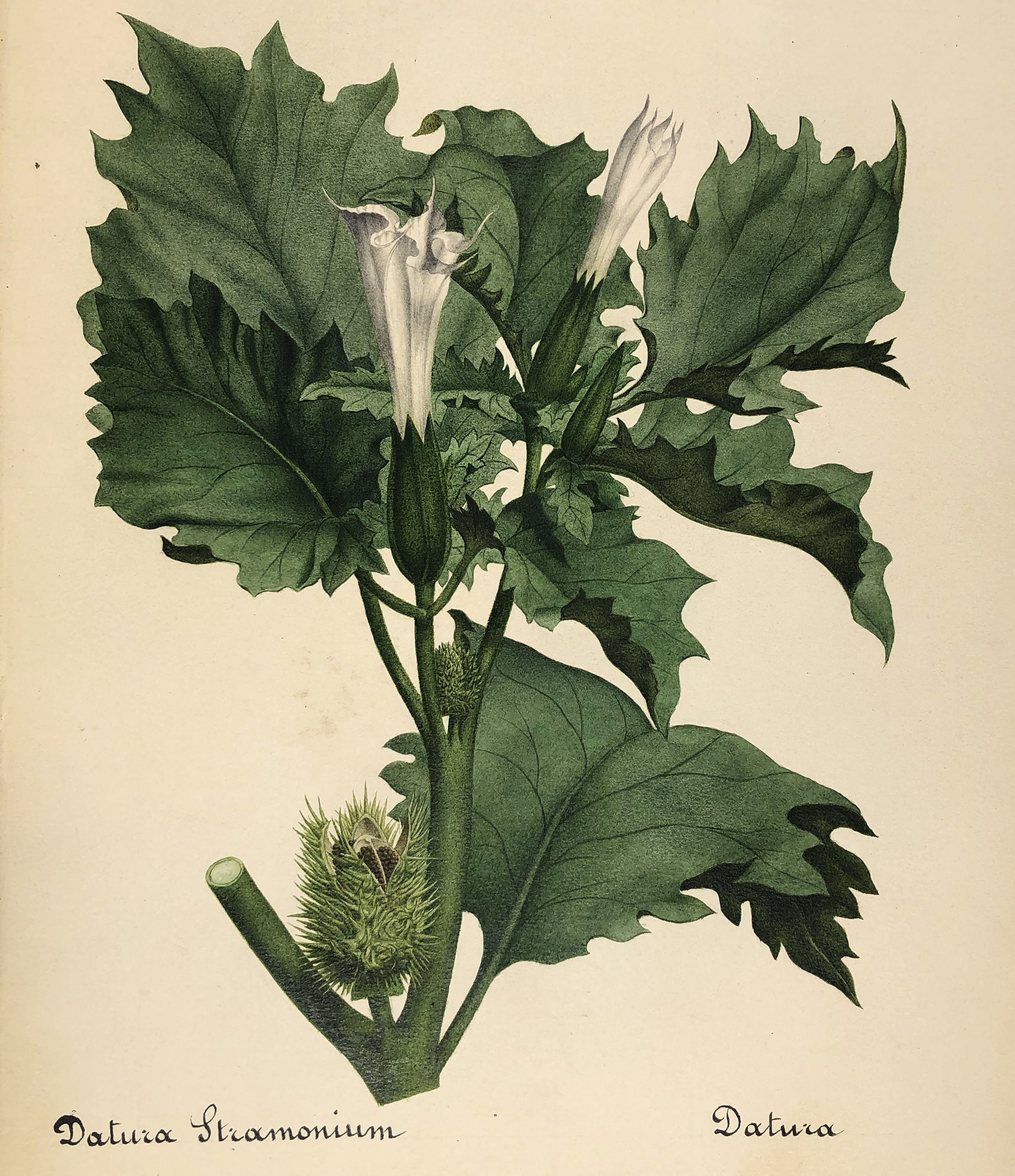
The title of the most magical plant in the world often brings to mind various contenders, but one plant stands out for its rich cultural significance and historical uses: Ayahuasca. This powerful brew, derived from the Banisteriopsis caapi vine and often combined with other plants like Psychotria viridis, has been used for centuries by indigenous Amazonian tribes for spiritual growth, healing, and ritualistic purposes. Many users report transformative experiences, which has led to its increasing popularity around the world.
Origins of Ayahuasca
Ayahuasca's roots trace back to indigenous Amazonian tribes, who have utilized the drink for both healing and spiritual growth. Traditionally, shamans prepare Ayahuasca during sacred ceremonies, believing it allows participants to connect with the spirit world. The method of preparation can vary, but it usually entails the following steps:
- Harvesting the Banisteriopsis caapi vine and Psychotria viridis leaves.
- Boiling the plants together for several hours to extract the psychoactive compounds.
- Straining and reducing the liquid to enhance its potency.
Cultural Significance
The cultural significance of Ayahuasca is profound among the communities that utilize it. The brew is often seen as a means of providing insight into personal issues, connecting with ancestors, or receiving guidance from spiritual beings. In many rituals, participants feel that they achieve an acute sense of awareness and emotional healing. Its significance can be outlined as follows:
- Facilitates healing on emotional and psychological levels.
- Promotes a collective sense of community during ceremonies.
- Serves as a connection to cultural heritage and ancestral wisdom.
Physiological Effects
The physiological effects of Ayahuasca are noteworthy. The primary component, DMT (dimethyltryptamine), is a powerful hallucinogen, which can produce a variety of sensations and experiences. Users often report:
See also:
- Altered perceptions, leading to visual and auditory hallucinations.
- Intense emotional experiences, including moments of joy or deep sadness.
- Physical reactions, such as nausea, which is often seen as part of the purification process.
Legal Status and Global Interest
The legal status of Ayahuasca varies significantly from country to country. While in some parts of South America, it holds religious significance, other nations have strict regulations governing its use. Recently, there has been a growing interest in Ayahuasca among those seeking alternative therapies and spiritual experiences outside the Amazon. Key points include:
- Increased tourist interest in healing retreats offering Ayahuasca ceremonies.
- Ongoing discussions about its use and legality in Western countries.
- Research into its potential therapeutic benefits for mental health issues.
Risks and Considerations
While many seek the benefits of Ayahuasca, it is essential to consider its potential risks. Not everyone has a positive experience, and there can be serious implications, especially for those with pre-existing mental health issues. Important considerations include:
- Potential for psychological distress during or after the experience.
- Interactions with certain medications, which can be dangerous.
- The importance of finding a qualified facilitator for ceremonies to ensure safety.
Which is the greatest plant in the world?

The greatest plant in the world is often considered to be the Giant Sequoia (Sequoiadendron giganteum). These towering trees, native to the Sierra Nevada mountain range in California, are known for their exceptional size and longevity. The Giant Sequoia holds the record for the largest living single-stem tree on Earth by volume, surpassing other well-known species, including the Coast Redwood. Not only do they reach heights of over 300 feet (90 meters), but they can also have diameters exceeding 30 feet (9 meters). Their impressive dimensions make them a remarkable example of nature's grandeur.
Characteristics of the Giant Sequoia
The characteristics of the Giant Sequoia are what make it stand out among other plants. These trees exhibit unique features that contribute to their status as the greatest plant.
- Height: Giant Sequoias typically grow to be between 164 to 279 feet tall, with some individuals exceeding 300 feet.
- Diameter: Their trunk diameter can reach up to 30 feet, making them the largest trees by volume.
- Longevity: These trees can live for more than 3,000 years, outliving many other species.
Habitat and Distribution
The Giant Sequoia thrives in a specific habitat that contributes to its growth and survival. Understanding where these magnificent trees are found is essential to appreciate their ecological significance.
- Geographical range: They are primarily located in the western Sierra Nevada mountains, particularly in protected national parks such as Sequoia and Kings Canyon.
- Climate: These trees prefer humid environments with substantial snowfall during winter and mild summers.
- Soil composition: Giant Sequoias grow in well-drained sandy or gravel soils that allow for deep root growth.
Ecological Importance
The ecological importance of the Giant Sequoia extends beyond just being a towering presence in the forest. They play a crucial role in their ecosystem.
- Habitat for wildlife: Giant Sequoias provide shelter and food for numerous species, including birds, mammals, and insects.
- Carbon sequestration: These trees absorb significant amounts of CO2, helping to mitigate climate change.
- Soil enrichment: Their fallen needles and debris contribute to nutrient-rich soil, promoting the growth of other plant species.
Cultural Significance
The cultural significance of Giant Sequoias is also noteworthy. They have been revered by various cultures throughout history due to their majestic presence.
- Historical landmarks: Some Giant Sequoias have historical designations, such as General Sherman, which attracts millions of visitors annually.
- Indigenous respect: Native American tribes have historically regarded these trees as sacred and incorporated them into their cultural practices.
- Conservation efforts: Their grandeur has sparked numerous conservation programs aimed at preserving these trees for future generations.
Conservation and Threats
Despite their majestic stature, Giant Sequoias face various threats that necessitate conservation efforts. Protecting these trees is crucial as they are vulnerable to several environmental challenges.
- Wildfires: While some fires are natural and beneficial, increasingly intense wildfires pose a significant threat to their survival.
- Climate change: Altered growing conditions due to climate change impact their growth and ability to thrive.
- Pests and diseases: Invasive species and new diseases can weaken these ancient trees, making them more susceptible to other threats.
Questions from Our Readers
What is considered the most wonderful plant in the world?
While beauty is subjective, many people consider the Rafflesia arnoldii to be one of the most wonderful plants. It's known for producing the largest single flower in the world, which can measure up to three feet in diameter. This plant is unique not only for its size but also for its unusual odor, which resembles that of rotting flesh, attracting specific pollinators.
Why is the giant sequoia often called the most magnificent tree?
The giant sequoia, or Sequoiadendron giganteum, is frequently regarded as the most magnificent tree due to its enormous size, longevity, and resilience. Some of these trees can live for over 3,000 years and reach heights of more than 300 feet. Their impressive stature and age make them a symbol of natural wonder and environmental conservation.
Are there any plants known for their extraordinary healing properties?
Yes, several plants are recognized for their extraordinary healing properties, with aloe vera being one of the most famous. Its gel is commonly used to soothe burns and promote skin healing due to its anti-inflammatory and antimicrobial qualities. This versatile plant has been valued for centuries in both traditional and modern medicine.
What plant is known for its ability to survive in extreme conditions?
The resurrection plant, particularly species like Selaginella lepidophylla, is renowned for its ability to survive extreme drought conditions. This plant can lose up to 90% of its water content and appear completely dead, only to revive and become green again upon rehydration. Its remarkable resilience makes it a fascinating example of plant adaptability.
See also:

If you want to read more articles like Discovering the Answer to What is the Most Wonderful Plant in the World?, we recommend you check out our Landscaping category.
Leave a Reply
Related Articles