What is the Most Wasteful Method of Irrigation? Understanding the Impact on Water Resources
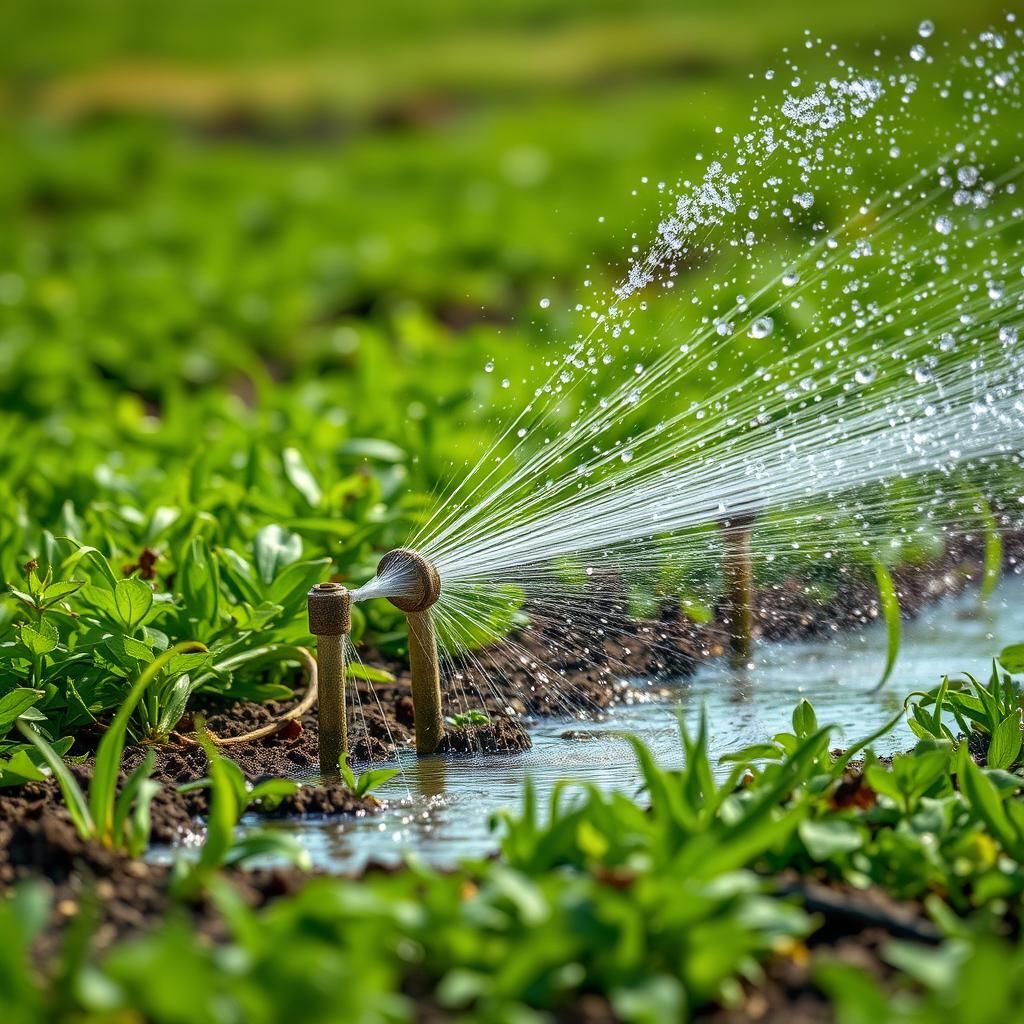
Water is an essential resource for agriculture, yet various irrigation methods can significantly impact water availability. In our quest to maximize crop yields, some techniques result in excessive water usage, leading to waste and depletion of vital resources. This article explores the most wasteful irrigation practices, examining their environmental consequences and the challenges they pose to sustainable water management. By understanding these detrimental methods, we can identify more efficient alternatives that not only conserve water but also promote healthier ecosystems and agricultural resilience. Join us as we delve into the intricacies of irrigation methods and their effects on our precious water resources.
What is the Most Wasteful Method of Irrigation?
The most wasteful method of irrigation is often considered to be flood irrigation, where fields are completely flooded with water, allowing it to seep into the soil. This technique, while historically widespread due to its low cost and simplicity, leads to significant water loss through evaporation and runoff. In many cases, a large proportion of the water applied does not reach the plants' roots, leading to over-irrigation and the leaching of essential nutrients from the soil. Additionally, flood irrigation can cause soil erosion and salinization, negatively impacting agricultural productivity and sustainability.
What is Flood Irrigation?
Flood irrigation is a traditional method where water is applied directly to the surface of the field, covering it entirely. This type of irrigation is common in regions with adequate water supply but is inefficient compared to more modern techniques. The main drawback is that it leads to a significant amount of water being wasted as it can easily overflow into drainage systems and other non-target areas, reducing the amount of moisture that directly benefits crops.
Environmental Impact of Flood Irrigation
The environmental impact of flood irrigation includes increased risks of soil erosion, habitat disruption, and water pollution. As water flows over surfaces, it can carry soil and nutrients away from the intended agricultural areas, contributing to reduced soil fertility over time. Additionally, the excessive water use can contribute to the depletion of local water resources and affect nearby ecosystems that rely on consistent water levels.
Comparison with Other Irrigation Methods
Compared to other irrigation methods, such as drip or sprinkler irrigation, flood irrigation is considerably less efficient. Drip irrigation delivers water directly to the plant root zone, minimizing evaporation and runoff, which results in a higher water use efficiency. Sprinkler systems can also be designed to reduce waste by minimizing the amount of water that evaporates before it reaches crops, making them better options for conservation.
See also:
Water Conservation Techniques
Adopting water conservation techniques is critical in addressing the inefficiencies of flood irrigation. Techniques such as soil moisture monitoring, mulching, and the use of drought-resistant crops can help optimize water usage. By implementing these strategies in conjunction with more efficient irrigation systems, farmers can significantly reduce water consumption, enhance soil health, and sustain agricultural productivity.
Future Trends in Irrigation
The future of irrigation is likely to focus on smart technology and automated systems that enhance water efficiency. Concepts like precision agriculture, which uses data to apply water only where it's needed, can further reduce the waste associated with traditional flood irrigation methods. Innovations such as sensors and drones for real-time monitoring are becoming increasingly popular, helping to transform how water resources are managed on farms worldwide.
| Method | Water Efficiency |
|---|---|
| Flood Irrigation | Low |
| Drip Irrigation | High |
| Sprinkler Irrigation | Moderate |
The Environmental Consequences of Inefficient Irrigation Practices
The most wasteful method of irrigation is often considered to be flood irrigation, where fields are inundated with water, leading to significant evaporation and runoff. This technique not only results in the waste of vital water resources but also contributes to issues like salinization of the soil, which can severely impair soil health and crop productivity. As water scarcity becomes a pressing global challenge, understanding the environmental impact of such inefficient practices is crucial for promoting more sustainable agricultural methods and ensuring the stewardship of our water resources.
Flood Irrigation and Its Prevalence
Flood irrigation remains one of the most widely used methods worldwide, primarily due to its low initial cost and ease of implementation. However, it requires large volumes of water to be effective, which can lead to excessive water loss through evaporation and deep percolation beyond the root zone of plants. The reliance on this outdated method is prevalent in regions where water is presumed to be abundant, posing a risk to water sustainability in the long run.
Impact on Soil Quality
The frequent use of inefficient irrigation methods, such as flood irrigation, can lead to soil degradation over time. The excessive moisture encourages the accumulation of salts in the topsoil, a process known as salinization, which can inhibit plant growth and reduce agricultural yields. Maintaining soil health is essential for agricultural success, and poor irrigation practices can have long-lasting effects that compromise the fertility of once-arable land.
See also:
Water Wastage and Scarcity
Water scarcity is an issue that is becoming more critical due to the increasing demand for food production and the unpredictable effects of climate change. Inefficient irrigation methods contribute significantly to water wastage, as they do not utilize water efficiently. As the global population grows, the urgency to conserve and manage water resources wisely becomes more pressing, underscoring the need for improved irrigation practices.
Alternative Irrigation Techniques
To combat the effects of wasteful irrigation methods, farmers can adopt more sustainable techniques such as drip irrigation or sprinkler systems. These methods efficiently deliver water directly to the plant roots, minimizing evaporation and runoff. By utilizing technology to enhance water efficiency, these systems can significantly reduce water consumption and promote healthier crop growth while conserving valuable water resources.
Policy and Management Approaches
Promoting sustainable irrigation practices requires effective policy and management strategies at both local and national levels. Governments can incentivize farmers to transition from wasteful methods to more efficient systems through subsidies or grants, fostering a culture of responsible water management. Furthermore, education and outreach programs can equip agricultural stakeholders with the knowledge necessary to recognize the benefits of adopting more sustainable irrigation practices, ultimately preserving water resources for future generations.
Questions from Our Readers
What is the least efficient method of irrigation?
The least efficient method of irrigation is often considered to be flood irrigation, where fields are flooded with water. This method can lead to significant water loss through evaporation and runoff, making it highly wasteful compared to more targeted approaches.
Why is flood irrigation considered wasteful?
Flood irrigation is considered wasteful because it typically results in excess water usage, often exceeding the crop's needs. The lack of precision in directing water can cause a significant portion of the water to evaporate or flow away from the root zone of the plants, which reduces overall efficiency.
See also:
What are the alternatives to flood irrigation?
Alternatives to flood irrigation include methods like drip irrigation and sprinkler irrigation, which deliver water directly to the plant roots in a more controlled manner. These methods not only enhance water efficiency but also help to minimize soil erosion and reduce the overall waste of resources.
How does water wastage affect agriculture?
Water wastage through inefficient irrigation methods can severely affect agriculture by leading to drought conditions and reduced crop yields. This can further contribute to food insecurity, as less food is produced to meet the demands of a growing population and the sustainability of agricultural practices is compromised.

If you want to read more articles like What is the Most Wasteful Method of Irrigation? Understanding the Impact on Water Resources, we recommend you check out our Irrigation category.
Leave a Reply
Related Articles