What is the Most Wasteful Irrigation System? Discover the Inefficiencies and Solutions
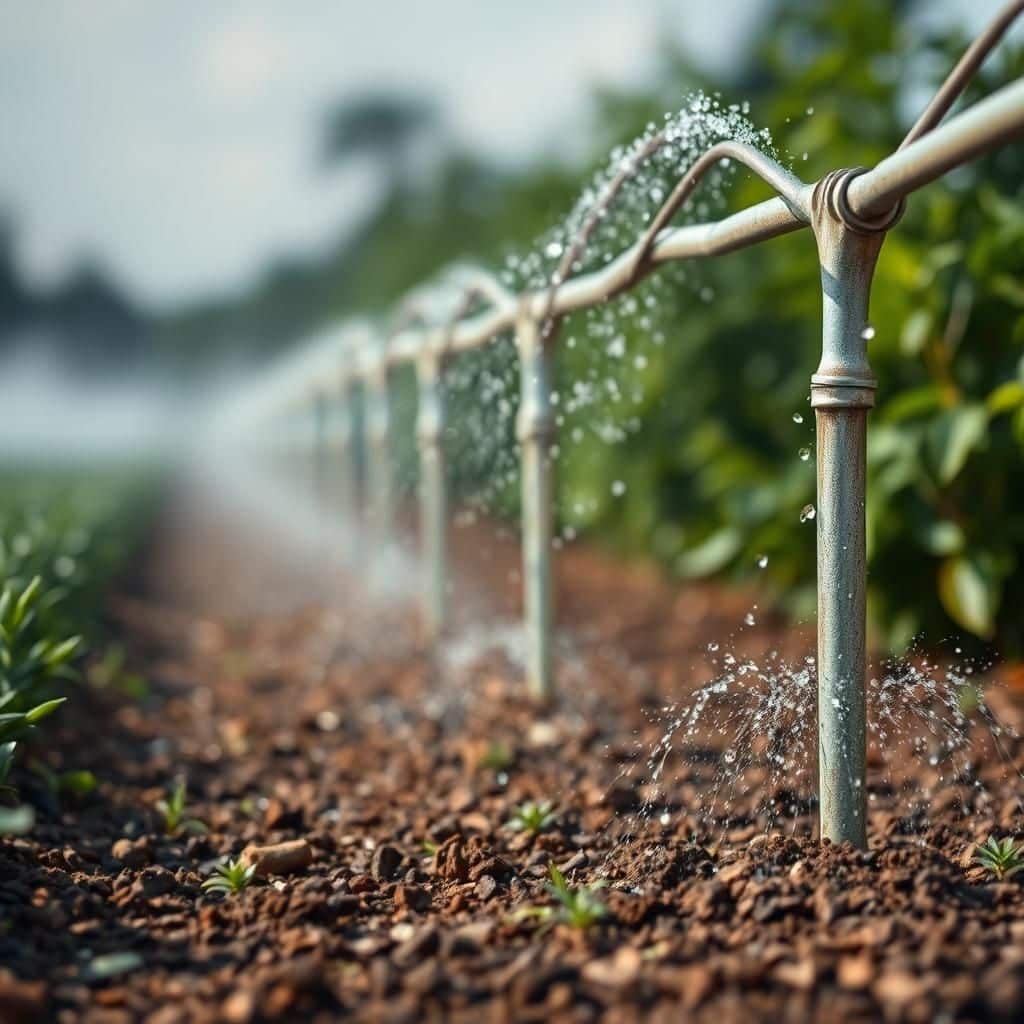
Water is an essential resource for agriculture, yet the methods used to irrigate crops can vary significantly in efficiency. Among these methods, some stand out for their inefficiency and wastefulness, contributing to water scarcity and environmental degradation. This article delves into the characteristics of the most wasteful irrigation systems, examining how outdated practices lead to excessive water loss and diminished crop yields. Furthermore, it explores innovative solutions and alternatives that can enhance irrigation efficiency, promote sustainable water use, and help secure agricultural productivity for future generations. Join us as we uncover the challenges and opportunities in modern irrigation practices.
Identifying the Most Wasteful Irrigation System
The most wasteful irrigation system is often considered to be flood irrigation, which involves completely submerging the crops in water. This method leads to high levels of water evaporation and runoff, resulting in significant water loss. In regions where water scarcity is a critical issue, flood irrigation can exacerbate the problem, making it particularly unsustainable. Additionally, this method can lead to soil erosion and nutrient depletion, ultimately harming crop yields over time. While flood irrigation has been used historically due to its low cost, the inefficiencies and environmental impact make it less favorable in modern agricultural practices.
The Mechanism of Flood Irrigation
Flood irrigation works by flooding the field with water, allowing it to seep into the soil and reach the plant roots. This method requires minimal technology and infrastructure, making it appealing for some farmers. However, the challenge lies in the large quantities of water required, which can lead to waterlogging and root rot if not managed properly. Moreover, the excess water often results in evaporation, especially in hot climates, which further reduces the efficiency of this system and can negatively impact the plants' health.
Environmental Impact of Wasteful Irrigation
From an environmental standpoint, wasteful irrigation systems like flood irrigation can cause significant harm. They can lead to salinization, where dissolved salts accumulate in the soil, rendering it unusable for crops over time. Additionally, such systems can negatively affect local water tables and aquatic ecosystems through excessive runoff, which may carry fertilizers and pesticides into rivers and lakes, disrupting local wildlife and water quality.
Comparison with Other Irrigation Methods
When compared to more efficient irrigation methods such as drip or sprinkler irrigation, flood irrigation stands out for its inefficiency. Drip irrigation delivers water directly to the roots of plants, significantly reducing water waste and evaporation. Sprinkler systems allow for more targeted applications of water, minimizing runoff. A comparative analysis shows that these methods can use up to 50% less water than flood irrigation, making them more sustainable options for modern agriculture.
Economic Aspects of Inefficient Irrigation
The economic implications of wasteful irrigation methods are profound. Although flood irrigation may seem cost-effective initially due to low setup costs, the long-term expenses related to water scarcity, soil degradation, and lower crop yields can accumulate dramatically. Farmers may find themselves facing increasing costs for water and soil amendments, impacting their overall profitability. Transitioning to more efficient irrigation systems can require an initial investment but often leads to better water management and crop returns in the long run.
Global Usage Statistics of Irrigation Systems
Globally, the use of various irrigation systems reveals a mixed pattern in adopting efficient practices. According to recent statistics, approximately 50% of irrigated land still relies on flood irrigation, particularly in less developed regions. On the other hand, advanced countries are increasingly moving toward more efficient systems, with drip irrigation now accounting for around 20% of global irrigated areas. This highlights a significant opportunity for improving irrigation practices worldwide, reducing waste, and promoting sustainable farming.
| Irrigation Method | Water Efficiency (%) | Initial Cost (USD per acre) | Maintenance Cost (USD per year) |
|---|---|---|---|
| Flood Irrigation | 50-60 | 100-300 | 50-100 |
| Drip Irrigation | 90-95 | 300-800 | 20-50 |
| Sprinkler Irrigation | 75-85 | 200-600 | 30-80 |
What is the most wasteful method of irrigation?

The most wasteful method of irrigation is flood irrigation. This traditional technique involves saturating the soil in a field with water, often leading to significant water loss through evaporation, weed growth, and runoff. Flood irrigation typically does not control the amount of water applied effectively, resulting in overwatering and the potential for waterlogged soils. Areas that depend on this method often experience decreased crop yields due to the uneven distribution of water and nutrients.
The Mechanism of Flood Irrigation
Flood irrigation relies on the principle of distributing water over a large area of soil surface. This method involves diverting water from a source and allowing it to flow through channels or furrows into the fields.
- Water Supply: Water is often sourced from rivers, lakes, or reservoirs, which may not be sustainable.
- Field Preparation: Fields are leveled to allow water to spread, but this can lead to uneven coverage.
- Distribution Inefficiency: Water movement is slow, resulting in varied absorption and significant water loss.
Environmental Impact
Flood irrigation contributes to various environmental issues, including soil erosion, salinization, and depletion of local water resources. The open nature of this method facilitates evaporation, which can negatively impact local ecosystems.
- Soil Erosion: Existing vegetation may be damaged, leading to increased soil loss.
- Salinization: Excess water can lead to the rise of salts in the soil, harming plant growth.
- Water Resources Depletion: Continuous use can deplete rivers and groundwater, jeopardizing local ecosystems.
Comparative Efficiency of Irrigation Methods
Compared to modern techniques such as drip irrigation and sprinkler irrigation, flood irrigation is significantly less efficient. Innovations in irrigation technology aim to minimize water wastage and maximize crop yield, highlighting the inadequacies of flood systems.
- Drip Irrigation: Delivers water directly to the plant roots in a controlled manner, promoting efficiency.
- Sprinkler Systems: Mimic natural rainfall and can be adjusted to reduce runoff and evaporation.
- Soil Moisture Management: Modern systems incorporate sensors to monitor soil moisture, optimizing water usage.
Cost Implications
The costs associated with flood irrigation can escalate due to water wastage and subsequent crop losses. Farmers employing this method may face higher expenses in the long run due to inefficient mean or the potential need for investments in better irrigation technologies.
- Water Costs: Increased consumption of water can lead to higher utility costs.
- Maintenance Costs: Inefficient systems may require more frequent repairs and modifications.
- Crop Loss: Poor water management can result in yield losses, affecting overall profitability.
Mitigation Strategies
While flood irrigation remains prevalent in certain regions, adopting mitigation strategies can reduce its wastefulness. Implementing better field management practices and exploring modern technologies can enhance irrigation efficiency.
- Improved Field Design: Techniques such as contour farming can help manage water flow effectively.
- Crop Rotation: Adapting crop types based on seasonal water availability can maximize water use efficiency.
- Education and Training: Providing farmers with knowledge on efficient irrigation practices promotes sustainable water use.
What is the most inefficient irrigation system?
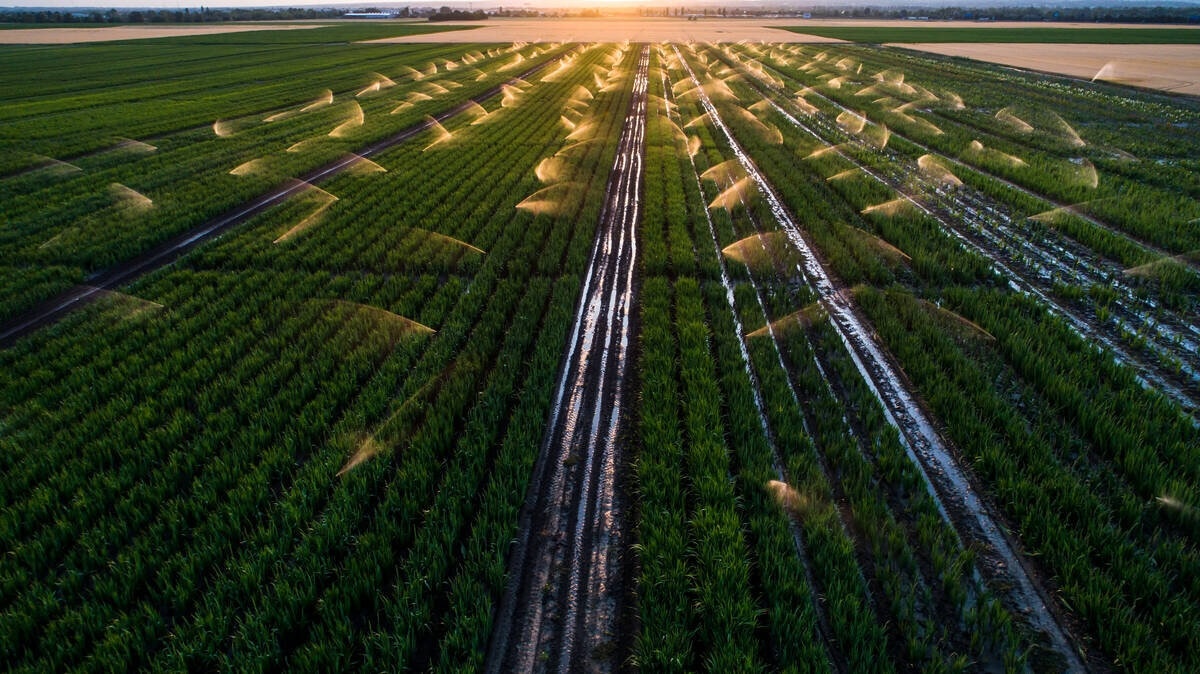
The most inefficient irrigation system is often considered to be surface irrigation, particularly the method known as flood irrigation. This technique involves the direct flooding of fields with water, allowing it to flow over the soil surface and hydrate crops naturally. Although it has been a traditional method for centuries, it is known for its substantial water wastage and ineffectiveness in many scenarios.
Understanding Surface Irrigation
Surface irrigation is a method where water is applied directly to the field by gravity flow. This technique primarily includes flood, furrow, and basin irrigation.
- Water Distribution: The water is unevenly distributed across the field, leading to some areas receiving excess moisture while others remain dry.
- Evaporation Losses: Significant amounts of water can be lost to evaporation before it even reaches the plants.
- Soil Erosion: The high volumes of water used in flood irrigation can cause erosion, further reducing the soil's ability to retain moisture.
Causes of Inefficiency
The inefficiency of surface irrigation can be attributed to multiple factors, including its reliance on gravity and the physical characteristics of the land.
- Topography: Uneven land can create areas where water accumulates and others where it runs off, leading to unequal crop hydration.
- Soil Type: Different soil types absorb water at varying rates; sandy soils may drain too quickly while clayey soils can become saturated.
- System Management: Poor management practices can exacerbate inefficiency, leading to excessive water application and runoff.
Comparison with Other Irrigation Systems
When compared to other irrigation systems like drip or spray irrigation, surface irrigation falls short in efficiency and water conservation.
- Water Efficiency: Drip systems deliver water directly to plant roots, minimizing waste, whereas surface systems can waste up to 50% of water through runoff.
- Labor and Maintenance: Surface irrigation often requires more labor and equipment maintenance to control water flows and manage erosion.
- Yield Impact: The inconsistency in water delivery can negatively impact crop yields, something modern methods have largely overcome.
Environmental Impact
The environmental consequences of inefficient irrigation systems, such as surface irrigation, are significant.
- Water Resource Depletion: Overuse of water for this method can lead to the depletion of local water sources.
- Salinization: Poor irrigation practices can lead to soil salinization, reducing soil fertility and productivity.
- Habitat Destruction: Inefficient water use can contribute to habitat loss in adjacent ecosystems as water sources become depleted.
Possible Improvements
While surface irrigation has its inefficiencies, improvements can be made to enhance its effectiveness.
- Enhanced Design: Implementing better design techniques such as contour farming can help manage water flow and reduce runoff.
- Scheduling Practices: Improved water scheduling based on climatic data can lead to more efficient water application.
- Use of Barriers: Creating barriers or bunds can help in better distributing water across the field.
Which type of irrigation method wastes the most water?
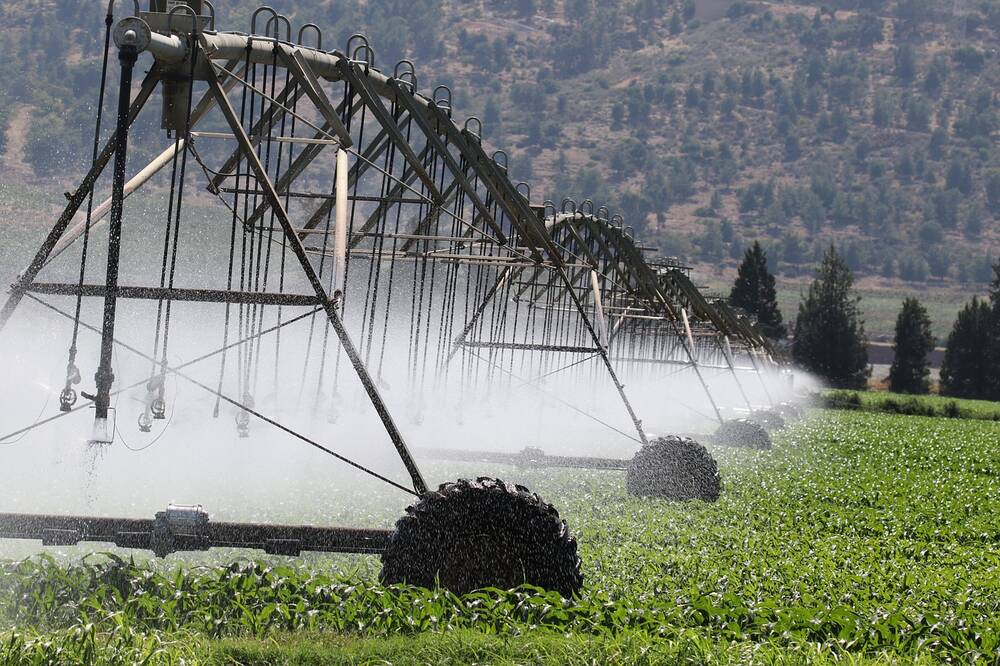
The irrigation method that wastes the most water is surface irrigation. This traditional method involves the application of water directly to the soil surface and relies on the natural gravitational flow to distribute water across the fields. Although surface irrigation is less expensive and relatively simple to implement, it tends to lead to significant water loss through evaporation, runoff, and deep percolation.
Water Loss Mechanisms in Surface Irrigation
Surface irrigation systems can lead to water loss through several mechanisms:
- Evaporation: Water exposed to the atmosphere can easily evaporate, resulting in substantial loss, especially in hot and dry climates.
- Runoff: Excess water that cannot be absorbed by the soil can flow away, leading to significant wastage.
- Deep Percolation: Water can seep below the root zone, making it unavailable for crops, thus wasting irrigation efforts.
Comparative Efficiency of Irrigation Methods
When compared to other irrigation techniques, surface irrigation often ranks the lowest in terms of efficiency:
- Drip irrigation: Delivers water directly to the plant roots, minimizing evaporation and runoff.
- Sprinkler irrigation: Distributes water in a more controlled manner, reducing surface runoff but still experiencing some evaporation losses.
- Subsurface irrigation: Water is applied below the soil surface, which greatly reduces evaporation and runoff compared to surface methods.
Environmental Impact of Water Wastage
The environmental impact of water wastage from surface irrigation is significant:
- Soil Degradation: Waterlogging and salinization can occur due to inefficient irrigation practices.
- Aquifer Depletion: Excessive water wastage can deplete local water sources, leading to sustainable resource issues.
- Reduced Crop Yields: Inefficiency in water use can result in suboptimal crop growth and agricultural productivity.
Improving Surface Irrigation Systems
There are several strategies to improve the efficiency of surface irrigation systems:
- Field Design: Designing fields with appropriate slopes helps in water distribution and minimizes runoff.
- Water Management: Implementing better timing and quantity control can reduce losses during application.
- Cover Crops: Adding cover crops helps retain moisture in the soil and minimizes evaporation.
Future of Irrigation Practices
As water scarcity becomes an increasingly pressing issue, the future of irrigation practices will likely shift towards more efficient methods:
- Technological Innovations: Advancements in technology will enhance irrigation efficiency through smart scheduling and monitoring systems.
- Policy and Regulation: Governments may introduce policies to promote water conservation practices among farmers.
- Sustainable Practices: Adoption of sustainable agricultural practices can help ensure water is used efficiently and responsibly.
Which type of irrigation wastes the least amount of water?
The type of irrigation that wastes the least amount of water is drip irrigation. This method delivers water directly to the root zone of plants through a network of valves, pipes, tubing, and emitters. This precision not only reduces evaporation and runoff but also ensures that plants receive the optimal amount of water for growth. Studies have shown that drip irrigation can significantly reduce water use by up to 50% compared to traditional irrigation methods such as flood or sprinkler systems.
Benefits of Drip Irrigation
Drip irrigation systems offer several advantages that contribute to their efficiency in water usage:
- Minimized Water Waste: By delivering water directly to the plant roots, evaporation and runoff are greatly reduced, ensuring that a higher percentage of water is used effectively.
- Targeted Irrigation: Water is delivered specifically where needed, which can improve plant health and yield.
- Reduced Weed Growth: Since water is only applied to the root zone, nearby weeds are less likely to receive moisture, helping to manage unwanted vegetation.
Comparative Water Usage
When comparing various irrigation types, the efficiency of drip irrigation becomes apparent.
- Sprinkler Irrigation: This method typically delivers water over a larger area, resulting in higher evaporation rates and potential runoff.
- Surface Irrigation: Although it can be effective, surface irrigation often leads to significant water losses due to over-application and inefficient distribution.
- Subsurface Irrigation: While better than surface methods, it can still be less efficient than drip irrigation because of potential difficulties in maintaining proper water levels.
Components of a Drip Irrigation System
A drip irrigation system comprises several critical components that work together to optimize water use:
- Emitters: These devices control the water flow and provide consistent moisture to the plants.
- Drip Tubing: Flexible tubing that transports water from the source to the emitters.
- Filters: Essential for preventing sediment buildup, ensuring that emitters do not clog.
Challenges and Maintenance
While drip irrigation is efficient, it also comes with challenges that require attention:
- Clogging: Emitters and filters can become clogged with dirt or algae, necessitating regular maintenance and cleaning.
- Initial Costs: The installation of a drip irrigation system can be more expensive compared to other irrigation methods, which may deter initial investment.
- Complexity: Designing and setting up a drip system can be more complex than simpler methods, requiring expertise.
Improvements in Drip Irrigation Technology
Recent advancements in technology continue to enhance the performance of drip irrigation systems:
- Smart Controllers: These devices can automatically adjust watering schedules based on weather conditions, maximizing efficiency.
- Pressure Regulation: New systems incorporate pressure regulators to ensure optimal operation across varying terrain.
- Soil Moisture Sensors: These sensors provide real-time data to adjust irrigation levels based on soil moisture, further conserving water.
Questions from Our Readers
What is the most wasteful irrigation system?
The most wasteful irrigation system is typically considered to be flood irrigation. This method involves covering a field with water and allowing it to flow over the entire area, leading to significant water loss through evaporation, runoff, and seepage, which can result in inefficient use of this precious resource.
Why is flood irrigation considered inefficient?
Flood irrigation is seen as inefficient primarily due to its tendency to overwater fields, which not only wastes water but can also lead to soil erosion and nutrient leaching. The lack of precise control over water application contributes to inequalities in water distribution across the field.
Are there more efficient alternatives to flood irrigation?
Yes, there are several more efficient alternatives, such as drip irrigation and sprinkler systems. These methods allow for a more targeted delivery of water directly to the plant roots, significantly reducing water wastage and enhancing crop yields through better moisture management.
What impact does inefficient irrigation have on the environment?
Inefficient irrigation practices, like flood irrigation, can lead to several negative environmental impacts, including water scarcity, soil degradation, and increased salinity in agricultural lands. Such effects can compromise ecosystems and threaten the sustainability of agriculture in the long term.

If you want to read more articles like What is the Most Wasteful Irrigation System? Discover the Inefficiencies and Solutions, we recommend you check out our Irrigation category.
Leave a Reply
Related Articles