Discovering What is the Most Useful Plant in the World? Unveiling Nature's Essential Resource
In a world increasingly reliant on natural resources, the quest to identify the most useful plant becomes a fascinating endeavor. Plants have been humanity's allies for millennia, providing food, medicine, and materials essential for survival and progress. This article aims to explore various candidates for the title of the most useful plant, examining their diverse applications and benefits. From nutritional powerhouses to medicinal wonders, we will unveil the critical roles these plants play in our daily lives. Join us as we delve into nature's essential resource and discover which plant truly stands out in the tapestry of life.
What is the Most Useful Plant in the World?
The most useful plant in the world is often considered to be the rice plant (Oryza sativa), which serves as a staple food for over half of the global population. With its adaptability to various growing conditions and its ability to provide essential carbohydrates, rice has become a cornerstone of diets in many cultures. Apart from its nutritional value, rice farming contributes significantly to the economy of many countries, providing employment and supporting rural communities. Its versatility also extends to various by-products, including rice bran oil and rice husk, which can be utilized in multiple industries, ranging from animal feed to biofuels. Hence, the rice plant's global significance cannot be overstated, as it plays a crucial role in mitigating food insecurity and sustaining livelihoods.
Nutritional Value of Rice
Rice is primarily composed of carbohydrates, which are essential for energy production in the human body. In addition to carbohydrates, rice also contains proteins, albeit in smaller amounts, and is often enriched with vitamins and minerals, such as vitamin B and iron. Different varieties of rice, such as brown rice, offer higher nutritional benefits due to their bran and germ content, providing dietary fiber and antioxidants that contribute to overall health.
Economic Importance of Rice Cultivation
The cultivation of rice is a major economic driver in many developing countries, especially in Asia, where it is a primary food source. It provides livelihoods for millions of farmers and workers in associated industries, like processing, distribution, and retail. The economic contributions of rice are significant, with billions of dollars generated through both domestic and international markets, highlighting its role in fostering economic stability and growth.
Cultural Significance of Rice
Rice holds immense cultural significance in many societies, often symbolizing prosperity and sustenance. In various cultures, rice is used in traditional ceremonies and festivals, signifying fertility and abundance. For instance, countries like India and Japan have deep-rooted practices and rituals centered around rice, emphasizing its importance beyond just nutrition to the social and cultural fabric of these communities.
Environmental Impact of Rice Farming
While rice farming is crucial for food security, it also has notable environmental impacts. Traditional rice cultivation can contribute to greenhouse gas emissions, particularly methane, due to waterlogged fields. However, practices like alternate wetting and drying are being implemented to reduce environmental footprints. Sustainable farming methods are essential to balance the need for rice production with the preservation of natural ecosystems and resources.
Utilization of Rice By-products
The by-products of rice production, such as rice husk, rice bran, and straw, have diverse applications beyond food. Rice husk can be used as a biomass fuel or in the production of silica, while rice bran is a valuable source of oil and dietary fiber. Additionally, rice straw can be utilized for animal bedding or as a raw material in biodegradable packaging, showcasing its potential to contribute to sustainability efforts.
| Aspect | Details |
|---|---|
| Nutritional Value | Rich in carbohydrates, provides some proteins and essential vitamins. |
| Economic Importance | Supports millions of livelihoods, a critical economic driver in developing countries. |
| Cultural Significance | Symbol of prosperity, integral to customs and rituals in various cultures. |
| Environmental Impact | Can contribute to greenhouse gas emissions; sustainable practices are necessary. |
| Utilization of By-products | Husk, bran, and straw used in various industries, promoting sustainability. |
What is the most useful plant on Earth?

The most useful plant on Earth is often considered to be the corn plant (Zea mays). Corn is one of the most versatile and widely cultivated crops globally, serving multiple purposes across various industries. Its importance spans from food products to industrial applications, making it indispensable in modern society.
1. Nutritional Value of Corn
Corn is a vital source of calories, carbohydrates, and essential nutrients. It is consumed directly by humans and is a staple food in many cultures. The nutritional profile of corn includes:
- Carbohydrates: Corn is rich in carbohydrates, which provide energy.
- Vitamins: It contains several vitamins, including B vitamins like thiamine, riboflavin, and niacin.
- Minerals: Corn supplies essential minerals such as magnesium, phosphorus, and potassium.
2. Economic Impact of Corn
Corn plays a significant role in the global economy. It is a major crop that contributes billions to various economies. Its economic importance can be highlighted in these aspects:
- Agricultural Output: Corn is a leading crop in many countries, yielding vast amounts that bolster agricultural sectors.
- Job Creation: The cultivation, processing, and distribution of corn create millions of jobs worldwide.
- Exports: Many countries rely on corn exports, contributing significantly to their economic growth.
3. Industrial Uses of Corn
Beyond its nutritional value, corn is utilized in numerous industrial applications. Its versatility allows it to be transformed into many products, including:
- Biofuels: Corn is a primary source of ethanol, a renewable fuel that reduces greenhouse gas emissions.
- Bioplastics: The starch derived from corn can be turned into biodegradable plastics.
- Food Additives: Corn products are widely used as sweeteners, thickeners, and emulsifiers in the food industry.
4. Environmental Impact of Corn
Corn cultivation has various environmental implications, both positive and negative. The influence of corn on the environment includes:
- Sustainable Practices: With proper management, corn can be grown sustainably, incorporating crop rotation and reduced tillage.
- Soil Health: Corn can contribute to improved soil health when integrated into crop rotation systems.
- Pesticide Use: However, the intensive farming of corn often requires significant pesticide use, leading to potential environmental concerns.
5. Cultural Significance of Corn
Corn is more than just a crop; it holds a deep cultural significance in many societies, especially in the Americas. Its importance manifests in various ways:
- Traditional Foods: Many cultures incorporate corn into their traditional diets, such as tortillas in Mexico and polenta in Italy.
- Ceremonial Uses: Corn plays a role in numerous cultural rituals and ceremonies, symbolizing fertility and sustenance.
- Folklore and Myths: Corn is often featured in folklore, representing growth, harvest, and community vitality.
What is 1 in the plant world?

In the plant world, the title of 1 can be subjective and may vary depending on the context in which it is considered. However, many experts often refer to the Brazilian rainforest as the most biodiverse and significant ecosystem in terms of plant diversity. The Brazilian rainforest houses a vast array of plant species, making it a critical area for studying plant ecology, conservation, and climate resilience.
The Importance of Biodiversity
Biodiversity is vital for maintaining healthy ecosystems, and the Brazilian rainforest exemplifies this. It is home to approximately 390 billion individual trees, comprising around 16,000 distinct species. The role of biodiversity can be summarized in the following points:
- Climate Regulation: Plants play a key role in sequestering carbon dioxide, thus regulating the global climate.
- Habitat Creation: Diverse plant species provide habitats for countless animal species, including insects, birds, and mammals.
- Soil Health: Various plants contribute to soil fertility and prevent erosion through their root systems.
Medicinal Plants and Their Benefits
The Brazilian rainforest is also known for its medicinal plants, many of which have not been studied yet. These plants contribute significantly to traditional medicine and modern pharmaceuticals. The key benefits include:
- Source of New Drugs: Many modern medicines have origins in plant compounds.
- Cultural Importance: Indigenous tribes use these plants in their traditional healing practices.
- Potential for Discoveries: The rainforest holds undiscovered species that may lead to breakthroughs in medicine.
Threats to the Brazilian Rainforest
Despite its significance, the Brazilian rainforest faces numerous threats that endanger its vast plant diversity. These threats include:
- Deforestation: Large-scale logging and agriculture lead to habitat destruction and loss of biodiversity.
- Climate Change: Altered weather patterns affect plant growth and distribution, posing risks to various species.
- Pollution: Contaminants and industrial activities degrade the ecosystem, impacting both plants and wildlife.
The Role of Conservation Efforts
Conservation efforts play a crucial role in preserving the Brazilian rainforest and its plant life. These initiatives include:
- Protected Areas: Establishing national parks and reserves helps safeguard critical habitats.
- Restoration Projects: Initiatives aimed at reforesting degraded areas contribute to restoring biodiversity.
- Community Involvement: Engaging local communities in conservation efforts empowers them and promotes sustainable practices.
The Future of Plant Diversity
The future of plant diversity in the Brazilian rainforest will depend greatly on ongoing research and conservation strategies. This involves:
- Scientific Research: Continuous studies are necessary to understand plant species and their ecological roles better.
- Global Cooperation: International agreements and partnerships can address critical issues like climate change and deforestation.
- Public Awareness: Raising awareness about the importance of plant diversity can lead to increased conservation efforts.
Which is the most beneficial plant?
Definition of Beneficial Plants
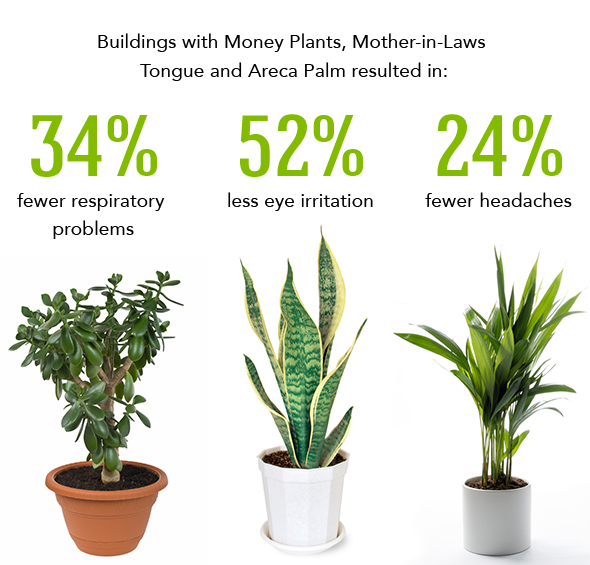
Beneficial plants are those that provide significant advantages to humans, wildlife, or the environment. These advantages can include medicinal properties, nutritional value, enhancement of soil health, or support for biodiversity. The definition can vary depending on cultural contexts and environmental needs. Here are some key features of beneficial plants:
- Medicinal Uses: Many plants possess healing properties that can treat various ailments.
- Nutritional Value: Certain plants are packed with vitamins and minerals essential for human health.
- Environmental Impact: Some plants improve soil quality and promote biodiversity.
The Importance of Aloe Vera
One of the most renowned beneficial plants is Aloe Vera, which is particularly famous for its skin healing properties. It has been used for centuries in various cultures for its medicinal benefits. Aloe Vera is often applied topically to soothe burns, cuts, and dry skin. Its gel-like substance contains vitamins, enzymes, and antioxidants that promote skin health. Additionally, it can be ingested for digestive benefits. Here are some of its key benefits:
- Hydration: Aloe Vera maintains skin moisture.
- Anti-inflammatory: Acts as a natural remedy for inflammation.
- Antioxidant Properties: Helps combat oxidative stress.
Herbs for Health: Basil
Basil is another highly beneficial plant that is utilized both as a culinary herb and for its health benefits. Known for its aromatic qualities, basil is rich in essential nutrients and has anti-inflammatory, antibacterial, and antiviral properties. It can be consumed fresh, dried, or in oil form. The health benefits of basil include:
- Rich in Antioxidants: Basil contains flavonoids that protect the body from free radicals.
- Supports Digestion: Basil helps improve digestive disorders.
- Enhances Mood: The aroma of basil can help reduce stress and anxiety.
The Role of Turmeric in Wellness
Turmeric is well-known for its vibrant orange color and its active compound, curcumin, which has been extensively studied for its health benefits. Turmeric is recognized for its potent anti-inflammatory and antioxidant effects. This plant is commonly used in cooking and as a dietary supplement. The benefits of turmeric include:
- Anti-inflammatory Effects: Turmeric may help relieve arthritis symptoms.
- Cognitive Benefits: Can enhance brain function and reduce the risk of brain diseases.
- Heart Health: Supports cardiovascular health by improving endothelial function.
Benefits of Green Tea
Green Tea, derived from the leaves of the Camellia sinensis plant, is celebrated for its numerous health benefits. Rich in antioxidants, particularly catechins, green tea has been linked to various health improvements, such as weight loss and enhanced metabolic rate. Here are some reasons why green tea is considered beneficial:
- Weight Management: Helps in fat burning and improving metabolic rate.
- Heart Disease Prevention: May lower cholesterol levels and improve overall heart health.
- Enhanced Mental Clarity: The combination of caffeine and L-theanine can improve brain function.
Conclusion: The Versatile Nature of Plants
Different plants offer various benefits, and selecting the most beneficial plant can depend on individual needs and context. Plants like Aloe Vera, Basil, Turmeric, and Green Tea each provide unique advantages that contribute to health and well-being. Their diverse properties allow them to play vital roles in our diets, medicinal practices, and environmental health.
What is the world's most important plant?
The most important plant in the world can be argued to be rice. As a staple food for over half of the global population, rice is fundamental for food security and sustenance in many countries, particularly in Asia. It is not just a source of energy but also contributes significantly to the livelihood of millions of farmers and their families. The cultivation and consumption of rice span back thousands of years, making it an integral part of various cultures and economies.
The Role of Rice in Global Food Security
Rice plays a crucial role in ensuring food security for billions of people. It is the primary source of calories for more than 3 billion individuals worldwide. Rice is particularly vital in regions where other food sources may not be as abundant.
- It serves as a main dish in many cultures, being readily available and inexpensive.
- Rice cultivation supports local economies and provides employment opportunities.
- In many regions, rice can be grown in diverse environments, helping to adapt to changing climates.
The Economic Impact of Rice Cultivation
The economic impact of rice is profound, especially in developing countries. It is not only a vital food source but also a significant cash crop. The global rice market is worth billions of dollars, influencing agricultural policies and trade relationships.
- Rice farming provides sustainable livelihoods for millions of farmers worldwide.
- The trade of rice strengthens economies and contributes significantly to the GDP of rice-producing nations.
- Innovations in rice production enhance productivity and sustainability, further boosting economic viability.
The Cultural Significance of Rice
Rice is imbued with cultural significance around the world. It features prominently in traditions, rituals, and daily practices, symbolizing prosperity and fertility in many cultures.
- Rice is featured in numerous traditional dishes that reflect local culinary practices.
- Cultural festivals often celebrate the rice harvest, highlighting its importance to the community.
- In many cultures, rice is used in religious ceremonies and offerings, signifying blessings and sustenance.
Challenges Facing Rice Production
Despite its importance, rice production faces several challenges that threaten its sustainability. Climate change, fluctuating markets, and resource depletion are some pressing issues that need to be addressed.
- Changing weather patterns affect crop yields and may lead to increased pest and disease prevalence.
- Water scarcity poses a significant challenge, as rice is predominantly grown in water-intensive systems.
- Economic fluctuations and international trade policies can disrupt local rice markets and farmer incomes.
Future of Rice in Sustainable Agriculture
The future of rice as a key agricultural product lies in sustainable practices that ensure food security while protecting the environment. Innovations in agricultural techniques aim to create efficiencies and reduce environmental impact.
- Adopting methods such as alternate wetting and drying can significantly reduce water usage.
- Integrating rice cultivation with other crops promotes biodiversity and enhances soil health.
- Research into drought-resistant rice varieties prepares agricultural systems for the challenges of climate change.
Questions from Our Readers
What is the most useful plant in the world?
The most useful plant in the world is often considered to be bamboo. It is incredibly versatile, used in construction, furniture, and even in making paper. Bamboo grows rapidly, making it a sustainable choice for various applications, and it also has a significant role in carbon sequestration, helping to combat climate change.
What are the benefits of the most useful plant?
The benefits of the most useful plants, such as bamboo, include their ability to provide shelter, food, and raw materials for many industries. They can improve soil health, prevent erosion, and even provide habitats for wildlife. Additionally, some plants, like aloe vera or lavender, are recognized for their medicinal properties.
How does the most useful plant contribute to sustainability?
The most useful plant, particularly bamboo, contributes to sustainability through its low environmental impact and rapid growth rates. It requires minimal pesticides or fertilizers, making it an eco-friendly material choice. Bamboo can be harvested without causing damage to the plant itself, allowing for a continuous supply that supports both economic growth and environmental health.
Can the most useful plant be used in daily life?
Yes, the most useful plants, especially bamboo, can be integrated into daily life in various ways, such as in the form of utensils, clothing, and even toothbrushes. Many people use plants like aloe vera for skin care and herbs for cooking, enhancing both health and flavor in everyday meals.

If you want to read more articles like Discovering What is the Most Useful Plant in the World? Unveiling Nature's Essential Resource, we recommend you check out our Seeds category.
Leave a Reply
Related Articles