What is the most used fertilizer in the world? A Comprehensive Guide to Global Fertilizer Use

Fertilizers play a crucial role in modern agriculture, providing essential nutrients that help crops thrive and ensuring food security for the growing global population. Among the myriad of fertilizers available, one stands out as the most widely used across the planet. This comprehensive guide delves into the most utilized fertilizer globally, exploring its composition, application methods, and impact on both crop yield and the environment. By understanding the prevalence and significance of this fertilizer, farmers, policymakers, and consumers can make informed decisions that support sustainable agricultural practices and enhance food production. Discover the details behind the world's most popular fertilizer.
What is the Most Used Fertilizer in the World?
The most used fertilizer in the world is urea, a nitrogen-rich compound that enhances the growth of crops by providing essential nutrients. Urea is favored due to its high nitrogen content (approximately 46% by weight), making it extremely effective for promoting healthy plant development and maximizing agricultural yields. In many regions, especially in Asia and North America, urea is applied widely in various forms, including granules, prills, and solution forms. Its accessibility and cost-effectiveness contribute to its popularity among farmers aiming to improve soil fertility and crop production, catering to the growing demand for food in a rapidly increasing global population.
The Composition of Urea
Urea is a nitrogenous compound with the chemical formula CO(N)2, which means it contains one carbon atom, one oxygen atom, and two amine groups. Its structure allows for efficient nitrogen release when applied to the soil, promoting easy absorption by plant roots. The high solubility of urea in water is another reason for its widespread use, as it can be quickly utilized by crops, ensuring that plants receive the necessary nutrients promptly.
Global Production of Urea
The global production of urea has seen significant growth over the years, with major producers including countries like China, India, and the United States. The vast production facilities convert natural gas into ammonia, which is then transformed into urea. This synthesis process plays a crucial role in meeting the increasing agricultural demand, as populations rise and the need for improved agricultural productivity intensifies.
Application Methods of Urea Fertilizer
Farmers utilize various application methods for urea fertilizer, including broadcasting, banding, and fertigation. In broadcasting, urea is spread evenly over the crop area, while banding involves placing it in concentrated bands near the plant roots. Fertigation combines fertilizer application with irrigation, allowing for direct delivery of nutrients to crops through the irrigation system, which can lead to improved efficiency and reduced losses due to volatilization.
Impact on Crop Yields
The use of urea has a direct impact on crop yields, enhancing both quantity and quality. Studies have shown that appropriate application rates of urea can increase productivity significantly, providing essential nitrogen that plants require for processes such as photosynthesis and growth. Consequently, the enhanced yield from urea applications helps farmers sustain their livelihoods while contributing to global food security.
Environmental Considerations
While urea is beneficial for crop production, its use also raises environmental concerns. Excessive use can lead to soil and water pollution through runoff, resulting in eutrophication in aquatic systems. Additionally, the volatilization of ammonia from urea can increase atmospheric nitrogen levels, contributing to air quality issues. Therefore, it is crucial for agricultural practices to balance urea application with sustainable methodologies to minimize environmental impacts.
| Fertilizer Type | Nitrogen Content (%) | Typical Use |
|---|---|---|
| Urea | 46 | Widely used in crop cultivation |
| Ammonium Nitrate | 34-35 | Used for rapid absorption |
| Calcium Nitrate | 15.5 | Used in controlled environments |
| UAN (Urea Ammonium Nitrate) | 28-32 | Fertigation applications |
| Ammonium Sulfate | 21 | Used for specific soil needs |
What is the most commonly used fertilizer in the world?

The most commonly used fertilizer in the world is urea. Urea is a synthetic nitrogen fertilizer that is widely applied in agriculture due to its high nitrogen content, which is essential for plant growth. It is favored by farmers around the globe because of its effectiveness, ease of handling, and cost-effectiveness compared to other types of fertilizers. Its chemical formula is CO(N)2, and it contains approximately 46% nitrogen by weight, making it one of the most concentrated nitrogen fertilizers available.
Urea Production Process
The production of urea involves the reaction between ammonia and carbon dioxide. This process occurs in several stages:
- Ammonia production: First, ammonia is produced using the Haber process, where nitrogen from the air is combined with hydrogen from natural gas.
- Carbon dioxide sourcing: Carbon dioxide is generated as a byproduct from various industrial processes, such as from ammonia production.
- Urea synthesis: Finally, the ammonia and carbon dioxide react under high pressure and temperature to form urea crystals.
Global Urea Application
Urea is primarily used to enhance the growth of various crops. Its application spans across different agricultural practices:
- Cereal crops: Urea is crucial for the growth of wheat, rice, and corn, providing the necessary nutrients for high yields.
- Commercial farming: Many large-scale agricultural operations rely on urea for its efficiency and quick release of nitrogen into the soil.
- Horticultural uses: Urea is also used in gardens and landscape maintenance, where plants require nitrogen-rich fertilizers for optimal growth.
Benefits of Urea Fertilizer
The use of urea brings several benefits to agricultural practices:
- High nitrogen content: Urea's high concentration allows farmers to use less product while still achieving effective results.
- Cost-effective: Compared to other nitrogen fertilizers, urea is generally more affordable, making it accessible for a wider range of farmers.
- Versatile application: Urea can be applied in various forms, including granules and liquid solutions, catering to different crop needs.
Environmental Impact of Urea Use
While urea is effective, its use can also have negative environmental effects:
See also:
- Nitrogen leaching: Excess application can lead to nitrogen leaching into waterways, contributing to water pollution and eutrophication.
- Greenhouse gas emissions: The use of urea can result in nitrous oxide emissions, a potent greenhouse gas that affects climate change.
- Soil health: Over-reliance on urea can disrupt soil microbiomes and decrease biodiversity in soil ecosystems.
Alternatives to Urea Fertilizer
Farmers are exploring several alternatives to reduce dependence on urea:
- Organic fertilizers: Products like compost and manure provide nutrients while improving soil health.
- Slow-release fertilizers: These fertilizers release nutrients gradually, minimizing leaching and providing a more steady supply of nitrogen.
- Integrated nutrient management: Combining chemical fertilizers with organic amendments offers a balanced approach to fertilization and sustainability.
What are the top 3 fertilizers?

The top three fertilizers widely recognized for their effectiveness in enhancing plant growth and soil quality are:
1. Nitrogen Fertilizers
2. Phosphate Fertilizers
3. Potassium Fertilizers
Understanding Nitrogen Fertilizers
Nitrogen fertilizers are essential for promoting vegetative growth in plants. They primarily provide nitrogen, which is a crucial component of chlorophyll, thus influencing photosynthesis. These fertilizers come in various forms, including urea, ammonium nitrate, and ammonium sulfate. Proper application boosts crop yields significantly.
- Urea: Soluble and high in nitrogen content, making it highly effective.
- Ammonium Sulfate: Provides both nitrogen and sulfur; granulated form is convenient for use.
- Calcium Nitrate: Supplies both calcium and nitrogen, beneficial for fruit development.
The Importance of Phosphate Fertilizers
Phosphate fertilizers are vital for root development and flower formation. They typically contain phosphorus in forms like monoammonium phosphate (MAP) or diammonium phosphate (DAP). These fertilizers help plants attain energy transfer and enhance overall plant health.
- Monoammonium Phosphate: Highly soluble, used for quick uptake by plants.
- Diammonium Phosphate: Contains both nitrogen and phosphorus, promoting balanced growth.
- Superphosphate: A less soluble option that improves soil phosphorus levels over time.
Role of Potassium Fertilizers
Potassium fertilizers are crucial for water regulation and enzyme activation in plants. They improve disease resistance and enhance fruit quality. Common forms include potassium chloride and potassium sulfate. Adequate levels of potassium lead to stronger, more resilient plants.
- Potassium Chloride: The most commonly used potassium fertilizer, widely available and cost-effective.
- Potassium Sulfate: Provides both potassium and sulfur, improving the quality of certain crops.
- Potassium Nitrate: Supplies potassium and nitrogen, ideal for leafy greens.
Effective Application of Fertilizers
To achieve the best results from fertilizers, understanding their application methods is crucial. Different crops and soils may require specific techniques to maximize nutrient uptake.
- Broadcasting: Evenly spreading fertilizers over the soil surface.
- Banding: Placing fertilizers in bands close to the plant roots, allowing for better absorption.
- Foliar Feeding: Applying fertilizers directly to leaf surfaces for quick nutrient uptake.
Environmental Considerations with Fertilizer Use
While fertilizers boost productivity, environmental impacts must be considered. Runoff from over-application can lead to nutrient pollution in waterways, causing harm to aquatic ecosystems.
- Integrated Nutrient Management: Combining organic and inorganic fertilizers to minimize environmental impact.
- Soil Testing: Regular testing helps determine the right amount and type of fertilizer needed.
- Controlled-Release Fertilizers: These reduce leaching and provide nutrients over an extended period.
What is the king of fertilizer?
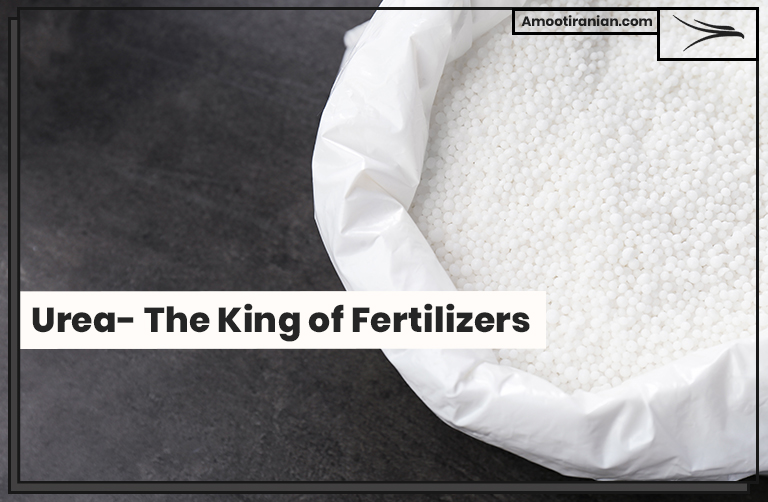
The term king of fertilizers is commonly attributed to urea, a nitrogen-rich compound that serves as a vital nutrient source for plants. Urea is favored in agriculture due to its high nitrogen content, versatility, and cost-effectiveness. As a synthetic fertilizer, it provides a concentrated form of nitrogen in a stable and easily accessible manner, promoting healthy plant growth and maximizing agricultural yields.
What Makes Urea Special?
Urea contains around 46% nitrogen, making it one of the most concentrated nitrogenous fertilizers available. This high percentage means that farmers can apply less product by weight compared to other nitrogen sources. Some key aspects that make urea unique include:
- Efficient absorption: Plants absorb nitrogen from urea quickly, leading to rapid growth.
- Cost-effectiveness: Urea is often cheaper on a per-pound nitrogen basis than other nitrogen fertilizers.
- Low volatility: When properly applied, urea has a lower risk of nitrogen loss compared to other nitrogen fertilizers.
Application Methods of Urea
There are several ways urea can be applied to crops, each with its advantages and specific use scenarios. The most common application methods include:
See also:
- Broadcasting: This method involves spreading urea evenly over the soil surface.
- Banding: Urea can be placed in bands near the root zone of plants to reduce volatilization losses.
- Foliar application: In certain cases, urea can be sprayed directly onto leaves, providing immediate nitrogen uptake.
Environmental Considerations
While urea is effective as a fertilizer, its use does raise some environmental concerns. Important issues include:
- Leaching: Excess urea can leach into groundwater, contributing to pollution.
- Volatilization: If not applied carefully, urea can release ammonia into the atmosphere.
- Impact on soil health: Over-reliance on synthetic fertilizers can degrade soil quality over time.
Alternatives to Urea
Though urea is known as the king of fertilizers, there are alternative options that farmers may consider depending on specific needs and conditions. These alternatives include:
- Ammomium nitrate: Another high-nitrogen fertilizer, it is less volatile than urea.
- Organic fertilizers: Such as compost or manure, they offer nutrients while enhancing soil health.
- Slow-release fertilizers: These provide nutrients over an extended period, reducing the risk of leaching.
Future of Fertilizer Use
As agricultural practices evolve, the formulation and use of urea and other fertilizers are likely to undergo significant changes. Key trends include:
- Innovation in formulations: Developing more efficient urea formulations that reduce environmental impact.
- Precision agriculture: Using technology to apply fertilizers in a more targeted manner to minimize waste.
- Integrated nutrient management: Combining synthetic and organic fertilizers for a balanced nutrient supply.
What are the big three fertilizers?
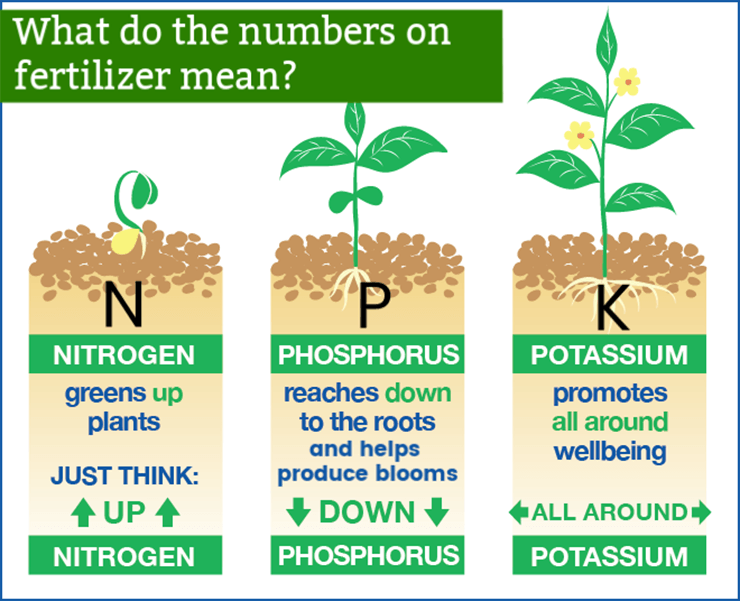
The big three fertilizers, commonly referred to as NPK fertilizers, are essential for enhancing soil fertility and improving crop yields. These fertilizers are comprised of three key nutrients: nitrogen (N), phosphorus (P), and potassium (K). Each of these nutrients plays a unique role in plant growth and development.
The Role of Nitrogen in Fertilizers
Nitrogen is a vital nutrient for plants, playing a crucial role in their growth and development. It is an essential component of amino acids, which are the building blocks of proteins. Additionally, nitrogen is key in the formation of chlorophyll, the molecule that carries out photosynthesis.
- Promotes Leaf Growth: Nitrogen encourages lush, green foliage, making it fundamental for leafy vegetables.
- Enhances Protein Production: Adequate nitrogen levels are necessary for the synthesis of proteins, which are critical for plant structure and function.
- Increases Crop Yields: Sufficient nitrogen leads to improved overall yields as plants can grow more vigorously.
The Importance of Phosphorus in Fertilizers
Phosphorus is crucial for energy transfer within plants and is involved in several key processes. It contributes to root development, flowering, and seed production, making it essential for both vegetative growth and reproductive success.
- Promotes Root Development: Phosphorus encourages deep root systems, which help plants access water and nutrients more effectively.
- Facilitates Flower and Seed Production: This nutrient is critical for the flowering process, leading to better fruit and seed yields.
- Supports Overall Plant Energy: Phosphorus is a key component of ATP (adenosine triphosphate), the energy currency of cells.
The Role of Potassium in Fertilizers
Potassium is another essential nutrient that supports a wide range of functions in plants. It plays a crucial role in regulating various physiological processes and is vital for overall plant health.
- Enhances Disease Resistance: Potassium helps strengthen plant cell walls, making them more resistant to diseases and pests.
- Regulates Water Use: This nutrient aids in the regulation of transpiration and water retention, helping plants withstand drought conditions.
- Improves Quality of Crops: Adequate potassium levels enhance the size, taste, and nutritional quality of fruits and vegetables.
Application of NPK Fertilizers
Applying NPK fertilizers is a critical component of modern agriculture. Understanding the right ratios and application methods is essential for maximizing effectiveness and minimizing environmental impact.
- Soil Testing: Conduct soil tests to determine nutrient deficiencies and apply the appropriate NPK ratios.
- Timing of Application: Apply fertilizers at key growth stages to enhance nutrient uptake and effectiveness.
- Organic vs. Synthetic: Consider the differences and benefits of organic versus synthetic NPK fertilizers.
Environmental Impact of NPK Fertilizers
While NPK fertilizers contribute significantly to agricultural productivity, they can also have adverse environmental effects if not used responsibly. It's essential to manage their application to minimize negative impacts.
- Nutrient Runoff: Excessive use can lead to nitrate and phosphate runoff, contaminating water supplies.
- Soil Degradation: Over-reliance on chemical fertilizers can deplete soil health and biodiversity.
- Greenhouse Gas Emissions: The production and use of synthetic fertilizers can contribute to greenhouse gas emissions.
Questions from Our Readers
What is the most widely used fertilizer in the world?
Urea is considered the most widely used fertilizer globally. It accounts for a significant portion of nitrogen fertilizer consumption among farmers due to its high nitrogen content and efficiency in promoting plant growth.
Why is urea so popular among farmers?
Farmers prefer urea because it is cost-effective, easy to handle, and has a high nitrogen content, which is essential for enhancing crop yields. Additionally, its versatility allows it to be used for various crops and soil types.
Are there any alternatives to urea?
Yes, there are several alternatives to urea, such as ammonium nitrate, ammonium sulfate, and organic fertilizers like compost and manure. Each alternative has its own benefits and considerations, depending on the specific agricultural needs.
See also:
What are the environmental impacts of using urea?
The use of urea can lead to environmental concerns, such as soil acidification and water contamination due to runoff. Proper application and management practices are crucial to minimize these negative impacts while benefiting crop production.

If you want to read more articles like What is the most used fertilizer in the world? A Comprehensive Guide to Global Fertilizer Use, we recommend you check out our Fertilise category.
Leave a Reply
Related Articles