What is the Most Toxic Plant to Dogs in Australia? Essential Guide for Pet Owners
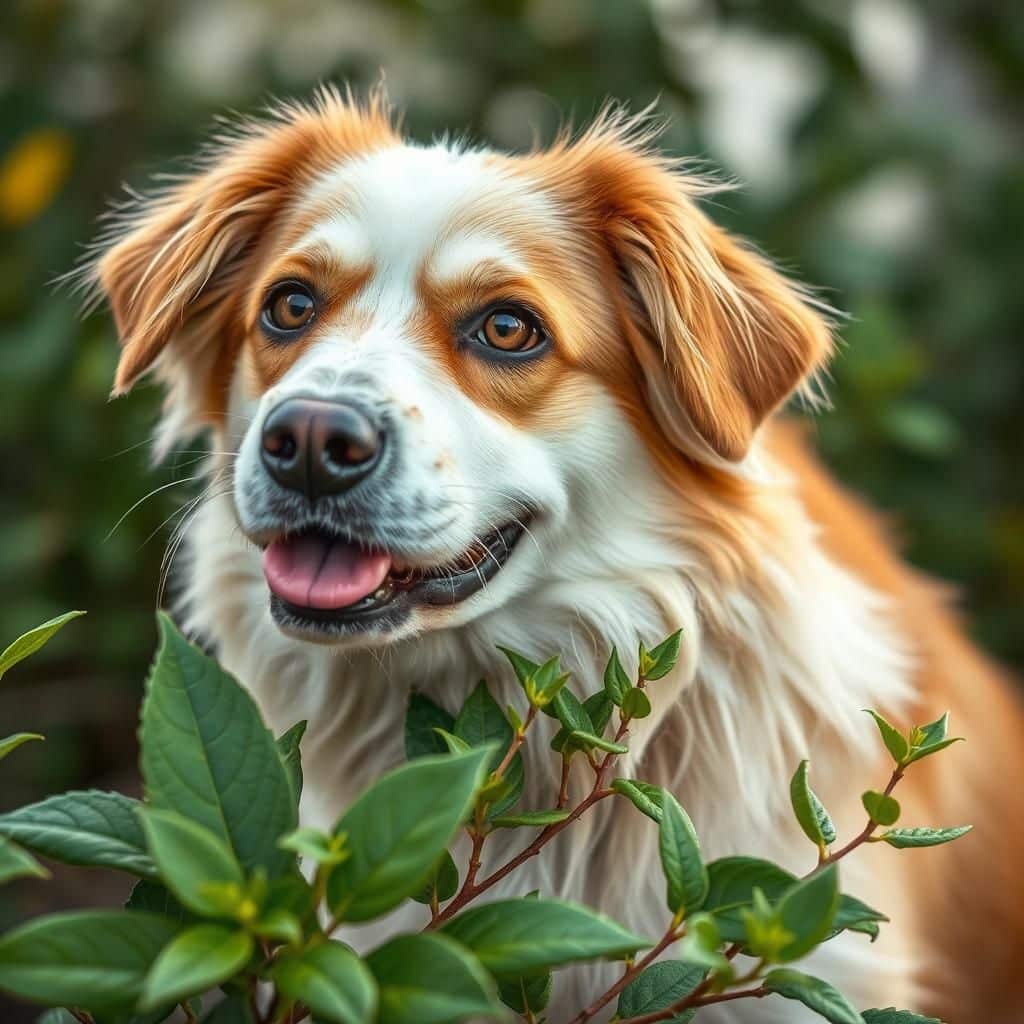
As a pet owner in Australia, ensuring the health and safety of your furry companion is a top priority. One crucial aspect of this responsibility is understanding the potential dangers posed by the plants in your environment. Among the myriad of flora, certain species can be extremely toxic to dogs, posing serious health risks. This essential guide aims to identify the most toxic plant to dogs in Australia, providing valuable information on its characteristics, symptoms of poisoning, and prevention strategies. By familiarizing yourself with these plants, you can help protect your beloved pet from harmful exposure.
What is the Most Toxic Plant to Dogs in Australia?
The most toxic plant to dogs in Australia is the oleander (Nerium oleander). This highly ornamental plant, often found in gardens and parks, contains toxic compounds called cardiac glycosides which can lead to severe health issues in dogs, including vomiting, diarrhea, and even fatal heart arrhythmias. Just a small ingestion can cause significant harm, and the plant is dangerous not only in foliage but also in all parts, including flowers and stems. Pet owners are advised to keep dogs away from oleander and seek immediate veterinary help if they suspect their dog has ingested any part of this plant.
Identification of Oleander
Oleander is easily identifiable by its long, narrow leaves and large, fragrant flowers that can be pink, red, white, or yellow. The leaves are dark green and can be leathery to the touch. The plant typically grows as a shrub or small tree, reaching heights of up to 3 meters (10 feet). Those who tend gardens should be particularly vigilant about identifying this plant to prevent accidental exposure to pets.
Symptoms of Oleander Poisoning
If a dog ingests oleander, symptoms may appear within hours and can include vomiting, diarrhea, lethargy, and abdominal pain. More severe reactions can include irregular heartbeats, tremors, or seizures. If a dog exhibits any of these symptoms, it's essential to seek veterinary assistance immediately, as prompt treatment can be critical for recovery.
Preventing Oleander Exposure
To prevent exposure to oleander, it's important for pet owners to identify the plant in their surroundings and remove it if possible. Additionally, when visiting public spaces or parks, pet owners should keep a close eye on their dogs to ensure they do not eat any parts of oleander plants. Creating a safe outdoor environment and educating oneself about local flora can significantly reduce the risk of toxicity.
See also:
Treatment for Oleander Poisoning
If ingestion occurs, immediate treatment is crucial. Treatment often involves inducing vomiting to prevent further absorption of the toxins, followed by supportive care which may include IV fluids and medications to stabilize heart function. The prognosis largely depends on the amount ingested and the promptness of treatment. Veterinary intervention is necessary, as accidental poisoning can be life-threatening.
Other Toxic Plants to Dogs in Australia
While oleander is the most notable, several other plants can be toxic to dogs in Australia. These include sago palm, bluebell, and castor bean plant. Each of these plants can cause various health issues, from gastrointestinal distress to more severe reactions like liver failure. Awareness of these plants helps in creating a safer habitat for pets.
| Plant | Toxicity Level | Symptoms |
|---|---|---|
| Oleander | High | Vomiting, diarrhea, heart arrhythmias |
| Sago Palm | High | Liver failure, vomiting, seizures |
| Bluebell | Moderate | Vomiting, diarrhea, lethargy |
| Castor Bean Plant | High | Severe abdominal pain, nausea, dehydration |
| Foxglove | High | Heart issues, vomiting, salivation |
Identifying the Most Dangerous Plants for Canines in Australia
In Australia, pet owners must be vigilant about the plants within their homes and gardens that can be harmful to dogs. One of the most toxic plants is the Sago Palm (Cycas revoluta), which contains a toxin called cycasin that can cause severe liver damage and, in some cases, can be fatal. Symptoms of exposure include vomiting, diarrhea, and jaundice. Given the popularity of ornamental plants, it's crucial to know how to identify them and take appropriate measures to protect our canine companions.
Common Symptoms of Plant Toxicity in Dogs
When dogs encounter toxic plants, they may exhibit a range of symptoms that vary in severity. The most common signs include vomiting, diarrhea, abdominal pain, and lethargy. Some dogs may also show signs of excessive drooling or tremors. If any of these symptoms are observed after potential plant exposure, it is essential to seek immediate veterinary attention, as prompt treatment can significantly improve outcomes.
Top Toxic Plants to Avoid in Australian Gardens
Beyond the Sago Palm, several other plants pose a risk to dogs in Australian gardens. Among these are the Azalea, which can cause vomiting and abdominal pain, and the Oleander, known for its cardiotoxic effects. Other harmful species include Macadamia nuts and castor bean plants, which can lead to serious neurological or gastrointestinal issues. Pet owners should familiarize themselves with these plants and consider their pet's safety when landscaping or decorating their homes.
See also:
Preventative Measures for Dog Owners
To safeguard your dog from exposure to toxic plants, it is vital to implement certain preventative measures. Start by conducting a thorough check of your home and garden for any potentially harmful plants. Consider replacing toxic species with dog-friendly alternatives, such as bamboo or African violets. Additionally, training your dog to avoid eating plants and supervising them during outdoor activities can help reduce the risk of accidental ingestion.
First Aid Steps if Your Dog Ingests a Toxic Plant
If you suspect your dog has ingested a toxic plant, time is of the essence. First, try to identify the plant responsible for the symptoms and remove any remaining pieces from your dog's reach. It is critical to contact your veterinarian or an emergency animal clinic immediately, as they may instruct you to induce vomiting if the ingestion occurred recently. Always have the plant's name and your dog's condition information ready to provide to your veterinary professional.
Resources and Support for Pet Owners
For pet owners seeking more information on plant toxicity, numerous resources exist to help. Organizations like the ASPCA and local veterinary clinics often provide comprehensive databases of plants toxic to pets. Additionally, many online communities and forums allow pet owners to share their experiences and gather insights about safe practices for pet care. Engaging with these resources can empower you to make informed decisions regarding your dog's safety and well-being.
Questions from Our Readers
What is the most toxic plant to dogs in Australia?
The most toxic plant to dogs in Australia is the Sago Palm. All parts of this plant, especially the seeds and leaves, contain toxins called cycasin, which can lead to severe liver failure and even death in dogs if ingested.
What are the symptoms of Sago Palm ingestion in dogs?
Symptoms of Sago Palm ingestion in dogs can include vomiting, diarrhea, lethargy, and abdominal pain. If a dog shows any of these symptoms after potential ingestion, it is crucial to seek immediate veterinary care.
See also:
How can I prevent my dog from eating toxic plants?
To prevent your dog from eating toxic plants, you should remove any known toxic plants from your yard and ensure your dog is supervised when outside. Additionally, training your dog to leave plants alone can help reduce the risk of ingestion.
What should I do if my dog eats a toxic plant?
If your dog eats a toxic plant, it is important to contact your veterinarian immediately. They may advise you to induce vomiting, bring the dog in for treatment, or monitor for symptoms based on the specific plant ingested.

If you want to read more articles like What is the Most Toxic Plant to Dogs in Australia? Essential Guide for Pet Owners, we recommend you check out our Weeds category.
Leave a Reply
Related Articles