What is the most successful type of flowering plant? Discover the Top Contenders and Their Unique Traits

Flowering plants, or angiosperms, represent the most diverse and successful group in the plant kingdom, captivating botanists and horticulturists alike. With over 300,000 species, these plants play vital roles in ecosystems, providing food, shelter, and oxygen. However, not all flowering plants achieve equal success; certain families and species have adapted remarkably well to their environments, demonstrating unique traits that contribute to their flourishing. In this article, we will explore the top contenders among flowering plants, highlighting their exceptional characteristics, ecological significance, and the reasons behind their triumph over time. Join us as we delve into the fascinating world of successful flowering plants.
Understanding the Most Successful Type of Flowering Plant
The most successful type of flowering plant can be considered the angiosperms, which account for around 80% of all known plant species. These plants are characterized by their ability to produce flowers and seeds enclosed within a fruit, allowing for a highly efficient reproductive strategy. Angiosperms have adapted to a variety of environments, from tropical rainforests to arid deserts, and their diverse adaptations include intricate relationships with pollinators and other organisms. This adaptability, coupled with their efficient methods of seed dispersal, has led to their dominant presence in various ecosystems across the globe.
Defining Angiosperms
Angiosperms, also known as flowering plants, are plants that produce flowers and fruit. They represent a vast group of plants that include herbs, shrubs, and trees, showcasing an incredible diversity in size, shape, and ecological role. Their reproductive structures attract a variety of pollinators, which enhances genetic diversity and increases the likelihood of successful reproduction.
Adaptations for Success
The success of angiosperms is largely attributed to their adaptations to diverse environments. Features such as vascular tissues, which efficiently transport water and nutrients, and variations in leaf structure optimize photosynthesis. Additionally, many angiosperms have developed strategies for coping with environmental stresses, including drought and poor soil conditions, which further supports their proliferation in various habitats.
Pollination Strategies
Angiosperms utilize a wide array of pollination strategies that significantly contribute to their success. These strategies include biological methods involving insects, birds, and mammals, as well as abiotic methods like wind and water. The mutually beneficial relationships formed with these pollinators enhance reproductive success and ensure the continuation of diverse genotypes within their populations.
Seed Dispersal Mechanisms
The methods of seed dispersal employed by angiosperms greatly enhance their ability to colonize new environments. Techniques range from barochory (gravity), anemochory (wind), to zoochory (animal-mediated). These mechanisms not only aid in spreading seeds over large areas but also facilitate the establishment of plants in various ecological niches, contributing to their overall success.
Impact on Ecosystems
Angiosperms play a crucial role in their ecosystems by contributing to biodiversity, providing habitat and food resources for a myriad of organisms. They are essential in shaping soil formation, maintaining water cycles, and helping to regulate atmospheric conditions. As primary producers, angiosperms are foundational to the food web, highlighting their importance in sustaining ecological balance.
| Characteristic | Description |
|---|---|
| Reproductive Structures | Flowers and fruits that facilitate reproduction and seed protection. |
| Species Diversity | Approximately 300,000 species of angiosperms are known worldwide. |
| Habitat Adaptability | Angiosperms thrive in diverse habitats, including forests, grasslands, and deserts. |
| Ecological Importance | They are key contributors to food webs and ecosystem stability. |
| Pollination | Involves various agents, enhancing genetic diversity through cross-pollination. |
What is the most successful flower plant?

The most successful flower plant, in terms of global cultivation and popularity, is the rose (Rosa). Roses are celebrated not only for their beauty and enchanting fragrance but also for their versatility in various environments, making them favored among gardeners and florists alike. Their adaptability to different climates, ease of propagation, and wide variety of species and hybrids contribute to their success.
Historical Significance of Roses
Roses have a profound historical significance, dating back thousands of years. They have been cherished in various cultures across the globe, symbolizing love, beauty, and art.
- Ancient Egypt: Roses were used in burial rituals and to adorn temples as offerings to the deities.
- Greek and Roman Cultures: They were associated with the goddess of love, Aphrodite, and played a role in various myths and art.
- Modern Symbolism: Today, they remain a universal symbol of love, especially associated with Valentine's Day and wedding ceremonies.
Diversity of Rose Species
The diversity of rose species is astounding, with over 300 species and thousands of hybrids available. Each variety presents unique characteristics that cater to various gardening needs and preferences.
- Hybrid Teas: Known for their long stems and large blooms, suitable for cutting and exhibition.
- Floribunda: Recognized for their clusters of flowers, providing a continuous bloom throughout the season.
- Climbing Roses: Ideal for trellises and walls, offering an elegant vertical display and abundant flowering.
Roses in Horticulture
In horticulture, roses are pivotal due to their extensive use in landscaping and ornamental gardening. Their ability to thrive in various conditions makes them a favored choice among gardeners.
- Versatile Planting: Roses can be grown in various settings, from containers to large garden beds.
- Seasonal Interest: They bloom in multiple seasons, enhancing the aesthetic value of gardens year-round.
- Environmental Adaptability: Different varieties are suited to varied climates, making them viable in many parts of the world.
Economic Impact of Roses
The economic impact of roses is significant, particularly in the floral industry. They contribute to both local and international economies through trade and cultivation.
See also:
- Floriculture and Commerce: Roses are one of the top-selling flowers globally, driving considerable revenue in the floral market.
- Employment: The cultivation and distribution of roses create numerous jobs in agriculture and floral design.
- Trade: Countries known for rose production, such as the Netherlands and Ecuador, export millions of flowers annually.
Cultural Influence of Roses
Roses have a powerful cultural influence, permeating literature, art, and traditions across civilizations. Their presence enhances cultural practices and artistic expression.
- Literature: Roses frequently appear in poetry and stories as metaphors for beauty and fleeting nature.
- Art: Many artists have depicted roses in paintings, symbolizing both beauty and complexity.
- Festivals: Various cultures host rose festivals, celebrating their beauty and significance, such as the Rose Parade in the United States.
What is the most profitable flower to grow and sell?
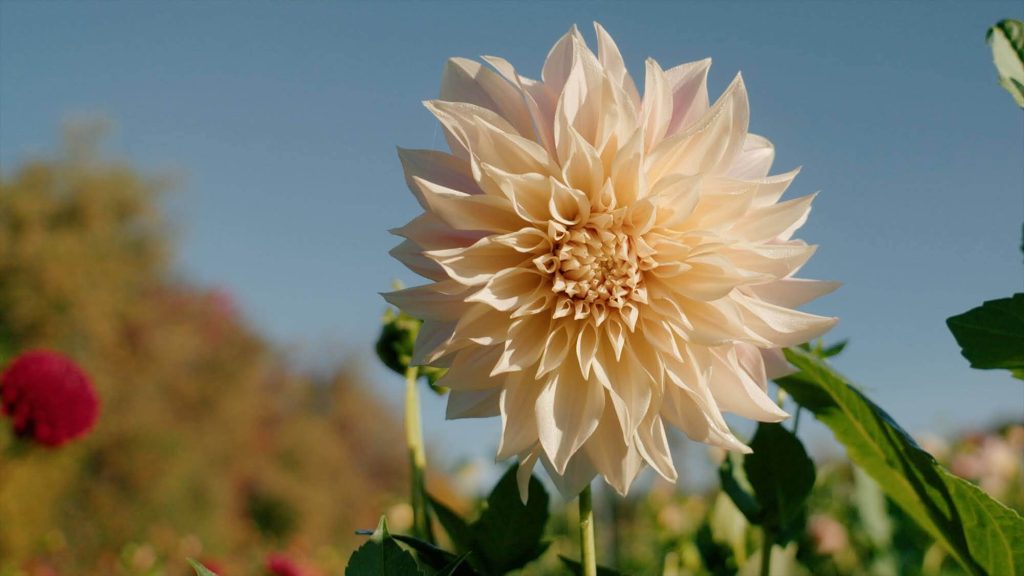
The most profitable flower to grow and sell is often considered to be the rose. Roses are popular worldwide for their beauty and are in high demand for various occasions such as weddings, anniversaries, and holidays. Their versatility, combined with a global market, makes them a lucrative option for growers. However, profitability can vary significantly based on various factors such as regional preferences, market trends, and growth conditions.
Factors Influencing Flower Profitability
The profitability of flower farming can fluctuate due to several key factors. These include:
- Market Demand: Understanding local and international demand is crucial. Flowers with seasonal spikes, like tulips in spring, can offer high returns.
- Growing Conditions: The climate, soil type, and water availability can significantly affect production quality and yield.
- Variety Selection: Some flower varieties fetch higher prices. For instance, exotic or rare flowers often have a premium market value.
Top Flowers for Profitability
In addition to roses, several other flowers are also known for their profitability. These include:
- Lilies: Particularly Oriental and Asiatic varieties, which are in high demand for floral arrangements and bouquets.
- Orchids: Known for their beauty and longevity, orchids can be notably profitable due to their appeal in homes and events.
- Sunflowers: These are popular for both their aesthetic value and as cut flowers, plus they have lower production costs.
Start-up Costs and Investment
Investing in flower farming requires an understanding of start-up costs, which can influence overall profitability. Consider the following:
- Land Acquisition: The cost of land can vary dramatically depending on location, affecting long-term viability.
- Equipment: Growing flowers may require significant investment in tools, irrigation systems, and transportation.
- Labor Costs: Hiring skilled labor for planting, maintaining, and harvesting flowers can impact profitability.
Marketing Strategies for Flower Sales
Establishing effective marketing strategies is crucial for selling flowers profitably. Key strategies include:
- Online Presence: Building a website and utilizing social media for promotions can reach a broader audience and increase sales.
- Local Partnerships: Collaborating with local florists and event planners can create steady demand for your flowers.
- Farmers' Markets: Selling directly to consumers at local markets can improve profit margins by cutting out the middleman.
Sustainability in Flower Farming
In today's market, sustainability practices can also enhance profitability. Consider the following initiatives:
- Organic Farming: Growing flowers organically can attract a premium price and appeal to a growing market of environmentally conscious consumers.
- Water Conservation: Implementing efficient irrigation systems can reduce costs and improve sustainability.
- Community Engagement: Building relationships with customers through local events and educational workshops can boost sales.
What is the most profitable plant to plant?
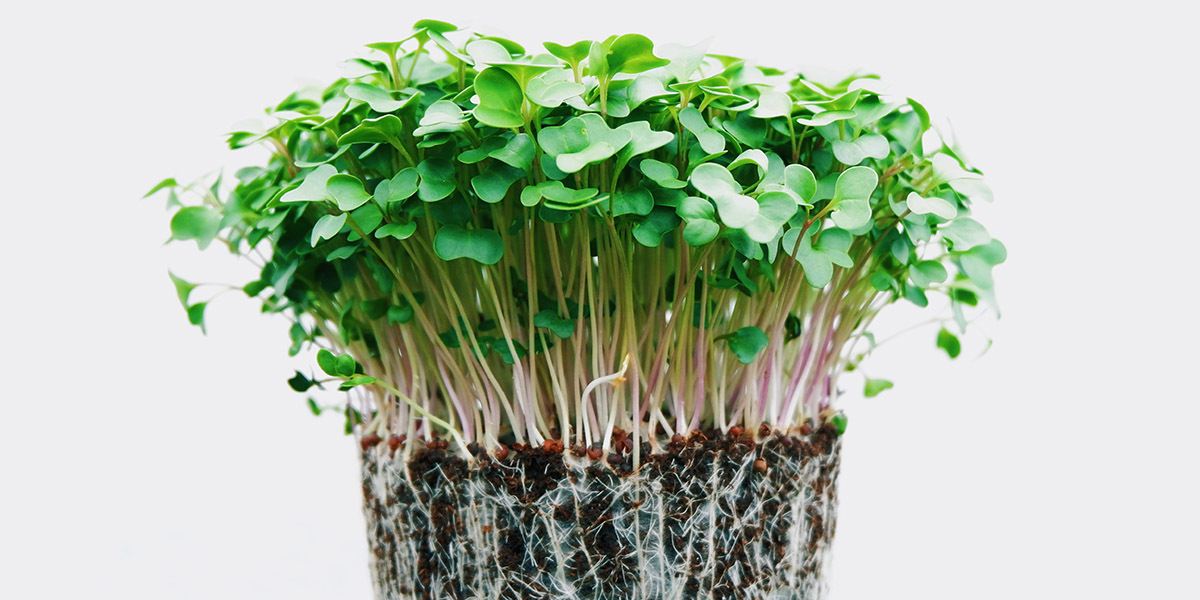
The most profitable plant to plant can vary depending on factors such as region, climate, market demand, and growth conditions. However, one of the leading contenders in many cases is the medicinal herb known as Lavender. It is sought after for its essential oils, culinary uses, and cosmetics, making it highly lucrative.
Market Demand for Lavender
The market demand for lavender has increased significantly over the years, driven by its popularity in aromatherapy, natural remedies, and personal care products. This has led to a surge in both domestic and international markets for lavender-based goods.
- Essential Oils: Lavender oil is renowned for its calming properties and is widely used in the aromatherapy industry.
- Culinary Uses: Lavender can be used in culinary applications, such as baked goods and culinary blends.
- Cosmetics: Many skincare brands incorporate lavender for its fragrance and therapeutic properties.
Growth Requirements for Lavender
Lavender is particularly hardy and can thrive in environments that may not be suitable for other crops, making it an appealing choice for many growers.
- Soil Conditions: Lavender prefers well-drained soil with a pH between 6.5 and 7.5.
- Climate: Mediterranean climates with hot, dry summers and mild winters are ideal for lavender growth.
- Watering: Once established, lavender is drought-resistant, requiring minimal irrigation compared to other crops.
Initial Investment and Maintenance
The initial investment in lavender cultivation can be quite reasonable compared to other cash crops, especially considering its long-term profitability.
See also:
- Planting Costs: The cost of purchasing lavender plants or seeds can be low, depending on the variety.
- Maintenance: Lavender requires less intensive maintenance once established, reducing labor costs.
- Harvesting: The harvest is usually done during peak bloom, which makes it a quick turnover crop.
Potential for Value-Added Products
Another reason why lavender is particularly profitable is the potential for creating value-added products that can significantly increase revenue.
- Crafting Products: Farmers can create sachets, soaps, and candles that utilize lavender.
- Cooking Products: Lavender-infused syrups, teas, and spice blends can tap into niche markets.
- Workshops: Offering workshops on lavender farming, distillation, or crafting can create alternate income streams.
Long-Term Sustainability of Lavender Farming
Lavender not only offers a promising return on investment, but it is also a relatively sustainable farming option, aiding in soil conservation and biodiversity.
- Pest Resistance: Lavender naturally deters many pests, reducing the need for chemical pesticides.
- Soil Health: It helps improve soil structure and health, making it beneficial for future crops.
- Biodiversity: Attracting pollinators and beneficial insects contributes to the overall ecosystem health.
What is the best plant that blooms all year?
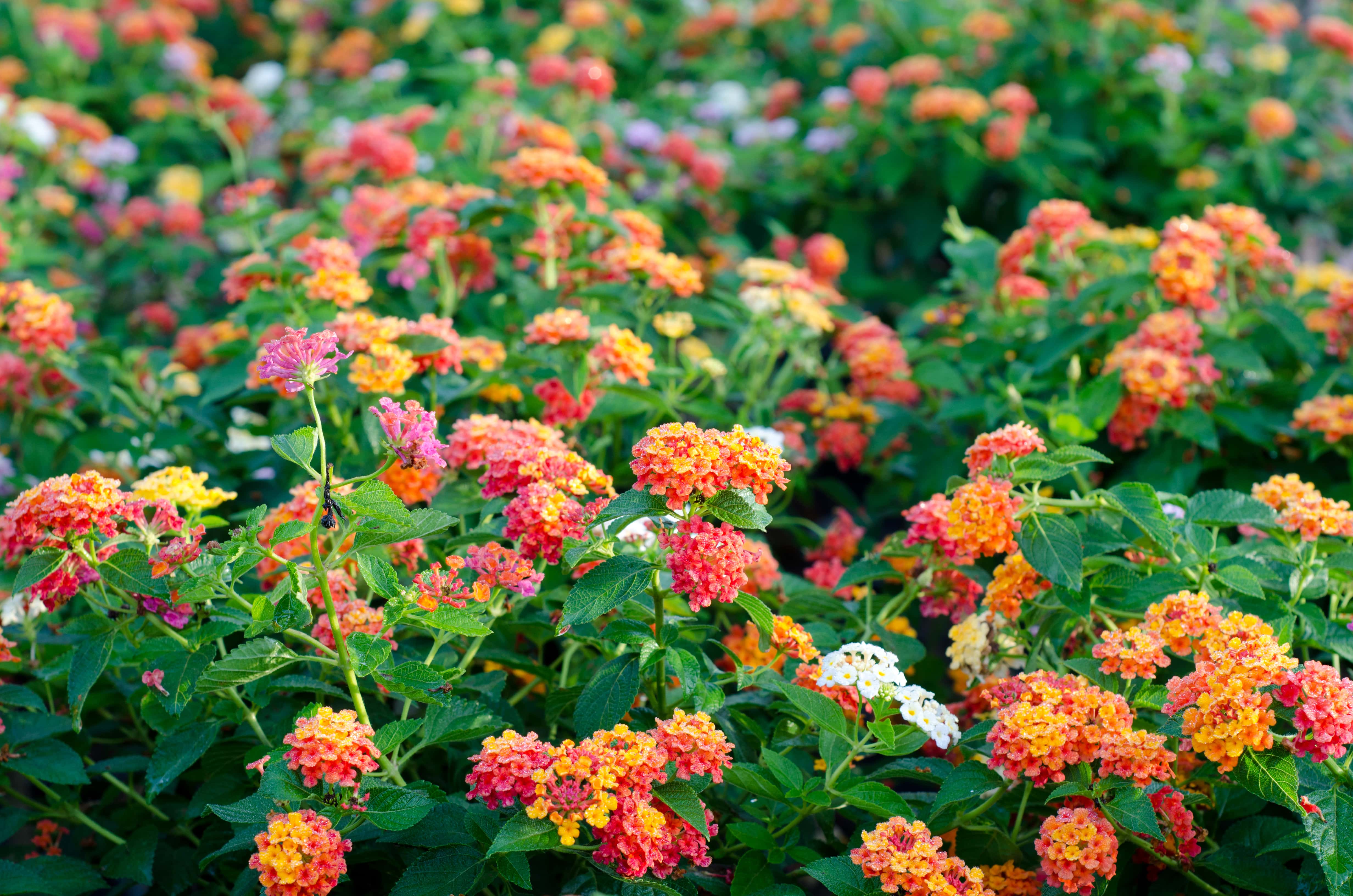
The best plant that blooms all year is the Bougainvillea. This tropical plant is renowned for its vibrant and colorful bracts that resemble flowers, creating a stunning display throughout the entire year. Bougainvillea is not just an ornamental plant; it's also low-maintenance and can grow in a variety of conditions, making it an ideal choice for gardeners who desire continuous blooms.
Characteristics of Bougainvillea
Bougainvillea is known for its unique characteristics, which contribute to its popularity. The plant features:
- Vivid Colors: Bougainvillea bracts come in various colors, including purple, pink, red, orange, and white.
- Fast Growth: This plant can grow rapidly, reaching heights of up to 30 feet in optimal conditions.
- Drought Tolerance: Bougainvillea is highly drought-resistant and thrives in well-draining soil.
Ideal Growing Conditions
To achieve year-round blooms, it's essential to provide the right growing conditions for Bougainvillea. The ideal requirements include:
- Sunlight: Full sun exposure is crucial for robust blooming; ideally, it should receive at least 6 hours of direct sunlight daily.
- Temperature: Bougainvillea prefers warm temperatures ranging from 60°F to 100°F (15°C to 37°C).
- Soil Type: Well-draining soil is essential; sandy or loamy soil works best for this plant.
Care and Maintenance Tips
Proper care will enhance the blooming potential of Bougainvillea. Here are some key maintenance tips:
- Watering: Water the plant deeply but infrequently; overwatering can lead to root rot.
- Fertilization: Use a balanced fertilizer every 4-6 weeks during the growing season to promote blooms.
- Pruning: Regularly prune the plant to maintain its shape and encourage newer growth, which fosters more blooms.
Common Pest and Diseases
Bougainvillea is generally resistant to pests, but issues can arise. Some common concerns include:
- Spider Mites: These tiny pests can cause leaf discoloration; regular monitoring and neem oil can help control them.
- Mealybugs: These pests can cluster on stems; cleaning with soapy water or insecticidal soap can eliminate them.
- Powdery Mildew: Ensuring proper airflow and avoiding overhead watering will help prevent this fungal disease.
Using Bougainvillea in Landscaping
Bougainvillea can be utilized in various ways to enhance landscaping. Consider the following applications:
- Vertical Gardens: It can be trained to grow on trellises or as a beautiful climbing vine.
- Container Planting: Bougainvillea thrives in pots, making it versatile for patios or balconies.
- Hedging: Dense growth makes it an excellent choice for creating colorful hedges or privacy screens.
Questions from Our Readers
What is the most successful type of flowering plant?
The most successful type of flowering plant is often considered to be the angiosperms. These plants, which include trees, shrubs, and herbaceous plants, have adapted to a wide range of environments and have developed unique mechanisms for reproduction, including flowering and fruiting, which help them disperse seeds effectively.
How do angiosperms achieve their success?
Angiosperms achieve their success through a variety of adaptations, such as the development of flowers which attract pollinators and the ability to produce fruits that help in seed dispersal. This has allowed them to thrive in diverse habitats and become the dominant group of plants in many ecosystems around the world.
Are all flowering plants classified as angiosperms?
Yes, all flowering plants are classified as angiosperms, which comprise the largest group of plants in terms of species diversity. They are characterized by their ability to produce flowers for reproduction and are distinguished from gymnosperms, which do not produce flowers or fruits.
What ecological roles do flowering plants play?
Flowering plants play crucial ecological roles, such as providing food and habitat for a variety of organisms. They are essential for maintaining biodiversity, contributing to food webs, and supporting ecosystems through their interactions with pollinators, herbivores, and decomposers.
See also: Ultimate Guide to Low Maintenance Full Sun Tropical Plants Queensland for Effortless Gardening
If you want to read more articles like What is the most successful type of flowering plant? Discover the Top Contenders and Their Unique Traits, we recommend you check out our Landscaping category.
Leave a Reply
Related Articles