What is the Most Profitable Plant to Grow at Home? Discover Top Choices for Maximum Earnings

As the interest in home gardening continues to surge, many individuals are exploring ways to maximize their earnings from their green spaces. Understanding which plants can yield the highest profits is essential for aspiring home growers. This article delves into some of the most profitable plants to cultivate at home, considering factors such as market demand, growth conditions, and ease of care. Whether you're a seasoned gardener or just starting, these top choices can help you turn your hobby into a lucrative venture. Join us as we uncover the best plants for generating maximum earnings right from your backyard.
What is the Most Profitable Plant to Grow at Home?
Growing plants at home can be both enjoyable and lucrative; among the various options, herb plants often stand out as the most profitable. One of the top contenders is basil, due to its high market demand and ease of cultivation. Basil can be grown in small containers, requiring minimal space and resources, making it ideal for home gardeners. Different varieties, such as sweet basil and Thai basil, can be sold at a premium in local markets or through online platforms. With a short turnaround time of just a few weeks from planting to harvest, there's a quick return on investment, especially when selling to local restaurants or at farmer's markets, where fresh herbs are highly sought after.
Benefits of Growing Basil
Basil is not only a profitable herb but also offers numerous benefits for home growers. It is relatively easy to cultivate, requiring little maintenance and tolerating various growing conditions, whether indoors or outdoors. The aromatic leaves can be used fresh in culinary dishes or dried for preservation, thus maximizing their value. Additionally, basil can attract beneficial insects, such as pollinators, to the garden, which can help improve the yield of other plants.
Market Demand for Home-Grown Herbs
The rise in the health-conscious consumer base has significantly increased the demand for home-grown herbs. People are leaning towards natural ingredients for their meals, driving up the market for fresh, organic herbs like basil. Selling directly to consumers, such as at local farmer's markets or through community-supported agriculture (CSA) programs, allows growers to command a higher price point compared to retail outlets. This trend is expected to continue as more individuals seek out local, sustainable options.
Growing Conditions for Basil
Basil thrives in warm temperatures and requires plenty of sunlight, ideally 6 to 8 hours a day. It prefers well-draining soil rich in organic matter. When grown indoors, ensuring adequate light through grow lights can replicate the natural conditions required for optimal growth. Additionally, regular watering without over-saturating the soil is crucial to prevent root rot. Understanding these growing conditions can enhance the profitability of cultivating basil at home.
Profitability Comparison with Other Herbs
While basil is among the top choices for profitable home gardening, other herbs like parsley, cilantro, and rosemary also present lucrative opportunities. However, basil generally fetches a higher price per pound in the market due to its popularity in various cuisines. The table below illustrates a simple comparison of potential profitability based on average market prices:
| Herb | Average Price per Pound | Time to Harvest |
|---|---|---|
| Basil | $20 | 4-6 weeks |
| Parsley | $10 | 3-4 weeks |
| Cilantro | $12 | 3-4 weeks |
| Rosemary | $15 | 12-16 weeks |
Marketing Strategies for Home-Grown Products
Effective marketing strategies are essential for maximizing profits from home-grown plants. Utilizing social media platforms to showcase freshly harvested herbs can draw in local buyers and create community interest. Engaging in local events, such as food festivals or farmers' markets, can also help establish a brand presence. Additionally, offering subscription services for regular customers can ensure steady income from the sale of fresh herbs throughout the growing season.
What is the most profitable plant to grow?
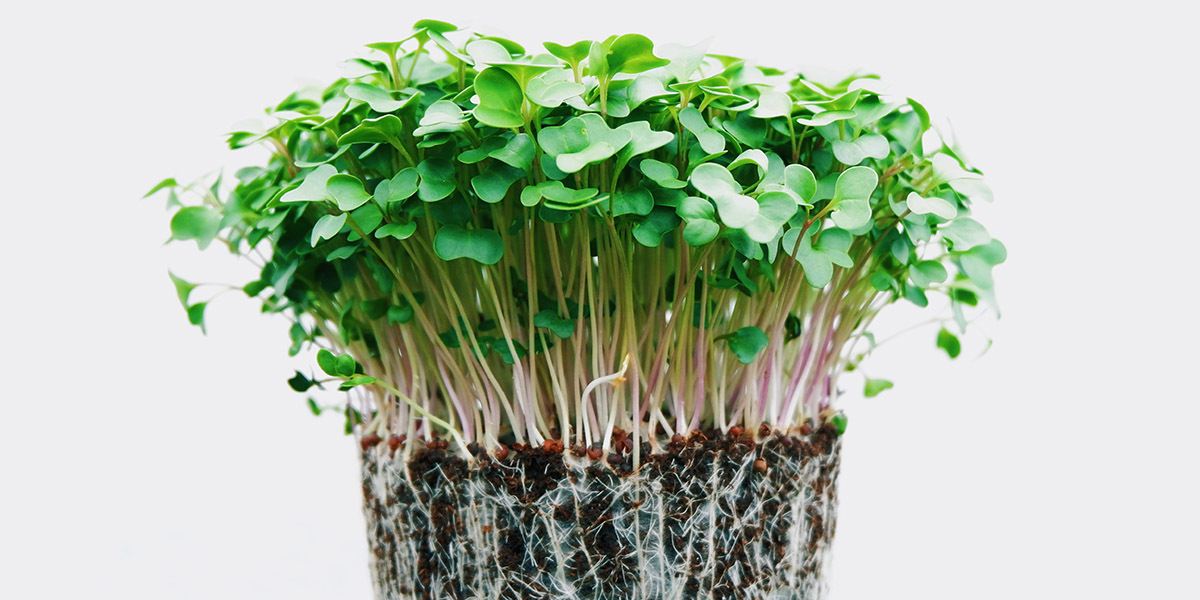
The most profitable plant to grow can vary significantly based on location, climate, market demand, and the grower's expertise. However, some plants consistently rank high in profitability across various regions. One of the most profitable options is saffron, which is known for its high market value. Other contenders include herbs like basil or cilantro, various types of berries, and specialized crops like organic vegetables.
Understanding Saffron Cultivation
Saffron is derived from the flower of Crocus sativus, commonly known as the saffron crocus. Growing saffron can be highly profitable due to its high market price and the labor-intensive harvesting process, which requires hand-picking the delicate stigmas.
- High Market Value: Saffron can sell for anywhere from $500 to $5,000 per kilogram, making it one of the most expensive spices in the world.
- Limited Growing Regions: It thrives in specific climates, primarily in regions with dry, hot summers and cool winters, often limiting competition.
- Small Space Requirement: Saffron can be cultivated in small plots, making it a feasible option for small-scale farmers.
Herbs as Profitable Plants
Herbs such as basil, parsley, and cilantro can also prove to be very lucrative. These herbs have a constant demand in the culinary market and are relatively easy to grow, making them suitable for both home gardens and commercial farms.
- Fast Growth Cycle: Many herbs have quick turnaround times, allowing for multiple harvests in a year.
- High Demand: Fresh herbs are staples in many cuisines worldwide, ensuring strong sales.
- Ease of Cultivation: Herbs do not require extensive space or resources, making them accessible for novice growers.
Berries: A Sweet Investment
Growing berries, such as strawberries, blueberries, and raspberries, can be a very profitable venture due to their popularity among consumers and their health benefits.
- High Consumer Demand: Berries are a popular choice for snacks, desserts, and health foods, maintaining consistent market demand.
- Sustainable Practices: Many consumers are looking for locally sourced berries, promoting organic farming practices that can yield premium prices.
- Long Harvest Seasons: Once established, berry plants can produce fruit for several years, providing ongoing revenue.
Organic Vegetables for Profit
The trend toward healthier eating has led to a significant market for organic vegetables. Growing organic produce can yield higher profits compared to conventional farming due to the increasing consumer preference for organic products.
See also:
- Premium Pricing: Organic vegetables often command a higher price in the market, substantially increasing revenue.
- Health Trends: The growing awareness of health and nutrition continues to drive demand for organic produce.
- Diverse Crop Options: A variety of organic vegetables can be grown, from tomatoes to kale, allowing flexibility in cultivation.
Specialty Crops to Consider
In addition to the more commonly grown plants, exploring specialty crops can also be very lucrative. These can include unique varieties of fruits or vegetables, medicinal plants, or culinary ingredients like mushrooms.
- Niche Markets: Specialty crops often cater to niche markets, allowing producers to charge premium prices.
- Diverse Cultivation Methods: Many specialty crops can be grown using innovative methods such as hydroponics or aquaponics, attracting modern consumers.
- Reduced Competition: Specialty crops often have less competition than traditional staples, providing an opportunity for higher margins.
What is the most profitable thing to grow indoors?
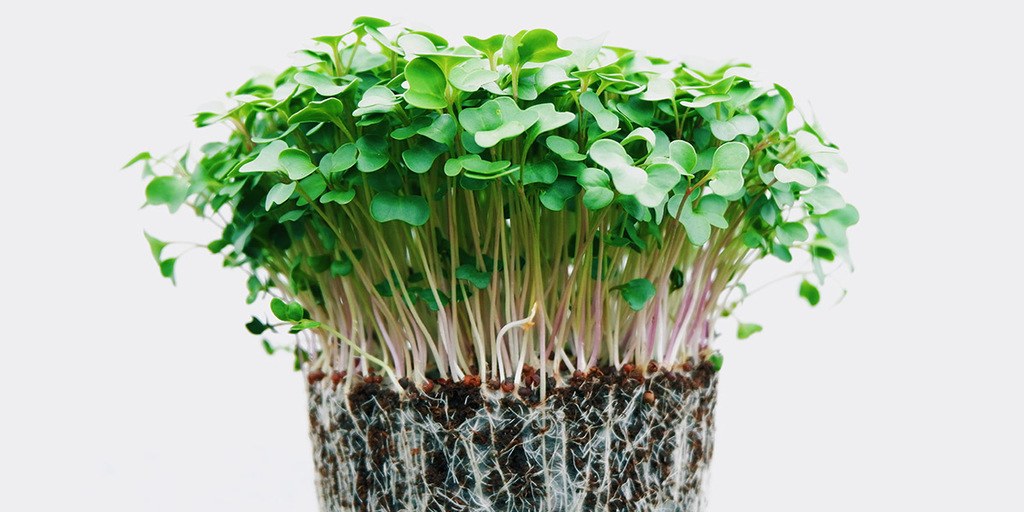
The most profitable thing to grow indoors can vary depending on your resources, market demand, and personal preferences. However, one of the top contenders in recent years has been herbs. Growing herbs indoors not only offers high returns on investment but also allows for year-round cultivation.
Growing Herbs Indoors
Growing herbs indoors is an excellent way to start a profitable indoor garden. They typically require minimal space and can be grown in small pots or containers. Some popular herbs include basil, parsley, cilantro, and mint.
- Fast growth cycle: Many herbs have a short growth cycle, allowing for quick harvesting.
- High market demand: Fresh herbs are sought after by restaurants and home cooks alike.
- Low investment: Seeds and soil are inexpensive, making it easy to start small.
Microgreens: A Rising Star
Microgreens have gained popularity as a superfood and can be grown in small trays indoors. They are young plants harvested just after the first true leaves emerge, which makes them nutrient-packed and flavorful.
- High nutritional value: Microgreens are rich in vitamins and antioxidants.
- Variety of options: You can grow varieties like radish, beet, and broccoli microgreens.
- Short turnaround time: Most microgreens are ready for harvest within 7 to 21 days.
Medicinal Plants
Certain medicinal plants can also be lucrative when grown indoors. Plants like aloe vera, lavender, and echinacea have both market demand and health benefits.
- Increasing consumer interest: There is a growing market for natural remedies and health products.
- Diverse uses: These plants can be used in skincare, teas, and supplements.
- Long-term investment: Many medicinal plants can thrive for years with proper care, creating ongoing profits.
Edible Flowers
Edible flowers like nasturtiums, pansies, and violets can be another profitable indoor crop. They not only enhance dishes with color but also cater to the demand for unique culinary experiences.
- Gastronomic appeal: Chefs frequently seek unique ingredients for plating and flavor.
- Market niche: Tapping into specialty markets can yield high profits.
- Easy to grow: Many edible flowers are low maintenance and can fit into small spaces.
Vegetables for Indoor Farming
Certain vegetables can be profitable when grown indoors, especially varieties that thrive in smaller containers like leafy greens (e.g., lettuce, spinach) or dwarf varieties of popular vegetables.
- High turnover rates: Leafy greens can be harvested multiple times within a short period.
- Continual consumption: Fresh vegetables have a consistent market demand among local consumers.
- Urban farming potential: With the rise of urban agriculture, there is space for small-scale vegetable production.
What are the best starter plants to sell?

Selling starter plants can be an excellent venture, especially as more people are becoming interested in gardening and indoor plants. Here are some of the best starter plants that are popular among new gardeners.
1. Pothos
Pothos, also known as Devil's Ivy, is a hardy, easy-to-care-for indoor plant that thrives under various lighting conditions. Its attractive heart-shaped leaves can be variegated, adding beauty to any space. Pothos is particularly desirable because it can tolerate neglect, making it ideal for beginners.
- Durable and adaptable to low light.
- Requires infrequent watering.
- Effective air purifier.
2. Snake Plant
The Snake Plant, or Sansevieria, is another plant favored by beginners. It boasts tall, sword-like leaves and is incredibly resilient. Snake Plants can survive in low light and require minimal watering, making them perfect for novice gardeners.
- Very low maintenance.
- Improves indoor air quality.
- Can tolerate a range of temperatures.
3. Spider Plant
Spider Plants are popular due to their beautiful arching leaves and ability to produce offsets, or baby plants. They are well suited for youth and adults alike, making them broadly appealing. Spider Plants thrive in indirect sunlight and are forgiving if you occasionally forget to water them.
See also:
- Produces propagation easily.
- Resistant to pests and disease.
- Great for hanging baskets or pot displays.
4. Peace Lily
Peace Lilies are not only stunning but exceptionally easy to cultivate. With their beautiful white flowers and glossy green leaves, they are an attractive addition to any collection. They thrive in shade and require only occasional watering, making them perfect for indoor spaces.
- Blooms typically two to three times a year.
- Removes toxins from indoor air.
- Requires minimal care once established.
5. ZZ Plant
The ZZ Plant is a striking plant known for its glossy leaves and unique appearance. It thrives on neglect, requiring very little light and water, which makes it a good choice for busy individuals or those new to plant care.
- Resilient to low light conditions.
- Can tolerate infrequent watering.
- Great for low-maintenance environments.
What grows the most money?
When considering how to grow wealth, several investment vehicles and strategies stand out. The effectiveness of these methods can depend on various factors, including market conditions, economic indicators, and individual risk tolerance. Below are some of the avenues and concepts that traditionally contribute to substantial wealth accumulation.
Investing in the Stock Market
Investing in the stock market is one of the primary methods individuals use to grow their wealth over time. Stocks represent ownership in companies, and as these companies grow and become more profitable, so do the stocks.
- Capital Appreciation: Over time, stocks can appreciate significantly, leading to substantial returns on investment.
- Dividends: Many companies pay dividends, providing a steady income stream in addition to potential capital gains.
- Diversification: Investing in a variety of stocks can minimize risks associated with individual companies and sector performances.
Real Estate Investment
Investing in real estate is another effective way to grow money. Properties can appreciate over time, and real estate can provide additional revenue through rental income.
- Appreciation: Like stocks, real estate typically increases in value over the long term, leading to capital gains when sold.
- Leverage: Investors can use borrowed funds to purchase properties, amplifying potential returns on their invested capital.
- Tax Benefits: Many tax advantages exist, including depreciation deductions which can enhance cash flow.
Investing in Mutual Funds
Mutual funds allow individual investors to pool their money in a diversified portfolio managed by professionals. This is a popular choice for those who prefer a hands-off approach to investing.
- Diversification: Mutual funds typically invest in a range of securities, reducing the risk associated with any one investment.
- Professional Management: Fund managers use their expertise to make investment decisions on behalf of the investors.
- Accessibility: Many mutual funds have low minimum investment requirements, allowing individuals to invest even with limited capital.
Start a Business
Starting and growing a business is often one of the most lucrative ways to generate wealth. While it comes with risks, successful business ventures can yield substantial financial rewards.
- Direct Ownership: As the owner, you benefit directly from profits, leading to potential unlimited gains.
- Scalability: Many businesses can grow significantly with the right strategies, leading to exponential revenue increases.
- Asset Creation: A successful business can create valuable assets that appreciate over time, further contributing to your wealth.
Cryptocurrency Investments
Cryptocurrencies have become increasingly popular as an investment option. While highly volatile, they offer the potential for significant returns in a relatively short period.
- High Volatility: This provides opportunities for high returns, although it also carries increased risk.
- Diversification: Adding cryptocurrencies to a portfolio can diversify investments beyond traditional assets.
- Decentralization: Many believe cryptocurrencies can serve as a hedge against traditional financial systems and inflation.
Questions from Our Readers
What is the most profitable plant to grow at home?
The most profitable plant to grow at home can vary depending on market demand and local conditions, but generally, herbs like basil or vegetables such as tomatoes tend to yield high returns. Growing plants with high demand in your area can maximize profits, and maintaining them organically could also attract better pricing.
How much space do I need to grow profitable plants at home?
The space required to grow profitable plants at home largely depends on the type of plant you choose. Herbs can thrive in small pots or containers, while vegetables might need more substantial garden space. Ideally, you should assess your available area and select plants that can optimally utilize that space.
What are some tips for maximizing profitability when growing plants at home?
To maximize profitability, it’s essential to focus on factors like soil quality, watering techniques, and sunlight availability. Additionally, consider using organic practices and integrated pest management to increase yield and reduce costs. Selling directly to consumers through farmer's markets can also enhance profit margins.
Can I grow multiple types of plants for profit simultaneously?
Yes, you can grow multiple types of plants for profit simultaneously, but it requires careful planning. Companion planting can help you optimize space and resources, ensuring that plants benefit from each other’s presence. However, be mindful of their growing conditions to avoid competition for nutrients and sunlight.
See also:

If you want to read more articles like What is the Most Profitable Plant to Grow at Home? Discover Top Choices for Maximum Earnings, we recommend you check out our Gardeners category.
Leave a Reply
Related Articles