What is the Most Expensive Part of Landscaping? Discover the Hidden Costs and Tips
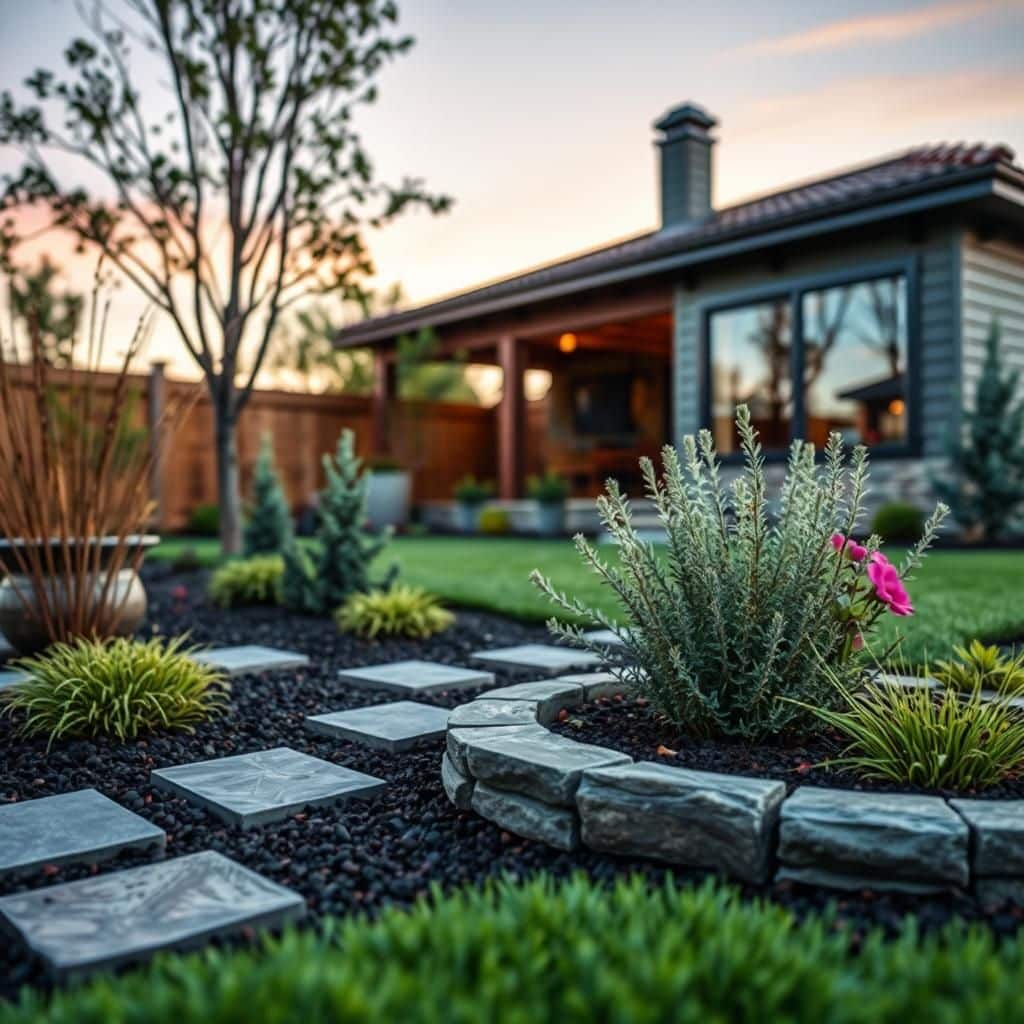
Landscaping is an essential aspect of property enhancement, contributing both aesthetics and value to homes. However, homeowners often underestimate the true costs associated with transforming their outdoor spaces. In this article, we delve into the most expensive elements of landscaping, revealing the hidden costs that can catch you off guard. From high-quality materials to professional labor, various factors influence the overall expense. Additionally, we’ll share valuable tips to help you manage your landscaping budget effectively. Understanding these costs can empower you to make informed decisions and create a beautiful landscape without breaking the bank.
What is the Costliest Element in Landscaping?
The most expensive part of landscaping often varies depending on the specific project and the preferences of the homeowner, but typically, hardscaping elements like patios, retaining walls, and outdoor kitchens represent a significant portion of the budget. These features require substantial materials and labor, making them pricier than plantings and simple garden beds. Additionally, the complexity of the design, the quality of the materials chosen, and site preparation can further elevate costs, transforming these elements into crucial investments for any outdoor space.
Understanding Hardscaping Costs
Hardscaping refers to the non-plant elements of landscaping, such as patios, decks, and walkways. These items usually incur higher expenses due to the need for durable materials like concrete, stone, or brick, as well as the labor involved in their installation. Proper drainage and preparation for these elements further add to their cost, making hardscaping one of the leading factors in overall landscaping expenditures.
Impact of Plant Selection on Costs
While plants tend to cost less upfront, their selection can impact overall landscaping costs significantly. Rare or large specimens often demand a higher price, and the implementation of irrigation systems to maintain these plants can further increase expenses. Moreover, considering long-term maintenance and replacements adds another dimension to how plant choices influence the total landscaping budget.
Maintenance Considerations
Maintenance is an often-overlooked aspect of landscaping that can escalate costs over time. Features like lawns, gardens, and elaborate irrigation systems require ongoing care, including mowing, fertilizing, and pest control. This can lead to significant expenditures, especially if professional assistance is employed. In contrast, low-maintenance landscaping options can reduce long-term costs, making them a factor worth considering in the initial design phase.
See also:
Labor Costs in Landscaping Projects
Labor costs are a major contributor to the total expenses associated with landscaping. Skilled professionals are necessary for tasks such as design, installation, and maintenance, especially when intricate designs are involved. The need for specialized labor can inflate costs quickly, and as a result, understanding labor-related expenses is crucial when planning landscaping projects.
Permits and Regulations
Depending on the scope of the project, obtaining the necessary permits and adhering to local regulations can add notable expenses to landscaping endeavors. Certain installations may require official permission to ensure that they comply with municipal codes and safety standards. As a result, homeowners may need to budget for these additional costs, which can influence the overall price of a landscaping project.
| Element | Average Cost |
|---|---|
| Hardscaping (Patios, Walls) | $15 - $50 per square foot |
| Plant Installation | $80 - $200 per plant |
| Irrigation Systems | $1,500 - $3,500 |
| Labor Costs | $50 - $100 per hour |
| Permits | $50 - $500 |
The Impact of Design Choices on Landscaping Costs
When considering landscaping, the most expensive part often stems from design choices that reflect the homeowner's aspirations and the intricacy of the layout. Detailed plans that incorporate elements such as hardscaping, specialized plant selections, and unique features like water installations can significantly elevate costs. Additionally, working with a professional designer may further increase expenses but often leads to a more cohesive and aesthetically pleasing end result. It's essential to balance aesthetic desires with budget constraints to achieve a space that is both beautiful and manageable in terms of ongoing maintenance.
Understanding Hardscaping Expenses
Hardscaping, which includes structures like patios, walkways, and retaining walls, often constitutes a major portion of landscaping costs. The materials chosen—such as stone, brick, or concrete—play a significant role in determining the overall cost. Moreover, the complexity of the installation process can also increase expenses; for instance, a multi-level patio or intricate pathway design may require professional expertise and additional labor, contributing to higher costs.
Plant Selection and Its Budget Implications
The choice of plants is another key aspect of landscaping that can dramatically affect costs. While some plants are affordable and easy to maintain, others, particularly exotic or mature specimens, can be quite expensive. Additionally, factors such as regional availability, size, and desired drought tolerance can influence price. It's essential to consider not only the initial investment but also the potential maintenance costs associated with the selected plants over time.
See also:
Labor Costs in Landscape Installation
Labor is often one of the most significant expenses in landscaping projects. Skilled landscapers bring expertise that can help avoid costly mistakes, particularly in complex installations. The total labor cost can vary widely based on the scope and complexity of the project, as well as the region where the work is being done. Collaborating with professionals might incur higher upfront costs, but it often pays off long-term through enhanced property value and reduced maintenance issues.
Ongoing maintenance costs are frequently overlooked when budgeting for landscaping. This category includes expenses such as regular lawn care, seasonal planting, pruning, and pest control, which can accumulate significantly over time. Additionally, some landscaping features may require specialized care, fundamentally increasing these costs. It's wise to account for these future expenses upfront to avoid unexpected financial strain after initial installation.
Permitting and Regulatory Fees
Before embarking on a landscaping project, understanding permitting and regulatory fees is crucial, especially for larger projects that involve property alterations. Many areas require permits for the installation of structures or significant changes to the landscape, which can add up both in terms of time and expense. Being aware of these requirements early in the planning phase can help ensure a smoother project flow without expensive delays or fines.
Questions from Our Readers
What is the most expensive part of landscaping?
The most expensive part of landscaping typically involves hardscaping elements such as patios, decks, and retaining walls. These features often require significant labor and materials like stone or concrete, which can considerably increase the overall cost of the landscaping project.
Why is hardscaping more costly than softscaping?
Hardscaping is usually more costly than softscaping because it involves the use of permanent materials and durable construction techniques. Additionally, labor costs can be higher due to the complexity of the installation, which often requires skilled workmanship.
See also:
Are there ways to reduce landscaping costs?
Yes, you can reduce landscaping costs by focusing on DIY projects, choosing native plants, and leveraging less expensive materials for hardscaping. Planning and design can also play crucial roles in maximizing your budget while still achieving a beautiful landscape.
How can I determine my landscaping budget?
To determine your landscaping budget, assess your financial capacity and research the average costs of materials and labor in your area. It's essential to create a detailed plan that includes all elements of landscaping, allowing for adjustments to stay within your defined budget.

If you want to read more articles like What is the Most Expensive Part of Landscaping? Discover the Hidden Costs and Tips, we recommend you check out our Landscaping category.
Leave a Reply
Related Articles