What is the Most Common Type of Irrigation System? A Comprehensive Guide to Efficient Water Management

Irrigation plays a crucial role in agriculture and gardening, providing essential water to crops and plants while optimizing water usage. With various irrigation systems available, understanding which one is the most common can help farmers and gardeners make informed decisions to enhance their water management practices. This comprehensive guide will explore the most widely used irrigation system, examining its advantages, suitability for different scenarios, and tips for efficient implementation. By understanding the key features and benefits of this popular irrigation method, readers can significantly improve their water efficiency and contribute to sustainable agricultural practices.
What is the Most Common Type of Irrigation System?
The most common type of irrigation system used globally is the drip irrigation system, which targets water directly to the plant roots, minimizing evaporation and runoff. This method is particularly effective for crops that require precise watering, as it conserves water and enhances crop yields. Drip irrigation systems consist of a network of tubing, emitters, and connectors that efficiently deliver water in controlled amounts. Their popularity stems from their ability to lower water consumption by up to 50% compared to traditional irrigation methods, making them an environmentally friendly option for agricultural practices.
Overview of Drip Irrigation
Drip irrigation involves a system of pipes or tubing with small holes or emitters that release water directly at the base of each plant. This technique ensures that the water goes where it is most needed, reducing waste and improving efficiency. The system can be customized to fit various crop types and soil conditions, making it a versatile choice for both small and large-scale farming.
Key Components of Drip Irrigation Systems
The main components of a drip irrigation system include filters, drip tubing, emitters, and a pressure regulator. The filter is essential to prevent clogging in the emitters, while the tubing transports water from the source. Emitters release the water in controlled amounts, and the pressure regulator ensures that water flows at a suitable pressure for effective distribution, preventing damage to the system.
Advantages of Drip Irrigation
One of the most significant advantages of drip irrigation is its water efficiency. By delivering water directly to the root zone, this method not only conserves water but also promotes healthier plant growth and higher yields. Additionally, it minimizes weed growth and reduces the risk of diseases since the foliage remains dry, contributing to a more sustainable farming practice.
Applications of Drip Irrigation
Drip irrigation is commonly used in the cultivation of various crops, including fruits, vegetables, and nuts. It is especially beneficial in arid regions where water is scarce and farming practices need to be optimized to maximize yields. This method can also be used in landscaping and gardening, allowing homeowners to maintain lush gardens with minimal water usage.
Challenges of Drip Irrigation Systems
While drip irrigation systems offer numerous benefits, they also come with certain challenges. The initial installation costs can be relatively high compared to traditional irrigation methods, requiring investment in equipment and setup. Additionally, regular maintenance is crucial to prevent clogs and ensure the system operates efficiently, which may necessitate more knowledge and resources for farmers.
| Component | Function |
|---|---|
| Filters | Prevent clogs in the emitters. |
| Drip Tubing | Transport water from the source to plants. |
| Emitters | Deliver water directly to the root zone. |
| Pressure Regulators | Ensure proper water flow and minimize damage. |
What is the most common irrigation system?
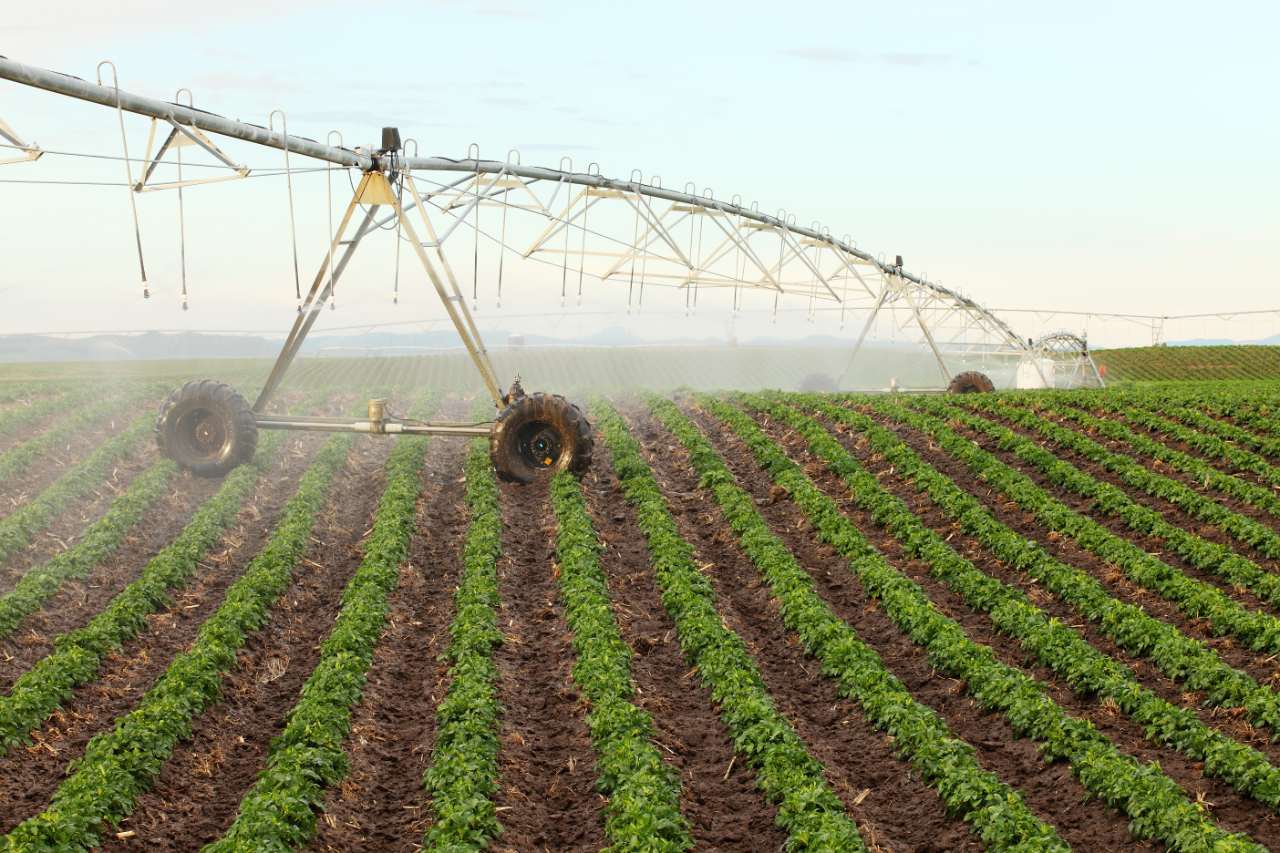
The most common irrigation system is drip irrigation, which has gained popularity due to its efficiency and effectiveness in conserving water while providing precise moisture levels to plants. Drip irrigation involves the slow and continuous application of water directly to the plant's root zone through a network of tubing and emitters. This method minimizes water wastage and promotes healthier plant growth by delivering the right amount of water where it's needed most.
Advantages of Drip Irrigation
Drip irrigation offers numerous advantages that make it a preferred choice among farmers and gardeners. Its benefits include:
- Water efficiency: Drip systems can reduce water usage by up to 50% compared to traditional irrigation methods.
- Enhanced plant growth: Providing water directly to the roots results in healthier plants and improved crop yields.
- Reduced weed growth: By directing water only to the plants, less moisture is available for weeds to thrive.
Components of a Drip Irrigation System
A typical drip irrigation system consists of several key components that work together to deliver water efficiently. These components include:
- Water source: This may include a well, pond, or municipal water supply.
- Filter: Essential for removing debris from the water to prevent clogging of the emitters.
- Drip tubing: A network of pipes that distribute water to the plants, typically featuring built-in emitters.
Installation Process for Drip Irrigation
Installing a drip irrigation system involves careful planning and execution to ensure optimal performance. The installation process typically includes:
- Designing the layout: Mapping out the area to determine where the drip lines and emitters will be placed.
- Setting up the mainline: Connecting the main water supply to the system, often through a series of valves and connectors.
- Placing drip lines: Arranging the tubing and emitters in a manner that directs water to the root zones of the plants.
Maintenance of Drip Irrigation Systems
Regular maintenance is crucial for ensuring the longevity and efficiency of a drip irrigation system. Key maintenance tasks include:
See also:
- Checking for clogs: Regularly inspecting and cleaning emitters to prevent blockages caused by sediment accumulation.
- Seasonal adjustments: Modifying the system components according to seasonal water needs and plant growth stages.
- Inspecting leaks: Looking for leaks in tubing or connectors to ensure water is not wasted.
Applications of Drip Irrigation
Drip irrigation is widely used in various agricultural and horticultural applications, including:
- Row crops: Ideal for crops like tomatoes, peppers, and carrots, where moisture control is critical.
- Greenhouses: Perfect for providing consistent watering in controlled environments, enhancing productivity.
- Orchards: Helps in maintaining an optimal moisture level for fruit trees, leading to better quality fruit.
What is the most widely used irrigation system?
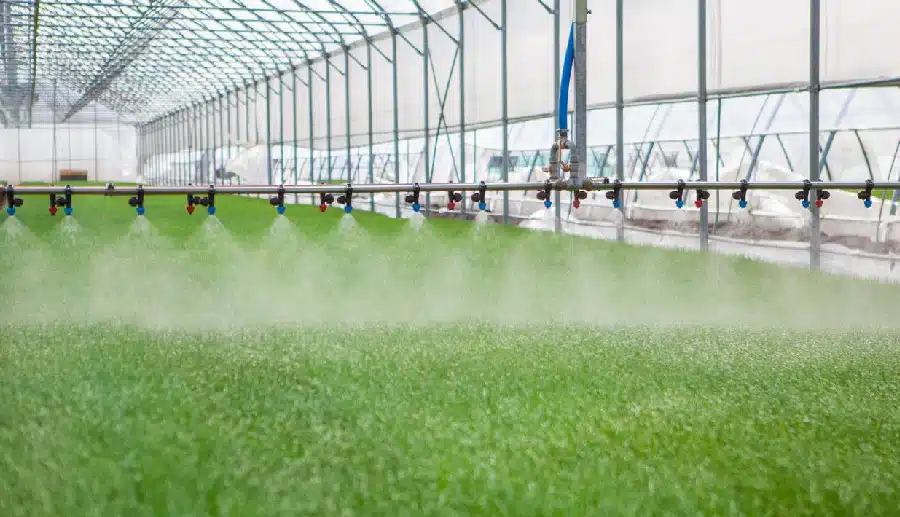
The most widely used irrigation system is surface irrigation. This method involves the application of water directly to the soil surface and allows water to flow over the field by gravity. Surface irrigation is prevalent due to its simplicity, low cost, and the ability to utilize natural topography to distribute water effectively. It is commonly found in agricultural settings, where farmers can efficiently manage their water resources while promoting crop growth.
Advantages of Surface Irrigation
Surface irrigation offers several significant benefits:
- Cost-Effective: It requires minimal investment in infrastructure compared to other systems.
- Versatility: Can be used for various crops and soil types.
- Low Maintenance: Requires less ongoing maintenance compared to more complex systems.
Types of Surface Irrigation
Various types of surface irrigation can be implemented, including:
- Furrow Irrigation: Water is delivered in small channels between crop rows.
- Border Irrigation: Fields are divided into strips with raised borders to direct the water flow.
- Basin Irrigation: Water is applied to flat areas surrounded by low bunds, ideal for certain crops like rice.
Challenges of Surface Irrigation
Despite its advantages, surface irrigation also presents some challenges:
- Inefficiency: Water loss due to evaporation and runoff can be substantial.
- Soil Erosion: Improper management may lead to soil erosion over time.
- Water Quality Issues: Can lead to salinity problems if not carefully managed.
Impact on Crop Yield
The effectiveness of surface irrigation can significantly impact agricultural productivity:
- Moisture Distribution: Ensures even moisture distribution, essential for optimal crop growth.
- Soil Fertility: Encourages nutrient uptake by preventing water-logged conditions.
- Crop Variety Support: Supports a wide range of crop types, maximizing agricultural output.
Future of Surface Irrigation
Looking ahead, surface irrigation is evolving with new technologies:
- Automation: Incorporating sensors and automated systems for better water management.
- Research: Ongoing research to develop more efficient practices and mitigate challenges.
- Integration: Combining surface irrigation with other technologies like drip irrigation for better efficiency.
Which is the most common method of irrigation?
The most common method of irrigation is surface irrigation, which makes use of gravitational force to distribute water over the soil. This method involves the application of water directly to the soil surface and allows it to flow over the land, soaking into the ground. It is particularly popular due to its simplicity, cost-effectiveness, and ability to efficiently water large areas of crops.
What is Surface Irrigation?
Surface irrigation is defined as the method where water moves across the land surface by gravity. It encompasses several techniques including furrow, basin, flood, and border irrigation. The main advantages of surface irrigation include:
- Cost-Effectiveness: It requires minimal investment in equipment compared to other methods.
- Versatility: It can be used for various crops and soil types.
- Efficiency: When managed properly, it can effectively distribute water to the plants.
Types of Surface Irrigation
There are several types of surface irrigation, each suited for different crops and terrains. The most popular forms include furrow, flood, and basin irrigation. The characteristics of these methods are:
- Furrow Irrigation: Water is applied in small channels (furrows) between crop rows.
- Flood Irrigation: Water is released onto the entire field, saturating the soil.
- Basin Irrigation: Fields are divided into basins that hold water for irrigation.
Advantages of Surface Irrigation
Surface irrigation has numerous advantages that contribute to its popularity among farmers and agricultural practitioners. These include:
See also:
- Low Initial Cost: Surface irrigation does not require expensive sprinkler systems or pumps.
- Soil Moisture Retention: The soil can maintain moisture levels effectively.
- Adaptability: Suitable for various types of crops and farming operations.
Disadvantages of Surface Irrigation
Despite its benefits, surface irrigation does have certain drawbacks that can affect its feasibility in some scenarios. These include:
- Water Loss: Evaporation and runoff can lead to inefficient water use.
- Labor Intensive: It may require more labor for setup and management.
- Soil Erosion: Improper management can lead to soil erosion and degradation.
Best Practices for Surface Irrigation
To maximize the effectiveness of surface irrigation, farmers should implement best practices tailored to their specific conditions. These practices include:
- Proper Field Layout: Design fields with appropriate slopes and drainage.
- Water Management: Monitor and manage water flow to reduce runoff and evaporation.
- Soil Testing: Regularly analyze soil properties to optimize water application levels.
Which is the most common source of irrigation?
The most common source of irrigation is surface water. This type of irrigation relies on water from rivers, lakes, and reservoirs that is distributed over the land's surface to nourish crops. Surface water is often the most accessible and cost-effective source of irrigation for farmers, particularly in regions where rainfall is insufficient or inconsistent. By utilizing gravity, surface water irrigation systems can efficiently deliver water to large areas of farmland.
What is Surface Water Irrigation?
Surface water irrigation involves the application of water to soil through the force of gravity. It is commonly used because it is simple to implement and does not require advanced technology. Farmers typically create a network of channels, ditches, or furrows to guide the water through their fields.
- Cost-Effective: Surface irrigation requires minimal infrastructure compared to other systems.
- Simple Operation: It is easy to manage, even for small-scale farmers.
- Wide Availability: Surface water can be sourced from nearby rivers and lakes.
Advantages of Surface Water Irrigation
Surface water irrigation has several advantages that make it a preferred choice for many farmers. It allows for the efficient distribution of water and can enhance soil moisture retention when managed properly. This method can contribute to sustainable agriculture by reducing reliance on expensive pumping systems.
- Soil Health: Promotes deeper root growth by maintaining moisture.
- Reduced Costs: Low initial investment compared to drip or sprinkler systems.
- Flexibility: Can be adapted to different farming practices and crop types.
Challenges of Surface Water Irrigation
While surface water irrigation is widely used, it is not without its challenges. Proper management is crucial to prevent issues such as erosion, waterlogging, and salinity. Additionally, competition for water resources can limit the availability of surface water.
- Erosion: Poorly managed systems can lead to soil erosion.
- Water Loss: Evaporation and runoff can reduce water efficiency.
- Salinity Issues: Over-irrigation can cause salinization of soil.
Examples of Surface Water Sources
There are various sources of surface water that farmers can utilize for irrigation. These include natural bodies of water such as rivers and lakes, as well as man-made reservoirs. Each source has its unique benefits and considerations based on geographical location and climatic conditions.
- Rivers: Flowing water provides a direct source for irrigation.
- Lakes: Stored water can be accessed for irrigation needs.
- Reservoirs: Create a controlled environment for water distribution.
Future of Surface Water Irrigation
As regions face increasing water scarcity due to climate change, the future of surface water irrigation will require innovative practices. This includes improved water management techniques and sustainable practices that maintain the balance between agricultural needs and ecological health.
- Technology Integration: Using sensors and automation for efficiency.
- Sustainability Practices: Implementing crop rotation and cover cropping to prevent degradation.
- Community Cooperation: Collaborative water management among local farmers.
Questions from Our Readers
What is the most common type of irrigation system?
The most common type of irrigation system is drip irrigation. This method delivers water directly to the plant's root zone, promoting efficient water use and minimizing waste.
What are the advantages of using a drip irrigation system?
Drip irrigation offers several advantages, including water conservation, reduced evaporation, and minimized field runoff. By providing water directly to the roots, it enhances crop yields and health.
Are there any disadvantages to drip irrigation?
Some potential disadvantages of drip irrigation include the initial cost of installation and the need for maintenance to prevent clogging of the emitters. Additionally, it may not be suitable for all types of crops.
Can drip irrigation be automated?
Yes, drip irrigation can be easily automated using timers and controllers, allowing for more precise application of water. This automation helps to further optimize water usage and improve overall efficiency.
See also:

If you want to read more articles like What is the Most Common Type of Irrigation System? A Comprehensive Guide to Efficient Water Management, we recommend you check out our Irrigation category.
Leave a Reply
Related Articles