What is the Most Common Method of Irrigation? Exploring Techniques and Best Practices
Irrigation is a vital agricultural practice that ensures crops receive the necessary water for optimal growth and productivity. With various methods available, understanding the most common techniques can significantly enhance farming efficiency and sustainability. This article delves into the various irrigation methods, highlighting their advantages and drawbacks, while focusing on the most widely used practices around the globe. By exploring the intricacies of irrigation techniques and best practices, we aim to provide valuable insights for farmers and agriculturalists seeking to improve their water management strategies and yield healthier crops in an ever-changing climate.
The Most Common Method of Irrigation
The most common method of irrigation is surface irrigation, which involves the application of water directly onto the soil surface, allowing it to flow and infiltrate into the soil layers. This method is widely used due to its simplicity and low cost, particularly in regions where water resources are abundant. Surface irrigation can be further divided into various sub-methods, including basin, furrow, and flood irrigation, each catering to different types of crops and landscapes. Despite its benefits, surface irrigation can also result in inefficient water use, leading to problems such as waterlogging and increased salinity if not managed properly.
Types of Surface Irrigation
Surface irrigation can be categorized into several types, including flood, furrow, and basin irrigation. Flood irrigation involves saturating the entire field with water, which is ideal for certain crops but can lead to water wastage. Furrow irrigation, on the other hand, channels water through small ditches between rows of crops, allowing for better control of water flow. Basin irrigation, often used in growing orchards, involves creating small basins to retain water. Each type has its advantages and limitations depending on the soil type, crop, and topography.
Advantages of Surface Irrigation
The advantages of surface irrigation include low initial investment costs and ease of operation. Since it harnesses natural gravitational forces, minimal technology is needed, making it accessible to many farmers. Additionally, surface irrigation can improve soil moisture levels and support crop yields when managed effectively. It also minimizes the need for external water supply, which is advantageous in areas where water scarcity is a concern.
Disadvantages of Surface Irrigation
Despite its benefits, surface irrigation has notable disadvantages. It can lead to inefficient water delivery, especially in fields with uneven terrain or poor soil types, resulting in some areas receiving too much water while others receive too little. This method also has a risk of promoting soil erosion and salt accumulation, which can adversely affect soil quality over time. Farmers must employ careful management practices to mitigate these issues.
Water Management Techniques
Effective water management techniques are essential for optimizing surface irrigation systems. Techniques such as maintaining proper field contouring and implementing timing schedules for irrigation can greatly enhance water efficiency. Additionally, using cover crops can help reduce soil erosion and improve moisture retention. Regular monitoring of soil moisture levels is also crucial to ensuring that crops receive adequate water without over-irrigation.
Impact on Crop Yield
The impact of surface irrigation on crop yield can vary widely depending on several factors, including climate, soil type, and crop species. When managed effectively, surface irrigation can boost productivity by providing crops with steady moisture levels. However, poor practices may lead to reduced yields and crop stress due to uneven water distribution. Research has shown that optimizing irrigation scheduling can significantly enhance crop performance and overall farm sustainability.
| Type of Irrigation | Advantages | Disadvantages |
|---|---|---|
| Flood Irrigation | Low cost, simple to implement | Water wastage, potential for waterlogging |
| Furrow Irrigation | Improved water control, reduced erosion | Requires leveling of fields, labor-intensive |
| Basin Irrigation | Better moisture retention for trees | More water required, potential waterlogging |
What is the most popular mode of irrigation?

The most popular mode of irrigation worldwide is surface irrigation. This method involves the application of water to the soil surface, allowing it to infiltrate into the root zone of crops. Surface irrigation accounts for a significant percentage of irrigation practices globally due to its simplicity and effectiveness. It can be implemented in various forms including basin, furrow, and flood irrigation, depending on the specific requirements of the land and the crops being grown.
Advantages of Surface Irrigation
Surface irrigation offers several benefits:
- Cost-Effective: It requires minimal investment in infrastructure and technology, making it accessible to smallholder farmers.
- Simplicity: The design and operation of surface irrigation systems are relatively straightforward, requiring less technical knowledge compared to advanced systems.
- Soil Moisture Management: Effective surface irrigation can enhance soil moisture retention, promoting healthy plant growth and reducing drought stress.
Types of Surface Irrigation
There are several types of surface irrigation methods:
- Basin Irrigation: Water is applied to small, level basins that hold water around the plants, ideal for crops like rice.
- Furrow Irrigation: Water flows through small channels or furrows between the crop rows, suitable for row crops such as corn and soybeans.
- Flood Irrigation: Fields are flooded with water, which allows it to soak into the soil, often used in flood-prone areas.
Challenges of Surface Irrigation
Despite its popularity, surface irrigation also presents some challenges:
- Inefficient Water Use: Water runoff and evaporation can lead to significant water loss if not properly managed.
- Soil Erosion: Excessive water application can cause soil erosion and degrade land quality over time.
- Labor-Intensive: Although simpler, surface irrigation can require more manual labor compared to automated irrigation systems, such as drip or sprinkler systems.
Impact on Crop Yield
The effectiveness of surface irrigation varies in its impact on crop yield:
See also:
- Uniform Water Distribution: Properly managed surface irrigation can lead to improved crop yields by ensuring even water distribution across the fields.
- Dependency on Weather: Crop yields may heavily depend on rainfall patterns, as surface irrigation cannot always meet water demands during dry spells.
- Crop Type Sensitivity: Some crops may not thrive under surface irrigation if water levels are not carefully controlled.
Future Trends in Surface Irrigation
Future developments in surface irrigation may focus on:
- Improved Techniques: Innovations such as laser leveling and advanced scheduling can enhance water efficiency and crop yield.
- Integration with Technology: Incorporating sensors and data analytics to monitor soil moisture and optimize irrigation times can greatly increase effectiveness.
- Training Programs: Educating farmers on best practices can help mitigate the drawbacks of surface irrigation and improve overall agricultural sustainability.
What is the main method of irrigation?
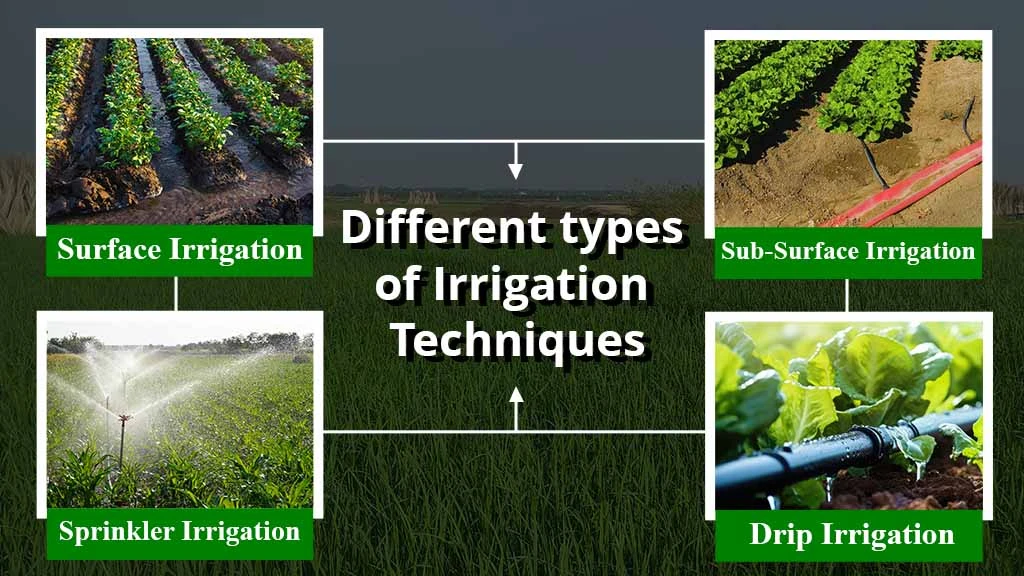
The main method of irrigation is surface irrigation, which involves the distribution of water over the soil surface through gravitational flow. This method allows water to penetrate the soil and reach the root zone of crops, ensuring that they receive the necessary moisture for growth. Surface irrigation can be further categorized into several types, including furrow, basin, flood, and border irrigation.
Types of Surface Irrigation
Surface irrigation can be broken down into several specific techniques, each suitable for different soil types, crop requirements, and water availability:
- Furrow Irrigation: Involves creating shallow trenches between crop rows that catch and direct water.
- Basin Irrigation: Erecting bunds to create basins that hold water around individual plants or trees.
- Flood Irrigation: Flooding the entire field with water, suitable for crops that can tolerate standing water.
- Border Irrigation: Uses long channels to flood sections of the field in a controlled manner.
- Check Basin Irrigation: Similar to basin irrigation but employs checks or levees to manage water flow.
Advantages of Surface Irrigation
Surface irrigation offers numerous benefits that make it a popular choice in agricultural practices worldwide:
- Cost-Effective: Generally requires less investment in technology and infrastructure compared to other methods.
- Effective Water Distribution: Can cover large areas, ensuring adequate moisture for multiple crops simultaneously.
- Simplicity: Easy to implement and manage, making it suitable for smallholder farmers.
- Soil Health: Promotes better soil structure and reduces compaction through natural water infiltration.
- Nutrient Movement: Helps in the natural movement of nutrients across the soil profile.
Challenges of Surface Irrigation
While surface irrigation is beneficial, it also comes with challenges that need to be addressed for optimal efficiency:
- Water Waste: High potential for evaporation and runoff if not managed properly.
- Soil Erosion: Improper techniques can cause erosion, leading to soil degradation over time.
- Inefficient Water Use: Can lead to uneven water distribution if the ground is not leveled properly.
- Labor Intensive: Requires significant labor to manage and maintain the irrigation system.
- Salinity Issues: Inadequate drainage can lead to salinity problems in the soil.
Modern Advances in Surface Irrigation
The field of irrigation technology is evolving, with innovations aimed at improving surface irrigation methods:
- Automation: Automated systems can control water flow, reducing waste and enhancing efficiency.
- Sensors and Monitoring: Use of soil moisture sensors to determine the optimal watering times.
- Improved Design: Designing furrows and basins to maximize water retention and efficacy.
- Conservation Techniques: Implementing practices to reduce runoff and promote groundwater recharge.
- Research and Development: Ongoing studies focus on plant water use and better irrigation practices.
Future of Surface Irrigation
The future of surface irrigation is likely to be shaped by evolving agricultural practices and water scarcity issues:
- Adoption of Sustainable Practices: Emphasis on eco-friendly methods to conserve water and improve soil health.
- Integration with Other Technologies: Combining surface irrigation with drip or sprinkler systems for efficiency.
- Policy and Regulation Changes: Governments may introduce incentives for implementing modern irrigation methods.
- Climate Change Adaptation: Adjusting practices to cope with the effects of climate change on water availability.
- Community-Based Approaches: Encouraging collective efforts among farmers to manage water resources effectively.
Which is the most common source of irrigation?
The most common source of irrigation is surface water, derived from rivers, lakes, and reservoirs. This method involves the distribution of water over the soil surface for plant development. Surface irrigation is widely accessible and can be tailored to fit various soil types and crop requirements.
Importance of Surface Water in Irrigation
Surface water plays a crucial role in irrigating agricultural land because of its abundance and ease of access. Farmers often rely on surface water systems to cultivate crops efficiently. Key factors include:
- Availability: Surface water is typically more available than groundwater in many regions.
- Cost-Effective: Using gravity to distribute water reduces the need for expensive pumping systems.
- Scalability: Surface systems can be adapted for small gardens or large agricultural lands.
Types of Surface Irrigation
Various methods of surface irrigation are employed to maximize water efficiency and crop yield. Some of the most common techniques include:
- Flood Irrigation: Water is applied directly to the fields, allowing it to saturate the soil.
- Furrow Irrigation: Water is channeled into shallow trenches, promoting more targeted water application.
- Border Irrigation: Fields are divided into strips or borders where water is applied evenly across each section.
Benefits of Surface Water Irrigation
Utilizing surface water for irrigation can offer several advantages for farmers and the environment. These benefits include:
See also:
- Improved Soil Health: Surface irrigation supports the natural replenishment of soil nutrients.
- Reduction in Salinity: Regular flooding can help leach salts from the soil, promoting healthier crop growth.
- Conserves Groundwater: By using surface sources, farmers can reduce their reliance on depleting groundwater reserves.
Challenges of Surface Water Irrigation
Despite its many advantages, surface water irrigation can also present challenges that need to be managed effectively. Some common issues are:
- Water Quality: Surface water can be contaminated, adversely affecting crop health and yield.
- Competition for Water Resources: Shared sources can lead to conflicts among agricultural users.
- Inefficiency: Surface irrigation can result in water losses due to evaporation and runoff if not managed properly.
Future of Surface Water in Irrigation
As climate change and population growth challenge agricultural practices, the future of surface water irrigation will likely involve innovation and adaptation. Key considerations include:
- Technology Integration: Employing sensors and smart irrigation technologies can optimize water usage.
- Management Practices: Implementing best management practices can enhance water conservation.
- Policy Development: Regulating and managing shared water resources will become increasingly important to ensure sustainability.
What is the most common form of irrigation in the world?
The most common form of irrigation in the world is surface irrigation. This method, which includes various techniques such as furrow, basin, border, and flood irrigation, accounts for a significant percentage of global agricultural irrigation. Surface irrigation allows water to flow over the soil by gravity, distributing it amongst crops. It is widely used due to its simplicity, cost-effectiveness, and the ability to manage large field areas efficiently.
Types of Surface Irrigation
Surface irrigation encompasses several methods that differ in water application and management. Here are the main types:
- Furrow Irrigation: Water is directed into small furrows or channels dug into the soil between crop rows.
- Basin Irrigation: Fields are divided into basins, which are flooded with water to irrigate crops.
- Border Irrigation: A series of long, narrow strips or borders are formed and controlled flooding occurs from one end to the other.
Advantages of Surface Irrigation
Surface irrigation has several advantages that make it appealing to farmers worldwide:
- Cost-Effective: Typically requires lower investment in infrastructure compared to other irrigation methods.
- Simplicity: The simplicity of setup and operation makes it accessible for farmers, especially in developing regions.
- Soil Moisture Maintenance: Maintains soil moisture adequately, which can improve crop yields.
Challenges of Surface Irrigation
Despite its advantages, surface irrigation also faces some challenges:
- Water Inefficiency: Potential for water loss due to evaporation and runoff, leading to inadequate water control.
- Soil Erosion: Improper management can result in soil erosion and degradation.
- Labor-Intensive: Typically requires significant labor for setup and water management, which can be a drawback for some farmers.
Global Usage of Surface Irrigation
Surface irrigation remains a dominant method worldwide, particularly in regions where water resource management is critical:
- Regions: Widely used in developing countries across Asia, Africa, and Latin America.
- Crop Types: Suited for various crops including cereals, fruits, and vegetables.
- Extent: Represents approximately 50-70% of irrigated land globally, reflecting its popularity.
Future Outlook of Surface Irrigation
The future of surface irrigation is evolving as technology and practices improve:
- Technological Integration: Incorporating technology like sensors and automation to optimize water use.
- Conservation Practices: Implementation of better management practices to reduce water loss and soil degradation.
- Training and Education: Providing farmers with knowledge on efficient techniques to enhance productivity.
Questions from Our Readers
What is the most common method of irrigation?
The most common method of irrigation is surface irrigation, where water flows over the soil surface and distributes evenly throughout the field. This method is widely used due to its simplicity and cost-effectiveness, allowing farmers to utilize gravity to move water.
How does surface irrigation work?
Surface irrigation works by allowing water to flow across the field's surface, using channels and furrows to direct the flow. Water infiltrates the soil, providing moisture to the crops, while managing water effectively helps in reducing waste.
What are the advantages of surface irrigation?
The advantages of surface irrigation include its low implementation costs, efficient use of water, and suitability for a wide range of soil types. It also helps prevent soil erosion when properly managed, ensuring sustainable agricultural practices.
Are there any disadvantages of surface irrigation?
Yes, some disadvantages of surface irrigation include the potential for uneven distribution of water, which may lead to inefficient crops' growth. Additionally, if not managed well, it can cause waterlogging and salinization of soil over time.
See also:

If you want to read more articles like What is the Most Common Method of Irrigation? Exploring Techniques and Best Practices, we recommend you check out our Irrigation category.
Leave a Reply
Related Articles