Discovering What is the Most Beautiful Australian Native Plant: A Guide to Australia’s Stunning Flora

Australia is home to an incredible diversity of flora, showcasing a unique array of native plants that captivate the imagination. From the vibrant blossoms of wildflowers to the striking silhouettes of iconic trees, the beauty of Australian native plants is both enchanting and awe-inspiring. This guide delves into the characteristics, habitats, and stunning appearances of some of the most beautiful native plants Australia has to offer. Whether you’re a nature enthusiast, a gardener, or simply curious about Australia’s botanical treasures, join us on this journey to discover which native plant can truly be deemed the most beautiful.
What is the Most Beautiful Australian Native Plant?
The most beautiful Australian native plant is often considered to be the Waratah (Telopea speciosissima), renowned for its stunning, large red flowers and striking appearance. This iconic plant is native to New South Wales and forms part of the unique Australian flora. The Waratah's vibrant blooms, which can reach up to 30 centimeters in diameter, emerge in spring and attract various pollinators, including birds and bees. Its glossy green leaves and robust stems make it a popular choice for gardens, where it can provide a dramatic focal point. Additionally, the Waratah holds cultural significance, being recognized as the floral emblem of New South Wales, symbolizing beauty and resilience in the Australian landscape.
Characteristics of the Waratah
The Waratah boasts a distinctive appearance that is characterized by its large, bright red flower heads, which are composed of numerous smaller flowers clustered together. The plant can grow up to 4 meters in height and has a bushy form, with leathery, dark green leaves that can measure up to 20 centimeters in length. Its robust nature allows it to thrive in a variety of conditions, but it particularly favors well-drained soils and full sunlight exposure.
Habitat and Distribution
Native to the coastal regions of New South Wales, the Waratah typically thrives in heathlands, open forests, and other environments with well-drained soils. This adaptable plant is often found in areas that experience moderate to high rainfall. Its distribution is primarily along the eastern coast of Australia, and it is commonly planted in gardens as features due to its striking appearance.
Ecological Importance
The Waratah plays a significant role in its ecosystem, serving as a vital source of nectar for various pollinators such as birds, bees, and butterflies. These pollinators are essential for the reproduction of the Waratah and the surrounding flora. Furthermore, the presence of such native plants contributes to the overall health of the local ecosystem by providing habitat and food resources for wildlife.
Cultural Significance
In addition to its aesthetic appeal, the Waratah holds considerable cultural significance in Australia, especially among the Indigenous peoples of the region. The flower has been used in traditional ceremonies and is often associated with various stories and legends. As the floral emblem of New South Wales, it represents not just beauty but also the cultural identity of the state.
Care and Cultivation
Cultivating the Waratah in gardens requires specific attention to its needs. It thrives in well-drained soil and benefits from full sun exposure. Regular watering during dry spells can support healthy growth, but caution should be exercised to prevent overwatering, which may lead to root rot. The plant may require some pruning to maintain its shape and encourage new growth, making it a rewarding challenge for gardeners.
| Aspect | Details |
|---|---|
| Plant Type | Shrub |
| Height | Up to 4 meters |
| Flower Color | Bright Red |
| Blooming Season | Spring |
| Native Region | New South Wales |
What is the most beautiful plant in Australia?

The most beautiful plant in Australia is often considered to be the Waratah (Telopea speciosissima). This stunning flower is native to the eastern regions of Australia, particularly in New South Wales, and is renowned for its vibrant red color and striking appearance. The Waratah is the official floral emblem of New South Wales and is celebrated not only for its beauty but also for its cultural significance to Indigenous Australians.
The Unique Characteristics of the Waratah
The Waratah is distinct due to its large, showy flower heads which can grow up to 30 cm in diameter. These flowers are made up of numerous individual blooms which create a dramatic, ball-shaped appearance. The plant typically reaches heights of about 1 to 3 meters and sports leathery, dark green leaves, which serve as a striking backdrop to its vibrant flowers.
- Size: Can grow between 1 to 3 meters tall.
- Flowers: Large, spherical flower heads with bright red coloration.
- Leaves: Dark green, leathery foliage that adds visual interest.
Habitat and Growth Conditions
The Waratah thrives in well-drained, sandy soils and is often found in coastal heathlands, forests, and woodlands. It prefers a full sun position but can tolerate partial shade. Because of its unique adaptations, the Waratah is well-suited to the fire-prone environments of Australia and has evolved to regenerate quickly after bushfires.
- Soil: Prefers well-drained, sandy soils.
- Sunlight: Best growth in full sun but tolerates partial shade.
- Fire Resilience: Adapted to quickly regenerate after fire events.
Cultural Significance
The Waratah holds a prominent place in Australian culture, particularly among Aboriginal peoples. It is often associated with various stories and legends, and its beauty is celebrated in art, literature, and even local festivals. This flower symbolizes resilience and strength, mirroring the enduring spirit of the Australian landscape and its people.
See also:
- Symbolism: Represents resilience and strength.
- Indigenous Culture: Integral to Aboriginal storytelling and art.
- Festivals: Featured prominently in local celebrations and events.
Propagation and Care
Growing Waratahs can be rewarding but requires specific care. They are typically propagated through seed or cuttings from established plants. To cultivate them successfully, gardeners should pay attention to soil type, moisture levels, and protection from frost.
- Propagation: Can be grown from seeds or cuttings.
- Soil Management: Needs specific sandy, well-drained soil conditions.
- Moisture: Requires careful watering to prevent root rot.
Other Beautiful Australian Plants
While the Waratah is arguably one of the most beautiful plants, Australia is home to many other spectacular flora. Some notable mentions include the Banksia, Kangaroo Paw, and Grevillea. Each of these plants boasts unique characteristics and contributes to the diverse beauty of the Australian landscape.
- Banksia: Known for its striking flower spikes that attract birds.
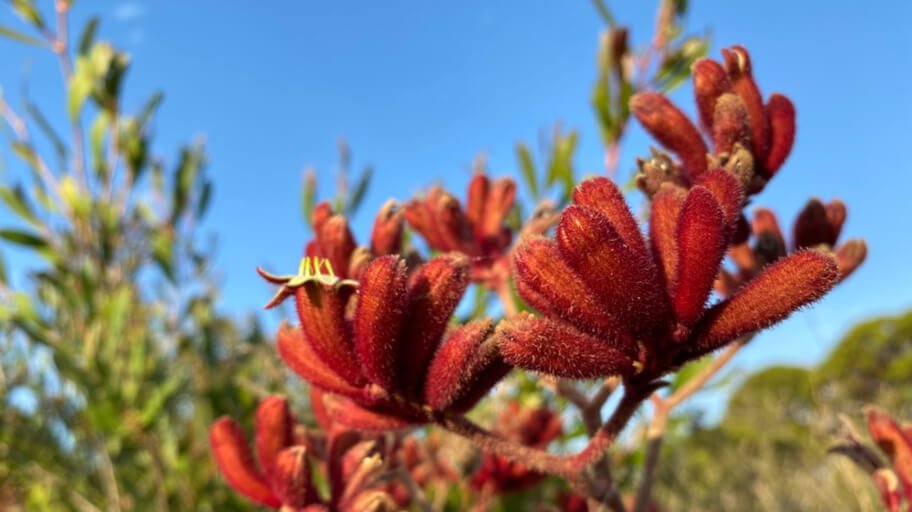
- Kangaroo Paw: Features unique, tubular flowers, popular for horticulture.
- Grevillea: Offers a wide variety of shapes and colors, often used as ornamental plants.
What Australian natives flower all year?

Several Australian native plants are known for their ability to bloom throughout the year, providing continuous color and beauty to gardens and landscapes. These plants have adapted well to the diverse Australian climate, contributing to their year-round flowering characteristics. Here are some notable examples:
1. Kangaroo Paw (Anigozanthos spp.)
- The Kangaroo Paw is a prominent native plant that showcases stunning flowers resembling the paw of a kangaroo. Its flowering season can extend throughout the year, particularly in milder climates. Varieties like the Black Kangaroo Paw and Green Kangaroo Paw are particularly popular for their unique colors and drought resistance.
- Characteristics:
- Attracts pollinators such as birds and bees.
- Requires well-drained soil and plenty of sunlight.
- Available in various colors including red, yellow, and green.
2. Grevillea (Grevillea spp.)
- Grevilleas are versatile shrubs or small trees that produce distinctive, spiky flowers in a range of colors. Many species bloom at different times of the year, with some capable of flowering almost continuously, making them indispensable for attracting wildlife to the garden.
- Characteristics:
- Supports biodiversity by attracting birds and insects.
- Many species are drought tolerant.
- Can be used in various landscape designs due to their varied growth forms.
3. Bottlebrush (Callistemon spp.)
- The Bottlebrush is well-known for its bottlebrush-shaped flowers that can bloom throughout the year, depending on the species and local climate. These vibrant flowers are superb for attracting nectar-feeding birds and can thrive in various soil types.
- Characteristics:
- Resilient and adaptable to different Australian climates.
- Can be pruned to shape and maintain size.
- Offers dense foliage that provides habitat for various wildlife.
4. Hibbertia (Hibbertia spp.)
- Hibbertia plants are excellent choices for ground cover and can produce cheerful yellows and other colors year-round in suitable conditions. Their hardy nature and ability to tolerate different soils make them a popular choice among gardeners.
- Characteristics:
- Low maintenance, suitable for a variety of landscapes.
- Provides continuous ground cover and erosion control.
- Can attract local fauna with its blossoms.
5. Daisy Bush (Olearia spp.)
- The Daisy Bush features beautiful daisy-like flowers and can exhibit prolonged flowering periods depending on the species. Its adaptability to various environments makes it an ideal native plant for many gardens across Australia.
- Characteristics:
- Suitable for coastal and inland areas.
- Provides dense foliage for shelter to small birds.
- Attracts pollinators and adds beauty to any garden setting.
What is the most iconic Australian flora?
Why Eucalyptus Trees are Iconic
Eucalyptus trees, also known colloquially as gum trees, are perhaps the symbol of Australian flora. These trees are endemic to Australia and come in over 700 species, ranging from towering giants to small shrubs. Eucalyptus trees are well-adapted to the Australian climate, showcasing remarkable resilience to drought and fire. They are known for their distinctive leaves and aromatic oils, which have various medicinal properties.
- Diversity: Eucalyptus species range from the tall Mountain Ash to the smaller Eucalyptus miniata.
- Wildlife: They provide essential habitats for many Australian animals, including koalas, which depend primarily on eucalyptus leaves for food.
- Landscaping: Their beauty and hardiness make them popular choices for parks and gardens worldwide.
The Resilience of Banksia
Banksia is another crucial part of the Australian landscape. With over 170 species, they are characterized by their unique flower spikes and leathery leaves. Banksia plants are vital for the ecosystem, providing nectar-rich flowers that attract a myriad of birds, bees, and even possums. They are also adapted to thrive in poor soils, making them a remarkable example of nature's resilience.
See also:
- Pollination: The flowers attract many animals, making them essential for the health of Australian biodiversity.
- Fire Adaptation: Banksias can survive fires and often regenerate quickly after being burned.
- Garden Use: Their unique appearance has made them popular in landscaping and native gardens.
Acacia: The Wattle Tree
Acacia, commonly known as wattle, is another highly recognized species of Australian flora. The golden wattle, in particular, is Australia's national floral emblem. These trees and shrubs are valued not only for their vibrant yellow flowers but also for their role in nitrogen fixation, which improves soil fertility. Acacias are well adapted to Australia's varying climates and are found in many environments.
- Cultural Significance: Wattles have a deep connection to Indigenous Australian culture, symbolizing renewal and resilience.
- Ecological Value: As nitrogen-fixers, they enhance soil quality for other plants.
- Aesthetic Appeal: Their bright blooms and varied forms make them popular in gardens.
Flannel Flower: A Unique Australian Perennial
The flannel flower (Actinotus helianthi) is a unique perennial that showcases the stunning diversity of Australian flora. With its soft, white, and flannel-like petals, it often blooms in spring and is native to the eastern regions of Australia. The flower's delicate beauty, combined with its ability to thrive in tough conditions, makes it a beloved plant among Australians.
- Growth Conditions: Flannel flowers thrive in sandy soils and are drought-resistant.
- Symbolism: They represent the essence of the Australian bush and have become synonymous with the region's natural beauty.
- Cut Flower Industry: Due to their unique appearance, they are increasingly used in the floral trade.
Wildflowers of Australia
Australia is renowned for its spectacular wildflowers, which bloom extensively during the spring season, creating breathtaking landscapes. The variety of wildflowers ranges from endemic orchids to stunning ranges of spots and hues, highly regarded for their role in maintaining biodiversity. They are crucial for pollinator species and contribute significantly to the ecosystem.
- Biodiversity Support: Wildflowers provide food and shelter for various insects, birds, and mammals.
- Tourist Attraction: Their seasonal blooms attract tourists and nature enthusiasts from all over the world.
- Conservation Need: Many species are threatened by habitat loss, making conservation efforts vital.
What is the most unique plant in Australia?
The most unique plant in Australia is the Wollemi Pine (Wollemia nobilis), a rare and ancient tree that was thought to be extinct until it was discovered in 1994 in a remote area of Wollemi National Park. This mesmerizing plant is part of the Araucariaceae family, which dates back to the time of the dinosaurs, making it a living fossil. The Wollemi Pine is characterized by its distinctive, dark green, fern-like leaves and unique, knobby bark. It can grow up to 50 meters tall in its natural habitat and has a very specific ecological niche, thriving in humid, sheltered environments.
History of the Wollemi Pine
The discovery of the Wollemi Pine was a monumental event in botany and conservation. Before its rediscovery, it was believed to have been extinct for millions of years. Here are some notable points regarding its history:
- The initial discovery occurred in August 1994 by a ranger named David Noble.
- Scientists identified the tree as belonging to an ancient group of conifers thought to be extinct.
- It was officially named after the Wollemi National Park, the area where it was found.
Ecological Significance
The Wollemi Pine plays a vital role in its ecosystem and offers insights into ancient forest environments. Its unique characteristics make it essential for the local fauna and flora:
- Acts as a habitat for various species of birds and insects.
- Its growth patterns provide valuable information about prehistoric climate conditions.
- It contributes to the biodiversity of Wollemi National Park, helping maintain ecological balance.
Conservation Efforts
Given its extreme rarity, conservation efforts for the Wollemi Pine are critical. Various programs have been initiated to ensure its survival:
- Legal protection under Australian law prevents illegal logging and habitat destruction.
- Propagation programs have been established to grow Wollemi Pines in botanical gardens and other safe environments.
- Public awareness campaigns aim to educate the community about its importance and the need for conservation.
Growing Conditions
The Wollemi Pine has specific requirements for growth that make it unique among Australian flora. Understanding these conditions is key to its cultivation:
- Thrives in humus-rich, moist soil with good drainage.
- Requires a sheltered environment, away from direct wind and extreme temperatures.
- Can be successfully grown in both indoor and outdoor settings, provided the conditions are right.
Cultural Impact
The discovery of the Wollemi Pine has sparked interest and admiration both nationally and internationally. Its cultural impact can be seen in various forms:
- Symbolizes the importance of biodiversity and conservation efforts in Australia.
- Has inspired numerous artworks and literary pieces celebrating Australia’s unique nature.
- Serves as a focal point for education about environmental stewardship and ancient plant species.
Questions from Our Readers
What is the most beautiful Australian native plant?
The most beautiful Australian native plant is often considered to be the Waratah (Telopea speciosissima). This stunning flower is known for its vibrant red blooms and rich green foliage, making it a symbol of New South Wales. Its unique flower structure and striking appearance attract many garden enthusiasts and photographers alike.
Are there other notable beautiful Australian native plants?
Yes, there are several other stunning Australian native plants such as the Sturt's Desert Pea (Swainsona formosa), which showcases brilliant red and black flowers, and the Banksia, known for its distinctive flower spikes and attractive foliage. Each of these plants brings a unique beauty to Australia's diverse landscapes.
See also:
Why are Australian native plants important?
Australian native plants are crucial for maintaining the ecosystem health and biodiversity of the region. They provide food and habitat for local wildlife, contribute to soil stability, and are adapted to the specific climate, making them vital for sustainable gardening practices. Additionally, they often require less water and care compared to non-native species.
How can I cultivate Australian native plants in my garden?
To cultivate Australian native plants successfully, it’s important to choose species that are well-suited for your local environment. Ensure the use of well-drained soil, provide appropriate sunlight, and avoid overwatering. Additionally, incorporating native fertilizers and practicing minimal pruning will help promote healthy growth and flowering, making your garden a vibrant showcase of Australian biodiversity.

If you want to read more articles like Discovering What is the Most Beautiful Australian Native Plant: A Guide to Australia’s Stunning Flora, we recommend you check out our Landscaping category.
Leave a Reply
Related Articles