What is the Maximum Distance Between Two Sprinklers? Essential Guide for Effective Irrigation Design
Effective irrigation design is crucial for maintaining healthy landscapes and maximizing water efficiency. One key element in creating an effective irrigation system is determining the optimal distance between sprinklers. This distance not only impacts water coverage but also influences plant health, water waste, and resource management. Understanding the factors that dictate maximum sprinkler spacing, such as water pressure, nozzle type, and landscape layout, is essential for ensuring uniform distribution and minimizing dry spots. In this guide, we will explore the important considerations and calculations needed to establish the maximum distance between two sprinklers for a successful irrigation design.
What is the Maximum Distance Between Two Sprinklers?
The maximum distance between two sprinklers depends on several factors including the type of sprinkler system, the water pressure, the spacing guidelines for specific plants, and the desired coverage area. Typically, for residential sprinkler systems, the distance can range from 10 to 15 feet apart, ensuring that the water coverage overlaps sufficiently to prevent dry spots. Some high-efficiency systems may allow for greater distances due to advanced technology that can distribute water more evenly. It is essential to assess these factors thoroughly to achieve optimal irrigation, reduce water waste, and maintain a healthy landscape.
Factors Affecting Sprinkler Distance
Several factors influence the optimal distance between sprinklers, including the nozzle type, the spray pattern, and the flow rate of the water. Different nozzles are designed for various patterns and ranges, which ultimately define how far apart sprinklers can be placed without leaving uncovered areas. Additionally, understanding the water pressure available in the system is crucial; if it is too low, sprinklers will not project water effectively over long distances.
Types of Sprinkler Heads
There are various types of sprinkler heads available, such as rotary and spray heads, each with different coverage capacities. Rotary sprinklers typically have a longer range compared to fixed spray heads, enabling them to be placed further apart while still providing adequate irrigation. When selecting the type of head for your system, consideration of the landscape’s size and layout, along with the type of vegetation to be watered, is critical to efficient spacing.
Calculating Optimal Spacing
To determine the optimal spacing between two sprinklers, it is essential to use the recommended guidelines provided by the manufacturer of the sprinkler system. For example, many systems follow the 1:1 rule, meaning that the radius of the sprinkler’s spray should equal the distance between the sprinklers. By using this method effectively, you can ensure a well-balanced irrigation setup where no areas are left dry, contributing to healthier flora.
Common Mistakes in Sprinkler Placement
One of the most common mistakes in placing sprinklers is ignoring the overlap in the spray patterns. Sprinklers often require a certain percentage of overlap to ensure even coverage. Failing to maintain this overlap can result in dry spots and inefficient water use. Additionally, placing sprinklers too far apart can lead to significant under-irrigation, especially in hot climates where plants require more water.
Benefits of Proper Sprinkler Spacing
Implementing proper sprinkler spacing comes with numerous benefits, including reduced water usage, improved plant health, and lower maintenance costs. Efficiently spaced systems help to prevent water runoff and soil erosion while promoting uniform grass growth and reducing the likelihood of disease in plants due to water stagnation. By ensuring that every inch of the landscape is adequately covered, you create a thriving environment for your plants and maximize resource efficiency.
| Factor | Impact |
|---|---|
| Water Pressure | Affects the distance sprinklers can cover |
| Type of Sprinkler | Determines the spray pattern and radius |
| Overlap Needs | Critical for preventing dry patches |
| Plant Watering Needs | Varies based on type and climate |
| Terrain Type | Influences water flow and distribution |
What is the maximum allowable distance between two sprinklers?
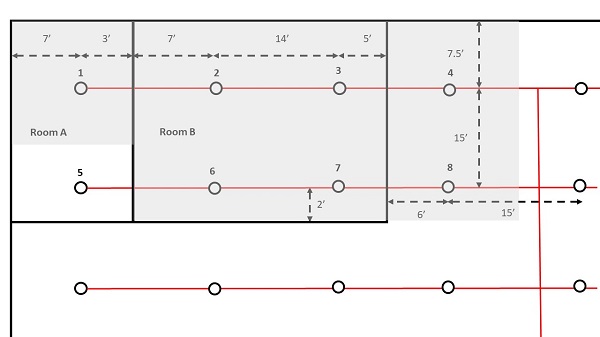
The maximum allowable distance between two sprinklers is typically determined by several factors, including the type of sprinkler system, the application area, and the specific requirements dictated by local codes or manufacturer guidelines. Generally, for conventional sprinkler systems, the distance can range from 15 to 30 feet. However, these figures can vary widely based on the specifics of the installation.
When designing a sprinkler system, consider the following aspects that influence the maximum distance:
1. Type of Sprinkler System
The type of sprinkler system being used greatly affects the distance allowable between sprinklers. Different systems have varied discharge patterns, which influence spacing.
- Conventional Sprinklers: Usually spaced around 15 to 20 feet apart.
- High-Efficiency Sprinklers: Can be spaced further apart, often up to 30 feet.
- Specialized Systems: Some specialty systems may have unique spacing requirements based on the specific application.
2. Application Area
The type of area being irrigated, such as residential lawns, gardens, or agricultural fields, plays a significant role in determining sprinkler spacing.
- Residential Lawns: Typically require less distance, around 15 to 18 feet.
- Agricultural Fields: May require larger distances, sometimes up to 25 or 30 feet, depending on crop types.
- Commercial Landscapes: Often use a mix based on plant needs and layout, usually respecting a range similar to residential needs.
3. Water Pressure and Flow Rate
The available water pressure and flow rate in the system directly impact how far apart sprinklers can be placed.
See also:
- Low Water Pressure: Might necessitate closer spacing to ensure even coverage.
- High Water Pressure: Allows for greater distances between sprinklers without compromising coverage.
- Flow Rate Considerations: Must be calculated to ensure each sprinkler receives adequate water flow for optimal performance.
4. Crop or Plant Requirements
Different types of crops or plants have varying irrigation needs which affect spacing.
- Drought-Resistant Plants: May require wider spacing due to lower water needs.
- High-Water-Requirement Crops: Often need closer sprinkler placement to meet their hydration demands.
- Established vs. New Plants: Newly planted areas might require closer watering to promote healthy root development.
5. Manufacturer Guidelines
Consulting the specific manufacturer guidelines for the sprinkler system is crucial for achieving optimal results.
- Installation Manuals: Often contain specific spacing recommendations tailored to the system.
- Performance Charts: Provide data on spacing based on different pressure conditions.
- Technical Support: Manufacturers typically offer consultation for custom installations and unique environments.
How far can sprinklers be from each other?
To determine how far sprinklers can be from each other, it’s essential to understand the specific requirements of the irrigation system being used, including the type of sprinkler, the water pressure, and the coverage area. Generally, the distance between sprinklers should be calculated to ensure adequate coverage and prevent dry spots in the irrigation zone. Most common sprinkler heads have a range that indicates optimum spacing.
General Spacing Guidelines
In general, sprinkler spacing can vary between 10 to 15 feet apart, depending on the sprinkler type and the water pressure available. The goal is to maximize water efficiency while ensuring that all areas receive adequate moisture.
Factors Affecting Spacing
Several factors play a crucial role in determining the optimal distance between sprinklers:
- Type of Sprinkler: Different sprinklers have different coverage ranges. For instance, pop-up sprinklers may have a shorter range compared to rotating sprinklers.
- Water Pressure: Higher water pressure can lead to a greater spray distance, affecting how far apart sprinklers should be installed.
- Environmental Considerations: Wind, humidity, and temperature can influence how far water travels from a sprinkler, necessitating adjustments in spacing.
Types of Sprinklers and Their Spacing
Different types of sprinklers require different spacing to function effectively:
- Fixed Spray Sprinklers: Typically, these should be spaced 10-15 feet apart, depending on the specific model and area to be covered.
- Rotary Sprinklers: These generally have a longer reach, allowing for spacing between 15-30 feet, which can vary based on the design.
- Drip Emitters: For drip irrigation systems, the distance can be much shorter, often around 1-3 feet, to target specific plants effectively.
Calculating Coverage Area
To effectively determine how far apart sprinklers should be, calculate the coverage area of each sprinkler head:
- Refer to Manufacturer Specifications: Consult the specifications provided by the manufacturer for the spray radius of the sprinkler.
- Overlap Coverage: Ensure a slight overlap in coverage to avoid dry areas. This typically means spacing them slightly less than their maximum radius.
- Adjust Based on Landscape Shape: Irregularly shaped landscapes may require additional considerations for spacing to ensure even coverage throughout.
Adjustments and Considerations
Even after initial installation, adjustments might be necessary based on observed performance:
- Monitor for Dry Spots: Keep an eye on areas that may not be receiving enough water and adjust spacing accordingly.
- Seasonal Changes: Climate changes throughout the year can also affect how well the irrigation works, prompting potential adjustments in sprinkler distances.
- Maintenance Checks: Regularly check for clogs or blockages that could affect water distribution, leading to the need for spacing adjustments.
Conclusion
By considering these factors and guidelines, it is possible to determine the optimal distance between sprinkler heads to ensure efficient irrigation while minimizing water wastage.
How far apart should each sprinkler be?
The distance between each sprinkler head is crucial for effective water coverage and to avoid dry spots in your lawn or garden. Here are several factors to consider when determining how far apart each sprinkler should be placed:
Sprinkler Type
Different types of sprinklers have varying ranges, which influence the spacing between each unit.
See also:
- Fixed Sprinklers: Typically cover a limited area, often requiring placement within 10 to 15 feet of one another.
- Rotary Sprinklers: These can cover a larger area, allowing for spacing of 15 to 25 feet apart, depending on the model.
- Impact Sprinklers: Similar to rotary types, they usually have a range of about 15 to 30 feet, enabling wider spacing.
Water Pressure
The water pressure in your irrigation system directly affects the distribution and efficiency of each sprinkler.
- High Pressure: If water pressure is elevated, sprinklers can be placed further apart without sacrificing coverage.
- Low Pressure: Conversely, when pressure is lower, sprinklers need to be installed closer together to ensure adequate watering.
- Uniform Pressure: It's essential to maintain uniform pressure throughout the system for optimal performance.
Coverage Area
Understanding the intended coverage area can help in determining the spacing of the sprinklers effectively.
- Square or Rectangular Areas: In these shapes, sprinklers should typically be placed in a way that their coverage overlaps slightly at the edges.
- Circular Areas: For gardens or lawns that are circular, positioning the sprinklers around the perimeter will ensure water reaches the center.
- Obstacles: Take into account trees, shrubs, and structures that might obstruct sprinkler coverage, requiring adjustments in placement.
Soil Type
The type of soil in your garden or lawn plays a significant role in how quickly it absorbs water, which can affect sprinkler placement.
- Sandy Soil: Drains quickly, requiring sprinklers to be placed closer together (8 to 10 feet apart).
- Clay Soil: Absorbs water slowly, often allowing for wider spacing (15 to 20 feet apart) if the watering time is extended.
- Silt Loam Soil: Ideal for irrigation as it has a balanced absorption rate; sprinklers can be spaced at average distances (10 to 15 feet).
Desired Watering Frequency
Your watering frequency can dictate how far apart to place your sprinklers, impacting both efficiency and water waste.
- Frequent Watering: If you water frequently, sprinklers can be spaced further apart since the soil stays moist longer.
- Infrequent Watering: If watering is less frequent, closer placements help ensure that the area is adequately covered, preventing drought stress.
- Seasonal Variations: Adjusting spacing based on seasonal needs can maximize water use and plant health.
What is the 3x rule for sprinklers?
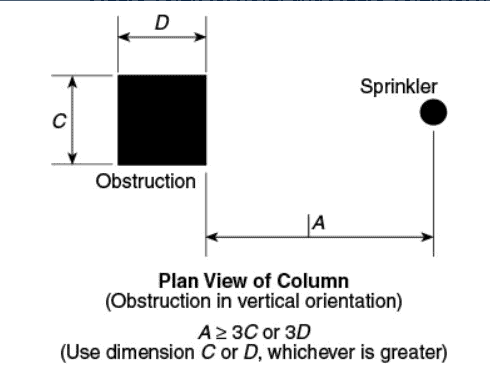
The 3x rule for sprinklers is an important guideline used in the design and installation of irrigation systems. This rule primarily suggests that the spacing of sprinkler heads should be three times the radius of the spray pattern they cover. This ensures that the area remains adequately irrigated without overlaps, which can lead to water wastage or insufficient coverage.
Understanding the 3x Rule
The 3x rule emphasizes that the distance between sprinkler heads should be calculated based on their effective spray radius. This means that if a sprinkler has a spray radius of 10 feet, the heads should be spaced at least 30 feet apart. This principle helps in achieving even distribution and avoids water pooling in certain areas.
- Minimizes water wastage.
- Ensures uniform coverage.
- Facilitates easier management of the irrigation system.
Benefits of the 3x Rule
Adhering to the 3x rule offers several benefits to users. By properly spacing the sprinklers, homeowners or landscape managers can achieve efficient resource usage, improve plant health, and even reduce labor costs associated with maintenance.
- Reduces the risk of diseases caused by overwatering.
- Promotes robust growth due to consistent moisture levels.
- Increases the lifespan of the irrigation system through reduced strain.
Applications of the 3x Rule
The 3x rule applies to various contexts, such as residential gardens, commercial landscapes, and agricultural fields. Depending on the type of plants or crops, the application of this rule can vary slightly, but the foundational principle remains the same across different scenarios.
- Residential lawn irrigation.
- Agricultural field watering.
- Commercial landscaping and parks.
Common Mistakes with the 3x Rule
Failing to follow the 3x rule can lead to several common mistakes that undermine the effectiveness of an irrigation system. Overlapping sprinkler coverage or excessive spacing can disrupt the balance necessary for healthy plant growth.
- Overlapping coverage causing water waste.
- Inadequate moisture in dry zones.
- Increased operational costs due to inefficiencies.
Adjustments and Considerations for the 3x Rule
While the 3x rule serves as a strong guideline, certain adjustments may be needed based on specific site conditions, vegetation types, and soil characteristics. Evaluating these factors can lead to more tailored irrigation strategies.
- Soil type affecting water retention.
- Plant types with varying water needs.
- Environmental conditions such as wind and temperature.
Questions from Our Readers
What factors determine the maximum distance between two sprinklers?
The maximum distance between two sprinklers is influenced by several factors, including the sprinkler type, water pressure, and flow rate. Each sprinkler model is designed to operate effectively within specific coverage areas, and understanding these specifications helps achieve optimal irrigation.
What is the typical range for sprinkler spacing?
The typical range for spacing between sprinklers usually falls between 10 to 30 feet, depending on the type of sprinkler being used. For example, rotary sprinklers may require a greater distance compared to fixed spray heads, which have a smaller coverage area.
See also:
How does water pressure affect sprinkler distance?
Water pressure plays a crucial role in determining the distance between sprinklers; higher pressure allows for larger spray patterns and greater spacing. If the pressure is too low, sprinklers may not reach their intended areas, resulting in uneven irrigation and wasted water.
Can I place sprinklers closer together if I use a higher flow rate?
Placing sprinklers closer together with a higher flow rate can create overlapping coverage, which may lead to water pooling and inefficient watering. It is essential to maintain a balance between coverage and spacing to ensure even irrigation while avoiding excess water in one area.

If you want to read more articles like What is the Maximum Distance Between Two Sprinklers? Essential Guide for Effective Irrigation Design, we recommend you check out our Irrigation category.
Leave a Reply
Related Articles