What is the Lady of the Night Plant in Australia? A Complete Guide to Its Care and Benefits

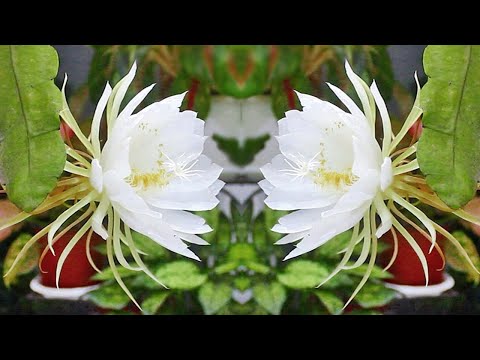
The Lady of the Night plant, also known as the Epiphyllum oxypetalum, is a captivating addition to gardens and indoor spaces across Australia. Renowned for its striking flowers that bloom at night, this unique plant offers both aesthetic and aromatic benefits. In this comprehensive guide, we will explore the characteristics of the Lady of the Night, its ideal growing conditions, and essential care tips to ensure it thrives. Additionally, we'll delve into the various advantages of incorporating this enchanting plant into your home or garden, making it a must-have for gardening enthusiasts and casual plant lovers alike.
What is the Lady of the Night Plant in Australia?
The Lady of the Night plant, scientifically known as Cestrum nocturnum, is a member of the Solanaceae family that is native to the tropics of the Americas but has become particularly popular in Australia due to its fragrant white flowers that bloom predominantly at night. This perennial shrub can grow up to 2 meters tall and is often cultivated in gardens for its appealing scent, which attracts moths and other nocturnal pollinators. While it thrives in warm climates, its ability to adapt to various soil types and low maintenance requirements make it a favored choice among gardeners. However, it is important to note that the plant is considered toxic if ingested, which poses potential risks to pets and children.
Characteristics of the Lady of the Night Plant
The Lady of the Night plant is characterized by its glossy, dark green leaves and clusters of small, tubular flowers that open in the evening, releasing a powerful fragrance that can fill the air around it. The blooms are typically greenish-white and can attract a range of pollinators. The plant itself grows quickly and can reach a height of up to 2 meters, making it a prominent feature in many gardens.
Habitat and Growing Conditions
In Australia, the Lady of the Night plant thrives in well-drained soils and prefers a spot with full sun to partial shade. It is relatively drought-tolerant once established, which makes it suitable for various Australian climate conditions. The plant may grow rapidly in ideal conditions, often requiring pruning to maintain its shape and prevent it from becoming too leggy.
Toxicity and Safety Precautions
Despite its beauty and fragrant flowers, the Lady of the Night plant contains toxic compounds that can be harmful if ingested. All parts of the plant, including the berries and leaves, may cause symptoms such as nausea, vomiting, and diarrhea if consumed by humans or animals. Therefore, it is essential for gardeners to keep a close eye on pets and children in areas where this plant is grown.
See also:
Uses in Landscaping
The Lady of the Night plant is appreciated in landscaping for its ability to add vertical interest and its nighttime fragrance. Gardeners often use it as a backdrop for flower beds or as a specimen plant due to its striking appearance. Additionally, it can be used in scented gardens or to attract beneficial night-flying insects, enhancing biodiversity in the garden.
Maintenance and Care
Maintenance of the Lady of the Night plant is relatively simple, as it does not require extensive care once established. Regular watering is necessary during dry spells, and light pruning can encourage bushier growth and more abundant flowering. Furthermore, applying a balanced fertilizer during the growing season can enhance its blooming potential and overall health.
| Feature | Details |
|---|---|
| Scientific Name | Cestrum nocturnum |
| Height | Up to 2 meters |
| Flowering Time | Nocturnal, blooms at night |
| Toxicity | All parts are toxic if ingested |
| Growing Conditions | Full sun to partial shade, well-drained soil |
Understanding the Unique Characteristics of the Lady of the Night Plant
The Lady of the Night Plant, also known as Brugmansia, is renowned for its stunning trumpet-shaped flowers and intoxicating fragrance that attracts numerous pollinators at night. Native to South America, this plant thrives in Australia's subtropical climates, offering exceptional beauty and an exotic touch to gardens. It is crucial to provide the right care by ensuring well-drained soil, adequate water during dry spells, and protection from harsh winds, allowing the plant to flourish and showcase its remarkable blooms.
Origin and Distribution of the Lady of the Night Plant
The Lady of the Night Plant originates from South America, specifically the Andean regions, where it is commonly found in habitats such as rainforests. Over the years, it has been introduced to other countries, including Australia, where it has adapted well to the local environment. Its presence in Australian gardens brings an exotic aesthetic, and its night-blooming flowers release a captivating perfume that has mesmerized many plant enthusiasts.
Planting and Soil Requirements
When planting the Lady of the Night Plant, it is essential to choose a location that receives partial to full sunlight for optimal growth. The soil should be well-draining and rich in organic matter. A mixture of potting soil and compost can enhance nourishment. Regularly checking for adequate moisture is necessary, as overly wet conditions can lead to root rot, while too dry soil will hinder its development.
See also:
Watering and Fertilization Practices
Proper watering is vital to maintaining the health of the Lady of the Night Plant. During the growing season, it requires consistent moisture, so watering once or twice a week is recommended, depending on weather conditions. In the winter months, watering should be reduced as the plant goes dormant. Fertilization with a balanced, water-soluble fertilizer every four to six weeks during the growing season promotes lush foliage and abundant blooms.
Pest and Disease Management
The Lady of the Night Plant can be susceptible to pests such as aphids, spider mites, and whiteflies, which can hinder its growth and flowering. Regular inspection and immediate treatment with insecticidal soap or neem oil are recommended for effective pest control. Additionally, keeping the plant in good condition helps prevent diseases like root rot and powdery mildew, which can thrive in stressed or overcrowded conditions.
Benefits of the Lady of the Night Plant
Apart from its stunning visual appeal, the Lady of the Night Plant offers numerous benefits. Its fragrant flowers have a calming effect, making it an excellent addition to aromatic gardens. Furthermore, it attracts beneficial pollinators like moths and bees during the night, supporting the local ecosystem. Moreover, the plant's leaves and flowers have traditionally been used in herbal remedies, showcasing its significance beyond ornamental purposes.
Questions from Our Readers
What is the Lady of the Night plant?
The Lady of the Night plant, scientifically known as Cestrum nocturnum, is a fragrant shrub native to tropical regions, including Australia. This deciduous plant is recognized for its small, tubular flowers that emit a strong, sweet fragrance at night, attracting nocturnal pollinators.
Is the Lady of the Night plant native to Australia?
While the Lady of the Night plant is originally from tropical America, it has been naturalized in various parts of Australia. Its ability to thrive in different climates has allowed it to become a common feature in gardens and landscapes across the country.
See also:
How do you care for a Lady of the Night plant?
To care for the Lady of the Night plant, it is important to provide well-drained soil and ensure it receives full sun to partial shade. Regular watering, especially during dry periods, contributes to its healthy growth and helps maintain its fragrant blooms.
Are there any pests or diseases that affect the Lady of the Night plant?
Yes, the Lady of the Night plant can be susceptible to various pests such as aphids and spider mites, as well as diseases like root rot if overwatered. Regular monitoring and proper care can help prevent these issues and keep the plant thriving.
If you want to read more articles like What is the Lady of the Night Plant in Australia? A Complete Guide to Its Care and Benefits, we recommend you check out our Landscaping category.
Leave a Reply
Related Articles