What is the Harrington Rule of Seed Storage? Essential Guide for Seed Preservation Techniques
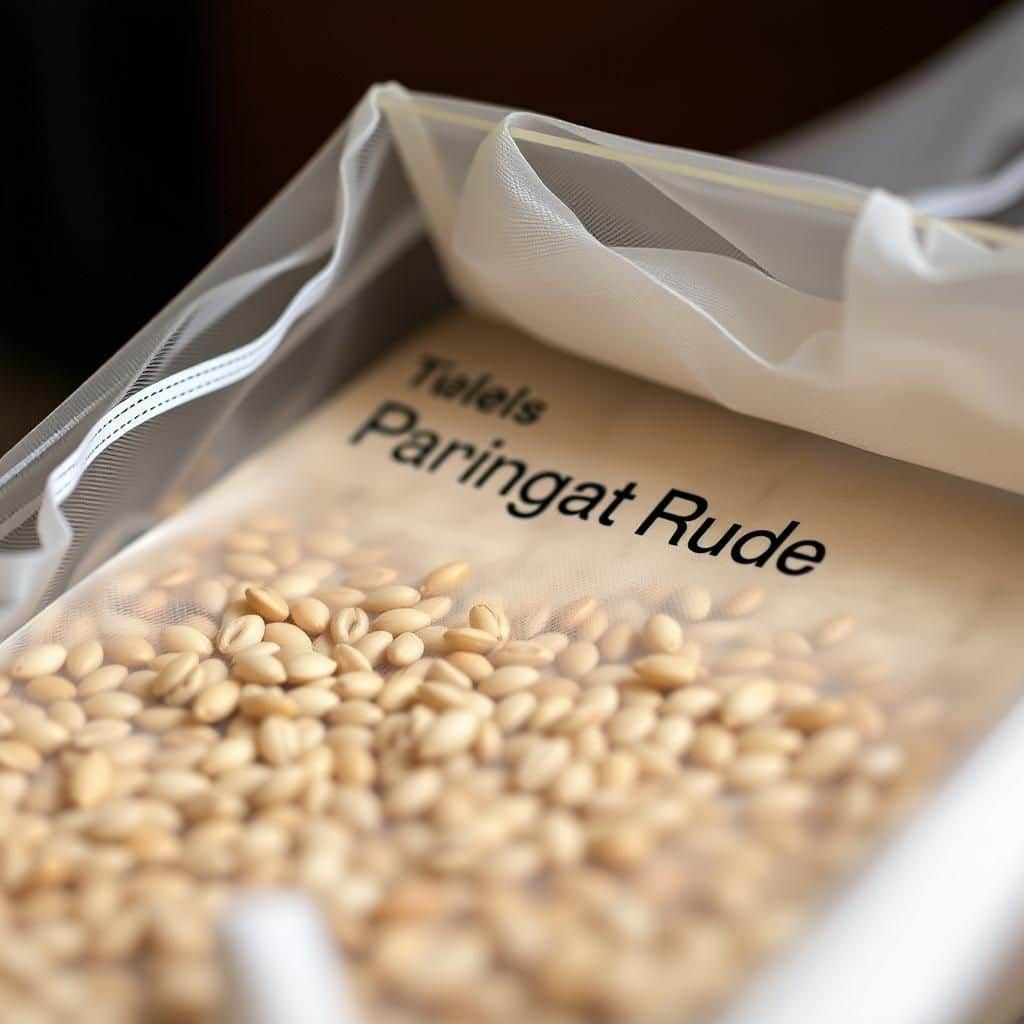
The Harrington Rule of Seed Storage is a fundamental guideline for effective seed preservation, focusing on the delicate balance between moisture content and temperature. Understanding this rule is essential for both amateur gardeners and professional seed producers, as it directly influences the viability and longevity of seeds. This article serves as an essential guide, exploring various seed preservation techniques informed by the Harrington Rule. By following these principles, enthusiasts can ensure optimal storage conditions, maintain seed quality, and enhance germination rates. Dive into the intricacies of seed storage and discover how to maximize your seed-saving efforts for future planting success.
Understanding the Harrington Rule of Seed Storage
The Harrington rule of seed storage is a widely recognized guideline in agriculture that helps determine the optimal storage conditions for seeds to maintain their viability and longevity. Developed by the scientist H.G. Harrington, this rule suggests that the moisture content of seeds and the storage temperature are critical factors in preserving seed quality. According to the rule, seeds can be stored for extended periods if they are kept at low moisture levels and cool temperatures. Specifically, the rule indicates that for every 1% increase in seed moisture content, the seed's lifespan is cut by half when stored at a temperature of about 20°C (68°F). Hence, it emphasizes the importance of controlling both the moisture content and the temperature in seed storage facilities to ensure successful planting in the future.
Principles of the Harrington Rule
The principles of the Harrington rule focus on the relationship between seed moisture, temperature, and storage duration. The rule suggests that seeds stored with a moisture content lower than 8% can last for many years. In contrast, seeds with higher moisture levels can deteriorate quickly, exponentially increasing the risk of fungal growth and loss of viability. This principle underscores the need for precise monitoring and control in seed storage environments to optimize the conditions under which seeds are kept.
Impact of Moisture Content on Seed Longevity
Moisture content is one of the most significant factors affecting seed longevity. Seeds with high moisture levels are more vulnerable to respiration, which can lead to deterioration over time. Furthermore, excess moisture provides an environment conducive to microbial activity, which can compromise the seeds' viability. The Harrington rule highlights that maintaining a proper balance of moisture is essential for successful seed storage, ensuring that seeds remain viable for planting in subsequent seasons.
Temperature Considerations in Seed Storage
Temperature plays a crucial role in the effectiveness of seed storage. The Harrington rule emphasizes that cooler temperatures significantly contribute to extending seed shelf life. Temperatures should ideally be kept as low as possible, generally around 5°C (41°F) or lower, which can lead to substantial increases in the duration seeds can be stored without losing viability. High temperatures accelerate biochemical processes within the seeds, which can lead to faster deterioration and loss of germinative potential.
Applications of the Harrington Rule in Agriculture
The application of the Harrington rule in agriculture is paramount for seed banks, farmers, and researchers, as it provides a framework for maintaining seed quality. By following the rule, agricultural professionals can create optimal storage conditions that minimize waste and ensure that a diverse range of seeds can be preserved for future planting. This practice not only supports current agricultural needs but also aids in conservation efforts for various seed varieties, safeguarding against biodiversity loss.
Challenges and Limitations of the Harrington Rule
Despite its benefits, the Harrington rule faces challenges and limitations. One major limitation involves the variability of seeds; different species may have varying requirements for moisture and temperature, making a one-size-fits-all approach difficult. Additionally, environmental factors such as humidity and airflow can impact storage conditions, and failure to consider these can undermine the effectiveness of the Harrington rule. Therefore, practitioners must adapt the guidance of this rule to their specific context, taking into account the unique properties and needs of the seeds they are storing.
| Factor | Recommended Level | Impact on Seed Longevity |
|---|---|---|
| Moisture Content | Less than 8% | Extends lifespan significantly |
| Storage Temperature | 5°C or lower | Reduces respiration rate |
| High Temperatures | Above 20°C | Accelerates deterioration |
| Humidity | Control critical | Prevents microbial growth |
What is the Harrington rule?

The Harrington rule, also known as Harrington's rule, is a guideline used primarily in the context of artificial intelligence and decision-making systems, particularly in scenarios involving uncertainty and conflicting information. It suggests that if there are multiple possible actions or decisions to choose from, the best course of action is to select the one with the highest expected utility. This rule emphasizes the importance of making rational choices based on available information, thus aiming to maximize the outcome in uncertain situations.
Understanding the Basis of the Harrington Rule
The Harrington rule is grounded in principles of expected utility theory, which posits that individuals make choices that maximize their expected satisfaction or benefit. In situations with uncertainty:
- Utility Maximization: The goal is to choose actions that yield the highest expected utility.
- Uncertainty Handling: It helps in navigating decisions where information may be incomplete or uncertain.
- Rational Decision-Making: It promotes a rational approach to decision-making based on quantifiable outcomes.
Applications of the Harrington Rule
The Harrington rule can be applied across various fields including economics, finance, and AI systems. Its applications often include:
- Investment Decisions: Investors apply the rule to evaluate potential returns from different assets.
- Game Theory: In strategic interactions, it aids players in selecting optimal strategies under uncertainty.
- Robotics and AI: Autonomous systems use it to make informed decisions in dynamic environments.
Advantages of Using the Harrington Rule
Employing the Harrington rule provides several significant advantages, such as:
See also:
- Structured Decision-Making: It offers a systematic approach to making choices in complex scenarios.
- Informed Choices: Enhances the quality of decisions by relying on quantitative metrics.
- Better Risk Management: It helps in assessing risks and rewards, facilitating more informed risk-taking.
Limitations of the Harrington Rule
While the Harrington rule offers numerous benefits, certain limitations need consideration, including:
- Information Dependence: The effectiveness highly relies on the availability of accurate data.
- Complexity in Calculation: As situations become more complex, calculating expected utilities can be challenging.
- Over-Simplification: It may oversimplify decisions by focusing solely on quantifiable outcomes, overlooking qualitative factors.
Future Perspectives on the Harrington Rule
Looking ahead, the Harrington rule might evolve with advancements in data analysis and artificial intelligence. Future considerations may include:
- Integration with Machine Learning: Enhancing the rule’s applicability in adaptive systems.
- Broader Applications: Expanding its use in emerging fields like behavioral economics.
- Improved Decision Frameworks: Developing advanced models that accommodate qualitative factors alongside quantitative analyses.
What are the guidelines for seed storage?

Understand Seed Types
Different types of seeds have varying storage requirements. Before storing seeds, it's crucial to identify whether they are hybrid, open-pollinated, or heirloom. Each category may have distinct traits that affect longevity and viability:
- Hybrid seeds often have a shorter shelf life as they are bred for specific traits and may not produce true-to-type offspring if replanted.
- Open-pollinated seeds can be saved and replanted over generations, making them a good choice for long-term storage.
- Heirloom seeds, known for their historical significance, typically offer the best storage options due to their adaptability and greater genetic diversity.
Optimal Storage Conditions
The conditions under which seeds are stored greatly affect their longevity. Ideal storage conditions include:
- Seeds should be kept in a cool, dark, and dry environment to minimize moisture and temperature fluctuations.
- Humidity levels should not exceed 20% to prevent fungal growth or seed rot.
- Utilize airtight containers, such as glass jars or vacuum-sealed bags, to protect seeds from pests and external moisture.
Label and Date All Seeds
Proper labeling is crucial for effective seed storage. Each container should be clearly marked with important information, including:
- The seed variety ensures you know what you are planting next season.
- The date of storage allows you to track seed viability and plan for usage in future seasons.
- Additional notes on whether the seeds are organic or treated can help in planning your garden organically.
Regularly Check Seed Viability
Routine checks on stored seeds can help identify any deterioration in quality. To assess viability:
- Conduct the float test where seeds are placed in water; those that float are generally not viable.
- Try a germination test by planting a sample of the seeds to see how many sprout.
- Check for any signs of mold or pests in the storage containers; this addresses issues before they impact seed quality.
Considerations for Long-term Storage
For long-term seed storage, additional considerations are necessary to maintain seed health over extended periods:
- Seeds can be stored in a freezer for extended viability, but ensure they are completely dry and in airtight containers to prevent ice crystal formation.
- Consider using desiccants or moisture-absorbing materials to further mitigate humidity within storage containers.
- Periodically move seeds from cold storage to allow gradual temperature adjustments and avoid condensation during removal.
What is the correct way of seed storage?

Understanding Seed Viability
Seed viability refers to the ability of seeds to germinate and produce new plants. Factors affecting viability include soil conditions, temperature, and moisture levels. To ensure seeds remain viable for long periods, it's essential to:
- Test seed viability before storage by placing a few seeds on a damp paper towel and observing germination.
- Use fresh seeds, ideally harvested within the last year, as older seeds have lower viability rates.
- Document the date of storage to monitor and evaluate the lifespan of the seeds.
Choosing the Right Storage Containers
The choice of storage containers plays a vital role in preserving seed quality. Containers must be airtight and inhibit light exposure. Suitable options for seed storage include:
- Paper envelopes - good for short-term storage and allow moisture to escape.
- Glass jars - airtight and ideal for long-term storage, but they must be kept in a dark area.
- Plastic containers - lightweight and durable, ensuring they are opaque to prevent light exposure.
Optimal Storage Conditions
To maintain seed viability, it is crucial to provide the right storage conditions. Seeds should ideally be stored in a cool, dark, and dry environment. The key aspects to consider include:
See also:
- Temperature - aim for a steady temperature ideally between 32°F to 41°F (0°C to 5°C).
- Humidity - maintain low humidity levels, ideally under 20% to prevent mold and deterioration.
- Light exposure - keep seeds in a dark area to prevent degradation caused by sunlight.
Labeling the Seeds
Proper labeling is essential for managing stored seeds. Clearly identifying seed types helps track what you have and when it was stored. Consider the following tips for labeling:
- Include the seed type, such as tomato, pepper, or carrot, on the label.
- Date of storage should be noted to assess the viability period later.
- Germination instructions can also be included, especially if seeds have specific requirements.
Regular Checks and Maintenance
Regularly checking seeds during storage is vital to ensure they remain in good condition. This includes assessing for any signs of decay or infestation. Key maintenance actions are:
- Inspect for pests - examine the containers for any signs of insects or mold.
- Moisture control - ensure that there is no excess moisture in the containers to prevent mold formation.
- Rotate stocks - use older seeds first to ensure nothing goes to waste and maintain freshness.
Is it better to store seeds in the refrigerator or freezer?

Storing seeds properly is crucial for maintaining their viability and ensuring successful germination. When considering whether to store seeds in the refrigerator or freezer, both methods offer distinct advantages and disadvantages.
Benefits of Storing Seeds in the Refrigerator
Storing seeds in the refrigerator helps to maintain a moderate temperature and humidity level, which is essential for seed preservation.
- Temperature Control: The refrigerator provides a consistent and cool environment, which slows down the metabolic processes within the seeds.
- Humidity Management: Refrigerators generally have lower humidity levels compared to freezers, making it less likely that seeds will suffer from ice crystal formation that can occur in freezing conditions.
- Accessibility: Seeds stored in the refrigerator are easily accessible for regular use and checking, which encourages the gardener to monitor their condition.
Benefits of Storing Seeds in the Freezer
Freezing seeds can extend their shelf life significantly by preserving them in a much colder environment.
- Long-Term Preservation: Freezing can prolong the lifespan of seeds beyond that achievable with refrigeration, especially for certain types of seeds that are sensitive to aging.
- Reduced Pests and Diseases: A frozen environment diminishes the likelihood of pest infestations and inhibits the growth of mold or other diseases.
- Viability Retention: Seeds that are frozen tend to retain their germination rates better than those kept at room temperature or even in the refrigerator over extended periods.
Optimal seed preparation before storage
Prior to storing seeds, proper preparation can greatly affect their longevity and germination.
- Drying Seeds: Ensure seeds are thoroughly dried to a moisture content of about 5-7% before storage to avoid deterioration in both refrigerated and frozen conditions.
- Sealing Properly: Store seeds in airtight containers to protect them from moisture and air, using materials like glass jars or vacuum-sealed bags.
- Labeling: Label each container with the type of seeds and the storage date to effectively track viability and use times.
Effects of Temperature on Seed Viability
Temperature plays a crucial role in the viability of seeds throughout their storage period.
- High Temperatures: Storing seeds at elevated temperatures can lead to accelerated aging, resulting in decreased viability over time.
- Low Temperatures: Cold temperatures in either the fridge or freezer help maintain seed quality by reducing enzymatic activity that can degrade seeds.
- Fluctuations: Frequent temperature fluctuations should be avoided as they can cause condensation inside the storage container, leading to potential damage.
Considerations for Specific Seed Types
Different types of seeds may have unique requirements for optimal storage conditions.
- Hardy Seeds: Seeds from plants such as perennial vegetables and flowers are typically more forgiving and can thrive under a range of storage conditions.
- Delicate Seeds: Herb and vegetable seeds that are sensitive may benefit more from refrigeration as opposed to freezing, which could harm them.
- Tropical Seeds: Seeds from tropical plants often require higher moisture environments, suggesting that refrigerator storage might be less appropriate for long-term viability.
Questions from Our Readers
What is the Harrington rule of seed storage?
The Harrington rule of seed storage is a guideline that helps determine the optimal conditions for storing seeds to maintain their viability over time. It states that the longevity of seeds increases as the storage temperature decreases and as the seed moisture content decreases. Following this rule ensures that seeds remain healthy and have a greater chance of successful germination when planted.
Why is moisture content important in the Harrington rule?
Moisture content is crucial because high humidity can lead to the growth of fungi and bacteria, which can damage seeds and reduce their shelf life. The Harrington rule emphasizes that storing seeds with a low moisture content, typically around 6-8%, significantly extends their longevity, preventing deterioration and maintaining their germination capacity for future use.
How does temperature affect seed storage according to the Harrington rule?
According to the Harrington rule, temperature plays a pivotal role in the longevity of seeds. Generally, the lower the storage temperature, the longer the seeds will remain viable. For instance, storing seeds in a cool and dry environment, ideally around or below 0°C (32°F), helps to slow down the aging process and preserves their germination potential for many years.
See also:
Can the Harrington rule be applied to all types of seeds?
While the Harrington rule is a valuable guideline for most seeds, the effectiveness can vary depending on specific seed species and their unique storage requirements. Some seeds, such as those from tropical plants, may require different conditions for optimal storage. Therefore, it is essential to consider species-specific recommendations alongside the Harrington rule to achieve the best results in seed preservation.

If you want to read more articles like What is the Harrington Rule of Seed Storage? Essential Guide for Seed Preservation Techniques, we recommend you check out our Seeds category.
Leave a Reply
Related Articles