What is the hardest thing to grow in a garden? Discover Tips and Tricks for Successful Gardening
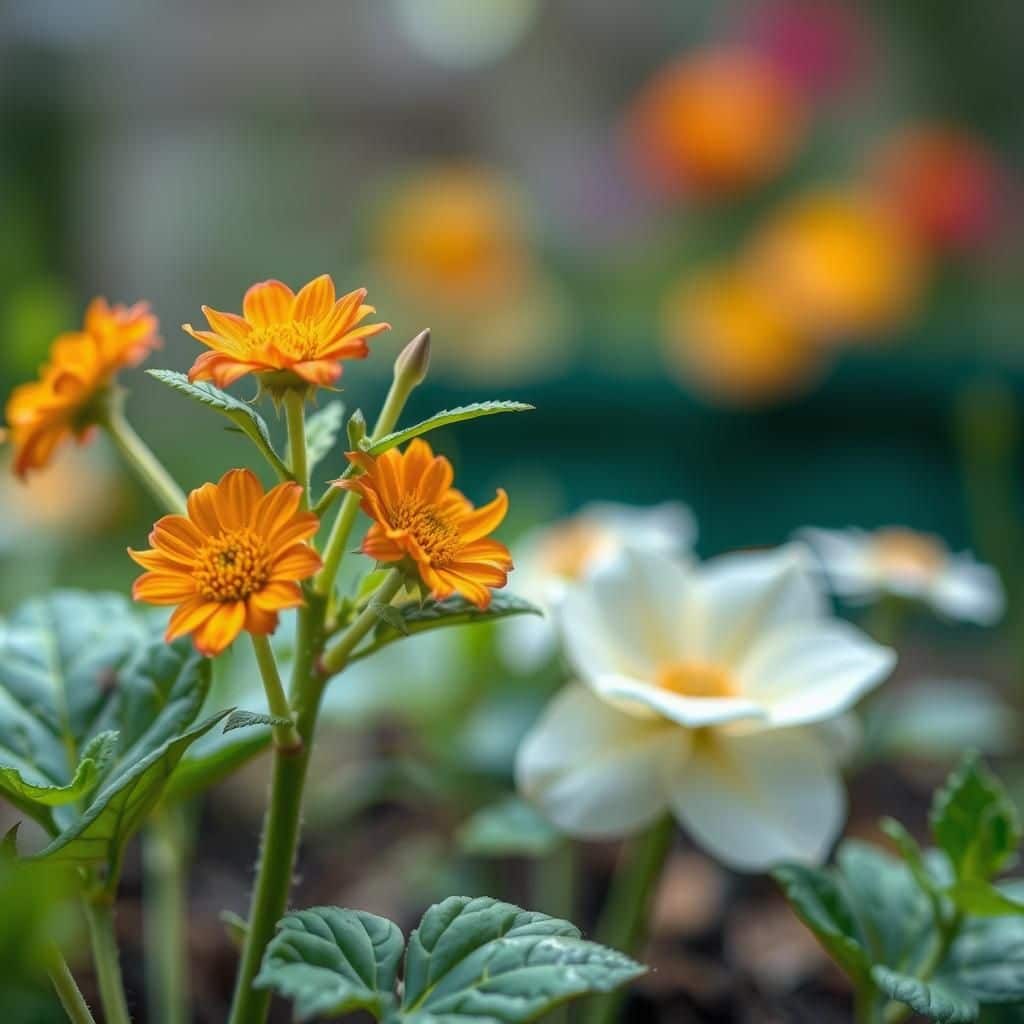
Gardening is a rewarding yet challenging endeavor that varies significantly based on the plants we choose to cultivate. Among the myriad of options available, some plants are notoriously difficult to grow, requiring specific conditions, care, and patience. This article delves into the hardest things to grow in a garden, from delicate fruits to exotic flowers, and reveals essential tips and tricks to overcome the challenges they present. Whether you're an experienced gardener or a novice, understanding these obstacles can enhance your gardening skills and lead to a more fruitful and enjoyable experience in your green sanctuary.
What is the Hardest Thing to Grow in a Garden?
Growing certain plants in a garden can pose significant challenges, often due to factors such as climate, soil conditions, and pest management. Generally, the hardest crops to cultivate are those that require highly specific conditions, such as fragrant herbs, exotic fruits, or delicate flowers. For example, growing wasabi, a plant native to Japan, can be particularly difficult due to its need for cool, flowing water and specific soil conditions. Similarly, some tropical fruits, like the jackfruit or durian, may struggle to thrive outside their native climates, requiring greenhouse setups or other controlled environments. The intricacies of caring for these plants — including temperature regulation, watering requirements, and the prevention of pests — contribute to their reputation as the most challenging to grow in typical home gardens.
Challenges of Growing Wasabi
Growing wasabi is notoriously difficult because it requires very specific conditions, including cool temperatures, abundant shade, and pure, flowing water to thrive. Unlike many other garden plants, wasabi can take up to two years to mature, making it essential for growers to provide consistent care to avoid disease and ensure quality roots. Additionally, because authentic wasabi is susceptible to pests and contaminants, maintaining a clean environment is crucial, making it a daunting task for amateur gardeners.
The Rigors of Cultivating Tropical Fruits
Tropical fruits like jackfruit and durian present distinct challenges due to their need for warm weather and high humidity. Many home gardeners live in temperate regions where such conditions do not exist. These fruits not only require specific climate conditions but also have longer growing seasons, which can lead to potential pest issues and difficulties in managing their unique nutritional needs. Because of these complexities, growing these plants often necessitates specialized knowledge and equipment, which can intimidate even experienced gardeners.
Growing Medicinal Herbs
Medicinal herbs, such as gotu kola and ashwagandha, often require careful attention to their specific growing conditions, including soil type, light exposure, and watering schedules. The potential for pests and diseases also complicates their cultivation. Furthermore, these herbs may embody sensitive growth stages where their medicinal properties can be affected dramatically by slight variances in environmental factors, demanding a level of precision that many home gardeners might find challenging to achieve.
Delicate Flower Varieties
Growing delicate flowers like orchids or bleeding hearts can also prove quite taxing. These flowers often require precise temperatures, humidity, and light levels to flourish. Moreover, the susceptibility of these plants to various diseases and pests adds an additional layer of difficulty. Successful cultivation often calls for a combination of patience, specific growing conditions, and sometimes even expert guidance to realize their full bloom.
Soil Requirements for Difficult Crops
The soil is one of the most critical factors affecting the growth of challenging garden crops. Many hard-to-grow plants have specific nutrient and pH requirements that must be meticulously met. For instance, plants like blueberries thrive in acidic soil, while others may need rich, loamy soil to conserve moisture and provide adequate drainage. Gardeners who wish to cultivate these difficult crops often must invest significant time and resources in soil amendment and testing to create optimal conditions.
| Plant | Challenges | Ideal Conditions |
|---|---|---|
| Wasabi | Specific temperature and water needs | Cool, shady, clean water |
| Jackfruit | Warm climate, long growing season | High humidity & warmth |
| Medicinal Herbs | Precise care, pest management | Ideal soil & moisture levels |
| Orchids | Sensitive to environmental changes | Controlled humidity & light |
| Blueberries | Acidic soil requirements | Rich, well-drained soil |
What is the hardest plant to grow in a garden?

The hardest plant to grow in a garden is often considered to be the Japanese maple (Acer palmatum). Known for its stunning foliage and unique growth habits, this tree can be challenging due to its specific growing conditions and vulnerability to pests and diseases. It requires careful attention to its environment, making it a test for even experienced gardeners.
Growing Conditions
The Japanese maple thrives under specific conditions that can be hard to replicate. This includes:
See also:
- Soil Type: A well-drained, slightly acidic soil with high organic content is ideal.
- Climate: It prefers mild climates and struggles in extreme temperatures.
- Sunlight: While it needs sunlight, it can suffer from leaf scorch if exposed to intense afternoon sun.
Pest and Disease Vulnerability
These trees are particularly susceptible to various pests and diseases, requiring vigilant management:
- Leaf Spot: Fungal infections can lead to unsightly spots, affecting the tree's health.
- Scale Insects: These pests suck sap from the tree, weakening it over time.
- Powdery Mildew: A fungal issue that thrives in humid conditions, it can damage leaves and reduce vitality.
Watering Needs
The watering requirements of a Japanese maple are critical to its survival and growth:
- Consistent Moisture: The soil should be kept consistently moist but not waterlogged.
- Drainage: Poor drainage can lead to root rot, a common problem for this tree.
- Mulching: Applying mulch helps retain moisture while also controlling temperature.
Pruning and Maintenance
Proper pruning and maintenance are essential for the health of Japanese maples:
- Timing: Pruning is best done in late winter or early spring before new growth starts.
- Techniques: Using proper techniques ensures healthy shape and growth.
- Removing Deadwood: Regularly removing dead branches prevents disease and improves appearance.
Seasonal Challenges
Seasonal changes can pose significant challenges for the Japanese maple:
- Winter Protection: Young trees may require additional protection from frost and snow.
- Summer Heat: High temperatures can cause stress, necessitating additional watering and shade.
- Autumn Colors: Dramatic color changes can attract pests, requiring careful monitoring of leaf health.
What is the rule of 3 in gardening?

The Rule of 3 in gardening is a design principle that suggests using groups of three or more plants to create more visually appealing and harmonious arrangements. This rule is grounded in the idea that odd numbers tend to be more aesthetically pleasing and natural to the human eye. By incorporating the Rule of 3, gardeners can create dynamic compositions, draw attention to specific plants, and foster a sense of balance within garden spaces.
Importance of Odd Numbers in Planting
Using odd numbers, particularly three, provides a more natural look in garden designs. This principle is rooted in the way our eyes perceive patterns and groups. When plants are arranged in clusters of three, they tend to create a more focal point compared to even-numbered groupings.
- Odd groupings lead to less symmetry, which feels more organic.
- Groups of three create a sense of movement and flow in the garden.
- The eye is naturally drawn to the center plant, enhancing visual interest.
Creating Visual Interest
The Rule of 3 helps to create visual interest in a garden by organizing plants in a manner that encourages exploration and discovery. By varying the heights, textures, and colors of the plants within the trio, a gardener can captivate visitors and increase the overall appeal of the garden landscape.
- Group plants with complementary colors for striking contrasts.
- Combine various heights to add dimension and depth.
- Utilize different textures to enhance tactile and visual engagement.
Functional Uses of the Rule of 3
Apart from aesthetics, the Rule of 3 in gardening also aids in the functional aspects of plant selection and placement. When plants with similar needs are grouped together, it simplifies maintenance and ensures better health for the garden.
- Improved watering strategies as plants with similar needs share resources.
- Easier pest control management by targeting specific groups of plants.
- Facilitated planting practices, allowing for quicker spacing decisions.
Enhancing Biodiversity
By applying the Rule of 3, gardeners can enhance the biodiversity of their spaces. This principle encourages the combination of different species, which can lead to healthier ecosystems. A diverse garden can be more resilient against pests and diseases, and also attracts beneficial wildlife.
See also:
- Encourages planting of native species alongside exotics.
- Diversification promotes a range of pollinators and beneficial insects.
- Helps establish a balanced environment, which supports sustainability.
Examples of the Rule of 3 in Practice
The Rule of 3 can be observed in various gardening styles, from formal to cottage gardens. Utilizing this principle creatively can lead to stunning results, making the most of the garden's potential.
- Planting three perennials together to create a striking bed display.
- Using three different shrubs to shape a garden corner.
- Incorporating three types of annuals for seasonal color changes.
What is the hardest part about gardening?

The hardest part about gardening can vary from person to person, depending on their experience level, the type of plants they are growing, and the environmental conditions in their area. However, there are several common challenges that many gardeners face.
Weather Conditions
Weather conditions can significantly impact gardening success. Understanding and adapting to the weather is crucial for plant growth.
- Temperature fluctuations: Sudden changes in temperature can stress plants, leading to issues such as wilting or delayed growth.
- Precipitation: Too much or too little rain can affect soil moisture levels, causing waterlogged roots or drought stress.
- Wind: Strong winds can damage delicate plants and disrupt pollination processes.
Pest and Disease Management
Dealing with pests and diseases is a persistent challenge in gardening. Effective management is crucial to protect plants.
- Identifying pests: Some pests can be difficult to spot, making early intervention challenging.
- Disease outbreaks: Fungal and bacterial infections can spread quickly among plants if not addressed promptly.
- Choosing treatment: Selecting the right pest control methods—organic or chemical—can be overwhelming and require research.
Soil Quality and Preparation
Soil quality is fundamental to successful gardening. Poor soil can hinder plant growth, making preparation essential.
- Soil testing: Analyzing soil composition and pH levels can be complicated and is often overlooked by beginners.
- Nutrient management: Knowing how to appropriately fertilize and amend soil can significantly impact plant health.
- Drainage: Ensuring proper drainage is crucial, as waterlogged soil can lead to root rot and other issues.
Time Commitment
Gardening is not just a hobby; it requires a significant investment of time and effort.
- Regular maintenance: Tasks such as weeding, pruning, and watering need to be done consistently to keep plants healthy.
- Seasonal changes: Each season brings new tasks, such as planting in spring or harvesting in fall, which require careful planning.
- Learning curve: Gardening involves continual learning about plants, techniques, and environmental factors, which can be time-consuming.
Choosing the Right Plants
Selecting the appropriate plants for your specific environment is crucial but often difficult.
- Understanding hardiness zones: It is essential to know which plants will thrive in your area's climate and soil.
- Plant compatibility: Some plants do not grow well together, requiring knowledge of companion planting.
- Maintenance needs: Different plants have varying requirements for sunlight, water, and care, making selection complex.
Questions from Our Readers
What is considered the hardest plant to grow in a garden?
Growing some plants can be incredibly challenging, but many gardeners argue that orchids are among the hardest to cultivate. They require very specific conditions, such as humidity, light, and temperature, along with precise watering schedules and nutrient requirements.
Why do some vegetables have a reputation for being difficult to grow?
Certain vegetables, like cauliflower or asparagus, are known for their difficulty due to their long growing seasons and sensitivity to changes in climate and soil conditions. They often require a lot of attention and care to thrive, making them less approachable for novice gardeners.
See also:
Are there any fruits that are particularly hard to grow?
Yes, growing blueberries can be quite challenging due to their need for acidic soil and specific pH levels to flourish. Additionally, they often require a pollinator to produce fruit, making the gardening experience more complex and requiring proper planning.
What factors contribute to the difficulty of gardening certain plants?
The difficulty of growing certain plants can be attributed to various factors, including climate, soil quality, nutrient availability, and the plant’s specific needs. Gardeners must often balance these elements to create the ideal environment for each difficult plant, which can be time-consuming and require specialized knowledge.

If you want to read more articles like What is the hardest thing to grow in a garden? Discover Tips and Tricks for Successful Gardening, we recommend you check out our Gardeners category.
Leave a Reply
Related Articles