What is the Goodbye Neighbours Plant for Hedge? Discover Its Benefits and Care Tips

In the world of gardening and landscaping, the Goodbye Neighbours plant has emerged as a popular choice for those seeking natural privacy solutions. This unique hedge plant not only offers a lush, green barrier between properties but also provides a host of benefits that enhance both aesthetics and functionality. Its rapid growth, dense foliage, and low maintenance requirements make it an ideal option for urban gardens and suburban backyards alike. In this article, we will explore the characteristics of the Goodbye Neighbours plant, highlight its advantages, and provide essential care tips to ensure a thriving hedge that stands the test of time.
What is the Goodbye Neighbours Plant for Hedge?
The Goodbye Neighbours plant, scientifically known as Murraya paniculata, is a popular choice for creating hedges that provide both privacy and aesthetic appeal in gardens. This evergreen shrub is favored for its dense foliage, which can effectively block unwanted views and noise, making it an ideal solution for homeowners looking to establish a boundary between their property and neighboring spaces. Beyond its practical functions, the plant also offers fragrant white flowers and dark green leaves, contributing to the overall beauty of garden landscapes. The name Goodbye Neighbours succinctly reflects its primary purpose, which is to provide a visual barrier and a sense of seclusion for those who seek peace in their outdoor environments.
Characteristics of the Goodbye Neighbours Plant
The Goodbye Neighbours plant typically reaches a height of about 3 to 5 meters, making it a suitable option for creating a tall hedge. The leaves are glossy and can range from lanceolate to ovate shapes, contributing to its lush appearance. This plant thrives in full sun to partial shade and is versatile in terms of soil conditions, although it prefers well-drained soil for optimal growth. Additionally, its tolerance to drought once established makes it a resilient choice for various climates.
Benefits of Using Goodbye Neighbours for Hedges
Incorporating the Goodbye Neighbours plant into your garden as a hedge provides numerous advantages, including enhanced privacy, noise reduction, and wind protection. Its dense growth habit effectively obstructs views from outside, allowing homeowners to enjoy their outdoor spaces without feeling exposed. Furthermore, this hedge can act as a natural barrier against strong winds and dust, improving the overall comfort of your garden environment. Additionally, the aromatic flowers attract beneficial insects, supporting the local ecosystem.
How to Maintain Goodbye Neighbours Hedges
To ensure that your Goodbye Neighbours hedges remain healthy and vibrant, regular maintenance is essential. This includes periodic pruning to control their height and encourage denser growth. Fertilizing the plants in the early spring can promote robust foliage and flowering, while consistent watering during dry spells will support their overall health. It's important to check for pests or diseases, as early detection can prevent more significant problems. Mulching can also help retain soil moisture and suppress weed growth around the base of the plant.
Planting and Spacing Guidelines
When establishing a Goodbye Neighbours hedge, proper planting and spacing are crucial for achieving an effective barrier. Space the plants approximately 1 to 1.5 meters apart to allow room for their natural spread and to encourage healthy air circulation. The recommended planting time is during the cooler months, preferably in the spring or fall, to minimize the stress on the plants. Make sure to prepare the soil by removing any debris and enhancing it with organic matter, as this can greatly improve the growth rate and vitality of your new hedge.
Common Issues and Solutions
While the Goodbye Neighbours plant is relatively low-maintenance, it can still face challenges such as pest infestations or disease. Common pests include aphids and scale insects, which can be managed with insecticidal soaps or natural predators. Fungal diseases may occur in poorly drained or excessively wet soils, so ensuring proper drainage is essential. Regular inspections and prompt treatment of any issues can safeguard the plant's health, ensuring that your hedge remains a thriving and effective privacy screen in your garden.
| Aspect | Details |
|---|---|
| Height | 3 to 5 meters |
| Sun Requirements | Full sun to partial shade |
| Soil Preference | Well-drained soil |
| Drought Tolerance | Moderate once established |
| Spacing Between Plants | 1 to 1.5 meters apart |
What is a goodbye neighbor plant?
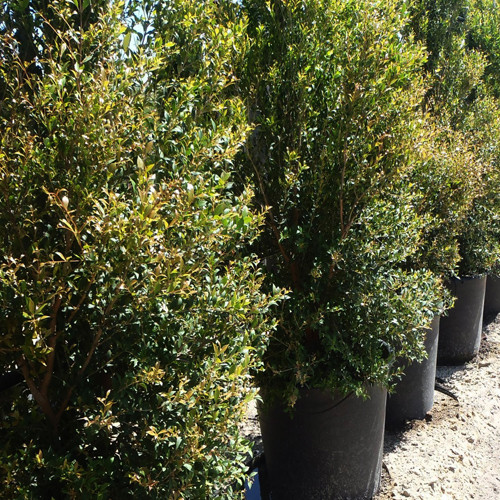
A goodbye neighbor plant refers to a type of plant known for its reputation as a natural method to create a barrier that prevents unwanted views or interactions with neighbors. These plants are often strategically placed in gardens or yards to enhance privacy and serve as a visual screen. They can also possess other characteristics such as pest deterrence or air purification, making them a popular choice for homeowners seeking both functionality and aesthetic appeal.
Characteristics of Goodbye Neighbor Plants
Goodbye neighbor plants typically possess several important characteristics that make them effective as natural privacy screens. These include:
- Dense Foliage: The plants generally have thick leaves or growth, which creates a visual barrier.
- Height: Many goodbye neighbor plants can grow tall, further enhancing their ability to block sight lines.
- Fast Growth Rate: Some are fast-growing, allowing gardeners to achieve desired privacy in a shorter time frame.
Types of Goodbye Neighbor Plants
There are various types of plants commonly regarded as goodbye neighbor plants, each offering unique benefits. Some popular choices include:
- Bamboo: Known for its fast growth and height, bamboo can create a tall, dense screen.
- Evergreen Shrubs: Plants such as arborvitae or leylandii maintain their foliage year-round, ensuring privacy in all seasons.
- Flowering Hedgerows: Plants like lilacs or hydrangeas can provide both beauty and privacy, adding aesthetic appeal.
Benefits of Goodbye Neighbor Plants
In addition to serving as privacy screens, goodbye neighbor plants offer a variety of other benefits, including:
- Noise Reduction: Dense foliage can help absorb sound, creating a more tranquil outdoor environment.
- Wildlife Habitat: These plants can provide shelter and food for birds and beneficial insects.
- Soil Erosion Control: Many of these plants help anchor soil, reducing erosion in sloped areas.
Maintenance of Goodbye Neighbor Plants
Proper maintenance is essential to keep goodbye neighbor plants healthy and effective. Key maintenance tasks include:
See also:
- Regular Pruning: To maintain density and shape, regular pruning is necessary, especially for fast-growing species.
- Watering and Fertilization: Ensuring adequate water and nutrients will promote healthy growth and foliage.
- Pest Management: Monitoring for pests and diseases is crucial for maintaining the health of these plants.
Placement and Design Considerations
When planning to incorporate goodbye neighbor plants into your landscape, several design considerations should be taken into account:
- Spacing: Proper spacing between plants is essential to allow for air circulation and growth.
- Orientation: Consider the sun and wind direction to maximize the effectiveness of the plants.
- Integration with Other Elements: Combining these plants with pathways, fencing, or decorative elements enhances overall yard design.
What is the best plant to block neighbors?
:max_bytes(150000):strip_icc()/rest_1_1_11625-2047d6732dc0438785d55d2f3a490fda.jpeg)
The best plants to block neighbors effectively combine attraction with functionality, offering privacy while enhancing your landscape. Here are some of the top choices:
1. Leyland Cypress
Leyland Cypress is a fast-growing evergreen that can reach heights of up to 60 feet. It forms a dense screen that provides excellent privacy. Its foliage is dark green year-round, which makes it visually appealing in all seasons. Leyland Cypress is particularly suitable for those who want a tall barrier quickly.
- Growth Rate: Can grow up to 3-4 feet per year.
- Maintenance: Requires occasional trimming.
- Sun Requirements: Thrives in full sun.
2. Bamboo
Bamboo is a unique choice for creating a natural privacy screen. It grows quickly and can reach substantial heights. Clumping varieties are recommended to avoid invasiveness, while still providing an excellent way to block views from neighbors.
- Types: Choose clumping varieties like Fargesia.
- Height: Can grow between 10 to 30 feet depending on the species.
- Maintenance: Minimal pruning needed; just ensure growth doesn't spread uncontrollably.
3. Arborvitae
Arborvitae is another popular option for creating privacy around your property. Varieties like the Green Giant are sought after for their fast growth and tall, narrow form. They not only block views but also act as windbreaks.
- Height: Can grow up to 50-60 feet tall.
- Width: Typically maintain a narrow profile, great for small spaces.
- Hardiness: Tolerates a range of soil types and light conditions.
4. Holly
Holly plants, such as American Holly, are excellent for privacy due to their dense growth and spiky leaves. They can be planted in a row to form an effective barrier. Additionally, they add seasonal interest with their bright berries in winter.
- Varieties: American Holly and Japanese Holly are popular choices.
- Growth Habit: Can be pruned into shaped hedges.
- Seasonal Interest: Provides visual appeal with berries during winter.
5. Boxwood
Boxwood is a classic choice for a formal hedge that offers privacy while allowing for intricate landscaping designs. These evergreen shrubs are highly adaptable and can be shaped as desired, making them a versatile selection for borders.
- Growth Rate: Slower than some other options, but more manageable.
- Durability: Very hardy and can tolerate a range of climates.
- Pruning: Can be trimmed into interesting shapes, enhancing garden aesthetics.
How tall do Goodbye Neighbours Lilly Pilly get?
Goodbye Neighbours Lilly Pilly, scientifically known as Syzygium paniculatum, is a popular cultivar known for its vibrant foliage and attractive, dense growth. These plants typically reach a height of between 3 to 5 meters (approximately 10 to 16 feet) when fully mature. However, under ideal growing conditions, some specimens may slightly exceed this height. They are often used in landscaping for hedges, screens, or feature plants.
Growth Conditions
The height of Goodbye Neighbours Lilly Pilly can be influenced by several growth conditions. Key factors include:
- Soil Quality: Well-drained, rich soil promotes stronger growth.
- Sunlight: Full sun encourages healthier and taller plants.
- Watering Routine: Regular watering, especially in dry spells, sustains height and overall vitality.
Maintenance Practices
Proper maintenance practices play a significant role in maximizing the height of Goodbye Neighbours Lilly Pilly. Effective techniques include:
- Pruning: Regular pruning helps shape the plant and can encourage upward growth.
- Fertilization: Using a balanced fertilizer during the growing season supports growth.
- Mulching: Applying mulch retains soil moisture and regulates temperature, promoting root development.
Common Uses in Landscaping
Due to its height and features, Goodbye Neighbours Lilly Pilly serves several common uses in landscaping. These include:
See also:
- Hedging: Ideal for creating a natural privacy screen.
- Topiaries: Suits shaping for intricate designs due to its dense foliage.
- Feature Plant: Attractive enough to serve as a focal point in garden designs.
Growth Rate
The growth rate of Goodbye Neighbours Lilly Pilly is relatively rapid, particularly in favorable conditions. Factors that influence their growth rate include:
- Climate: Warmer climates tend to produce faster growth.
- Water Availability: Sufficient and regular watering accelerates growth.
- Nutrient Availability: Higher soil nutrients lead to quicker height achievement.
Pests and Diseases
Being aware of potential pests and diseases that may impede growth is essential. Here are common challenges:
- Psyllids: These sap-sucking insects may stunt growth if not managed.
- Fungal Infections: Overwatering can lead to root rot or leaf spots.
- Leaf Miners: These pests can cause damage that impacts plant vigor.
What to plant next to a hedge?

Planting next to a hedge can enhance the aesthetic appeal of your garden or landscape while also providing benefits like privacy and support for wildlife. The choice of plants largely depends on factors such as the type of hedge, the light conditions, and the overall style you are aiming for. Here are some excellent options to consider when selecting plants to accompany your hedge.
1. Flowering Perennials
Flowering perennials can add vibrant colors and textures to the area next to a hedge. They come back year after year, making them a low-maintenance option that provides seasonal interest. Choose plants that thrive in your garden's conditions for best results.
- Echinacea - Known for its daisy-like flowers, it attracts pollinators and thrives in full sun.
- Aster - Produces beautiful purple blooms in the fall and provides a late source of nectar for bees.
- Daylilies - Hardy and adaptable, they can grow in various soil types and produce stunning blooms.
2. Shrubs for Layering
Incorporating smaller shrubs next to your hedge creates depth and visual interest. Look for shrubs that can thrive in the same conditions as your hedge and that complement its height and growth habit.
- Boxwood - A classic choice for formal gardens, it can be shaped and pruned to maintain a tidy appearance.
- Hydrangeas - With their large blossoms, they provide a stunning contrast against most hedges.
- Azaleas - Blooming in spring, they offer vibrant colors and lush foliage for year-round interest.
3. Grasses and Groundcovers
Planting ornamental grasses or groundcovers can help fill in the space next to a hedge, providing a soft transition between the hedge and the lawn or other areas. These plants can also help with erosion control.
- Blue Fescue - A low-maintenance grass that adds a unique blue color to your garden.
- Ajuga - A hardy groundcover with attractive foliage and blue flowers that thrives in various conditions.
- creeping thyme - A fragrant groundcover that flourishes in sunny locations, offering a delightful smell when walked on.
4. Edible Plants
Incorporating edible plants next to your hedge can be both practical and visually appealing. You can enjoy fresh produce while enhancing the beauty of your garden.
- Raspberries - These can climb and spread nicely next to a hedge, providing delicious berries and a lush appearance.
- Herbs - Plants like rosemary, thyme, and basil can be placed next to a hedge for easy access and culinary use.
- Strawberries - They can spread along the ground and add a pop of color and sweetness to the area.
5. Climbing Plants
If the hedge is low or has space for vertical growth, consider planting climbing plants. They can add height and dramatic flair to your garden design, creating a layered effect.
- Climbing Roses - These can add romantic beauty, with blooming flowers climbing over or alongside your hedge.
- Sweet Peas - Their fragrant flowers can create a lovely display and attract beneficial insects.
- Clematis - Available in various colors and bloom times, these can climb up a low hedge for vibrant vertical interest.
Questions from Our Readers
What is the Goodbye Neighbours plant?
The Goodbye Neighbours plant, scientifically known as Lantana camara, is a type of shrub preferred for creating hedges due to its dense growth and vibrant flowers. It’s often used in garden designs to provide privacy and to act as a natural barrier between properties.
How does the Goodbye Neighbours plant help in hedging?
The plant excels in hedging due to its thick foliage and fast-growing nature, which can grow up to several feet tall, creating an effective screen. This makes it a popular choice for homeowners looking to block visibility from neighboring yards while adding aesthetic appeal.
Is the Goodbye Neighbours plant easy to maintain?
Yes, the Goodbye Neighbours plant is generally considered low maintenance once established, requiring minimal pruning and tolerating a variety of soil types. Regular watering and occasional fertilization can promote healthy growth, but it can survive in less ideal conditions as well.
Are there any drawbacks to using the Goodbye Neighbours plant?
One potential drawback of the Goodbye Neighbours plant is that it can become invasive in certain climates, spreading rapidly and outcompeting local flora. Homeowners should monitor its growth and control its spread to maintain ecological balance in their gardens and surrounding areas.
See also:
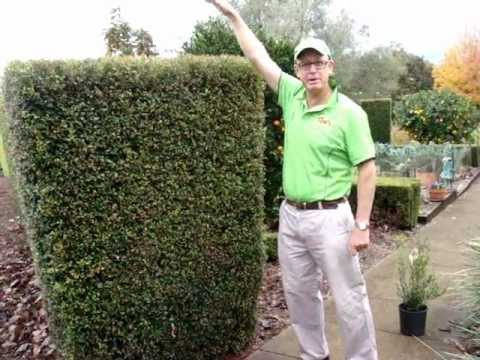
If you want to read more articles like What is the Goodbye Neighbours Plant for Hedge? Discover Its Benefits and Care Tips, we recommend you check out our Hedges category.
Leave a Reply
Related Articles