Discover What is the Fastest Way to Compost Horse Manure? Expert Tips and Techniques
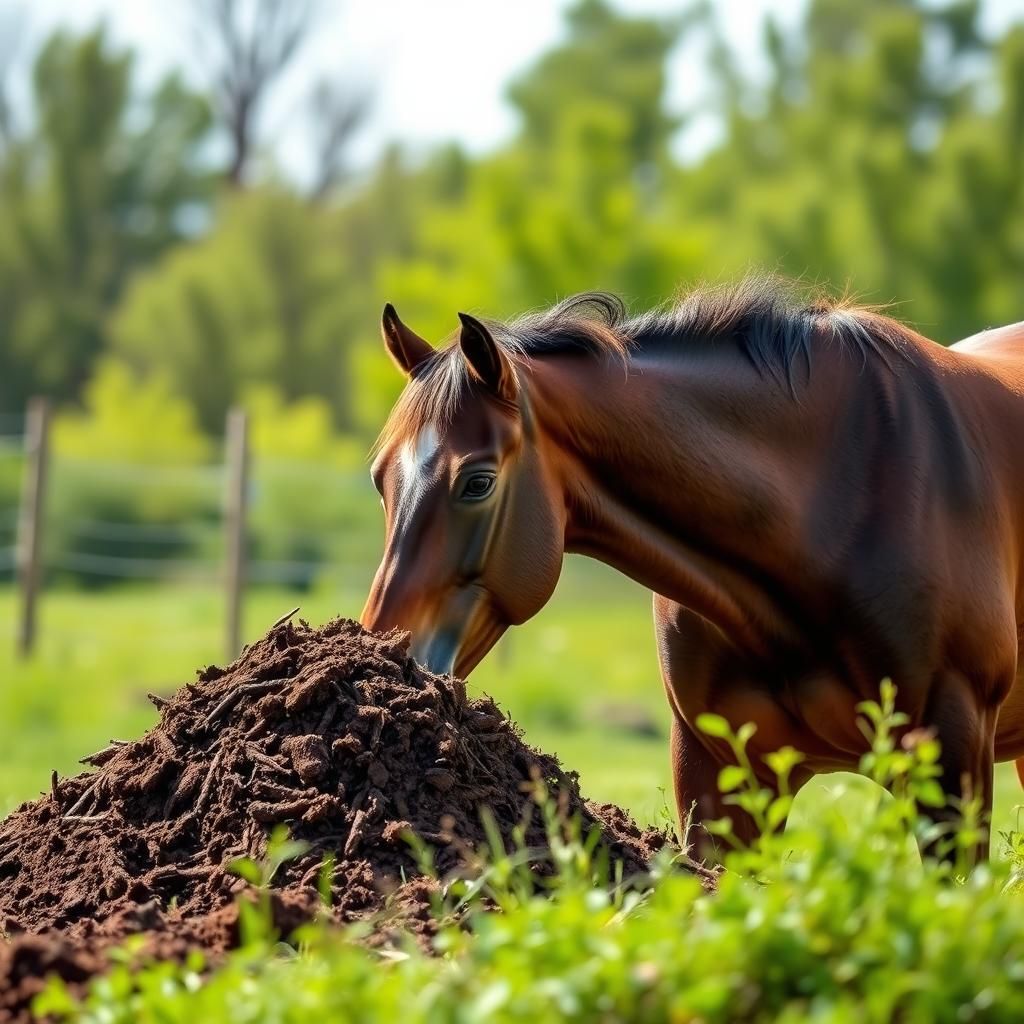
Composting horse manure can be a highly efficient way to recycle nutrients back into your garden while reducing waste. However, many people struggle with the best methods to speed up the composting process. In this article, we will explore expert tips and techniques that can help you discover the fastest way to compost horse manure successfully. From understanding the right carbon-to-nitrogen ratio to optimizing aeration and moisture levels, these insights will empower you to create rich, fertile compost in no time. Dive in to learn how to turn this abundant resource into a valuable asset for your gardening endeavors.
What is the Fastest Way to Compost Horse Manure?
The fastest way to compost horse manure involves creating a balanced compost pile that includes not only the manure but also a mix of carbon-rich materials, such as straw or dried leaves, and nitrogen-rich materials like grass clippings. To accelerate the composting process, it is essential to maintain the right moisture level, turn the pile regularly to aerate it, and monitor the temperature, which should ideally reach between 130°F and 160°F. Additionally, adding a compost accelerator or beneficial microbes can help speed up decomposition, allowing the manure to transform into nutrient-rich compost more rapidly.
Benefits of Composting Horse Manure
Composting horse manure offers numerous benefits, including the reduction of waste on the farm, improved soil quality, and a sustainable source of nutrients for gardening and landscaping. By converting manure into compost, harmful pathogens and parasites are eliminated, making it safer for use in gardening. Additionally, compost helps improve soil structure, encourages healthy plant growth, and enhances moisture retention, making it an excellent resource for natural gardening practices.
Ideal Ingredients for Composting
The ideal ingredients for composting horse manure include a balance of nitrogen-rich and carbon-rich materials. Horse manure itself is high in nitrogen, so combining it with materials like straw, sawdust, or dried leaves (which are high in carbon) is crucial for effective composting. A commonly recommended ratio is about 3 parts carbon to 1 part nitrogen. This balance ensures that the composting process is efficient and that the resulting compost is rich in nutrients.
Maintaining Proper Moisture Levels
Maintaining proper moisture levels is essential for rapid composting. The compost pile should feel like a damp sponge; if it's too dry, decomposition will slow down significantly, while excessive moisture can lead to anaerobic conditions and foul odors. Water the pile as needed to keep it moist, but also allow for adequate drainage to prevent waterlogging. A good practice is to monitor the pile frequently to achieve and maintain the perfect balance for optimal composting.
Turning the Compost Pile
Turning the compost pile every few weeks is key to ensuring a uniform and rapid decomposition process. Aerating the pile introduces oxygen, which is vital for the aerobic microbes responsible for breaking down organic matter. By actively mixing the pile, you also help distribute moisture and heat evenly, accelerating the composting process. Proper turning can significantly reduce the time it takes for horse manure to break down into usable compost.
Using Compost Accelerators
Consider using compost accelerators or additives, which can contain a mix of microbes, minerals, and nutrients to speed up the decomposition process. These products are designed to introduce beneficial microorganisms that thrive on organic matter and can help break it down more quickly. When applied correctly, accelerators can cut down the composting time substantially, turning horse manure into finished compost in a matter of weeks rather than months.
| Factor | Optimal Level | Effect |
|---|---|---|
| Moisture | 40-60% | Promotes microbial activity |
| Carbon to Nitrogen Ratio | 30:1 | Ensures effective decomposition |
| Temperature | 130-160°F | Kills pathogens and speeds up composting |
| Turning Frequency | Every 3-4 weeks | Introduces oxygen and mixes materials |
| Compost Accelerators | As needed | Increases microbial activity |
How to rot horse manure quickly?

To rot horse manure quickly, you can follow several methods that facilitate the decomposition process. Horse manure is rich in nitrogen, which makes it an excellent base for composting when mixed with carbon-rich materials. Here are some effective techniques to speed up the rotting process.
Choose the Right Location
Selecting an appropriate location is essential for quick decomposition. The area should be well-drained and receive some sunlight, which helps maintain a balance of moisture and heat.
- Find a sunny spot to promote warmth.
- Ensure good drainage to prevent waterlogging.
- Avoid areas close to water sources to comply with environmental regulations.
Mix with Carbon-Rich Materials
To facilitate rapid degradation, combine horse manure with materials high in carbon. These can balance the nitrogen content and speed up the composting process.
- Use straw, sawdust, or dried leaves as carbon sources.
- Maintain a carbon-to-nitrogen ratio of about 30:1 for effective decomposition.
- Mix thoroughly to ensure even distribution of materials.
Turn the Pile Regularly
Turning the compost pile increases aeration and helps to distribute moisture and warmth evenly throughout the material. This is crucial for microbial activity, which plays a key role in breaking down the manure.
- Turn the pile every few weeks to improve aeration.
- Use a pitchfork or compost aerator for effective mixing.
- Monitor temperature; a rise indicates active decomposition.
Moisture Management
Maintaining the right level of moisture is vital for the composting process. Too much moisture can lead to anaerobic conditions, while too little can slow down microbial activity.
See also:
- Water the pile lightly if it appears dry.
- Avoid saturated conditions that can inhibit aeration.
- Cover the pile with a tarp during heavy rain to prevent excess moisture.
Use Compost Accelerators
Utilizing compost accelerators can significantly enhance the breakdown of horse manure. These products contain beneficial microorganisms that speed up the decomposition process.
- Choose accelerators that contain effective microorganisms (EM) or enzymes.
- Follow the manufacturer’s instructions for proper application.
- Combine with regular turning and proper moisture for best results.
How to compost horse manure fast DIY?
To compost horse manure quickly using DIY methods, it is essential to follow a series of steps that will enhance the composting process. By ensuring the right conditions, such as maintaining adequate moisture, temperature, and balance between carbon and nitrogen, you can achieve fast composting. Here's how to do it effectively.
Understanding Horse Manure as Compost Material
Horse manure is an excellent addition to compost due to its nutrient-rich composition. However, it has specific characteristics that affect composting speed:
- Nitrogen Content: Horse manure is high in nitrogen, which is essential for composting.
- Carbon Ratio: It is necessary to balance horse manure with carbon-rich materials like straw or wood shavings.
- Moisture Levels: Horse manure should be moist but not overly wet, as excessive moisture can lead to anaerobic conditions.
Creating the Right Composting Environment
Setting up an optimal environment significantly impacts the speed of composting. Some factors to consider include:
- Location: Choose a well-drained, sunny spot that encourages microbial activity.
- Bin Design: Use a compost bin or pile that allows good airflow which helps in keeping the compost aerobic.
- Temperature Monitoring: Keeping the pile temperature between 130°F and 150°F (54°C to 65°C) accelerates the breakdown of materials.
Mixing Materials to Enhance Composting
Proper mixing of materials is crucial for creating an efficient compost. Follow these steps for better results:
- Layering: Alternate layers of horse manure with carbon-rich materials like dried leaves, straw, or grass clippings.
- Chopping Materials: Cut larger materials into smaller pieces to increase the surface area for microbes to work.
- Regular Turning: Turn the compost pile every 1-2 weeks to ensure even breakdown and aeration.
Maintaining Moisture and Aeration
Maintaining the right moisture and aeration is key to rapid composting. Here are essential tips to consider:
- Watering: If the pile is too dry, add water while mixing to achieve a consistency resembling a damp sponge.
- Airflow: Ensure the compost is loose enough to allow air penetration; compacted piles can hinder the process.
- Covering: Use a tarp or cover to regulate moisture levels and retain heat, especially in cooler climates.
Monitoring Compost Progress
Observe the composting process to ensure it's progressing well. Key factors to watch include:
- Temperature Checks: Use a compost thermometer to monitor internal temperatures and ensure they remain optimal.
- Visual Inspection: Check for reduced volume and darkening color, indicating decomposition.
- Smell Test: A pleasant earthy smell indicates healthy composting; foul odors suggest the need for more aeration and adjustment.
How to make manure break down faster?

To make manure break down faster, various strategies can be employed to enhance the decomposition process. The breakdown of manure is primarily facilitated by microbial activity, which can be optimized through a combination of factors such as moisture, aeration, carbon-to-nitrogen ratio, and temperature. Here are some methods that can expedite the breakdown of manure:
Increase Aeration
Increasing aeration is essential for speeding up the decomposition of manure. When manure is compacted, it restricts oxygen flow, which is crucial for aerobic microorganisms.
- Turn the pile regularly: By turning the manure frequently, you allow air to circulate throughout the pile, promoting the growth of aerobic bacteria that decompose organic material.
- Use a compost aerator: Tools like compost aerators can help mix air into the manure effectively, enhancing oxygen availability.
- Choose the right location: Keeping the manure in a well-ventilated area can also improve air circulation, further aiding the breakdown process.
Optimize Moisture Levels
Maintaining appropriate moisture levels is critical for the microbial activity necessary for decomposition. Too much water can lead to anaerobic conditions, while too little can dehydrate the microorganisms.
- Monitor moisture content: The ideal moisture content should be around 40-60%. You can test it by grabbing a handful of manure; it should hold together without dripping water.
- Water as necessary: If the manure is too dry, sprinkle water to bring it to the right moisture level. Be careful not to oversaturate it.
- Use a moisture meter: Consider using a moisture meter to accurately monitor and maintain optimal moisture levels throughout the decomposition process.
Balance Carbon-to-Nitrogen Ratio
The balance between carbon and nitrogen in manure affects the rate of decomposition. A high carbon-to-nitrogen (C:N) ratio can slow down the breakdown process.
See also:
- Add carbon-rich materials: Mix in materials like straw, shredded leaves, or wood chips to help achieve a balanced C:N ratio, ideally around 30:1.
- Avoid too much nitrogen: Excess nitrogen-rich materials, like fresh grass clippings, can create an overly wet environment, hindering airflow.
- Regularly test the C:N ratio: Periodically assess the carbon and nitrogen levels to maintain an optimal balance for efficient decomposition.
Maintain Optimal Temperature
Temperature plays a significant role in microbial activity; higher temperatures generally accelerate decomposition.
- Insulate the pile: Use insulating materials around the manure pile, like straw bales, to help maintain warmth, especially in colder weather.
- Monitor compost temperature: Use a compost thermometer to keep track of internal temperatures, aiming for around 130-160°F (54-71°C) for fast decomposition.
- Turn the pile to redistribute heat: Regularly turning the manure helps distribute heat evenly and prevent hot spots that can lead to overheating.
Incorporate Additives
Certain additives can facilitate the breakdown of manure by promoting microbial growth and activity.
- Add compost accelerators: Products that contain enzymes or beneficial bacteria can enhance microbial activity and significantly speed up decomposition.
- Use earthworms: Introducing earthworms into the manure can help break down materials faster through their digestion processes.
- Include agricultural lime: Adding lime can help balance pH levels, creating a more conducive environment for the microorganisms responsible for decomposition.
How to get rid of large amounts of horse manure?
To get rid of large amounts of horse manure, several effective methods can be employed to manage and dispose of the waste responsibly. The key is to consider environmentally friendly options that can benefit your garden or farm while reducing waste. Here are some strategies you can use:
Composting Horse Manure
Composting is an excellent way to recycle horse manure into nutrient-rich fertilizer. The process involves collecting the manure and allowing it to decompose over time under controlled conditions.
- Gather Ingredients: Collect horse manure along with straw or wood chips to balance carbon and nitrogen levels for optimal composting.
- Choose a Composting Site: Select a well-drained area away from water sources to set up your composting pile or bin.
- Maintain the Pile: Turn the compost regularly to aerate it, and monitor moisture levels to ensure a successful breakdown.
Using Manure as Fertilizer
Horse manure is a natural fertilizer that can enrich your soil. However, it is essential to use it correctly to maximize its benefits while minimizing the risk of burning plants.
- Age the Manure: Allow the manure to age or compost for at least six months before applying it to avoid burning plants with high nitrogen content.
- Test Soil Nutrient Levels: Conduct a soil test to determine nutrient deficiencies, which can inform how much manure to apply.
- Apply Evenly: Spread the manure evenly across the garden or field and incorporate it into the soil to avoid nutrient run-off.
Manure Removal Services
If the quantity of manure is overwhelming, consider hiring a professional manure removal service. These companies specialize in the safe transport and disposal of large amounts of waste.
- Research Local Services: Look for companies in your area that offer manure removal services and check their reviews for reliability.
- Request Quotes: Contact multiple services to get quotes and understand the cost-effectiveness of each option.
- Schedule Regular Pick-ups: Establish a regular schedule for pick-ups based on the waste generation rate to avoid accumulation.
Bedding Management
Adopting an efficient bedding management strategy can greatly reduce the amount of waste generated from horse stalls.
- Choose Eco-friendly Bedding: Opt for biodegradable bedding materials that break down more easily and contribute to composting efforts.
- Implement Deep Bedding: Use a deep bedding system to absorb moisture and minimize the need for daily cleaning, reducing manure volume.
- Regular Cleaning: Clean stalls regularly to remove soiled bedding and manure, helping to maintain a healthy environment for horses.
Utilizing Manure in Biogas Production
Horse manure can also be used to generate biogas through anaerobic digestion, providing energy while managing waste.
- Research Digesters: Look into small-scale anaerobic digesters specifically designed for agricultural use to convert manure into biogas.
- Assess Feasibility: Evaluate the cost and logistics of setting up a biogas system relative to the manure volume produced.
- Utilize Biogas: Use the generated biogas for heating, cooking, or even electricity, creating a sustainable energy source.
Questions from Our Readers
What materials are needed for fast composting of horse manure?
To achieve fast composting of horse manure, it's essential to use a mix of carbon-rich materials like straw or sawdust and nitrogen-rich materials such as fresh manure. Combining these materials in a balanced ratio will create an optimal environment for microbial activity, speeding up the composting process.
How often should I turn the compost pile to speed up the process?
Turning your compost pile every 1 to 3 weeks can significantly enhance aeration and promote microbial activity, which are crucial for quicker decomposition. This practice helps to maintain an ideal temperature and moisture level, further accelerating the composting of horse manure.
What temperature should the compost pile reach for efficient decomposition?
For efficient decomposition of horse manure, the compost pile should ideally reach temperatures between 130°F and 160°F (54°C to 71°C). At these temperatures, the beneficial microbes thrive, breaking down the manure rapidly while also eliminating any pathogens or seeds present.
How long does it take to compost horse manure completely?
The complete composting of horse manure can take between 2 to 6 months, depending on factors such as temperature, moisture levels, and the materials used. Regular maintenance, such as turning the pile and monitoring its conditions, can help obtain high-quality compost in the shorter end of this timeframe.
See also:

If you want to read more articles like Discover What is the Fastest Way to Compost Horse Manure? Expert Tips and Techniques, we recommend you check out our Compost category.
Leave a Reply
Related Articles