What is the fastest growing plant of all time? Discover the Incredible Speed of Nature!
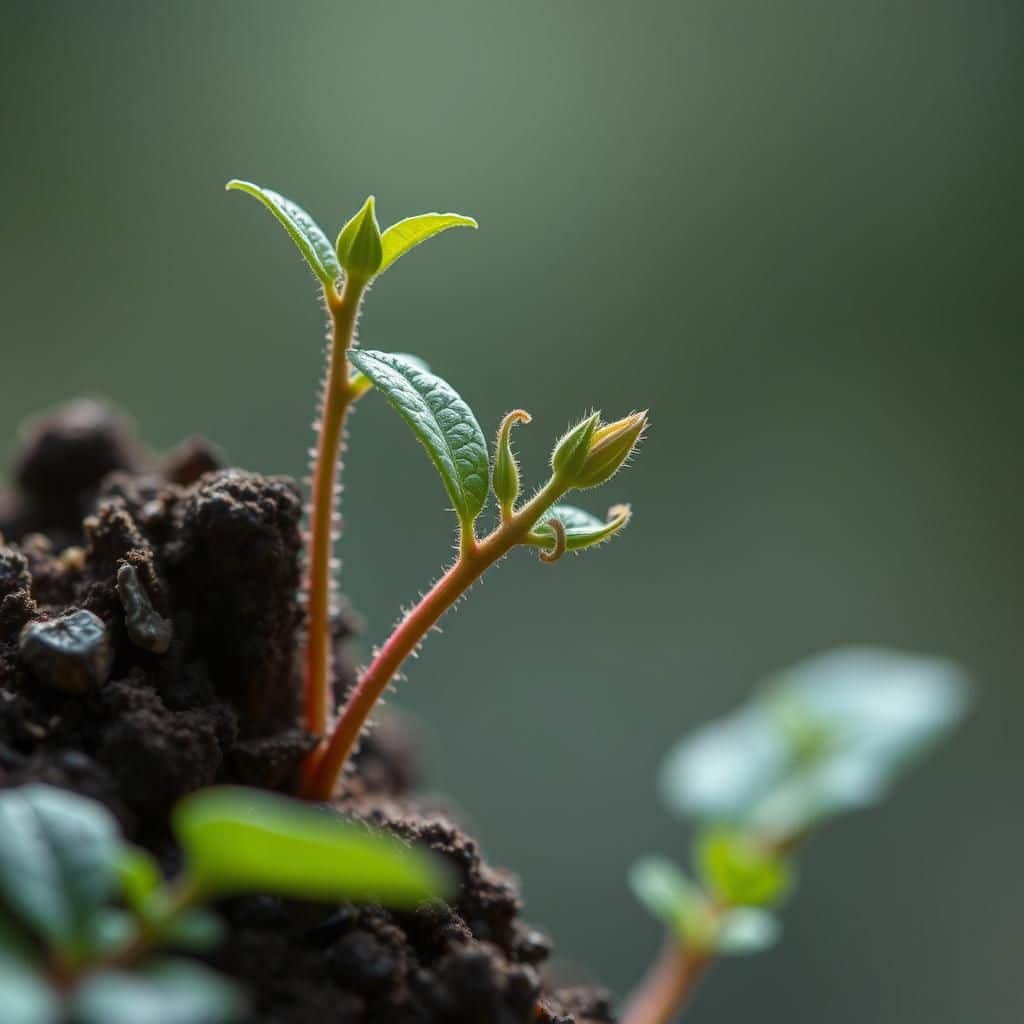
In the vast realm of plant life, some species stand out for their astonishing growth rates. This article delves into the fascinating world of the fastest growing plant of all time, revealing not only its remarkable speed but also the incredible adaptations that enable this botanical wonder to flourish. With the ability to sprout several inches in just a single day, this plant challenges our perceptions of nature's limits. Join us as we explore the dynamics of growth, the environmental factors that contribute to its rapid development, and the significance of this extraordinary organism in our ecosystems.
What is the Fastest Growing Plant of All Time?
The fastest growing plant known to date is the species of bamboo, specifically Giant Bamboo (Bambusa vulgaris), which can grow up to 91 cm (35 inches) within a single day under optimal conditions. This incredible growth rate is attributed to its unique cell structure and ability to utilize sunlight and nutrients efficiently. Bamboo is not only the fastest-growing plant but also plays a significant role in the ecosystem by providing habitat and food for various species, as well as being a sustainable resource for construction and crafts.
Characteristics of Bamboo
Bamboo is a perennial grass characterized by its hollow stems and fast growth rate. It can vary significantly in size, from small species reaching only a few feet to Giant Bamboo, which can grow over 100 feet tall. The ability of bamboo to grow rapidly makes it an incredibly adaptive species, allowing it to thrive in diverse environments. Furthermore, its dense root system helps prevent soil erosion and provides stability to the ecosystem.
Factors Influencing Growth Rate
The growth rate of bamboo is influenced by several factors, including climate, soil quality, and water availability. In regions with a warm climate and rich, well-drained soil, bamboo can exhibit its maximum growth potential. Adequate moisture and sunlight are also crucial for this plant to reach its remarkable heights. Additionally, proper management practices, such as controlled harvesting and fertilization, can ensure sustained growth over time.
The Role of Bamboo in the Ecosystem
Bamboo plays a vital role in its ecosystem by providing habitat and food for various animals, including pandas, which rely on it as their primary food source. It also serves as a nesting site for birds and insects. Beyond its ecological benefits, bamboo contributes to carbon sequestration, making it an important player in combating climate change. The rapid growth and regeneration of bamboo ensure that it continues to be a critical component of its environment.
Uses of Bamboo
Bamboo is celebrated for its versatility and is used in various industries. It is a popular choice for construction due to its strength and light weight, making it easier to work with compared to traditional timber. Additionally, bamboo fibers are used in textiles, paper products, and even food items like bamboo shoots. The sustainable nature of bamboo, due to its rapid growth and ability to regenerate after harvesting, makes it an eco-friendly alternative to other materials.
Global Distribution of Bamboo Species
Bamboo is found predominantly in Asia, with countries like China, India, and Japan hosting a vast diversity of species. However, it is also present in Africa, South America, and parts of the United States, showcasing its adaptability to various climates. Within these regions, different species of bamboo flourish, from tropical varieties to those that thrive in temperate zones. This global distribution not only highlights its ecological significance but also reflects its cultural importance in many societies.
| Aspect | Details |
|---|---|
| Growth Rate | Up to 91 cm (35 inches) per day |
| Habitat | Tropical and temperate regions |
| Uses | Construction, textiles, food |
| Environmental Role | Carbon sequestration, habitat provider |
| Notable Species | Bambusa vulgaris (Giant Bamboo) |
Which plant has the fastest growth?

The plant known for having the fastest growth is the bamboo species, particularly certain types of giant bamboo. Some species can grow up to 91 cm (35 inches) in a single day under optimal conditions. This astonishing growth rate is influenced largely by environmental factors including temperature, water availability, and nutrient-rich soil.
Bamboo Growth Rates
Bamboo is renowned for its rapid growth rates, which can vary depending on the species and environmental conditions. It is not uncommon for some bamboo species to reach heights of up to 30 meters (98 feet) within a few weeks to months after planting. The key factors influencing this growth include:
See also:
- Soil Quality: Fertile, well-drained soil can significantly enhance growth rates.
- Water Supply: Regular watering helps bamboo to flourish, especially during dry periods.
- Temperature: Warmer climates generally promote faster growth for most bamboo species.
Environmental Requirements
To achieve optimal growth rates, bamboo requires specific environmental conditions. Understanding these requirements is crucial for anyone considering growing bamboo or utilizing it for landscaping or commercial purposes. Essential factors include:
- Sunlight: Bamboo thrives in full sun, which maximizes its growth potential.
- Humidity: Higher humidity levels can support faster growth, particularly in tropical species.
- Climate: Bamboo grows best in subtropical and tropical climates where temperatures are consistently warm.
Types of Fast-Growing Bamboo
There are numerous types of bamboo, but some are notably recognized for their rapid growth. Different species exhibit varying characteristics and growth rates. Among the fastest-growing are:
- Giant Green Bamboo (Bambusa vulgaris): Known for its straight growth and large diameter.
- Japanese Knotweed (Fallopia japonica): A highly invasive species that can dominate landscapes.
- Phyllostachys edulis (Moso Bamboo): Valued for its strength and size, often used in construction.
Uses of Fast-Growing Bamboo
The rapid growth of bamboo serves multiple purposes, making it a valuable plant in various industries and applications. Its versatility allows it to be employed in areas such as:
- Construction: Strong and lightweight, bamboo is used in building materials.
- Crafting and Furniture Making: Its aesthetic appeal makes it popular for furniture, utensils, and decorations.
- Environmental Conservation: Bamboo helps in soil stabilization, alleviating erosion issues.
Cultivation Methods
To cultivate bamboo for fast growth, certain methods can be applied. These practices ensure that the plant reaches its full growth potential efficiently and sustainably. Effective cultivation tips include:
- Spacing: Ensuring proper spacing between plants to avoid competition for nutrients.
- Fertilization: Applying organic fertilizers can enhance growth rates by providing essential nutrients.
- Mulching: Retaining moisture and controlling weeds around bamboo helps promote healthy growth.
What plant grows 1 foot a day?

The plant known for growing up to 1 foot per day is the Giant Bamboo, specifically varieties like Moso Bamboo (Phyllostachys edulis). This species of bamboo is renowned for its rapid growth rate, making it one of the fastest-growing plants on earth. Under optimal conditions, it can achieve remarkable heights, sometimes reaching up to 35 inches in just a day. The growth of bamboo is influenced by various environmental factors, including soil quality, moisture, and sunlight exposure.
Growth Conditions for Giant Bamboo
The optimal conditions that contribute to the rapid growth of Giant Bamboo include:
- Soil Quality: Well-draining, rich organic soil promotes healthy growth.
- Watering: Regular and adequate watering keeps the plants hydrated, which is essential for their rapid growth.
- Sunlight: Full sun exposure is crucial; however, they also tolerate partial shade.
Geographical Distribution of Bamboo
Giant Bamboo is predominantly found in various parts of the world, particularly in:
- East Asia: With countries like China being the primary native habitat.
- Southeast Asia: Regions in countries like Thailand and Vietnam also have significant bamboo forests.
- Some Parts of America: In warmer regions, such as Southern California and Florida, Giant Bamboo can be cultivated as well.
Uses of Giant Bamboo
Giant Bamboo offers a wide range of uses due to its unique physical properties, including:
- Construction Material: It is frequently used in building due to its strength and durability.
- Crafts and Furniture: The flexible stalks are ideal for creating furniture and various crafts.
- Environmental Benefits: Bamboo can be utilized for erosion control and soil stabilization.
Cultivation Techniques for Bamboo
To cultivate Giant Bamboo effectively, consider the following techniques:
See also:
- Planting: It is best to plant bamboo in early spring or late fall when temperatures are mild.
- Spacing: Provide adequate spacing between plants to ensure proper aeration and growth.
- Fertilization: Using organic fertilizers can enhance growth rates and overall health.
Environmental Impact of Bamboo Growth
The rapid growth of Giant Bamboo has several environmental implications, including:
- Carbon Sequestration: Bamboo absorbs significant amounts of CO2, contributing to climate change mitigation.
- Biodiversity Support: Bamboo forests provide habitat for various species, enhancing local biodiversity.
- Soil Erosion Prevention: The extensive root systems of bamboo help prevent soil erosion and maintain soil health.
What plant holds the fastest growth record?

The plant that holds the fastest growth record is the Giant Bamboo (specifically, the species Bambusa vulgaris). This remarkable plant is known to grow at an astonishing rate of up to 91 centimeters (35 inches) in just one day under optimal conditions. The rapid growth of Giant Bamboo is attributed to its unique cellular structure and environmental factors that encourage its swift vertical expansion.
Factors Influencing Growth Rate
The growth rate of the Giant Bamboo is influenced by several factors that create an ideal environment for its development:
- Soil Quality: Well-drained, nutrient-rich soil promotes faster growth rates.
- Water Availability: Regular watering, especially during dry spells, significantly enhances growth.
- Climate Conditions: Warm temperatures and plenty of sunlight are essential for maximum growth.
Comparison with Other Fast-Growing Plants
Giant Bamboo is not the only fast-growing plant, but it surpasses many others in terms of speed:
- Giant Sequoia: While impressive, it grows at a slower rate, reaching about 3 feet per year.
- Paulownia Tree: Known for rapid growth, it can reach heights of 10 to 15 feet in the first year.
- Sunflowers: They can grow tall but do not match the extraordinary speed of bamboo.
Ecological Benefits of Fast-Growing Plants
Fast-growing plants like Giant Bamboo offer several ecological advantages:
- Carbon Sequestration: Their rapid growth helps capture significant amounts of carbon dioxide.
- Soil Stabilization: The extensive root systems prevent soil erosion and enhance soil quality.
- Habitat Creation: They provide essential habitats for various wildlife species.
Usage and Applications of Giant Bamboo
Giant Bamboo is utilized in various ways due to its rapid growth and versatility:
- Construction Material: It is used for building structures, furniture, and handicrafts.
- Agricultural Use: Provides support for crops and improves soil fertility.
- Sustainable Resource: Its rapid renewal makes it an eco-friendly alternative to wood.
Growth Habits and Life Cycle
Understanding the growth habit of Giant Bamboo provides insight into its rapid development:
- Growth Phases: The plant experiences a juvenile phase before reaching maturity.
- Rhizome Development: The underground rhizomes play a crucial role in resource allocation for growth.
- Height Attainment: Once established, it can reach full height within a few months.
Questions from Our Readers
What is the fastest growing plant of all time?
The fastest growing plant in the world is bamboo, specifically certain species like Giant Timber Bamboo. Under optimal conditions, it can grow up to 91 cm (35 inches) in just one day, making it remarkably efficient in terms of growth rate.
How does bamboo achieve such rapid growth?
Bamboo's rapid growth can be attributed to its unique growth structure, which includes hollow stems that allow for quick expansion. Additionally, bamboo has a complex root system that efficiently captures nutrients and water, promoting even faster growth.
See also:
Are there other plants that grow quickly?
Yes, aside from bamboo, plants like Spanish Moss and certain species of kudzu are also known for their quick growth. However, none compare to the drastic growth rate of bamboo, which remains the fastest among all plants.
What conditions do bamboo plants need to grow rapidly?
Bamboo thrives in warm, moist climates with plenty of sunlight, making these conditions ideal for its rapid growth. It needs well-drained soil and sufficient nutrients to achieve the impressive growth rates it is known for.
https://youtube.com/watch?v=pmZIG9v3_7E
If you want to read more articles like What is the fastest growing plant of all time? Discover the Incredible Speed of Nature!, we recommend you check out our Seeds category.
Leave a Reply
Related Articles