What is the Fastest Growing Plant from Seed at Home? Discover Quick-Growing Options for Your Indoor Garden

Are you eager to cultivate a thriving indoor garden but short on time? Discovering the fastest growing plants from seed can be a game-changer for gardeners seeking rapid results. In this article, we will explore quick-growing options that not only beautify your home but also provide the satisfaction of witnessing growth in a short span. Whether you're a seasoned gardener or a novice, understanding which seeds to plant can greatly enhance your indoor gardening experience. Join us as we unveil the best candidates for your indoor garden, ensuring lush greenery without the long wait.
What is the Fastest Growing Plant from Seed at Home?
Growing plants from seeds can be a rewarding experience, and if you're looking for speed, one of the fastest growing plants is the broad bean (Vicia faba). This hardy legume can sprout within just 7 to 14 days after planting, depending on environmental conditions. Broad beans thrive in a variety of soils and are resilient to cooler temperatures, making them an excellent choice for home gardeners. They not only grow quickly but can also provide a bountiful harvest in a matter of months, allowing you to enjoy homegrown produce promptly.
Benefits of Growing Fast-Growing Plants
Fast-growing plants, like the broad bean, offer several benefits for home gardeners. They can quickly fill gaps in the garden, contribute to soil health by fixing nitrogen through their roots, and provide rapid harvests for those looking to enjoy fresh produce. Additionally, their speedy growth allows gardeners to test various cultivation techniques and learn about plant care without having to wait long periods between cycles.
How to Plant Broad Beans
To successfully grow broad beans, start by selecting a well-drained location in your garden that gets full sun. Plant the seeds about 2 inches deep and 4-6 inches apart, ensuring the soil is enriched with organic matter. Water the area lightly after planting and keep the soil moist but not waterlogged. As the plants germinate and grow, provide support if needed, especially for taller varieties. With the right care, you can expect seedlings within a week or two.
Optimal Growing Conditions
Broad beans flourish in cooler temperatures, ideally between 60°F and 70°F. They prefer well-drained, nutrient-rich soils with a pH between 6.0 and 7.0. Adequate sunlight is essential, so choose a spot that receives at least 6 hours of direct sun daily. Additionally, regular watering is crucial—aim for consistent moisture, especially during dry spells, but avoid letting the soil become too soggy.
Nutritional Value of Broad Beans
Broad beans are not only fast-growing but also packed with nutritional benefits. They are high in protein, fiber, and essential vitamins like B vitamins, Vitamin C, and minerals such as iron and magnesium. These nutritional components make broad beans an excellent addition to a balanced diet, promoting overall health and wellness. Including them in your meals can enhance your nutrition while enjoying the satisfaction of growing them at home.
Common Pests and Diseases
Like any plant, broad beans can be vulnerable to certain pests and diseases. Common pests include aphids and slugs, which can be managed through organic methods such as neem oil or introducing beneficial insects. Diseases like rust and root rot can also affect broad beans, often occurring in overly wet conditions. To minimize issues, rotate crops and ensure proper spacing and airflow around plants. Monitoring your plants regularly can help you catch any problems early on.
| Plant | Time to Germinate | Optimal Temperature | Nutritional Benefits |
|---|---|---|---|
| Broad Bean | 7-14 days | 60°F - 70°F | High in protein, fiber, vitamins, and minerals |
| Radish | 5-10 days | 65°F - 75°F | Rich in vitamins C and B6, potassium |
| Spinach | 5-14 days | 50°F - 75°F | High in iron, calcium, and vitamins A, C, and K |
What is the fastest plant to grow from seed?
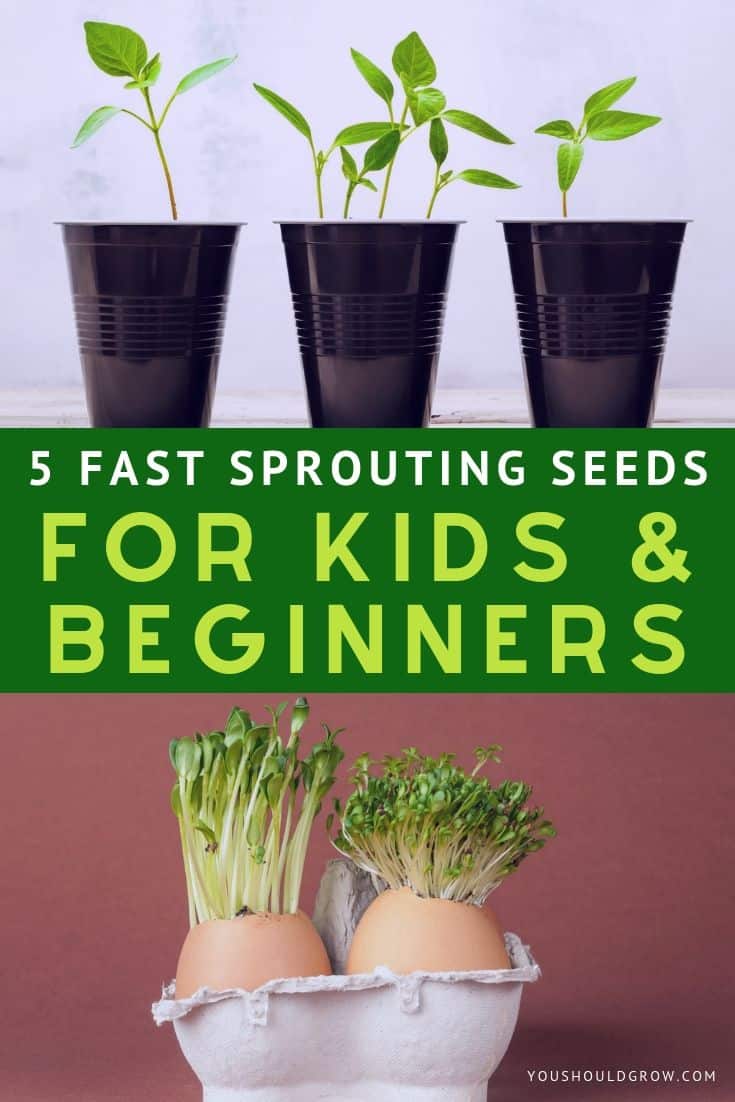
The fastest plant to grow from seed is the broad bean (Vicia faba). Broad beans can germinate in as little as 5 to 10 days, depending on environmental conditions such as temperature and moisture. This rapid growth is due to their ability to thrive in cool temperatures and their relatively large seeds, which provide sufficient energy for quick germination and vegetative development.
Growth Characteristics of Broad Beans
Broad beans are known for their vigorous growth and are classified as a cool-season crop. Their key characteristics include:
- Quick Germination: Seeds can sprout within a week, making them ideal for early spring plantings.
- Tolerance to Cold: They can be sown in cooler conditions, enabling early harvests.
- Height: Broad beans can reach a height of about 3 to 4 feet, providing an impressive garden display.
Other Fast-Growing Plants
In addition to broad beans, there are several other plants known for their rapid growth from seed:
- Radishes: Germinate within 5 to 7 days, making them perfect for quick harvests.
- Green Beans: Seeds sprout in about 7 to 14 days and produce a high yield.
- Pak Choi: Germinates quickly, within 5 to 10 days, and is ready to harvest in just a few weeks.
Ideal Conditions for Quick Growth
To maximize the speed of growth for seed plants, specific conditions are needed:
- Soil Temperature: Most seeds germinate best in warm soils, usually between 70°F and 85°F.
- Moisture: Consistent moisture levels can help seeds sprout faster and develop strong roots.
- Light Exposure: Many plants require sufficient sunlight for optimal growth after germination.
Benefits of Fast-Growing Plants
Opting for fast-growing plants has numerous benefits:
See also:
- Shorter Growing Seasons: Quick harvests can lead to multiple planting cycles in a single growing season.
- Home Gardening Success: New gardeners can experience faster results and satisfaction.
- Efficient Use of Space: They allow for maximum productivity in limited garden areas.
Common Uses of Fast-Growing Plants
Fast-growing plants serve various purposes:
- Cookery: Many fast-growing vegetables, like radishes and greens, enhance meals.
- Soil Improvement: Some fast-growing plants can fix nitrogen in the soil, improving fertility.
- Companions for Slow Growers: They can be planted alongside slower crops to maximize garden output.
Which seed will grow in 3 days?

When considering seeds that can germinate and show visible growth in about three days, several options come to mind. Radishes, alfalfa, and mustard seeds are among the best choices for quick germination. These seeds are favored by home gardeners and those looking to see rapid results in their efforts.
Radish Seeds
Radish seeds are known for their extreme speed in germination. They can sprout in as little as three days under optimal conditions. The process is quick, allowing gardeners to harvest them within just a few weeks.
- Optimal Temperature: About 70°F (21°C) is ideal for rapid growth.
- Soil Preparation: Plant in well-drained soil to avoid rot.
- Regular Watering: Keep the soil moist, but not soggy.
Alfalfa Seeds
Alfalfa seeds are another excellent choice for quick growth, often germinating within three days. These seeds can be grown indoors or outdoors and are commonly used for sprouting. Their fast growth makes them ideal for salads and sandwiches.
- Sowing: Scatter thinly in soil or growing trays.
- Moisture: Ensure the seeds stay moist to facilitate germination.
- Light Requirements: They need some sunlight but should be protected from intense heat.
Mustard Seeds
Mustard seeds are also known for their rapid germination, typically sprouting in about three days. The leaves can be harvested as microgreens, providing a flavorful addition to dishes.
- Seed Depth: Plant seeds about 1/4 inch deep.
- Spacing: Thin the sprouts to about 2 inches apart for optimal growth.
- Pest Control: Mustard is sometimes used as a companion plant to deter pests.
Bean Seeds
Certain varieties of bean seeds, like lentils, can also germinate within three days. Their fast growth makes them suitable for both gardening and culinary uses.
- Pre-Soaking: Soaking seeds overnight can speed up germination.
- Soil Type: Preferably loamy, well-drained soil for best results.
- Sunlight: Ensure they receive adequate sunlight to support healthy growth.
Basil Seeds
Basil seeds can sprout in about three days and are essential in many culinary dishes. Their fast germination helps home gardeners have fresh herbs readily available.
- Light: Require bright light for optimal growth.
- Watering: Maintain consistent moisture for seedling success.
- Cultural Practices: Prune regularly to encourage bushier plants.
What plants grow in 1 month?

Many plants can grow from seeds to seedlings or even to mature plants within the span of one month. This rapid growth is typically observed in certain herbs, vegetables, and flowers. The following sections explore some of the best options for quick-growing plants.
Quick-Growing Herbs
Certain herbs are renowned for their ability to germinate and grow within a month. Here are a few examples:
- Basil: This aromatic herb thrives in warmth and can be harvested within 3-4 weeks after sowing the seeds.
- Cilantro: Also known as coriander, cilantro can be ready for harvest in about 2-3 weeks. It prefers cooler temperatures.
- Parsley: This herb germinates relatively quickly and can be ready to use in around 3-4 weeks.
Fast-Maturing Vegetables
Several vegetables can also achieve quick growth, making them ideal for gardeners looking for rapid results:
- Radishes: These root vegetables can be harvested in as little as 3-4 weeks from planting, making them one of the fastest-growing crops.
- Lettuce: Many varieties of lettuce can be ready for harvest in just 3-4 weeks. They grow best in cool weather.
- Spinach: This leafy green grows quickly and can be harvested in about 4 weeks, making it a popular choice for home gardens.
Flowers That Bloom Quickly
In addition to herbs and vegetables, some flowers can also grow and bloom within a month:
See also:
- Sunflowers: Some dwarf varieties of sunflowers can sprout and bloom in about 30 days, adding bright colors to your garden.
- Petunias: These annual flowers can be ready to flower within 4 weeks after planting, providing vibrant blooms for containers or flower beds.
- Marigolds: Known for their pest-repelling properties, marigolds typically bloom within 6-8 weeks but can start growing visibly in about a month.
Microgreens
Microgreens are young, edible plants harvested just after the first true leaves have developed. They are incredibly quick to grow:
- Broccoli Microgreens: These can be harvested in as little as 7-14 days, providing a nutritious addition to salads and sandwiches.
- Radish Microgreens: Similar to their mature counterparts, these can be ready in 10-14 days, offering a peppery flavor.
- Pea Shoots: Grown from pea seeds, these microgreens are typically harvested in about 14 days and are crisp and sweet.
Container Gardening Possibilities
Many of the fast-growing plants mentioned can thrive in containers, making them suitable for small spaces:
- Herbs: Basil, cilantro, and parsley are perfect for pots on a windowsill or balcony, allowing for easy access and minimal maintenance.
- Veggies: Radishes and lettuce do well in shallow containers, making them excellent options for urban gardening enthusiasts.
- Flowers: Dwarf sunflowers and petunias can also be grown in pots, providing beautiful displays even in limited spaces.
What seeds germinate in 2 days?
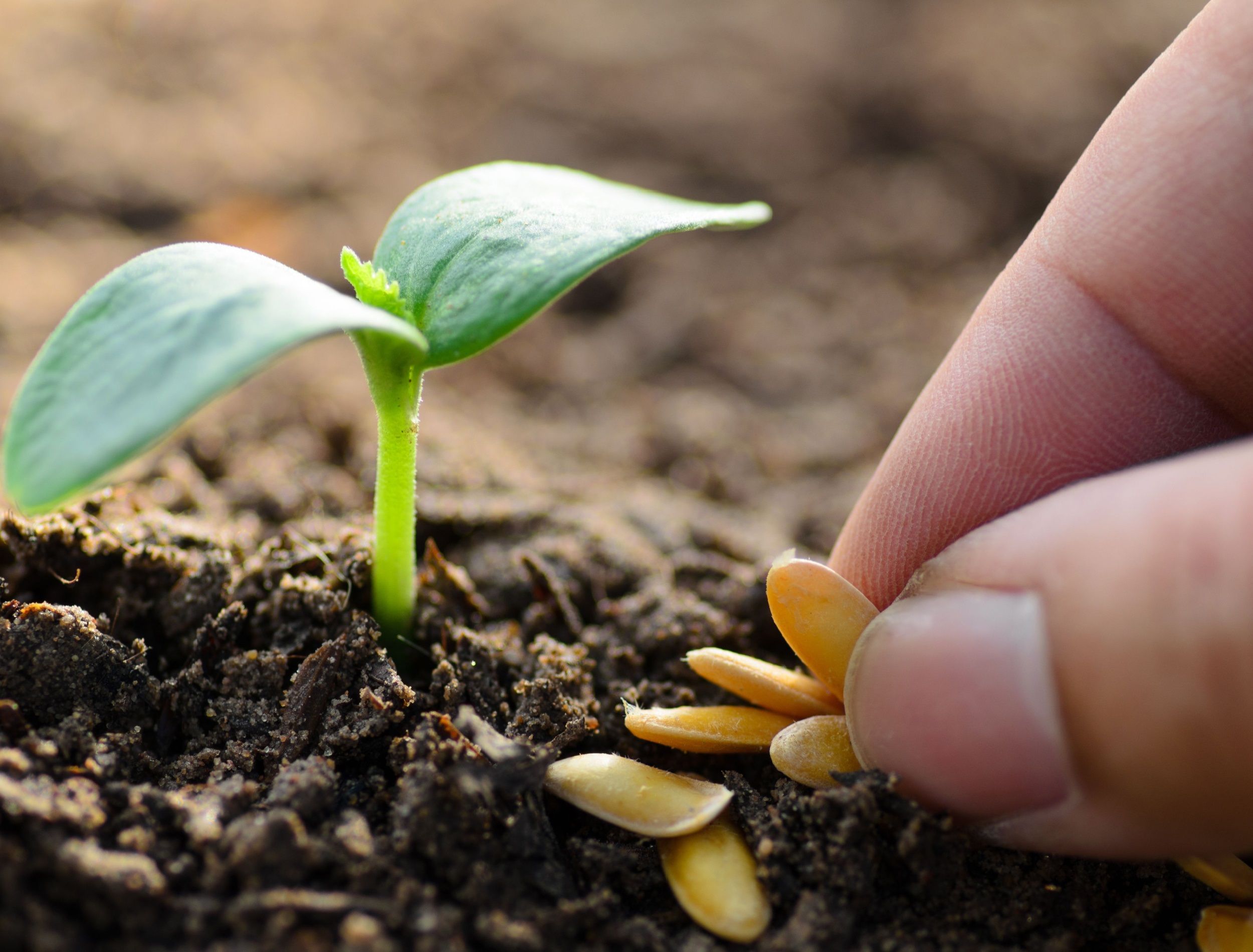
Certain seeds are known to germinate rapidly, often within a mere two days. Here is an overview of seeds that typically exhibit this quick germination process.
Common Seeds That Germinate in 2 Days
The following seeds are known for their swift germination, commonly sprouting within just two days:
- Radish: Radishes are notorious for their rapid growth and can germinate in about 24 to 48 hours.
- Mustard Greens: These seeds often emerge within 2 days, making them a popular choice for quick crops.
- Beans (Certain Varieties): Varieties like mung beans can sprout quickly, often within 48 hours if the conditions are right.
- Alfalfa: Known for its use in sprouting, alfalfa seeds typically germinate in about 2 days.
- Arugula: This peppery green is not only fast-growing but can germinate in as little as 48 hours.
Factors Influencing Germination Time
The germination time of seeds can depend on various environmental factors:
- Temperature: Seeds generally germinate best at optimal temperatures. Most seeds prefer a range between 65°F and 75°F.
- Moisture Level: Adequate moisture is crucial. Seeds require consistent moisture to initiate the germination process.
- Soil Quality: Well-drained, nutrient-rich soil can significantly improve germination rates and speed.
- Light Conditions: Some seeds need light to germinate, while others do not. Being aware of their light requirements can influence germination times.
- Seed Health: Fresh and viable seeds will germinate much quicker than old or improperly stored seeds.
How to Ensure Quick Germination
To promote rapid germination, consider the following steps:
- Pre-soaking Seeds: Soaking seeds in water for a few hours can help kickstart the germination process.
- Optimal Soil Preparation: Use well-aged compost to improve soil structure and nutrient content.
- Consistent Watering: Maintain an adequate moisture level without over-saturating the soil.
- Maintain Ideal Temperature: Using a heat mat can help maintain a consistent temperature for warmth-loving seeds.
- Provide Adequate Light: For light-dependent seeds, provide sufficient light soon after germination.
Benefits of Growing Fast-Germinating Seeds
Fast-germinating seeds offer various advantages for gardeners:
- Quick Harvest: Rapid germination leads to faster plant maturity, allowing for earlier harvests.
- Reduced Risk of Pests: Quick growth can help plants outpace potential pest infestations.
- Efficient Use of Space: Fast-growing plants allow for multiple sowings within a single growing season.
- High Yield: Quick germination can lead to higher overall yields due to shorter crop cycles.
- Enhanced Learning: For beginner gardeners, quick results can be encouraging and helpful in learning about the growth process.
Popular Uses for Fast-Germinating Seeds
Fast-germinating seeds have various culinary and agricultural uses:
- Culinary Herbage: Many fast-germinating seeds, like arugula and mustard greens, are used for salads and garnishes.
- Sprouts: Seeds like alfalfa and mung beans are commonly grown as edible sprouts, rich in nutrients.
- Cover Crops: Quick-growing cover crops can improve soil health and prevent erosion.
- Microgreens: Many fast-germinating seeds are used in growing microgreens, offering a nutritious addition to dishes.
- Educational Projects: Fast-germinating seeds are excellent choices for school projects or home gardening demonstrations.
Questions from Our Readers
What is the fastest growing plant from seed at home?
The fastest growing plant from seed at home is often considered to be the radish. With proper conditions, radish seeds can germinate within just a few days and are ready for harvest in about 3 to 4 weeks.
How can I ensure my fast-growing plants thrive?
To ensure your fast-growing plants thrive, focus on providing them with adequate light, moisture, and nutrients. Utilizing quality soil and following a consistent watering schedule can significantly enhance their growth rate.
Can I grow fast-growing plants indoors?
Yes, many fast-growing plants can be successfully grown indoors. Herbs like basil and cilantro also grow quickly and can thrive in indoor conditions with proper light sources such as grow lights.
What factors influence the growth rate of plants from seeds?
Several factors influence the growth rate of plants from seeds, including temperature, humidity, soil quality, and light availability. Optimizing these elements will help promote faster growth and healthier plants.
See also:

If you want to read more articles like What is the Fastest Growing Plant from Seed at Home? Discover Quick-Growing Options for Your Indoor Garden, we recommend you check out our Seeds category.
Leave a Reply
Related Articles