What is the Fastest Growing Hedge in Australia? Discover the Best Options for Your Garden

When it comes to enhancing garden aesthetics and providing natural privacy, selecting the right hedge is crucial. In Australia, where the climate varies significantly across regions, choosing a fast-growing hedge can make a significant difference in achieving quick results. This article explores the fastest growing hedge options available in the Australian market, highlighting their unique characteristics, benefits, and suitability for various garden styles. Whether you’re looking to create a lush green barrier or a decorative feature, understanding the best options will help you make an informed decision for your outdoor space. Let's dive into the top candidates for your garden hedging needs.
What is the Fastest Growing Hedge in Australia?
In Australia, one of the fastest growing hedges is the Lilly Pilly (Syzygium spp.), which can grow up to 3 meters in just a couple of years under optimal conditions. This versatile plant boasts dense foliage that makes it an excellent choice for privacy screens, windbreaks, and ornamental landscaping. The Lilly Pilly is also valued for its vibrant, glossy leaves and attractive pink or white flowers that bloom in spring and summer, followed by edible berries that attract wildlife. Its quick growth rate, adaptability to various soil types, and resilience in different climates make it a favored choice among gardeners and landscapers across Australia.
Characteristics of Lilly Pilly
The Lilly Pilly features dense foliage and a variety of leaf shapes and sizes, depending on the species. The leaves are typically glossy and green, with some varieties exhibiting vibrant hues ranging from pink to red. The plant is also known for its attractive flowers, which become small berries that birds love to eat. With a growth habit that can be both bushy and upright, Lilly Pilly can serve both functional and aesthetic purposes in gardens.
Growing Conditions
To achieve optimal growth, the Lilly Pilly prefers well-drained, fertile soil and thrives in full sun to partial shade. While it is somewhat drought-tolerant once established, regular watering during dry spells can help promote faster growth. Additionally, this hedge responds well to fertilizer application in the spring, enabling it to reach its potential height quickly.
Maintenance and Care
Maintaining a Lilly Pilly hedge requires regular pruning to encourage bushiness and control height. Pruning can be done annually or biannually, depending on the desired size and shape. The plant may also be susceptible to pests and diseases, such as the Lilly Pilly psyllid, so monitoring and treatment are essential to keep the hedges healthy and thriving.
Benefits of Using Lilly Pilly as a Hedge
Aside from its rapid growth, the Lilly Pilly offers multiple benefits as a hedge. It provides excellent privacy and noise reduction, making it ideal for residential areas. Its dense structure also serves as a habitat for local wildlife, promoting biodiversity in urban settings. Moreover, the berries produced are often enjoyed by birds, adding an ecological aspect to its use in landscaping.
Species Varieties
There are several species of Lilly Pilly that gardeners can choose from, including Syzygium australe, Syzygium luehmannii, and Syzygium paniculatum. Each species varies in height, growth rate, and foliage characteristics, offering options for different landscape needs. Some varieties are even bred for their resistance to pests and diseases, further enhancing their suitability for use in Australian gardens.
| Feature | Lilly Pilly | Growth Rate |
|---|---|---|
| Height | Up to 3 meters | Fast |
| Sunlight | Full sun to partial shade | Optimal growth |
| Maintenance | Regular pruning required | Low to moderate |
What is the easiest hedge to grow in Australia?

The easiest hedge to grow in Australia is arguably the lillypilly (Syzygium spp.). Known for its dense foliage and adaptability to various soil types, the lillypilly is a popular choice among Australian gardeners. It thrives in a range of climates across Australia and can provide excellent privacy and shelter when planted as a hedge. Here are some key reasons it is favored:
- Fast Growth: Lillypillies can grow quickly, often reaching heights of 2 to 5 meters, providing rapid coverage.
- Drought Tolerance: Once established, lillypillies are quite drought-resistant, making them suitable for Australia's often dry conditions.
- Beautiful Foliage and Berries: They feature attractive glossy leaves and produce edible berries that can be enjoyed by both birds and humans.
Choosing the Right Varieties
When selecting a lillypilly for your hedge, it's essential to consider which variety will best suit your needs. Some popular varieties include:
- Syzygium australe: Known for its lush, dense growth and glossy leaves.
- Syzygium 'Hill N' Dale': A compact form that is ideal for smaller gardens.
- Syzygium 'Resilience': This variety offers a more robust resistance to pests and diseases.
Soil Preparation and Planting
Proper soil preparation is crucial for the successful establishment of your lillypilly hedge. Here are some steps to consider:
- Soil Testing: Test your soil’s pH and nutrient levels to ensure it’s suitable for growing lillypillies.
- Amendments: Add organic matter, such as compost, to improve soil structure and fertility.
- Planting: Space the plants about 1 meter apart for optimal growth and coverage.
Caring for Your Lillypilly Hedge
Caring for your lillypilly hedge is relatively straightforward. Follow these maintenance tips:
See also:
- Watering: Water regularly during dry spells, especially in the first year after planting.
- Pruning: Prune in early spring to encourage bushy growth and maintain the desired shape.
- Pest Control: Monitor for common pests like psyllids and apply organic treatments if necessary.
Benefits of Growing Lillypilly Hedges
Lillypilly hedges offer numerous benefits for gardeners and homeowners alike:
- Privacy Screen: Provides an effective screen against neighbors and noise.
- Wildlife Habitat: Birds are attracted to the berries, enhancing local biodiversity.
- Aesthetic Appeal: The vibrant foliage adds beauty to your landscape throughout the year.
Common Challenges and Solutions
While lillypillies are relatively easy to grow, some challenges may arise:
- Pest Issues: Psyllids can be problematic; use neem oil or insecticidal soap for control.
- Leaf Spot Diseases: Ensure adequate air circulation and avoid overhead watering to minimize disease risks.
- Overly Dense Growth: Regular pruning helps to prevent overcrowding and encourages healthy growth.
What is the fastest growing hedge for privacy?
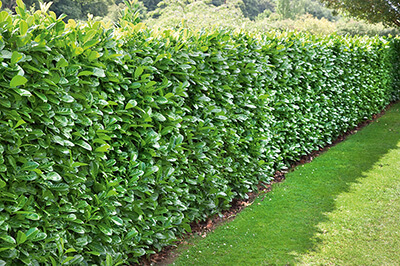
The fastest growing hedge for privacy is the Leyland Cypress (× Cupressocyparis leylandii). This evergreen tree is popular among homeowners looking to create a green privacy screen quickly. It can grow up to 3 to 4 feet per year under optimal conditions, making it one of the fastest growing options available for hedges. The Leyland Cypress can reach heights of 50 to 70 feet and thrives in various soil types, although it prefers well-drained soil with full sun exposure. Its dense foliage provides an excellent barrier against noise and views, making it ideal for creating private spaces in gardens or yards.
Maintenance of Leyland Cypress
Maintaining Leyland Cypress is relatively simple, but it requires some effort to ensure healthy growth and desirable shape. Regular pruning and watering are critical.
- Watering: Ensure that the hedge receives adequate water, especially during dry spells. Newly planted cypress will require more water until established.
- Pruning: To maintain the desired shape and prevent overgrowth, prune in late spring after new growth starts. This encourages a bushier appearance.
- Pest Control: Keep an eye out for common pests such as spider mites and aphids. Treatment may be necessary if infestations occur.
Climate Considerations
The Leyland Cypress is versatile when it comes to climate adaptability, but understanding its limitations is essential for successful growth.
- Cold Tolerance: This hedge can withstand temperatures as low as USDA Zone 6, making it suitable for a wide range of climates.
- Heat Resistance: Leyland Cypress can handle hot weather but may need more water in extreme heat to prevent stress.
- Humidity: It thrives in humid areas but may develop fungal issues in overly wet environments; thus, good air circulation is crucial.
Spacing Requirements
Proper spacing when planting Leyland Cypress is essential to ensure that the plants can reach their full potential without overcrowding.
- In-Row Spacing: When planting Leyland Cypress, it is recommended to space them 3 to 4 feet apart to allow for healthy growth.
- Row Spacing: If planting multiple rows, maintain a distance of 6 to 8 feet between rows to provide adequate sunlight and air circulation.
- Consider Local Regulations: Check local zoning laws for hedging regulations, as some areas may have restrictions on hedgerow heights and spacing.
Alternative Fast-Growing Hedges
While Leyland Cypress is an excellent choice for privacy, there are other fast-growing hedges that may also suit various needs.
- Emerald Green Arborvitae: This tree grows about 2-3 feet per year and is known for its narrow, columnar appearance, making it ideal for smaller spaces.
- Privet: Commonly used for hedging, privet grows roughly 2-3 feet per year and can be easily trimmed to maintain desired shapes.
- Boxwood: Known for its versatility, boxwood grows slower than cypress, at about 1-2 feet per year, but offers classic looks and dense foliage.
Benefits of a Fast-Growing Privacy Hedge
Establishing a fast-growing privacy hedge like the Leyland Cypress can provide numerous advantages for property owners.
- Immediate Privacy: Fast growth means homeowners can achieve significant privacy in a relatively short amount of time, reducing visible lines of sight.
- Noise Reduction: Dense foliage helps to buffer sounds from busy streets or neighborhood noise, creating a more tranquil outdoor environment.
- Enhanced Property Value: A well-maintained hedge can improve curb appeal and contribute positively to property values by enhancing the landscape.
What is the best plant to block neighbours?
:max_bytes(150000):strip_icc()/rest_1_1_11625-2047d6732dc0438785d55d2f3a490fda.jpeg)
The best plant to block neighbours effectively will depend on several factors, including your climate, space availability, and personal preference. Generally, evergreen shrubs and trees are ideal choices as they provide year-round privacy. Some popular options include Leylandii, Boxwood, and Bamboo. These plants can create a natural barrier that not only enhances your privacy but also adds to the aesthetic of your garden.
Choosing the Right Height
When selecting plants to block your neighbours, consider the desired height for privacy.
- Low Shrubs: Ideal for maintaining sightlines while still providing some blockage.
- Medium Hedges: Offer a balance between privacy and openness.
- Tall Trees: Best for creating a complete physical barrier, but may require more maintenance.
Types of Privacy Plants
There are various types of plants you can use to achieve privacy.
See also:
- Evergreens: These retain their leaves year-round, providing consistent coverage.
- Deciduous Plants: These may lose leaves in winter but can offer beautiful blooms in warmer months.
- Bamboo: This fast-growing option can create a dense screen quickly.
Growth Rate Considerations
The rate of growth is an important factor to consider when choosing privacy plants.
- Fast-Growing Plants: Options like Leylandii can reach substantial heights in just a few years.
- Moderate Growers: Boxwood typically grows slower, allowing for more controlled maintenance.
- Slow Growers: You might choose these for their longevity and stability in a garden setting.
Maintenance Needs
Understanding the maintenance requirements of your selected plants will help ensure their longevity.
- Pruning: Regular trimming may be necessary for plants like Boxwood to maintain shape.
- Watering: Newly planted shrubs may require more frequent watering during dry spells.
- Pest Control: Some plants, like Bamboo, can attract pests if not properly cared for.
Seasonal Considerations
Seasonal changes can affect the effectiveness of your privacy plants.
- Winter Coverage: Evergreen plants will continue to provide privacy while others may be bare.
- Spring Growth: Many plants will bloom and fill out as the weather warms.
- Summer Maintenance: Regular checks and watering are crucial during hotter months.
What is the fastest growing screening plant in Australia?
The fastest growing screening plant in Australia is Pennisetum clandestinum, commonly known as Kikuyu grass. This grass species is renowned for its rapid growth, resilience, and adaptability to various climatic conditions in Australia. Kikuyu grass is often used for both residential and commercial landscaping due to its ability to quickly establish a lush green lawn and provide excellent coverage. It is particularly favored in the warmer regions of Australia, where it thrives under full sun exposure and can tolerate drought conditions once established.
Characteristics of Kikuyu Grass
Kikuyu grass is known for several distinctive features that make it an ideal choice for screening in Australian gardens and landscapes.
- Rapid Growth: Kikuyu can grow several centimeters per week under optimal conditions, allowing it to quickly cover bare patches in lawns.
- Deep Root System: The grass develops a deep root system that aids in water absorption, making it more resilient during dry spells.
- Durability: Kikuyu is highly resistant to foot traffic and recovering quickly from wear, which makes it suitable for high-use areas.
Soil and Climate Requirements
Kikuyu grass flourishes in a variety of soil types but prefers well-drained soils.
- Soil Type: It can grow in sandy, loamy, and clay soils, but good drainage is essential to prevent waterlogging.
- Climate Preference: Best suited for warmer climates, Kikuyu thrives in temperate regions with moderate to high rainfall.
- Sun Exposure: The grass requires full sun for at least 6 hours a day to achieve optimal growth and health.
Maintenance Tips for Kikuyu Grass
To keep Kikuyu grass healthy and thriving, proper maintenance is crucial.
- Mowing: Regular mowing is necessary to encourage lateral growth and maintain an even appearance, typically every 2-4 weeks during the growing season.
- Watering: Deep watering once a week is recommended, allowing the soil to dry out between waterings to promote deep rooting.
- Fertilization: Applying a balanced fertilizer during the growing season can enhance growth and color, especially in nutrient-poor soils.
Advantages of Using Kikuyu Grass as a Screening Plant
Kikuyu grass offers several advantages that make it a popular choice for screening applications.
- Effective Coverage: Its dense growth habit provides excellent coverage, making it ideal for creating privacy and visual barriers.
- Erosion Control: The root system helps to stabilize soil and prevent erosion on slopes and other challenging terrains.
- Eco-Friendly: Kikuyu is a natural solution for landscaping, reducing the need for synthetic materials that can impact the environment.
Common Pests and Diseases
While Kikuyu grass is relatively hardy, it can be susceptible to certain pests and diseases that may affect its health.
- Chinch Bugs: These pests can damage the grass by sucking the sap, leading to discoloration and patches of dead grass.
- Leaf Spot: A fungal disease that can cause brown lesions on the leaves, requiring proper watering practices to prevent outbreak.
- Fungal Infections: Excess moisture can lead to various fungal issues; ensuring proper drainage and air circulation can mitigate this risk.
Questions from Our Readers
What is the fastest growing hedge in Australia?
The fastest growing hedge in Australia is typically the Leyland cypress, known for its rapid growth rate and dense foliage. This plant can achieve heights of up to 3 meters in just a few years, making it an excellent choice for privacy screens and windbreaks.
How long does it take for a Leyland cypress hedge to mature?
A Leyland cypress hedge can reach its mature height of around 4 to 6 meters in about 5 to 10 years, depending on the growing conditions such as soil quality, sunlight, and watering practices.
What conditions are ideal for growing Leyland cypress in Australia?
To thrive, Leyland cypress requires well-drained soil, plenty of sunlight, and access to adequate water. It is also important to monitor for pests and diseases that can affect the health of the hedge.
See also:
Can Leyland cypress be used for formal hedging?
Yes, Leyland cypress can be used for formal hedging due to its ability to tolerate pruning and maintain a neat shape. Regular trimming allows homeowners to achieve a structured appearance while enjoying the plant's quick growth.

If you want to read more articles like What is the Fastest Growing Hedge in Australia? Discover the Best Options for Your Garden, we recommend you check out our Hedges category.
Leave a Reply
Related Articles