What is the easiest plant to grow on a trellis? Discover Top Choices for Beginners!
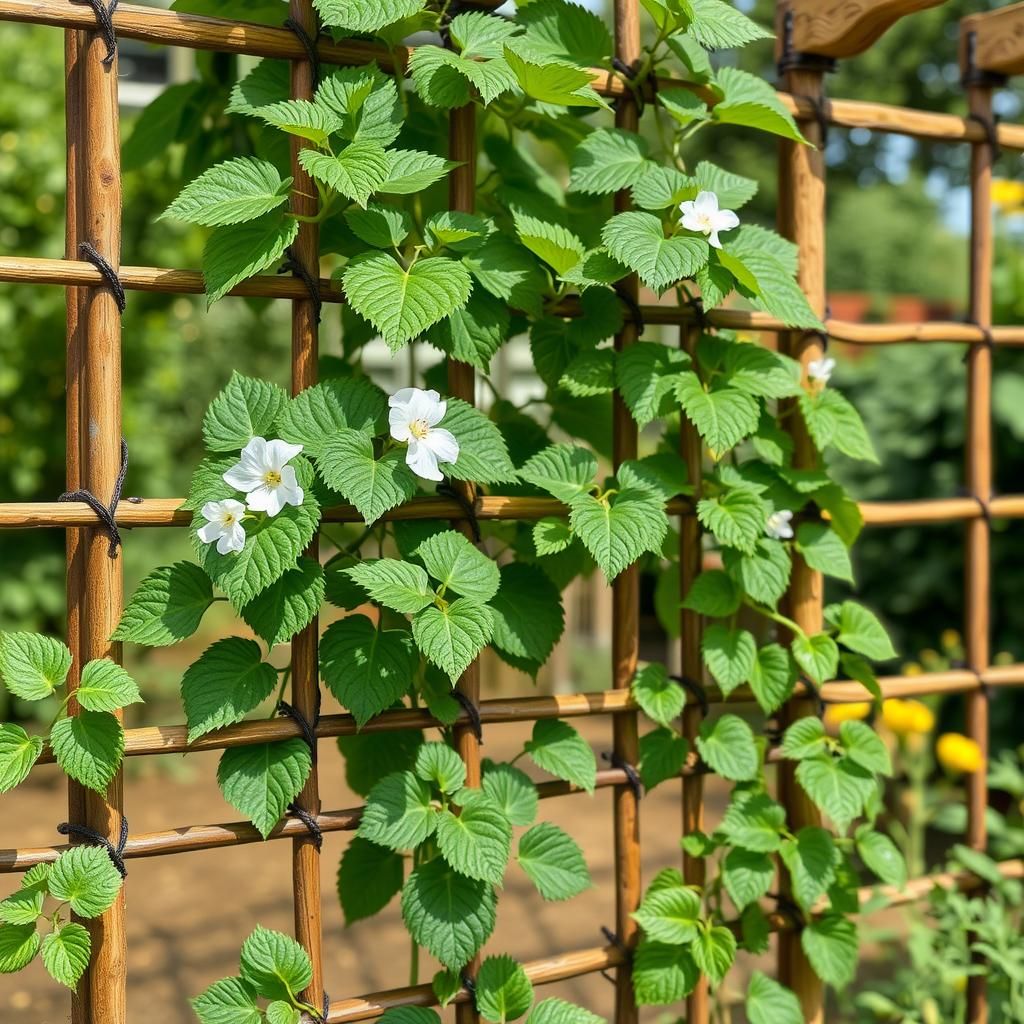
Growing plants on a trellis not only maximizes garden space but also adds beauty to any outdoor area. For beginners, selecting the right plants can make the experience enjoyable and successful. In this article, we will explore the easiest plants to grow on a trellis, highlighting top choices that thrive with minimal effort. Whether you're looking for vibrant flowers, delicious vegetables, or fragrant vines, these selections will inspire novice gardeners to embrace vertical gardening. Join us as we detail the most user-friendly options perfect for elevating your gardening game and bringing life to your trellis.
What is the Easiest Plant to Grow on a Trellis?
One of the easiest plants to grow on a trellis is the pea (Pisum sativum). Peas are known for their quick growth and ability to climb. They can be sown directly into the ground in early spring and will quickly latch onto the trellis with their natural tendrils. This makes them an ideal choice for gardeners looking for a low-maintenance yet productive option. The compact growth habit of peas allows you to maximize vertical space while they produce delicious pods that can be harvested in just a few weeks.
Benefits of Growing Peas on a Trellis
Growing peas on a trellis offers several benefits such as improved air circulation, which helps prevent fungal diseases. The vertical growth means less soil contact, reducing the risk of pests. Plus, trellised peas are easier to harvest, making them a convenient choice for gardeners.
Other Easy Plants for Trellising
Aside from peas, other easy-to-grow plants for trellising include cucumbers, tomatoes, and beans. Each of these plants benefits from support, as it allows them to grow upwards and receive better sunlight. They are also known for their rapid growth rates, making them great for gardeners looking for quick results.
Best Trellis Types for Peas
When choosing a trellis for peas, options like vertical grids or simple fence panels work well. Ideally, the trellis should be around 3 to 6 feet tall to accommodate their growth. Ensuring the trellis is sturdy and can support the weight of the mature plants will lead to a successful harvest.
Growing Conditions for Peas
Peas thrive in cool weather and prefer full sun, ideally at least 6 hours per day. They grow best in well-drained soil that is rich in organic matter. It’s essential to keep the soil consistently moist, particularly during the germination phase.
When to Plant Peas
The best time to plant peas is in early spring, about 4 to 6 weeks before the last frost date in your area. This timing allows peas to mature in cooler weather, as excessive heat can hinder their growth and yield. Typically, planting in early spring leads to a bountiful harvest by late spring to early summer.
| Plant | Time to Harvest | Optimal Height | Light Requirements |
|---|---|---|---|
| Peas | 60-70 days | 3-6 feet | Full sun |
| Cucumbers | 50-70 days | 5-6 feet | Full sun |
| Tomatoes | 70-100 days | 5-8 feet | Full sun |
| Beans | 50-60 days | 6-10 feet | Full sun |
What is the fastest growing plant for a trellis?
:max_bytes(150000):strip_icc()/ms-fast-growing-vines-hero-wisteria-9fc9ad2eb6f946a0b18ab04c909962b3.jpg)
The fastest growing plant for a trellis is typically the morning glory. This plant is renowned for its rapid growth rate, which can lead to substantial coverage on a trellis in a relatively short period. Morning glories can grow up to 10 feet in a single season, making them a preferred choice for gardeners looking to quickly maximize vertical space. They thrive in most climates and can flourish in poor soils, provided they receive adequate sunlight.
Moreover, morning glories feature beautiful, vibrant flowers that bloom in the morning, adding aesthetic appeal to any garden or outdoor space. Additionally, they are annuals in many regions, meaning they grow quickly and can be reseeded each year for continuous coverage.
Advantages of Morning Glories on Trellises
The advantages of using morning glories on trellises are extensive. Some of the key benefits include:
- Rapid Coverage: They can cover a trellis quickly, making them ideal for immediate landscaping needs.
- Low Maintenance: Once established, morning glories require minimal care, needing little more than sunlight and water.
- Attractive Blooms: Their flowers come in various colors, adding beauty and visual interest to your garden.
Growing Conditions for Morning Glories
To ensure optimal growth for morning glories, specific growing conditions should be met:
- Sunlight: Morning glories thrive in full sun, requiring at least 6-8 hours of sunlight daily.
- Soil Type: They prefer well-draining soil and can adapt to various soil types, but rich, loamy soil tends to yield the best results.
- Watering: While they are drought tolerant, consistent watering during dry spells helps maintain their health and vibrancy.
Caring for Morning Glories on Trellises
Proper care is essential for morning glories to flourish on trellises:
See also:
- Pruning: Regular pruning can help promote growth and maintain a tidy appearance.
- Fertilization: Applying a balanced fertilizer in early spring can encourage robust growth and flowering.
- Pest Management: Keep an eye out for common pests, such as aphids, and treat infestations promptly.
Alternative Fast Growing Plants for Trellises
If morning glories aren't your preference, there are other fast-growing plants suitable for trellises:
- Climbing Beans: These can grow rapidly, producing edible beans while also providing coverage.
- Sweet Peas: Known for their fragrant flowers, sweet peas also climb quickly and bloom profusely.
- Honeysuckle: A perennial option, honeysuckle grows quickly and can attract pollinators to your garden.
When to Plant Morning Glories
Timing is crucial for planting morning glories effectively:
- Spring Planting: Plant them after the last frost date in your area for the best results.
- Seed Preparation: Soaking seeds overnight before planting can enhance germination rates.
- Transplanting: If starting indoors, ensure hardening off before moving them to their final outdoor location.
What plant grows best on a trellis?
:max_bytes(150000):strip_icc()/climbing-plants-GettyImages-1181830954-4d5a841c405849a2a59abfbb77f8e12d.jpg)
The plants that grow best on a trellis are typically climbers or vining species that take advantage of vertical space, making them ideal for gardens with limited ground area. A trellis offers support, allowing these plants to grow higher, which not only maximizes space but also enhances air circulation and sunlight exposure. Here are some of the best options:
1. Clematis
Clematis is a popular climber known for its stunning flowers, which can bloom in various colors. These plants prefer a sunny location with well-drained soil. They can grow up a trellis swiftly and offer colorful blooms, increasing the visual appeal of any garden.
- Adaptability to various trellis styles.
- Long flowering season, providing beauty from spring to fall.
- Diverse species cater to different gardening preferences.
2. Peas
Peas are not just delicious but also thrive on trellises. As a cool-season crop, they benefit greatly from vertical growth, which allows for easier harvesting and better air circulation, reducing disease risk.
- Varieties such as sugar snap and snow peas grow exceptionally well on trellises.
- Improved yield due to better exposure to sunlight.
- Facilitates easier access for picking without bending over.
3. Beans
Beans, particularly pole beans, are perfect for trellises as they naturally climb. This growth habit allows gardeners to maximize space, and the vertical structure makes harvesting easier.
- Wide variety of beans from green to black and more.
- Faster growth and fruiting compared to bush varieties.
- Creates a visually appealing vertical garden structure.
4. Tomatoes
Treasures among gardeners, especially indeterminate varieties, thrive on trellises. A sturdy trellis helps keep the fruit off the ground, reducing the risk of rot and pests.
- Enhanced air circulation to reduce humidity-related diseases.
- Improved fruit quality as a result of better sunlight exposure.
- Easier access for pruning and harvesting.
5. Hops
Hops are crucial for brewing and known for their unique climbing ability. They prefer a sturdy trellis for support as they can grow up to 20 feet tall in a single season.
- Fast growth rate during the growing season.
- Produces fragrant cones that can enhance local brewing processes.
- Aesthetically pleasing with their lush green foliage and tall stature.
What is the easiest climbing plant to grow?
:max_bytes(150000):strip_icc()/morningglory1-5cec9bbfdac1466ea5cad5b4226b4e93.jpg)
The easiest climbing plant to grow is Clematis. Known for its stunning blooms and rapid growth, Clematis is a popular choice among gardeners, especially for those seeking low-maintenance options that can cover fences, trellises, and walls. Its adaptability to various climates and soil types makes it an ideal choice for both novice and experienced gardeners. With a little attention to light conditions and watering, Clematis can thrive in many settings.
Planting and Care Tips
To ensure successful growth of Clematis, it's crucial to understand its planting and care requirements. Ideally, plant it in a location that receives full sun or partial shade. Here are some key pointers for care:
- Soil Requirements: Well-draining soil with a slightly alkaline to neutral pH is best.
- Watering: Regular watering is essential, especially during dry spells, but avoid waterlogging.
- Fertilization: Use a balanced fertilizer in early spring to promote strong growth and abundant blooms.
Types of Clematis
Clematis comes in numerous varieties, each with its unique characteristics. Some popular types are:
See also:
- Clematis Jackmanii: Known for its large, deep purple flowers in summer.
- Clematis Henryi: Features white, star-shaped blooms with a pleasant fragrance.
- Clematis Viticella: Offers small, bell-shaped flowers that bloom from summer into fall.
Common Pests and Diseases
Like all plants, Clematis can be susceptible to certain pests and diseases. The most common issues include:
- Leaf Spot: A fungal disease that causes dark spots on leaves; treat with fungicides.
- Aphids: Tiny insects that can weaken the plant; control them with insecticidal soap.
- Mildew: Fungal growth that appears in humid conditions; improve air circulation around the plant.
Support Structures for Climbing
Providing adequate support for your Clematis is essential for its growth. Here are some common support options:
- Trellises: Ideal for directing growth upward while displaying the flowers beautifully.
- Arbors: Create a stunning entryway or provide shade with climbing Clematis.
- Fences or Walls: Clematis can easily climb on various surfaces, making them versatile for gardeners.
Propagation Methods
Clematis can be easily propagated through several techniques, ensuring you can expand your garden with this stunning climber. Here are the common methods:
- Cuttings: Take cuttings in early summer and root them in a humid environment.
- Division: Divide established plants in spring or fall, making sure each piece has roots.
- Layering: Bend a stem to the ground and cover part of it with soil to encourage root development.
How to plant a trellis for beginners?
/Trellis-vines-AgDvOcAxK3D96qQDGnkfic-3bee9d3010bc4cc29ad9bf773137eae5.jpg)
To plant a trellis for beginners, follow these detailed steps to ensure it's anchored correctly and provides support for your climbing plants. A trellis can be a wonderful addition to your garden, promoting vertical growth and saving space.
Choosing the Right Location
Selecting the appropriate location for your trellis is crucial. It should receive ample sunlight and be near the plants you want to support.
- Sunlight: Ensure the area receives at least 6-8 hours of direct sunlight daily to promote healthy growth.
- Proximity to Plants: Position the trellis near the base of the climbing plants you intend to use, making it easier for them to reach the structure.
- Wind Protection: If possible, place the trellis in a sheltered area to protect delicate plants from strong winds.
Gathering Necessary Materials
Before starting, make sure you have all required materials ready for a smooth installation.
- Trellis Material: Choose between wood, metal, or plastic trellises based on your aesthetic preferences and durability needs.
- Tools: Gather tools like a shovel, hammer, and level to securely install the trellis.
- Support Items: Consider using stakes, zip ties, or garden twine to secure climbing plants to the trellis.
Installing the Trellis
To effectively install the trellis, follow a step-by-step approach for stability and functionality.
- Digging Holes: Dig holes that are at least 1-2 feet deep on either side of the trellis for stability.
- Securing the Base: Position the trellis in the center and fill the holes with soil, ensuring the structure is straight with the help of a level.
- Stabilizing with Braces: If using a large trellis, consider adding braces or stakes for additional support against the wind.
Planting Climbing Plants
Once the trellis is installed, it's time to plant the climbing plants that will utilize it for vertical support.
- Choosing Plants: Select fast-growing climbing plants like peas, beans, or flowering vines that will thrive on the trellis.
- Spacing: Plant the climbing plants approximately 6-12 inches apart at the base of the trellis for optimal growth.
- Watering: After planting, water the plants generously to help them establish their roots in the new environment.
Maintenance and Care
Maintaining the trellis and plants is essential for ongoing health and growth.
- Regular Watering: Ensure your climbing plants receive adequate moisture, especially during dry spells.
- Pruning: Trim back any dead or unruly growth periodically to encourage healthy new growth.
- Supporting Growth: Use garden ties to guide and secure plants as they grow, ensuring they climb effectively without damage.
Questions from Our Readers
What types of plants are best suited for a trellis?
Most climbing plants thrive on a trellis due to their natural growth habits. Popular choices include peas, cucumbers, and pole beans. These plants not only save space in your garden but also provide an aesthetically pleasing vertical element.
How much sunlight do trellis plants need?
Most plants that grow well on a trellis require full sunlight, which means they should get at least 6 to 8 hours of sunlight per day. Adequate sunlight helps the plants grow stronger and produce more fruits and flowers.
Are there any low-maintenance plants for a trellis?
Yes, some low-maintenance plants are perfect for trellising. Morning glories and sweet peas are both excellent options that require minimal care while still offering vibrant blooms. These plants are ideal if you're looking for a beautiful display without extensive upkeep.
See also:
When is the best time to plant trellis plants?
The best time to plant trellis plants varies depending on the species, but generally, you should plant them in spring after the last frost. Timing ensures that they have ample time to grow and climb throughout the growing season.

If you want to read more articles like What is the easiest plant to grow on a trellis? Discover Top Choices for Beginners!, we recommend you check out our Trellis category.
Leave a Reply
Related Articles