What is the Easiest Flowering Shrub to Grow? Your Ultimate Guide to Beautiful Blooms
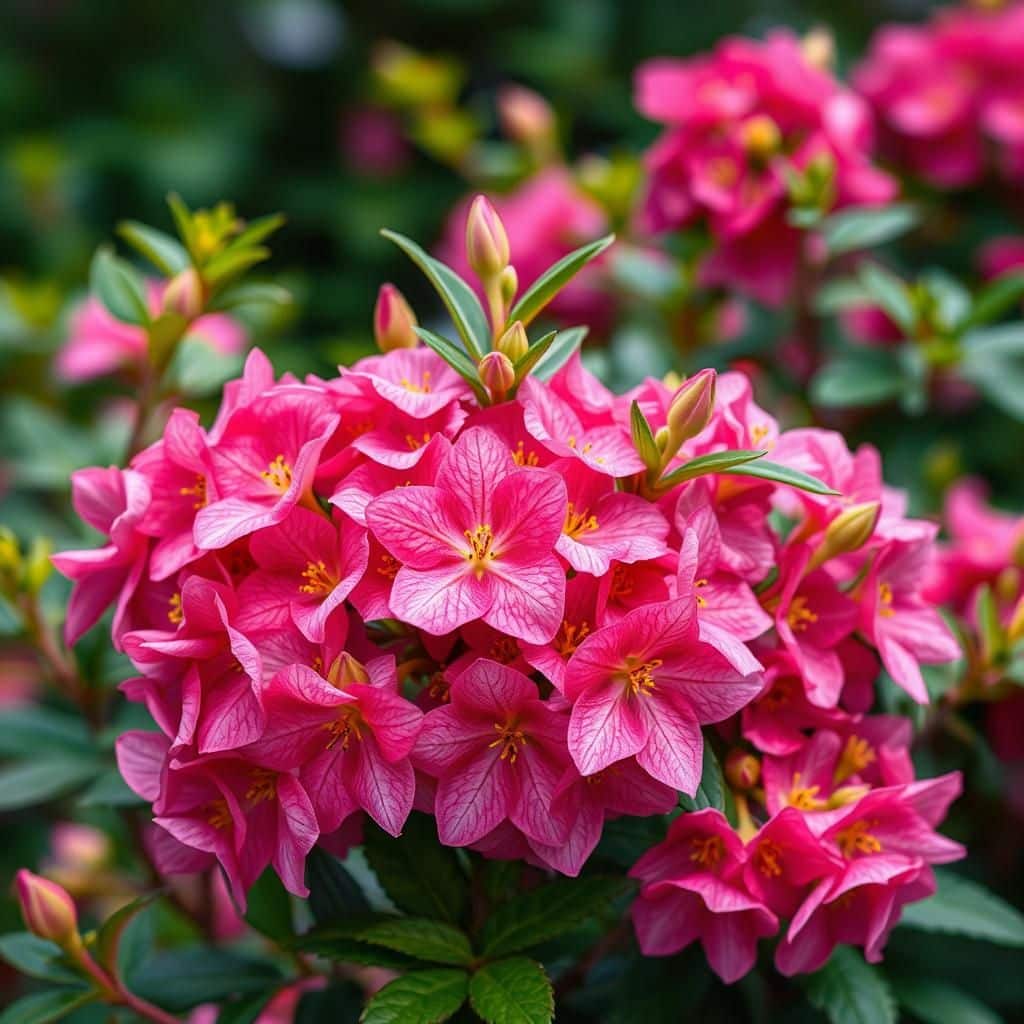
If you're looking to enhance your garden with vibrant colors and captivating scents, flowering shrubs are an excellent choice. These versatile plants not only add beauty to your landscape but also require relatively low maintenance, making them perfect for gardeners of all skill levels. In this ultimate guide, we will explore the easiest flowering shrubs to grow, considering factors such as climate adaptability, care requirements, and blooming seasons. Whether you have a sprawling yard or a cozy patio, you'll discover the ideal options to create a stunning and thriving floral display with minimal effort.
What is the Easiest Flowering Shrub to Grow?
One of the easiest flowering shrubs to grow is the mock orange (Philadelphus). This versatile plant flourishes in a variety of climates and soil types, making it an excellent choice for both novice and experienced gardeners. The mock orange typically reaches heights of 6 to 10 feet and produces fragrant white flowers in late spring, providing a burst of color and a pleasant aroma to any landscape. With its low-maintenance nature, requiring minimal pruning and drought resistance once established, it's a popular option for gardeners seeking an attractive yet uncomplicated shrub.
Characteristics of Mock Orange
The mock orange is characterized by its arching branches and lush green foliage. The plant's pure white, cup-shaped blooms typically emerge in late spring to early summer, offering a stunning contrast against its leaves. These flowers can be quite fragrant, often reminiscent of orange blossoms, hence the name. The shrub is deciduous, meaning it sheds its leaves in the autumn, which gives gardeners the chance to enjoy beautiful fall color before dormancy.
Growing Conditions
Mock orange thrives in full sun to partial shade, preferring well-drained soil for optimal growth. It can tolerate a range of soil types, from sandy to clay, although it flourishes best in loamy conditions enriched with organic matter. This shrub is relatively drought-tolerant once established, making it suitable for various garden styles, including low-maintenance and xeriscape gardens. Additionally, it's hardy in USDA zones 4 to 8, showcasing adaptability to different climates.
Maintenance Tips
Caring for a mock orange is straightforward and requires minimal effort. Regular watering is crucial during the initial growing period, but once established, the plant can endure short dry spells. Light pruning is all that’s needed to maintain its shape and size after flowering. This not only encourages bushier growth but also helps promote more blooms in the following year. Fertilizing in early spring with a balanced fertilizer can also boost flowering performance and overall plant health.
See also:
Pests and Diseases
Mock orange is generally resistant to most pests and diseases, making it a great option for an easy-care shrub. However, gardeners should watch for potential issues such as aphids, spider mites, or powdery mildew, especially in hot and humid climates. Regular inspection and proper air circulation can prevent these problems. Introducing beneficial insects like ladybugs can naturally control pest populations, preserving the health and vigor of the shrub.
Propagation Methods
Propagation of mock orange can be achieved through techniques such as cuttings or layering. To propagate via cuttings, take healthy stems in late spring or early summer, ensuring to include several leaf nodes. Place them in a pot with a rooting medium, keeping the soil moist until roots develop. Layering involves bending a low branch to the ground and covering a section of it with soil while leaving the tip exposed above ground. Once roots form, it can be severed from the parent plant and transplanted.
| Aspect | Detail |
|---|---|
| Height | 6 to 10 feet |
| Flowering Time | Late spring to summer |
| Sun Requirements | Full sun to partial shade |
| Hardiness Zones | 4 to 8 |
| Soil Preference | Well-drained, adaptable to various soils |
Choosing the Right Environment for Your Flowering Shrubs
When selecting the easiest flowering shrub to grow, it's crucial to consider the environment in which it will reside. These shrubs thrive best in specific conditions such as soil type, sunlight exposure, and climate zone. Most flowering shrubs prefer well-drained soil, so ensure that you amend heavy clay or sand to create an optimal growing medium. Additionally, knowing whether the shrub likes full sun or partial shade can greatly influence its health and blooming potential. By aligning the shrub's needs with your garden's conditions, you can easily cultivate a vibrant display of blooms.
Top Low-Maintenance Flowering Shrubs
Some flowering shrubs are designed for those who prefer a low-maintenance gardening approach. Plants like the potentilla and hydrangea are known for their resilience and ability to thrive with minimal care. These shrubs typically require less pruning and are more resistant to pests, making them perfect for beginners or busy gardeners looking for a hassle-free option.
Best Flowering Shrubs for Small Gardens
If you have limited space, there are several compact flowering shrubs to consider. The dwarf butterfly bush or the miniature rose offer stunning blooms without dominating your garden space. These smaller varieties not only enhance your garden's aesthetic but also allow for easy maintenance, ensuring that you can still enjoy beautiful flowers without overwhelming your limited area.
See also:
Seasonal Blooms: Timing Your Planting
Understanding the blooming season of your chosen flowering shrub is essential in order to enjoy year-round color. For example, spring-blooming shrubs like azaleas will require early planting in fall or spring, while summer-blooming options, such as lavender, can be planted in early spring. Timing your plantings according to their natural life cycle ensures a continual display of vibrant flowers throughout the growing seasons.
Watering Needs for Flowering Shrubs
Watering requirements can vary significantly between different flowering shrubs, and understanding these needs is essential for their survival. Most flowering shrubs prefer consistent moisture but should never be waterlogged. A general rule of thumb is to provide them with about 1 inch of water per week, either through rainfall or supplemental irrigation, especially during hot, dry spells. Adjusting your watering tactics based on individual shrub species will promote maximum health and flowering output.
Common Pests and Diseases to Watch For
Being aware of the pests and diseases that commonly affect flowering shrubs is vital for maintaining their health. Common problems include aphids, spider mites, and powdery mildew. Regular monitoring and early intervention using appropriate pest control measures can keep your shrubs thriving. Employing a strategy of disease-resistant varieties can also reduce the risk of infestations and ensure that your flowering shrubs remain beautiful and healthy season after season.
Questions from Our Readers
What is the easiest flowering shrub to grow?
The easiest flowering shrub to grow is often considered to be the Forsythia. Forsythia is known for its bright yellow flowers that bloom in early spring, and it thrives in various soil types while requiring minimal maintenance.
How much sunlight do flowering shrubs need?
Most flowering shrubs, including the popular hydrangea and lilac, prefer to receive at least six hours of sunlight each day for optimal growth and flowering. However, some varieties can tolerate partial shade.
See also:
When is the best time to plant flowering shrubs?
The best time to plant flowering shrubs is during the spring or fall. Planting during these seasons allows the shrubs to establish their roots before the more extreme temperatures of summer or winter.
Do flowering shrubs require a lot of water?
While the specific water needs can vary, most flowering shrubs require regular watering, especially during dry spells. It's essential to monitor the soil moisture and water accordingly, ensuring not to overwater, which can lead to root rot.

If you want to read more articles like What is the Easiest Flowering Shrub to Grow? Your Ultimate Guide to Beautiful Blooms, we recommend you check out our Shrubs category.
Leave a Reply
Related Articles