What is the easiest and fastest plant to grow? Discover the Top Choices for Quick Gardening Success!
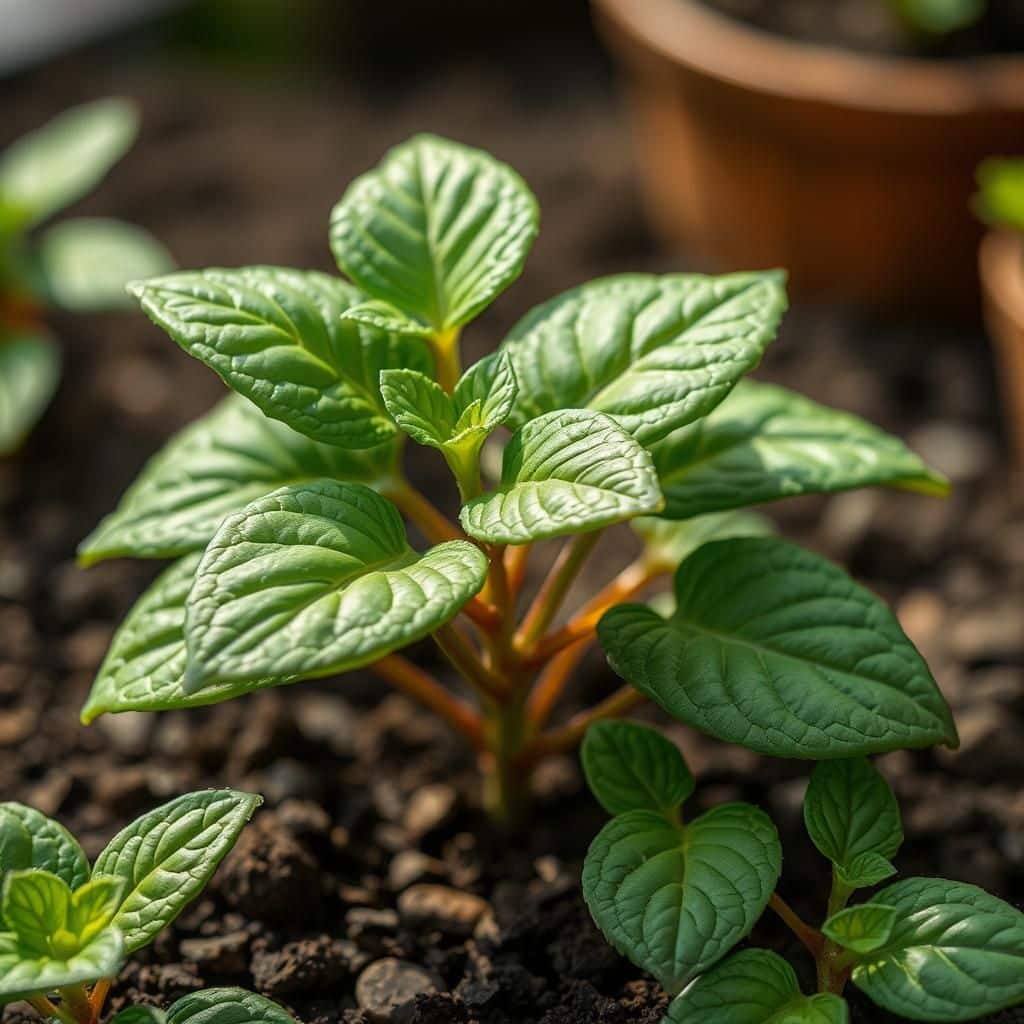
Gardening can be a rewarding hobby, but not everyone has the time or patience for long-growing plants. If you're looking for a quick and easy way to start gardening, certain plants can provide fast results and minimal effort. In this article, we will explore the easiest and fastest plants to grow, perfect for beginners and busy individuals alike. From vibrant herbs to colorful flowers, our top choices will help you achieve gardening success in no time. Discover how you can cultivate a flourishing green space with just a little planning and care!
What is the Easiest and Fastest Plant to Grow?
The easiest and fastest plant to grow is often considered to be radishes. These vegetables have a very short growing season, typically ranging from 3 to 4 weeks from seed to harvest. They thrive in a variety of soils and can be planted in both spring and fall, making them a versatile choice for gardeners. With minimal care, radishes require consistent moisture and a bit of sunlight to flourish. Their rapid growth rate and the ability to sprout in relatively cool weather make them an ideal option for beginners and those looking for a quick gardening project.
Why Choose Radishes?
Radishes are an excellent choice for new gardeners due to their quick germination period and the fact that they can be sown directly into the garden soil. Unlike many other crops, they do not require starting indoors or complex transplanting methods, which simplifies the process. They're also a great way to introduce children to gardening, as they can see results in a very short timeframe, encouraging a sense of accomplishment.
Growing Conditions for Radishes
Radishes prefer loose, well-draining soil, ideally amended with compost to improve fertility. They grow best in full sun but can tolerate partial shade, especially in warmer climates. Maintaining consistent moisture is crucial, as uneven watering can lead to pithy or split roots. The ideal soil temperature for planting radishes is between 45°F and 85°F (7°C to 29°C), making them suitable for spring and fall planting.
Planting Techniques
When planting radishes, you should sow the seeds directly into the soil about ½ inch deep and spaced approximately 1 inch apart. Rows should be about 12 inches apart, allowing for proper growth. After sowing, water the area gently to provide even moisture. To ensure optimal growth, consider succession planting, which involves sowing seeds every couple of weeks to maintain a steady supply throughout the season.
Pest Management
Radishes are relatively pest-resistant, but they can still be affected by certain pests like aphids and flea beetles. To manage these pests, consider using row covers to protect young plants or introducing beneficial insects that prey on the harmful species. Maintaining good air circulation and avoiding overcrowding can also help prevent pest infestations.
Nutritional Benefits
Radishes are not only quick to grow but also offer numerous nutritional benefits. They are low in calories while being rich in vitamin C, potassium, and other essential nutrients. Eating radishes can support digestive health, promote hydration due to their high water content, and provide antioxidants that may improve overall well-being. Their crisp texture and spicy flavor can also enhance various dishes, making them a healthy addition to your diet.
| Plant | Growing Time | Optimal Temperature | Beneficial Nutrients |
|---|---|---|---|
| Radish | 3-4 weeks | 45°F - 85°F | Vitamin C, Potassium |
What's the easiest and fastest plant to grow?
:max_bytes(150000):strip_icc()/fast-growing-plants-for-your-garden-hay-scented-fern-0223-2000-1eae4f51c867435286e2d86342d4f400.jpg)
The easiest and fastest plant to grow is often considered to be radishes. They are a favorite among beginner gardeners due to their quick growth cycle, requiring only about three to four weeks from planting to harvest. Radishes thrive in a variety of conditions and do not demand extensive care, making them an ideal choice for those who want to see quick results.
Growing Conditions for Radishes
Radishes flourish in a range of soil types but prefer well-draining soil enriched with organic matter. They require a spot that receives full sunlight, ideally 6 hours per day. Here’s how to create the optimal conditions for radish growth:
- Choose a location that receives plenty of sunlight.
- Prepare the soil by tilling and mixing in compost or well-rotted manure.
- Ensure the soil pH is between 6.0 and 7.0 for best results.
Planting Radishes
The planting process for radishes is straightforward and can be done directly in the ground or in containers. They can be sown in rows or clusters, depending on your gardening style. Here’s how to effectively plant radishes:
- Dig rows about 1 inch deep in the prepared soil.
- Space seeds about 1 inch apart within the row.
- Cover seeds lightly with soil and water gently.
Caring for Radish Plants
Caring for radish plants is minimal but essential to ensure healthy growth. Regular watering and monitoring for pests are part of basic care. Here are key care tips:
- Water the plants regularly, ensuring the soil is moist but not waterlogged.
- Thin seedlings if needed to prevent overcrowding; this helps them grow better.
- Check for common pests like aphids and manage them with organic pest control if necessary.
Harvesting Radishes
Radishes are ready for harvest when they reach about 1 inch in diameter, typically within three to four weeks of planting. Proper harvesting is essential to enjoy their crisp texture and flavor. Here’s how to harvest radishes:
See also:
- Loosen the soil around the radish to gently pull it out.
- Harvest radishes in the morning for the best flavor.
- Wash them thoroughly to remove any soil and store them in a cool place.
Benefits of Growing Radishes
Growing radishes offers numerous benefits, both for the gardener and the kitchen. They are nutritious and add flavor to various dishes. Here are some notable benefits:
- Radishes are low-calorie and packed with vitamins like C and B6.
- They add a crunchy texture and peppery flavor to salads and meals.
- Their quick growth cycle helps teach gardening skills and patience.
What plant has the fastest growth rate?

The plant known for having the fastest growth rate is often considered to be Bamboo. Specifically, some species of bamboo can grow astonishingly fast, with reports indicating that they can reach heights of up to 35 inches (91 cm) in a single day under optimal conditions. This rapid growth is primarily due to the plant's unique structure and growth habits.
What Makes Bamboo Grow So Quickly?
Bamboo's rapid growth can be attributed to several key factors that make it suitable for such swift development. These include:
- Rhizome Network: Bamboo grows through underground rhizomes that help it absorb nutrients and water efficiently, allowing it to utilize resources better than many other plants.
- Photosynthesis Efficiency: Bamboo has a high rate of photosynthesis, meaning it can convert sunlight into energy faster than many other plants, fueling its growth.
- Adaptability: Bamboo species are highly adaptable to various climates and soil types, which contributes to their ability to thrive in diverse environments.
Environmental Conditions for Optimal Growth
For bamboo to achieve its record-breaking growth rate, specific environmental conditions are necessary. These include:
- Temperature: Bamboo thrives in warm climates, typically between 65°F (18°C) and 100°F (38°C), which boosts its growth potential.
- Soil Quality: Well-draining soil rich in organic matter is essential for supporting bamboo's rapid growth, providing necessary nutrients.
- Water Supply: Adequate water availability is crucial, as bamboo needs a consistent moisture level to grow effectively.
Types of Fast-Growing Bamboo
There are numerous species of bamboo known for their fast growth, including:
- Giant Timber Bamboo (Bambusa vulgaris): This species can grow up to 3 feet (91 cm) a day and is one of the most popular for use in construction and landscaping.
- Moso Bamboo (Phyllostachys edulis): Known for its height and strength, Moso can reach impressive heights quickly and is commonly used in furniture and flooring.
- Black Bamboo (Phyllostachys nigra): While slightly slower, black bamboo is known for its aesthetic appeal, growing quickly in ideal conditions.
Uses of Fast-Growing Bamboo
The rapid growth of bamboo has led to a variety of uses in many sectors, including:
- Construction: Bamboo is widely used in building due to its strength and flexibility, making it an excellent alternative to traditional timber.
- Textiles: Products made from bamboo fibers, such as clothing and utensils, benefit from its quick growth and sustainability.
- Landscaping: Its fast growth can quickly create privacy screens and beautiful garden landscapes, enhancing property value.
Environmental Benefits of Fast-Growing Bamboo
Fast-growing bamboo also contributes positively to the environment in various ways, including:
- Carbon Sequestration: Bamboo absorbs more carbon dioxide than regular trees, helping mitigate climate change.
- Soil Erosion Prevention: Its extensive root systems help stabilize soil, reducing erosion in hilly or loose soil areas.
- Habitat Creation: Bamboo forests provide habitats for various animal species, contributing to biodiversity.
What plants can grow in 4 weeks?

Many plants can thrive and reach maturity in a short period, particularly with the right conditions and care. In just four weeks, several fast-growing plants can be cultivated, making them ideal for gardeners looking for quick results. Notably, factors such as temperature, soil quality, and light availability can significantly affect growth rates. Below, we will explore specific categories of plants that can be expected to grow within this timeframe.
Fast-Growing Vegetables
Fast-growing vegetables are a popular choice for gardeners due to their rapid turnover. These plants can often be harvested within weeks of planting:
- Radishes: Typically ready in about 3-4 weeks, radishes are perfect for quick gardening projects.
- Green Onions: They can be harvested around 4 weeks after planting, making them a convenient addition to various dishes.
- Spinach: This leafy green can grow well within 4 weeks, especially in cooler weather, and offers a nutritious addition to salads.
Herbs That Mature Quickly
Certain herbs are known for their fast growth and can be harvested within four weeks. These are often sought after for culinary use:
- Basil: Known for its fragrant leaves, basil can be ready for initial harvesting in about 3-4 weeks.
- Cilantro: This herb grows quickly and can be harvested in just a few weeks, adding fresh flavor to many dishes.
- Mint: With proper care, mint can grow rapidly, and its leaves can be picked for use in a variety of beverages and dishes.
Quick-Growing Flowers
Certain flowers are ideal for quick blooming, allowing gardeners to enjoy color in a short time frame:
See also:
- Marigolds: These vibrant flowers can bloom within 4 weeks and are often grown for their pest-repelling qualities.
- Cosmos: Known for their delicate blooms, cosmos can grow quickly and bring beauty to gardens.
- Pansies: Often planted for their colorful appearance, pansies can thrive and bloom within a month.
Microgreens for Quick Harvest
Microgreens are young plants harvested just after the first leaves develop, typically within a few weeks:
- Sunflower Greens: These microgreens are nutrient-dense and can be harvested within about 10-14 days.
- Broccoli Microgreens: These can be ready in approximately 10-14 days, providing a healthful addition to meals.
- Pea Shoots: Typically ready to cut after about 2-3 weeks, pea shoots are sweet and crunchy, great in salads or stir-fries.
Fast-Seed Sprouts
Fast-seed sprouts are another excellent option for those wanting to grow something within four weeks. These can add crunch and nutrition to meals:
- Alfalfa Sprouts: Ready to eat in about 5-7 days, they are packed with nutrients and commonly used in sandwiches.
- Radish Sprouts: These spicy sprouts can mature quickly and add a zesty flavor to dishes.
- mung Bean Sprouts: Typically sprouted within a week or two, mung beans are commonly used in Asian cuisine.
What is the most easiest plant to grow?
:max_bytes(150000):strip_icc()/easy-houseplants-hard-to-kill-4141665_FINAL-0bc50c3aba574267a35607dc34a27392.png)
The easiest plant to grow for beginners is often considered to be the Spider Plant (Chlorophytum comosum). This resilient houseplant is not only visually appealing but also requires minimal care, making it ideal for those new to gardening or plant care.
Characteristics of the Spider Plant
The Spider Plant is known for its unique appearance and adaptability. It features long, arching leaves that can be variegated with white stripes, and it produces small offshoots or pups that can be propagated.
- Hardy nature: It can tolerate a range of light conditions and is not very demanding in terms of soil or watering.
- Air-purifying: The Spider Plant can help improve indoor air quality by filtering out toxins.
- Low maintenance: This plant doesn't require frequent watering or specialized care, making it perfect for beginners.
Best Conditions for Growing Spider Plants
Spider Plants thrive in a variety of conditions but prefer indirect sunlight and well-draining soil. They can adapt to different environments, making them versatile options for both homes and offices.
- Light requirements: While they do well in bright, indirect light, they can also thrive in low light conditions.
- Watering needs: Allow the top inch of soil to dry out between waterings to avoid overwatering.
- Soil type: Use a well-draining potting mix that retains some moisture but does not become soggy.
Propagation of Spider Plants
One of the attractive features of Spider Plants is their ability to produce offshoots or pups, which can be easily propagated.
- Separation: When the pups develop roots, they can be cut from the main plant.
- Potting: Place the pups in a small pot with potting mix, ensuring they have adequate moisture.
- Care: Keep the newly potted pups in indirect light and water them regularly to establish roots.
Common Issues with Spider Plants
While Spider Plants are generally low-maintenance, there are a few common issues that can arise.
- Brown tips: This often indicates underwatering or low humidity.
- Pest problems: Keep an eye out for spider mites or aphids, which can affect the plant's health.
- Root rot: Ensure that the pot has drainage holes and avoid excessive watering to prevent root rot.
Benefits of Keeping a Spider Plant
In addition to being easy to grow, Spider Plants offer several benefits that can enhance both indoor environments and personal well-being.
- Improves air quality: They can effectively filter pollutants such as formaldehyde and xylene from the air.
- Enhances mood: Having plants indoors has been shown to promote relaxation and reduce stress levels.
- Child and pet-friendly: Spider Plants are non-toxic, making them a safe choice for homes with children and pets.
Questions from Our Readers
What is the easiest plant to grow indoors?
Spider plants are among the easiest plants to grow indoors. They require minimal maintenance, can thrive in low light, and only need to be watered occasionally. With their attractive foliage and ability to purify air, spider plants make a great choice for beginners.
Which plant grows the fastest?
The radish is known as one of the fastest-growing plants, often maturing within just 3 to 4 weeks. They are simple to cultivate and can be planted in various conditions, making them an ideal option for those looking for quick results in their garden.
What are some low-maintenance plants for beginners?
For beginners, plants like succulents and pothos are ideal due to their low-maintenance needs. Succulents need very little water and can thrive in bright light, while pothos can grow in low to medium light and only need watering when the soil is dry.
Can herbs be fast-growing and easy to maintain?
Yes, basil and cilantro are both considered fast-growing herbs that are easy to maintain. They can sprout quickly, often within a week, and require minimal attention, making them perfect for home gardeners wanting fresh herbs without much effort.
See also:

If you want to read more articles like What is the easiest and fastest plant to grow? Discover the Top Choices for Quick Gardening Success!, we recommend you check out our Seeds category.
Leave a Reply
Related Articles