What is the Difference Between Paw Paw and Papaya? A Comprehensive Guide

When it comes to tropical fruits, paw paw and papaya often get confused due to their similar appearances and flavors. However, they belong to different plant families and have unique characteristics that set them apart. This comprehensive guide will delve into the differences between these two fruits, exploring their origins, nutritional benefits, and culinary uses. Whether you’re a fruit enthusiast or simply curious about these delicious options, understanding their distinctions can enhance your culinary adventures and dietary choices. Join us as we unpack the intriguing world of paw paw and papaya, providing you with all the information you need.
What is the Difference Between Paw Paw and Papaya?
The terms paw paw and papaya often lead to confusion due to their similar names and appearances, but they refer to different species. Papayas belong to the species Carica papaya, and are widely cultivated for their sweet, orange flesh and rich nutritional content, including vitamins A and C. In contrast, paw paws (Asimina triloba) are native to the eastern United States and are known for their creamy texture and custard-like flavor, which is reminiscent of banana and mango. While both fruits are nutritious and share some similarities in taste, their botanical classifications, growth habitats, and culinary uses set them apart distinctly.
Botanical Classification
The botanical classification of paw paw and papaya is crucial to understanding their differences. Papaya is classified under the genus Carica, making it a true tropical fruit, while paw paw belongs to the genus Asimina, which is part of the pawpaw family and thrives in temperate climates. This difference highlights not only their genetic distinctions but also the specific environments in which they grow.
Geographical Distribution
In terms of geographical distribution, papayas are commonly found in tropical regions around the world, including Central and South America, Southeast Asia, and parts of Africa. Conversely, paw paws are indigenous to the United States, particularly found in forests of the Midwest and Eastern regions. This geographical variance affects their availability and agricultural practices.
Culinary Uses
Culinary uses of these fruits also differ significantly. Papayas are frequently used in smoothies, fruit salads, and desserts due to their sweet taste and soft texture. They can also be used in savory dishes like salsas. On the other hand, paw paws are often enjoyed fresh but can also be utilized in baking, ice creams, or as a flavoring in sauces. Their unique flavor profile calls for different cooking techniques and recipe adaptations.
Nutritional Value
When it comes to nutritional value, both fruits offer substantial health benefits, but they differ in specific contributions. Papayas are rich in vitamin C, vitamin A (from beta-carotene), and folate, making them excellent for immune support and skin health. Paw paws, while also nutritious, provide more dietary fiber and antioxidants, which may contribute to improved digestive health. The diverse nutrient profiles reflect the different nutritional benefits they offer.
Texture and Taste
The texture and taste of paw paw and papaya are distinct as well. Papayas are characterized by their smooth, orange flesh, and sweet flavor profile that is universally appealing. Conversely, paw paws have a creamy, custard-like texture with a taste that is often compared to a mix of banana and mango, lending a richness that is unique among fruits. This difference in taste and texture influences how each fruit is enjoyed and perceived.
| Feature | Paw Paw | Papaya |
|---|---|---|
| Botanical Classification | Asimina triloba | Carica papaya |
| Geographical Distribution | United States (Midwest, East) | Tropical regions globally |
| Culinary Uses | Fresh, baking, sauces | Smoothies, desserts, salsas |
| Nutritional Value | High in fiber, antioxidants | Rich in vitamins A and C |
| Texture and Taste | Creamy, custard-like, banana-mango flavor | Smooth, sweet, orange flesh |
Is paw paw the same as papaya?

No, paw paw and papaya are not the same, although they are both tropical fruits with similar names. The confusion primarily arises due to the use of the term paw paw in different regions, which can refer to different species of fruit altogether.
Paw paw, scientifically known as Asimina triloba, is a fruit that belongs to the Annonaceae family and is native to the eastern United States. It has a creamy texture and a flavor that resembles a mixture of banana, mango, and melon. On the other hand, papaya, scientifically known as Carica papaya, belongs to the Caricaceae family and is native to the tropical regions of the Americas. It has a sweet taste and is commonly orange or yellow when ripe.
Differences in Botanical Classification
The botanical classification of paw paw and papaya highlights their distinctiveness as separate species.
- Paw Paw Expertise: Paw paw is a member of the Annonaceae family, characterized by its unique, custard-like flesh.
- Papaya Classification: Papaya falls under the Caricaceae family, which includes its signature tropical fruit properties.
- Floral Structure: Each fruit species has different structures and pollination mechanisms, contributing to their unique flavors and appearances.
Nutritional Content Comparison
When comparing the nutritional content of paw paw and papaya, notable differences emerge.
- Paw Paw Nutrition: Rich in fiber, vitamins A, C, and B6, paw paw offers health benefits such as improved digestion.
- Papaya Nutrients: Papaya is also high in vitamin C and folate but contains fewer calories than paw paw.
- Antioxidant Levels: Both fruits are rich in antioxidants, but their profiles vary, affecting health benefits and dietary choices.
Culinary Uses
The culinary uses of paw paw and papaya also differ due to their unique flavors and textures.
See also:
- Paw Paw Dishes: Traditionally used in desserts, smoothies, and custards, paw paw has a milder flavor profile.
- Papaya Applications: Papaya is widely used in salads, savory dishes, and as a meat tenderizer due to its enzymes.
- Regional Preparation: The culinary culture in which each fruit is used can drastically change how they are prepared and enjoyed.
Geographical Distribution
The geographical distribution of these fruits reveals where each is predominantly grown and enjoyed.
- Paw Paw Native Range: Native primarily to the eastern U.S., paw paw is often found in the wild and cultivated in home gardens.
- Papaya Growth Regions: Papaya thrives in tropical climates, making it common in Central America and the Caribbean.
- Climate Preferences: The differing climate preferences can influence the availability and consumption patterns of each fruit.
Market Availability
The market availability of paw paw and papaya reflects consumer demand and agricultural practices.
- Paw Paw Availability: Often seasonal and less commercially available, paw paw can be found at farmers' markets or specialty stores.
- Papaya Market Reach: Generally more widely available, papaya is found in grocery stores worldwide year-round.
- Consumer Awareness: Increased consumer awareness of both fruits' benefits leads to varying popularity and market dynamics.
Why is pawpaw fruit not popular?
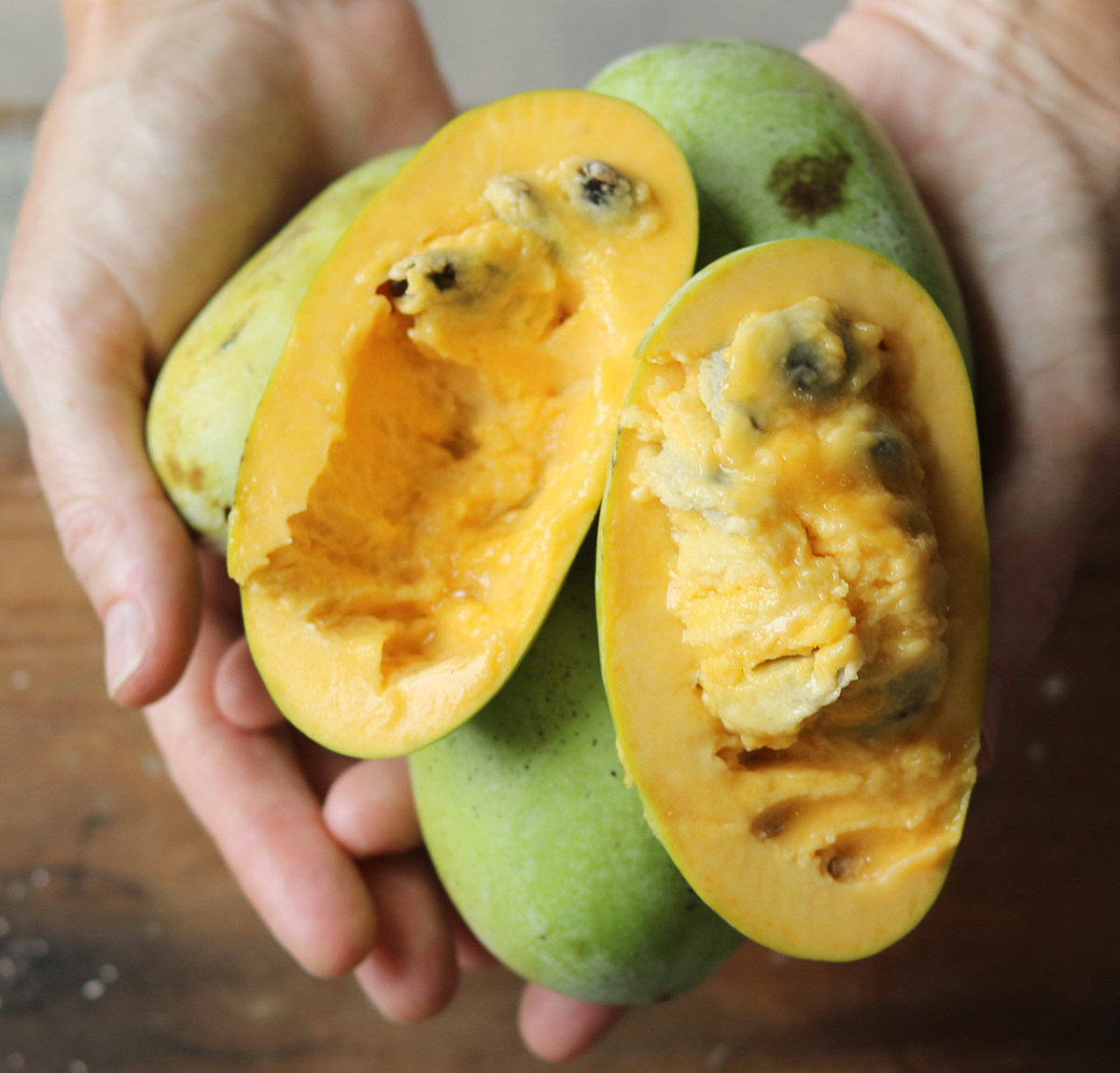
Pawpaw fruit, despite its unique flavor and nutritional benefits, is not widely popular for several reasons. The pawpaw (Asimina triloba) is native to North America, yet it remains relatively unknown compared to other fruits like apples or bananas. Below are some detailed insights into why pawpaw fruit has struggled to gain popularity.
Lack of Commercial Distribution
The pawpaw fruit faces significant challenges related to its commercial distribution. Unlike more common fruits, pawpaw has a very short shelf life, which makes it difficult to transport over long distances. Due to its delicate skin and quick ripening, it is not suitable for large-scale commercial orchards. As a result, consumers have limited access, making the fruit less known and less consumed.
- Short Shelf Life: The pawpaw bruises easily and rapidly becomes overripe, which complicates transportation.
- Limited Market: Most grocery stores do not stock pawpaw due to its perishability, affecting its visibility.
- Niche Growing Practices: Only a few farmers cultivate pawpaw, leading to lower availability in mainstream markets.
Consumer Awareness and Education
Another major hurdle for the popularity of pawpaw is the lack of consumer awareness. Many people have never encountered this fruit or are unaware of its potential health benefits. Consequently, the general population tends not to seek out pawpaw or understand how to incorporate it into their diets effectively.
- Limited Knowledge: Few resources or marketing efforts explain the benefits and uses of pawpaw.
- Culinary Uses: Many people are uncertain how to prepare and enjoy pawpaw fruit.
- Cultural Significance: Unlike tropical fruits that are often celebrated in their native regions, pawpaw lacks cultural recognition.
Flavor and Texture Preferences
While the pawpaw has a unique and delightful flavor, not every consumer appreciates it. The fruit has a creamy texture and a taste often compared to a cross between banana, mango, and custard. This combination, while appealing to some, may not resonate with everyone and can deter potential customers.
- Acquired Taste: The distinct flavor can be polarizing, making it less appealing to mainstream consumers.
- Textural Preferences: Some people prefer fruits with a firmer bite, such as apples or grapes.
- Variety in Preference: The demand often leans toward more familiar flavor profiles.
Growing Conditions
The specific growing conditions required for pawpaw can limit its production. It thrives in certain types of soils and climates, which may not be suitable for extensive farming. As a result, this fruit is often overshadowed by more resilient plants that can be cultivated in diverse conditions.
- Soil Requirements: Pawpaw prefers rich, well-drained soil, limiting its cultivation opportunities.
- Temperature Sensitivity: It is sensitive to extreme cold; thus, its growth is restricted in certain regions.
- Slow Growth Rate: Pawpaw trees take several years to bear fruit, which discourages some farmers from investing.
Competition from Other Fruits
Lastly, pawpaw faces stiff competition from more widely marketed fruits. The presence of popular fruits like bananas, apples, and oranges creates an oversaturated market, making it difficult for pawpaw to carve out a niche. These more conventional choices are often preferred for their familiarity, availability, and established demand.
- Market Dominance: Established fruits have a strong foothold in the market, making it hard for newcomers.
- Consumer Loyalty: Many people have ingrained preferences for specific fruits, reducing the likelihood of trying pawpaw.
- Advertising and Branding: Larger fruits benefit from extensive marketing campaigns, overshadowing pawpaw.
Do pawpaws taste like papaya?
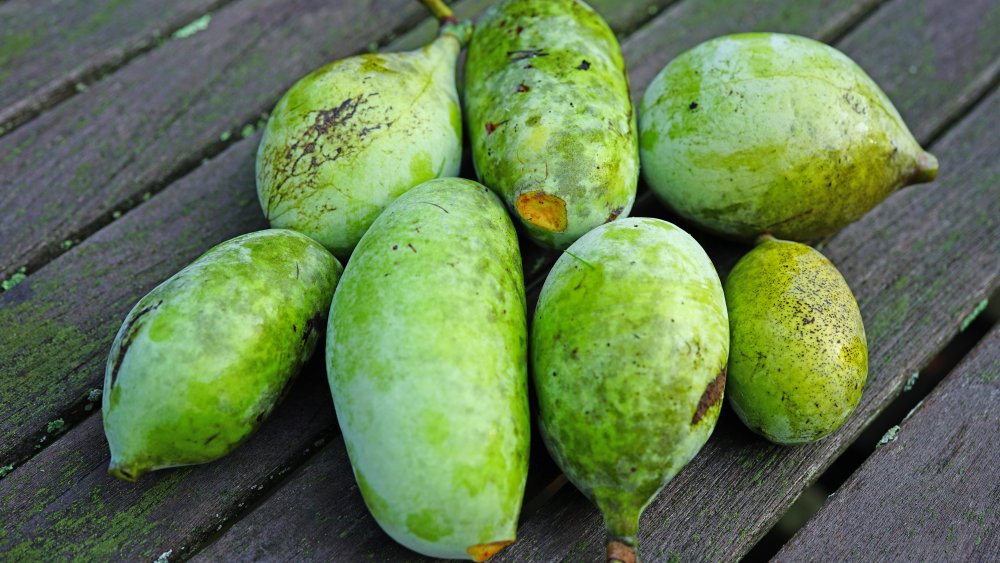
Pawpaws and papayas, while often compared due to their similar names, offer quite distinct flavor profiles and experiences.
Pawpaws (Asimina triloba) are native to North America and are known for their creamy texture and taste that can be described as a blend of banana, mango, and sometimes vanilla. On the other hand, papayas (Carica papaya) are tropical fruits, primarily known for their sweet, juicy flavor that leans towards a more melon-like essence with noticeable hints of tropical undertones.
Flavor Comparisons
The main differences in flavor between pawpaws and papayas can be summarized as follows:
See also:
- Pawpaw flavor: Creamy, custard-like texture with hints of banana and mango.
- Papaya flavor: Sweet, juicy, with a light, tropical essence similar to melon.
- Overall experience: Pawpaws have a richer, more complex flavor, while papayas are more straightforwardly sweet.
Texture Differences
The texture of pawpaws and papayas also varies significantly:
- Pawpaw texture: Often described as soft and creamy, akin to custard.
- Papaya texture: More fibrous and juicy, similar to that of a ripe melon.
- Consumption method: Pawpaws can be eaten fresh but are often used in desserts; papayas are commonly eaten raw or in smoothies.
Nutritional Value
When comparing the nutritional aspects of pawpaws and papayas, it is important to note:
- Pawpaw nutrients: High in vitamin C, magnesium, and fiber.
- Papaya nutrients: Rich in vitamin A, vitamin C, and contains beneficial antioxidants.
- Health benefits: Both fruits provide various health benefits, including digestive support and antioxidant properties.
Culinary Uses
The culinary applications of pawpaws versus papayas are quite different:
- Pawpaw culinary uses: Often used in smoothies, baked goods, and ice creams due to their rich flavor.
- Papaya culinary uses: Frequently added to fruit salads, salsas, and eaten on their own for a refreshing snack.
- Regional popularity: Pawpaws are more common in North American kitchens, while papayas are a staple in tropical regions.
Availability and Seasonality
The availability of pawpaws and papayas can also differ:
- Pawpaw season: Limited to late summer to early fall, making them less commonly found in stores.
- Papaya availability: Available year-round in many grocery stores due to their tropical origins.
- Storage considerations: Pawpaws are best eaten fresh and have a short shelf life, while papayas can be stored longer.
Why do Australians call papaya paw paw?
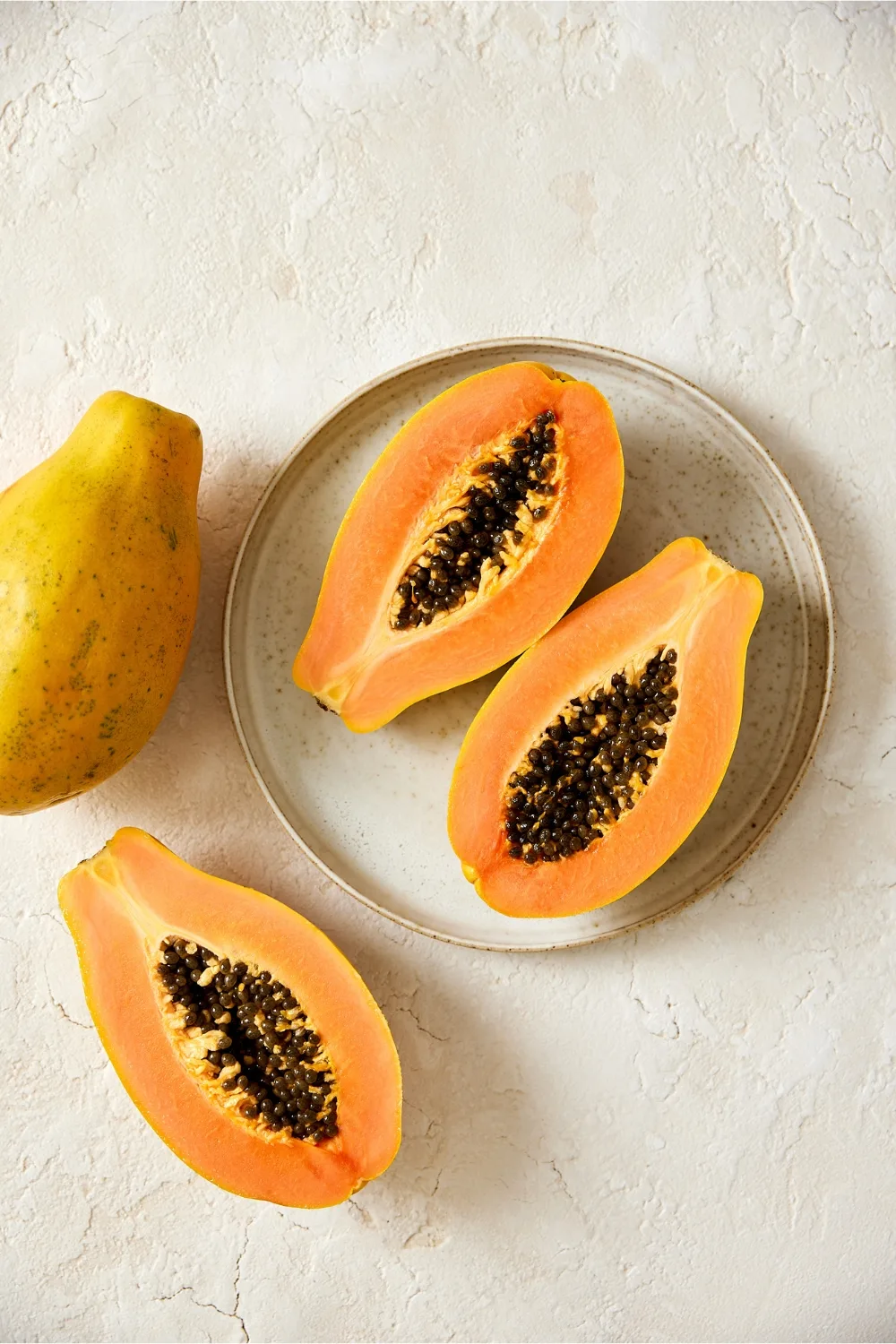
The term paw paw used by Australians for what is commonly known as papaya in other parts of the world has its roots in linguistic evolution and regional terminology. This usage stems from various historical and botanical contexts that have shaped how these fruits are named in the English language in different countries.
Historical Background of the Term
The use of paw paw in Australia can be traced back to the early encounters between European colonists and various Indigenous Australian cultures. Early settlers often adopted local names for native fruits and plants, leading to some terms becoming entrenched in Australian dialects. The name paw paw may have originated from the misunderstanding of the fruit's name or a conflation with the papaya's similarity to the Carica papaya that grows in the Americas.
- Colonial Influence: Many terms entered the vernacular during colonization.
- Indigenous Linguistics: Local languages contributed to naming conventions.
- Fruit Classification: Similarities with other fruits sometimes led to name overlaps.
Botanical Classification Differences
The term paw paw is also used to refer to different species of fruit, which can create confusion. In the United States, pawpaw typically refers to a completely different fruit, the Asimina triloba. This botanical classification discrepancy may have influenced Australian terminology, as the settlers encountered these fruits and began to use local colloquial terms interchangeably based on their observations.
- Two Distinct Fruits: Understanding the differences between papaya and pawpaw helps clarify terms.
- Regional Names: Both fruits have different names based on geographic and cultural collusion.
- Culinary Context: Usage of names may also depend on cultural dishes and recipes.
Language Evolution Over Time
Language is always evolving, influenced by factors such as migration, trade, and cultural exchange. In Australia, the term paw paw has persisted over the years, potentially because of its cultural integration into local cuisine and fruit cultivation practices. The continuous usage and acceptance of paw paw in everyday language reflect how certain terms can solidify their place in regional dialects.
- Sociolinguistic Factors: Language shifts often occur in response to social dynamics.
- Market Trends: The popularity of fruit can shape the terminology used.
- Generational Changes: Younger generations may adopt or reject terms based on shifting cultural influences.
Culinary Uses of Paw Paw
In Australia, paw paw is not just a term; it also refers to a widely used ingredient in local dishes. Its inclusion in salads, desserts, and salsas has led to a familiarity that reinforces the term within Australian cuisine. The adoption of paw paw has been effective in allowing local producers and chefs to create a distinct culinary identity associated with this versatile fruit.
- Diverse Recipes: Pilaf, fruit salads, and smoothies commonly feature paw paw.
- Health Benefits: Paw paw is known for its digestive and nutritional qualities.
- Local Cultivation: Increased accessibility boosts popularity among consumers.
Regional Variance in English Language
Australian English is characterized by numerous terms that differ significantly from British and American English. The choice of paw paw over papaya illustrates how regional dialect evolves based on local influences, creating unique linguistic identities. This variance can often lead to misunderstandings when communicating with speakers from other English-speaking regions.
- Language Adaptation: Variability is a common feature in English across regions.
- Influence of Settlers: Diverse backgrounds contributed to the development of Australian English.
- Colloquial Expressions: Local terms help define cultural boundaries and community identity.
Questions from Our Readers
What is the main difference between paw paw and papaya?
The main difference between paw paw and papaya is their botanical classification; paw paw (Asimina triloba) is a member of the custard apple family, while papaya (Carica papaya) belongs to the papaya family. Additionally, their taste, texture, and appearance differ significantly.
Are paw paw and papaya the same fruit?
No, paw paw and papaya are not the same fruit. While they share a similar name and may have some overlapping characteristics, they are distinct fruits that grow in different regions and have unique flavors and nutritional profiles.
See also:
How do the taste and texture of paw paw compare to papaya?
Paw paw has a creamy texture and a flavor reminiscent of banana, mango, and cinnamon, whereas papaya typically has a softer texture with a sweet, tropical flavor that is often described as melon-like. Their distinct taste profiles make them suitable for different culinary uses.
Can I substitute paw paw for papaya in recipes?
While it's possible to substitute paw paw for papaya in some recipes, the flavor and texture differences may affect the overall outcome of the dish. It's best to consider the specific taste and consistency needed for the recipe before making a substitution.

If you want to read more articles like What is the Difference Between Paw Paw and Papaya? A Comprehensive Guide, we recommend you check out our Seeds category.
Leave a Reply
Related Articles