What is the difference between a bush and a shrub? A Comprehensive Guide to Understanding Plant Distinctions

When it comes to gardening and landscaping, the terms bush and shrub are often used interchangeably, leading to confusion among plant enthusiasts and novices alike. While both refer to woody plants that can enhance aesthetics and provide functional benefits in outdoor spaces, subtle distinctions exist between them. This comprehensive guide delves into the defining characteristics of bushes and shrubs, exploring their growth patterns, size variations, and ecological roles. By understanding these differences, gardeners can make informed decisions about which plants to choose for their landscapes, ensuring optimal growth and a harmonious garden environment.
What is the Difference Between a Bush and a Shrub?
The main difference between a bush and a shrub lies in their botanical definitions and characteristics, although the terms are often used interchangeably in casual conversation. Generally, a shrub is a type of plant that is defined by its woody stems, shorter height (typically under 13 feet), and multi-stemmed growth habit, while a bush is commonly understood as a densely branched shrub that is used more in landscaping for its aesthetic value rather than for scientific classification. Additionally, shrubs may have more ornamental qualities and be cultivated for gardens, while the term bush can imply a more wild or untamed growth in nature.
Botanical Definitions
In botanical terms, both bushes and shrubs fall under the category of woody plants. However, shrubs are specifically defined as plants with multiple stems and a height typically ranging from 1 to 4.5 meters (3 to 15 feet). This categorization allows for the classification of various species, whereas bushes are more of a colloquial term that refers generally to dense, bushy plants, often with little regard for specific botanical classifications.
Size and Growth Habit
While both bushes and shrubs are generally smaller than trees, shrubs are typically characterized by their multi-stemmed structure and can grow to various heights, while bushes are often fuller and denser. The growth habit of a shrub allows it to fill space effectively, contributing to landscaping design, whereas a bush may imply a slightly less structured form, often found in natural settings.
Usage in Landscaping
In landscaping, shrubs are often employed for their aesthetic qualities, providing color, texture, and structure to gardens. They may be trimmed and shaped to fit specific designs, which is less common with bushes. Bushes, on the other hand, can be utilized for privacy or as natural borders due to their dense growth, making them valuable in outdoor spaces without necessarily the same level of aesthetic maintenance as shrubs.
Ornamental Qualities
Many shrubs are cultivated for their ornamental qualities such as flowers, fruits, or interesting foliage. They can be used in a variety of settings, from formal gardens to wildflower parks. Bushes may also have ornamental traits but are less likely to be specifically cultivated for beauty and often grow in a more chaotic or natural manner instead.
Examples of Each
Common examples of shrubs include varieties such as rhododendrons, boxwoods, and azaleas, which are often specifically chosen for their landscape appeal. On the contrary, common bushes may include wild species like blackcurrant or shrubs that grow in undisturbed areas and provide habitat without intentional cultivation.
| Term | Characteristics | Common Uses |
|---|---|---|
| Bush | Densely branched, wild growth | Natural borders, privacy |
| Shrub | Multi-stemmed, ornamental qualities | Landscaping, variety of designs |
Is a shrub and a bush the same thing?
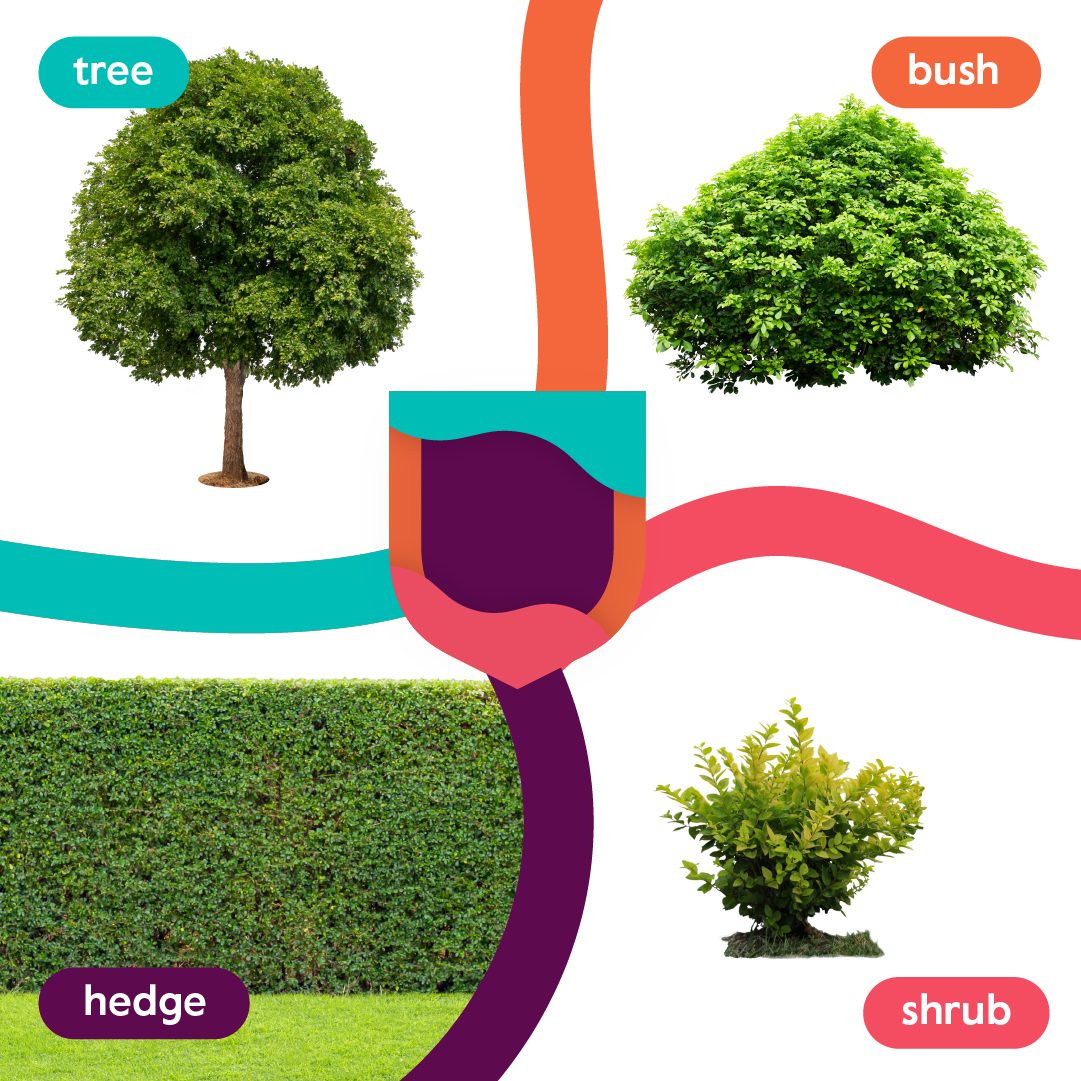
In botanical terms, shrubs and bushes are often used interchangeably, but there are some subtle distinctions between the two. Both are types of woody plants that are smaller than trees and generally have multiple stems. However, the terminology can vary based on regional language preferences and botanical classifications.
Typically, a shrub is defined as a woody plant that is generally less than 5 to 6 meters tall and has multiple stems arising from the base. A bush, however, is often used in a more informal context and may refer to a shrub that is bushy or dense in its growth habit. As a result, while all bushes can be considered shrubs, not all shrubs qualify as bushes due to their shape or size.
Characteristics of Shrubs
Shrubs are defined by their specific characteristics that set them apart from other plant types.
- Height: Typically, shrubs grow to a height of no more than 6 meters.
- Structure: They possess multiple stems, which contribute to their bushy appearance.
- Longevity: Most shrubs are perennial, meaning they live for multiple years.
Characteristics of Bushes
Bushes share several qualities with shrubs, but their growth form often distinguishes them.
See also:
- Density: Bushes are often more compact and dense compared to shrubs.
- Cultural Usage: The term bush is frequently used in landscaping and gardening for aesthetic appeal.
- Colloquial Meaning: In some regions, bush may refer to wild, untamed shrubs or growth.
Botanical Classifications
In botanical terms, shrubs and bushes can be categorized based on their growth habits and physiological traits.
- Species Diversity: Both shrubs and bushes can belong to diverse species ranging from flowering to evergreen.
- Adaptation: They can adapt to various environmental conditions, making them suitable for different landscapes.
- Planting Purpose: Understand the purpose behind planting shrubs or bushes can help in selecting the right species.
Common Uses of Shrubs and Bushes
Both shrubs and bushes serve a variety of roles in landscaping and ecology.
- Ornamental Purposes: Many shrubs and bushes are used for decorative purposes in gardens.
- Privacy Screens: Dense bushes can provide natural barriers for privacy and wind protection.
- Wildlife Habitat: Both provide shelter and food sources for various species of wildlife.
Regional Variations in Terminology
The names shrub and bush can vary in their usage depending on regional languages and contexts.
- Geographical Differences: In some cultures, bush might refer to a broader category of woody plants.
- Local Flora Context: The terms can also be influenced by the types of plants that are prevalent in a region.
- Gardening Communities: Hobby gardeners may use the terms differently based on local gardening practices.
How do you tell if a plant is a shrub?

To determine if a plant is a shrub, you can look for several distinguishing characteristics that set shrubs apart from other plant types like trees and herbaceous plants. Shrubs are typically defined by their growth form, size, and structure. Here are some key aspects to consider:
1. Growth Habit: Shrubs generally have a bushy appearance and have multiple stems arising from the base. Unlike trees, which have a single trunk, shrubs are more compact and can range in height but are usually shorter than 15 feet.
2. Stem Structure: The stems of shrubs are usually woody and can vary in thickness. This woody structure helps them maintain their shape and survive in various environmental conditions. The stems also support leaves and flowers close to the ground.
3. Leaf Arrangement: The leaves of shrubs can be arranged in various ways, but they are often dense and occur close together on the stems. Their foliage can be evergreen, retaining leaves throughout the year, or deciduous, shedding leaves seasonally.
4. Size and Width: Shrubs can vary in size but typically have a greater width than height ratio. While they can reach heights of up to 15 feet, they are usually broader and more spread out than they are tall.
5. Habitat: Shrubs often thrive in diverse environments, including forests, gardens, and along landscapes. Their adaptability to grow in different soil types and conditions contributes to their classification as shrubs.
Growth Habit of Shrubs
Shrubs exhibit a bushy growth habit that differentiates them from other types of plants. They are defined by having multiple stems that grow from the base, creating a dense, leafy appearance. This relatively short stature allows shrubs to fill in spaces in gardens and landscapes effectively.
- Multiple stems originating from the base.
- Typically reach heights of less than 15 feet.
- Dense foliage that provides ground coverage.
Woody Stem Structure
The stems of shrubs are primarily woody, designed to support the plant as it grows. This structure allows them to withstand various environmental challenges while providing stability. Woody stems enable shrubs to maintain their form, making them resilient plants in both natural and cultivated settings.
See also:
- Stems are woody, providing support and structure.
- Can vary in thickness depending on the species.
- Support foliage and reproductive structures close to the ground.
Leaf Characteristics
Shrub leaves can be arranged in several patterns, often providing a dense canopy. Depending on the species, shrubs may have evergreen leaves, remaining green year-round, or deciduous leaves, which change color and drop in fall. The leaf orientation contributes to the plant’s overall health by maximizing sunlight absorption.
- Leaves can be evergreen or deciduous.
- Dense foliage contributes to the shrub's bushy appearance.
- Arrangements can vary, influencing photosynthesis efficiency.
Size and Width Ratio
One of the defining traits of shrubs is their size and width ratio. While they can grow taller, shrubs are generally wider than they are tall, providing a filling effect in gardens and landscapes. This characteristic makes them excellent for creating borders and grounding elements in garden designs.
- Typically broader than tall.
- Can serve as privacy screens or windbreaks.
- Ideal for creating varied garden levels and dimensions.
Environmental Adaptability
Shrubs are known for their ecological adaptability, thriving in a variety of habitats. They can be found in both cultivated and natural settings, such as forests, gardens, and urban landscapes. Their ability to grow in different soil types and conditions enhances their classification as shrubs, making them integral parts of ecosystems.
- Thrive in diverse environmental conditions.
- Adaptable to various soil types.
- Play crucial roles in supporting wildlife and stabilizing soils.
What is an example of a shrub?
:max_bytes(150000):strip_icc()/list-of-shrubs-2132442-3b363c4cbe854cc7ae9592ed024cb514.jpg)
An example of a shrub is the Boxwood (Buxus species). Boxwoods are popular evergreen shrubs often used in landscaping to create hedges or formal gardens due to their dense foliage and ability to be easily shaped through trimming. They typically grow between 2 to 20 feet tall, depending on the species and cultivation method. Boxwoods thrive in well-drained soils and can tolerate a variety of light conditions, although they prefer partial shade to full sun.
Characteristics of Boxwoods
Boxwoods are known for their distinct characteristics, making them a favored choice among gardeners and landscapers.
- Evergreen Foliage: Boxwoods retain their leaves year-round, providing continuous greenery.
- Dense Growth Habit: They can be shaped and pruned to maintain a specific size and form, ideal for formal gardens.
- Variety of Types: Different species and cultivars exist, offering a range of sizes and leaf colors, from bright green to dark green.
Cultivation and Care
Caring for boxwoods requires attention to specific needs, ensuring optimal growth and health.
- Soil Requirements: Boxwoods thrive in well-drained, fertile soil. Heavy clay soils should be amended to improve drainage.
- Watering Needs: Regular watering is essential, particularly during dry spells, but care should be taken not to overwater as this can lead to root rot.
- Pruning Techniques: Pruning should be done in late spring or early summer to shape the plant and remove any dead or diseased branches.
Common Uses in Landscaping
Boxwoods serve various purposes in landscape design and can enhance the beauty of gardens and outdoor spaces.
- Formal Hedges: Often used to create structured boundaries or borders in gardens.
- Foundation Planting: Ideal for planting around the foundation of homes, providing a neat appearance.
- Topiaries: Can be shaped into decorative forms, making them popular for artistic landscape designs.
Pests and Diseases
Like many plants, boxwoods are susceptible to certain pests and diseases that can impact their health.
- Boxwood Leafminer: A common pest that burrows into leaves, causing discoloration and browning.
- Canker Diseases: Various fungal diseases can cause dieback in branches, especially in poorly drained soils.
- Scale Insects: These pests can suck sap from the plant, leading to weakened growth and poor vigor.
Alternative Shrubs for Landscaping
If boxwoods are not suitable for a particular garden, there are several alternative shrubs to consider that offer similar benefits.
- Holly (Ilex): Another evergreen shrub, holly offers dense foliage and attractive berries.
- Azalea (Rhododendron): Known for their beautiful flowers, azaleas can provide color in spring while also offering a lush shrub form.
- Butterfly Bush (Buddleja): Attracts pollinators and can grow taller than boxwoods, providing a different aesthetic.
Questions from Our Readers
What is the main botanical difference between a bush and a shrub?
Bushes and shrubs are often used interchangeably; however, the main botanical difference lies in their structure and growth patterns. Generally, a shrub is defined as a woody plant that is smaller than a tree, with multiple stems and a height usually under 15 feet, while a bush can refer to any dense, bushy plant, often used informally to describe smaller or more rounded plants.
Do bushes and shrubs have different growth habits?
Yes, bushes and shrubs can exhibit different growth habits. While both can be densely branched and low to the ground, bushes typically have a more rounded or irregular shape, while shrubs may have a more defined form or specific growth pattern depending on the species and cultivation methods.
See also:
Can a bush be considered a type of shrub?
Yes, in many contexts, a bush can be considered a type of shrub. However, the term bush is often used to describe a more informal or general group of plants, whereas shrub refers to a specific classification in botany.
Are there specific examples of plants classified as bushes or shrubs?
Common examples of shrubs include azaleas, boxwoods, and lilacs, while plants often referred to as bushes can include flowering plants like hydrangeas and various ornamental grasses. The classification can vary based on regional terminology and gardening practices.

If you want to read more articles like What is the difference between a bush and a shrub? A Comprehensive Guide to Understanding Plant Distinctions, we recommend you check out our Shrubs category.
Leave a Reply
Related Articles