What is the cheapest way to irrigate a field? Essential Tips for Cost-Effective Irrigation Solutions
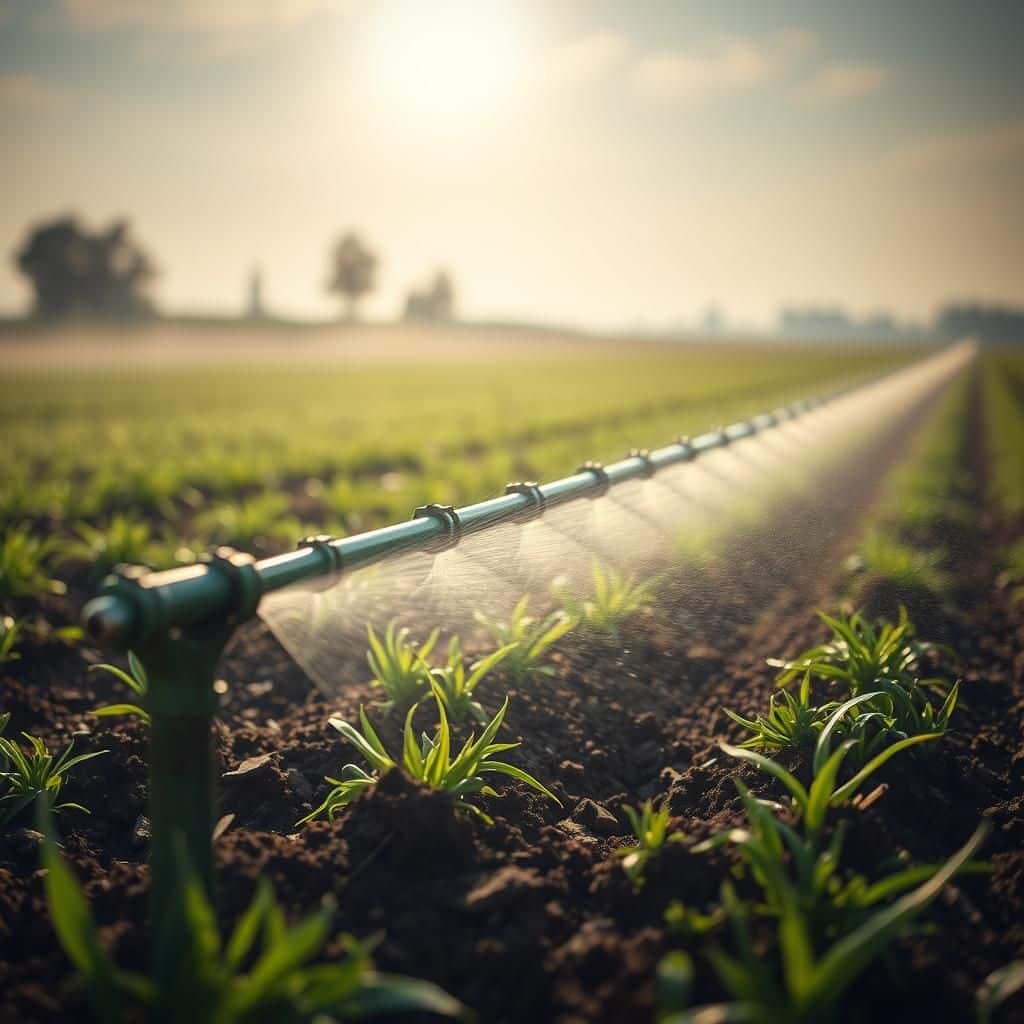
Irrigation is a vital component in agriculture, ensuring crops receive the necessary water for optimal growth. However, finding cost-effective irrigation solutions can be a challenge for many farmers. Implementing efficient methods not only conserves water but also reduces expenses significantly. In this article, we will explore the cheapest ways to irrigate a field, highlighting essential tips and techniques that can lead to substantial savings. From choosing the right irrigation system to utilizing innovative practices, you'll discover practical strategies that can enhance your farming operations while keeping costs under control. Join us as we delve into the world of economical irrigation solutions.
Cost-Effective Irrigation Methods for Agriculture
The cheapest way to irrigate a field often involves utilizing low-tech methods that prioritize efficiency and resource availability. One common approach is the use of drip irrigation, which delivers water directly to the plant roots, minimizing waste and ensuring that each plant receives adequate moisture. This system can be set up using inexpensive materials such as hosepipes, buckets, or even recycled containers. Additionally, rainwater harvesting can complement irrigation efforts by collecting and storing rainwater, significantly reducing reliance on municipal water supplies or costly pumping systems. By combining these strategies, farmers can effectively reduce their overall irrigation costs while maintaining healthy crops.
Drip Irrigation: An Affordable Option
Drip irrigation is recognized as one of the most efficient methods for watering crops, allowing farmers to apply water directly to the soil at the base of each plant. This technique not only conserves water but also promotes deeper root growth, leading to healthier and more resilient plants. By installing a drip system using inexpensive materials such as hoses and emitters, farmers can minimize water waste and significantly cut down on costs associated with traditional irrigation methods that often result in water loss due to evaporation and runoff.
Using Rainwater Harvesting Techniques
Rainwater harvesting involves capturing rain from roofs or other surfaces and storing it for later irrigation use. By diverting rainwater into storage tanks or barrels, farmers can create a sustainable water supply that can be used during dry spells. This method is particularly cost-effective because it reduces dependence on municipal water systems and other expensive sources. Implementing a rainwater harvesting system requires minimal investment and can yield significant savings, especially in areas with frequent rainfall.
Soil Moisture Sensors for Efficient Water Usage
By utilizing soil moisture sensors, farmers can optimize their irrigation schedules based on the actual water needs of their crops. These devices measure the moisture content in the soil, allowing for more precise watering only when necessary. This targeted approach can greatly reduce water usage and costs, as farmers can avoid over-irrigating and wasting resources. The initial investment in soil moisture sensors can quickly pay off through savings in water bills and healthier crop yields.
Mulching for Water Conservation
Applying mulch around plants can significantly conserve moisture within the soil and reduce the frequency of irrigation. Mulch acts as a barrier that minimizes evaporation, keeps the soil temperature stable, and suppresses weed growth, which can compete for water resources. This method is particularly economical as it can be achieved using locally available materials such as straw, leaves, or even recycled paper, making it accessible to farmers with limited budgets.
Gravity-Fed Irrigation Systems
Gravity-fed irrigation systems utilize natural topography to move water from higher to lower elevations without the need for pumps or other mechanical devices. These systems can be established using ditches or channels that direct water flow to the crops. By capitalizing on the land's slope, farmers can significantly reduce both installation and operational costs associated with irrigation, making it an ideal solution for hilly or uneven terrains.
| Irrigation Method | Benefits | Cost-Effectiveness |
|---|---|---|
| Drip Irrigation | Direct water delivery, reduces waste | High initial cost, low long-term expenses |
| Rainwater Harvesting | Utilizes free water source | Low setup cost, reduces water bills |
| Soil Moisture Sensors | Optimizes watering based on need | Reduces water usage, minimal ongoing costs |
| Mulching | Conserves moisture, suppresses weeds | Low-cost materials, significant savings |
| Gravity-Fed Systems | No pumps needed, uses natural slope | Low installation costs, sustainable |
What is the cheapest form of irrigation?
The cheapest form of irrigation is often considered to be surface irrigation, which involves the gravitational movement of water over the soil surface. This method is cost-effective primarily because it requires minimal investment in technology and infrastructure compared to more complex systems. Surface irrigation can be implemented in various forms such as furrow, basin, border, and flood irrigation, depending on the topography and crop requirements.
Cost-Effectiveness of Surface Irrigation
Surface irrigation is one of the least expensive methods due to several factors:
- Low initial investment: Minimal equipment is required, making it accessible for small scale farmers.
- Operational simplicity: It does not necessitate advanced technology or technical knowledge for operation.
- Utilization of natural resources: It often uses existing water sources, further reducing costs related to water procurement.
Types of Surface Irrigation
There are different types of surface irrigation that can be implemented based on the landscape and crops being cultivated:
- Furrow irrigation: Water flows through channels between crop rows, allowing for effective water distribution.
- Basin irrigation: Water is applied to small, flat areas surrounded by bunds, ideal for crops like rice.
- Border irrigation: Fields are divided into strips with a slight slope, allowing water to flow down the borders.
Advantages of Surface Irrigation
Surface irrigation comes with numerous advantages that make it appealing for many agricultural practices:
- Water conservation: When correctly managed, it can enhance water infiltration and reduce losses through evaporation.
- Soil fertility: This method promotes natural processes that can help maintain soil nutrients over time.
- Reduced energy costs: As it relies on gravity, there is less need for pumps or other energy-intensive machinery.
Challenges of Surface Irrigation
Although cost-effective, surface irrigation also faces some challenges that can affect its efficiency:
See also:
- Uneven water distribution: Variations in land topography can lead to uneven water application.
- Soil erosion: Improper management may cause soil erosion and sedimentation in water channels.
- Management requirements: Regular monitoring and management practices are necessary to ensure optimal performance.
Implementation Considerations
When considering surface irrigation, several factors must be taken into account for successful implementation:
- Field shape and slope: The terrain will significantly influence the effectiveness of water distribution.
- Soil type: Different soils have varying infiltration rates, which will affect how water is absorbed.
- Crop requirements: Understanding the specific water needs of the crops being cultivated is crucial for effective management.
Which method of irrigation is cheaper?

The cost of different irrigation methods can vary significantly depending on several factors including the scale of farming, availability of resources, and local conditions. Generally, the most cost-effective methods of irrigation include drip irrigation and sprinkler irrigation.
1. Drip Irrigation Costs
Drip irrigation is often considered the most economical method for irrigating crops in areas with limited water supply. Here are some key points regarding its costs:
- Initial Investment: The setup costs can be higher due to the purchasing of tubings and emitters.
- Water Efficiency: However, it significantly reduces water wastage, leading to long-term savings on water bills.
- Labor Costs: Drip systems require less labor for watering compared to traditional methods, thereby reducing labor expenses.
2. Sprinkler Irrigation Costs
Sprinkler irrigation is another effective method that can be relatively inexpensive depending on the system installed. Here are some details about its costs:
- Installation Costs: The initial costs can vary widely based on the complexity and system type, but smaller or portable sprinklers are often budget-friendly.
- Flexibility: Sprinkler systems may offer more flexibility, allowing easier adjustment to different crop types.
- Maintenance: Regular maintenance is crucial to prevent clogging and inefficiency, which can add to long-term costs.
3. Surface Irrigation Costs
Surface irrigation remains one of the oldest and least costly methods but may not always be the best option financially. Key factors include:
- Setup Simplicity: It generally requires low initial investment as it uses gravity to distribute water.
- Water Waste: However, it is often less efficient than other methods, leading to potential water wastage and higher costs over time.
- Soil Erosion: Mismanagement can lead to soil erosion, which could require costly soil amendments.
4. Subsurface Irrigation Costs
Subsurface irrigation is a method where water is delivered below the surface to plant roots. Its costs include:
- Installation Expenses: This method can have higher initial costs due to the complexity of the infrastructure needed.
- Water Conservation: It allows for excellent water conservation, reducing overall water fees in the long run.
- Crop Yield: Increased crop yield can offset initial costs, making it economically viable in suitable conditions.
5. Choosing the Cheapest Method
When considering which irrigation method is the cheapest, various factors need to be assessed:
- Local Conditions: Analyze the specific agricultural environment and crop needs.
- Long-Term Savings: Consider not just the initial investments but also the long-term water savings and efficiency gains.
- Availability of Resources: Factor in the availability of labor and technology that may influence the total cost of irrigation systems.
Which type of irrigation system uses the least amount of water?
Drip irrigation is the type of irrigation system that uses the least amount of water. This system delivers water directly to the roots of the plants through a network of valves, pipes, tubing, and emitters. By minimizing evaporation and runoff, drip irrigation can significantly reduce water consumption compared to other irrigation methods. Here are the benefits and some details regarding drip irrigation:
Advantages of Drip Irrigation
Drip irrigation offers several key advantages that contribute to its efficiency and water conservation:
- Water Efficiency: It delivers water directly to plant roots, preventing wastage.
- Reduced Weed Growth: By applying water directly to the plants, it limits moisture on surrounding soil, which reduces weed growth.
- Soil Erosion Prevention: The system minimizes the impact of water on soil, reducing soil erosion.
Components of Drip Irrigation Systems
Understanding the components of a drip irrigation system is crucial for effective implementation:
- Emitters: Devices that control the flow of water to plants, allowing precise delivery.
- Hoses and Tubing: These distribute water from the source to the emitters.
- Filters: Essential for keeping the system free from debris that could clog emitters.
Drip Irrigation vs. Other Systems
When comparing drip irrigation to other systems, it stands out in various ways:
See also:
- Sprinkler Systems: Use more water due to evaporation and wind drift; not as efficient.
- Flood Irrigation: Involves inundating the entire field, leading to significant water loss.
- Surface Drip Irrigation: Similar but generally less efficient than sub-surface drip due to evaporation losses.
Applications of Drip Irrigation
Drip irrigation has diverse applications in various contexts:
- Agricultural Use: Widely used in commercial farming to maximize yield while conserving water.
- Gardening: Effective for home gardens where water resources are limited.
- Landscape Irrigation: Ideal for maintaining lawns, orchards, and landscape features.
Challenges and Considerations
Despite its many benefits, drip irrigation also comes with challenges:
- Initial Cost: The setup can be expensive compared to traditional systems.
- Maintenance: Requires regular maintenance to ensure emitters do not clog.
- Technical Knowledge: Farmers may need training to implement and manage the system effectively.
How many gallons does it take to irrigate 1 acre?

To adequately irrigate 1 acre of land, the amount of water required can vary based on several factors, including the type of crop being grown, the climate and weather conditions, soil type, and the irrigation method used. On average, irrigation practices typically use about 25,000 to 50,000 gallons of water per acre per week. However, this number can fluctuate significantly depending on the stated factors.
Factors Influencing Water Requirements
The quantity of water needed for irrigation is determined by various elements:
- Crop Type: Different crops require different amounts of water. For example, paddy rice needs far more water than wheat.
- Weather Conditions: Hotter and drier climates will increase evaporation and transpiration, leading to higher water needs.
- Soil Type: Sandy soils drain quickly and may require more frequent irrigation, whereas clay soils retain water longer.
Irrigation Methods
The method of irrigation can significantly impact the amount of water applied:
- Drip Irrigation: This method minimizes water loss and can be very efficient, using as little as 10,000 gallons per acre.
- Sprinkler Systems: These are commonly used for larger areas but can lead to higher evaporation rates, potentially using 30,000 to 50,000 gallons.
- Surface Irrigation: Traditional flooding methods can use a significant amount of water, possibly exceeding 50,000 gallons depending on the efficiency.
Regional Variations
Water usage for irrigation can differ significantly based on geographic location:
- Desert Areas: Regions with sparse rainfall may require upwards of 60,000 gallons per acre.
- Humid Regions: Areas with abundant rainy seasons can often reduce irrigation needs to 15,000 gallons or less.
- Mountain Regions: Elevation can affect temperature and moisture levels, influencing irrigation needs dramatically.
Crop Growth Stages
The water requirement varies according to different growth stages:
- Seedling Stage: Young plants typically require less water, around 15,000 gallons per acre, as they establish roots.
- Vegetative Stage: Water needs increase significantly during the growth phase, often exceeding 25,000 gallons.
- Flowering and Fruiting Stage: This is usually the peak water requirement stage, potentially requiring 40,000 gallons on average.
Water Conservation Strategies
Implementing conservation methods can reduce water usage:
- Soil Moisture Monitoring: Using tools to check moisture levels helps irrigation be more efficient and targeted.
- Rainwater Harvesting: Collecting and storing rainwater can supplement irrigation needs effectively.
- Crop Rotation: Rotating crops can improve soil health and water retention, reducing overall irrigation needs.
Questions from Our Readers
What are some low-cost irrigation methods?
Drip irrigation and bucket irrigation are considered some of the most economical options. Drip irrigation delivers water directly to the plant roots, minimizing waste, while bucket irrigation uses simple containers to transport water manually, making them both affordable and efficient for small-scale farming.
How can I reduce water costs for irrigation?
Implementing rainwater harvesting systems can significantly lower water costs for irrigation. By collecting and storing rainwater, farmers can reduce reliance on expensive municipal water systems while ensuring that their crops receive adequate moisture.
Are there any government programs to help with irrigation costs?
Many governments offer subsidies and grants for farmers seeking to implement efficient irrigation systems. These programs can help offset the initial investment, making it easier for farmers to adopt technologies like drip or sprinkler irrigation that can ultimately save money in the long run.
What crops are best suited for inexpensive irrigation techniques?
Crops that require less water, such as legumes and native grasses, are ideal for inexpensive irrigation methods. These crops can thrive with minimal water input, making them a suitable choice for farmers looking to maximize yield without incurring high irrigation costs.
See also:

If you want to read more articles like What is the cheapest way to irrigate a field? Essential Tips for Cost-Effective Irrigation Solutions, we recommend you check out our Irrigation category.
Leave a Reply
Related Articles