What is the cheapest way to floor a greenhouse? 7 Budget-Friendly Options Explained

When it comes to setting up a greenhouse, choosing the right flooring can significantly impact both the budget and functionality of the space. While a well-floored greenhouse can enhance plant growth, it doesn’t have to break the bank. Many gardeners are on the lookout for cost-effective flooring solutions that provide durability and ease of maintenance. In this article, we will explore seven budget-friendly options for flooring a greenhouse, each designed to keep expenses low while promoting a healthy environment for your plants. Discover the most economical choices to create a productive and sustainable gardening area without overspending.
Cost-Effective Flooring Options for Greenhouses
When considering the cheapest way to floor a greenhouse, one should look for materials that provide good drainage and affordability. Using gravel is one of the most economical choices, as it allows for water drainage while also providing a stable base for plant growth. Additionally, opting for wooden pallets or recycled materials can significantly reduce costs while offering a rustic and functional flooring solution. These options not only minimize expenses but also contribute to an eco-friendly approach, aligning with sustainable gardening practices. Choosing mulch or hay can also be effective, as they promote healthy soil and plant growth while being low-cost alternatives.
Benefits of Gravel Flooring
Gravel flooring offers excellent drainage, which is essential in preventing water accumulation and root rot in greenhouse plants. Its affordability makes it a practical choice for those on a tight budget, while the stones can be easily sourced from local suppliers or landscaping stores. Moreover, gravel doesn't require much maintenance, making it ideal for greenhouse environments where ease of access and upkeep are vital. It also provides a natural look that blends well with the greenhouse's plant life.
Recycled Materials as Flooring
Utilizing recycled materials such as old carpets, rubber mats, or pallets can reduce flooring costs significantly. These materials often provide decent shelter from weeds and can be found at little to no cost from local businesses or recycling centers. By choosing recycled options, growers can also lessen their environmental impact while creating a unique flooring solution tailored to their greenhouse's needs. Such materials can be surprisingly durable and maintainable when combined thoughtfully.
Advantages of Wood Pallets
Wooden pallets are a versatile and affordable flooring option for greenhouses, often available for free or at a low cost from retail or shipping companies. Pallets can be arranged to fit various greenhouse layouts and can be easily cut or modified for customization. Additionally, they can provide a sturdy platform that improves air circulation, although they may require occasional treatment to prevent rot. Their rustic charm also adds character to the greenhouse environment.
Using Mulch for Flooring
Applying mulch in a greenhouse not only serves as a flooring option but also delivers numerous benefits for plant growth. Organic mulches, such as wood chips or straw, help retain soil moisture and suppress weeds, creating a more manageable growing environment. While it may need to be replenished periodically, the low initial cost and the positive impact on soil health make it a desirable flooring strategy for budget-conscious gardeners.
Cost Comparison Table
| Flooring Material | Cost per Square Foot | Maintenance |
|---|---|---|
| Gravel | $0.50 - $1.00 | Low |
| Recycled Materials | Free - $0.50 | Variable |
| Wood Pallets | Free - $0.30 | Moderate |
| Mulch | $0.25 - $0.75 | Moderate |
What is the best cheap flooring for a greenhouse?
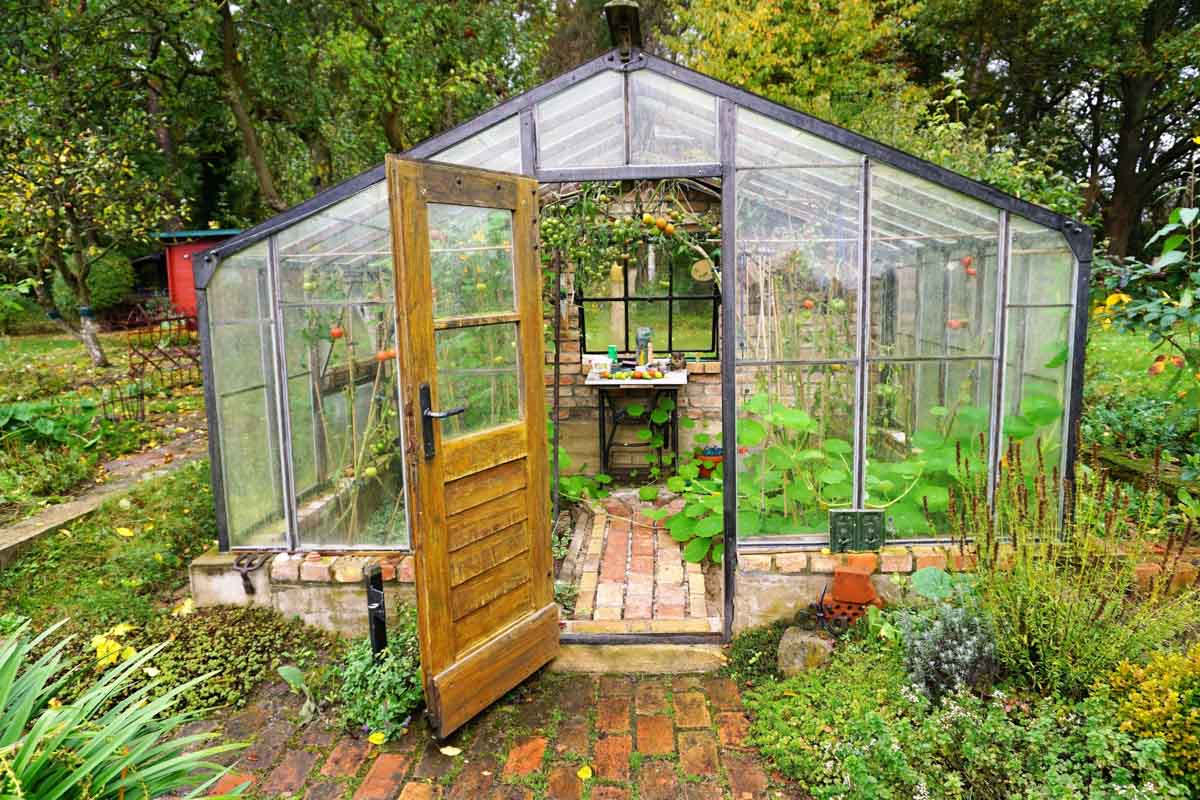
The best cheap flooring for a greenhouse focuses on practicality, durability, and cost-effectiveness while ensuring that the plants thrive in the environment. Affordable options that accomplish these criteria include gravel, mulch, rubber mats, concrete, and pavers.
Gravel Flooring
Gravel is one of the most economical flooring options for greenhouses. It provides excellent drainage and is easy to install. It helps keep weeds at bay and allows for good air circulation for the plant roots. However, it can be uneven, so laying a landscape fabric beneath is recommended.
- Inexpensive to purchase and install.
- Promotes good drainage and aeration.
- Weeds can be managed with appropriate landscape fabric.
Mulch Flooring
Using organic mulch made from straw, wood chips, or bark is another budget-friendly flooring option. It not only suppresses weeds but also enriches the soil as it decomposes over time. Mulch can also maintain soil moisture, making it beneficial for plant growth.
- Enhances soil quality as it breaks down.
- Helps retain moisture in the greenhouse.
- Cost-effective and easily replenished as needed.
Rubber Mats
Rubber mats offer a durable and cushioned surface that can be very beneficial in a greenhouse. These mats are typically made from recycled materials and provide excellent grip and comfort underfoot. They are also resistant to moisture and easy to clean.
- Provides a safe, slip-resistant surface.
- Easy to clean and maintain.
- Durable and withstands harsh greenhouse conditions.
Concrete Flooring
Concrete is another viable option for greenhouse flooring. Though it requires a higher initial investment, it is extremely durable and easy to clean. Concrete floors can also be sloped to enhance drainage. Plus, they provide a solid foundation for potting benches and shelving.
See also:
- Long-lasting and low maintenance.
- Easy to clean and disinfect.
- Can be customized for drainage purposes.
Pavers
Pavers can create a nice visual appeal in your greenhouse while providing a solid, level surface. They come in various materials such as brick, stone, or concrete and can be placed over a gravel bed to enhance drainage. Pavers can also be rearranged if needed.
- Available in various materials for aesthetic choices.
- Allow for drainage when laid properly.
- Versatile design options for layout and installation.
What is the budget greenhouse flooring?

Budget greenhouse flooring refers to cost-effective materials and solutions used to create a functional and practical surface in a greenhouse. Unlike more expensive options like concrete or specialized greenhouse flooring, budget-friendly alternatives aim to provide adequate drainage, stability, and ease of maintenance while keeping costs low. These flooring options are particularly attractive to hobbyists or small-scale growers looking to minimize expenditures while maximizing their growing space efficiency.
Types of Budget Greenhouse Flooring
Various types of flooring can be considered budget-friendly for greenhouses. These include:
- Gravel: A simple and inexpensive option that allows for excellent drainage and stability.
- Wood chips: An organic option that provides decent insulation and is biodegradable.
- Rubber mats: Durable and easy to clean, rubber mats can be a cost-effective long-term investment.
Benefits of Using Budget Greenhouse Flooring
Choosing budget greenhouse flooring offers several benefits that can enhance the greenhouse environment. These include:
- Cost-effectiveness: Lower initial investment allows for more funds to be allocated to plants and equipment.
- Versatility: Many budget options can easily be modified or replaced as needs change.
- Improved drainage: Proper flooring can help maintain moisture levels while avoiding water accumulation.
Installation Considerations for Budget Flooring
When installing budget greenhouse flooring, certain considerations should be taken into account to ensure longevity and functionality. These include:
- Surface preparation: Properly preparing the base is crucial for the stability of the flooring material.
- Drainage patterns: Understanding how water will drain in your greenhouse can help select the best flooring.
- Maintenance requirements: Some materials may need more upkeep than others, affecting your choice based on available time.
Comparing Costs of Different Options
It's important to do a detailed cost comparison between various budget flooring options to make the best choice. Some points to consider are:
- Material cost: The price per square foot of different flooring materials varies widely.
- Installation costs: Some options may require professional installation, adding to the overall expense.
- Long-term value: Weighing the initial investment against potential longevity and maintenance costs is essential.
Potential Challenges with Budget Flooring
While budget greenhouse flooring can be beneficial, there are some challenges that may arise with its use. Consider the following:
- Durability: Some budget materials may not withstand heavy traffic or extreme weather conditions.
- Pests and weeds: Certain flooring types might not adequately suppress weeds or pests, leading to future issues.
- Uneven surfaces: Improper installation may lead to an uneven floor, which can affect plant growth or accessibility.
What do you put on the bottom of a greenhouse?

To ensure effective plant growth and maintenance within a greenhouse, it is essential to consider several options for the base or bottom layer. This foundation plays a crucial role in regulating moisture levels, temperature, and drainage, significantly impacting the overall health and productivity of the plants.
Types of Flooring Materials
Using the right flooring material is essential in a greenhouse setting. Different materials serve different purposes and come with their own set of advantages and disadvantages.
- Gravel: A popular choice for greenhouse floors, gravel enhances drainage and prevents water stagnation, which can harm root systems.
- Concrete: This durable option offers excellent stability and ease of cleaning but may retain water if not properly sloped.
- Soil/Organic Matter: Providing a natural environment, soil is suitable for certain types of greenhouse plants but demands more maintenance regarding drainage and weed control.
Importance of Drainage
Proper drainage is crucial in a greenhouse to avoid waterlogging and root rot. A well-drained bottom layer facilitates the excess water to escape, thus improving plant health.
See also:
- Water Management: Efficient drainage allows for better water management practices and prevents over-saturation of the soil.
- Root Health: Adequate drainage supports robust root systems, which are essential for nutrient absorption.
- Soil Structure: Good drainage contributes to the overall structure and aeration of the soil, promoting healthier plant growth.
Temperature Regulation
The bottom layer of a greenhouse can significantly impact temperature stability. It can act as an insulator or conductor, affecting the thermal environment within the greenhouse.
- Insulation Properties: Certain materials, like insulated flooring systems, can help maintain a steady temperature by reducing heat loss.
- Heat Retention: Dark-colored materials, such as certain soils or concrete, can absorb and retain heat, which benefits plant growth during cooler nights.
- Temperature Fluctuations: A well-planned base layer can minimize temperature fluctuations, creating a more stable growing environment.
Weed Control Strategies
Managing weeds is vital in a greenhouse setting to minimize competition for resources. The bottom layer can assist in effective weed management techniques.
- Landscape Fabric: Laying landscape fabric on the ground can prevent weeds from penetrating while allowing water and nutrients to pass through.
- Weed Mats: These can be placed underneath gravel or soil layers to suppress weed growth effectively.
- Regular Maintenance: Consistent monitoring and removal of weeds will help keep the greenhouse environment clean and beneficial for plant growth.
Cost and Budget Considerations
Choosing the right material for the bottom of a greenhouse also involves understanding the costs involved and how they fit within your budget.
- Initial Investment: Some materials, like concrete, may require a higher initial investment but prove beneficial in the long run.
- Maintenance Costs: Consider the long-term maintenance costs associated with each material, as some will require more upkeep than others.
- Value Over Time: Evaluate the durability of flooring options and their value in terms of longevity and effectiveness in promoting plant health.
What two types of materials can be used for greenhouse flooring?
Greenhouse flooring is a crucial aspect of greenhouse design, affecting drainage, weed control, and overall plant health. The two primary types of materials commonly used for greenhouse flooring are concrete and gravel.
Concrete Flooring
Concrete flooring is a popular choice for many greenhouse owners due to its durability and low maintenance requirements. It provides a solid, stable surface that can support heavy equipment and structures.
- Durability: Concrete is extremely strong and durable, able to withstand the weight of pots, tools, and other equipment.
- Weed Control: A solid concrete surface helps prevent weed growth, reducing competition for your plants.
- Moisture Management: Concrete can be designed for optimal drainage, helping to manage excess moisture that could harm plants.
Gravel Flooring
Gravel flooring offers a more natural look and good drainage, making it an attractive option for many greenhouse environments. It also allows for better air circulation at the root level.
- Drainage: Gravel provides excellent drainage, which helps prevent waterlogging and disease in plants.
- Cost-Effective: Generally, gravel is less expensive to install compared to concrete, making it an economical choice for larger areas.
- Soil Health: Gravel allows beneficial soil organisms to thrive, which can enhance plant growth and health.
Comparative Advantages
Both concrete and gravel flooring have their unique advantages, and the choice largely depends on the specific needs of the greenhouse environment.
- Weight Bearing: Concrete is better suited for heavy equipment, while gravel may shift under heavy loads.
- Installation Ease: Gravel can be easier to install and replace, especially for DIYers.
- Environmental Impact: Gravel can contribute to a more natural habitat for beneficial organisms, while concrete might lead to more runoff issues.
Maintenance Considerations
Maintenance requirements can differ significantly between the two flooring types, which can influence long-term costs.
- Concrete: Minimal maintenance is required but may need sealing periodically to prevent deterioration.
- Gravel: Requires regular raking and replenishing to maintain its effectiveness and appearance.
- Cleaning: Concrete is easier to clean, while gravel may trap debris and require more effort to keep tidy.
Environmental Factors
When selecting flooring for a greenhouse, consider the environmental impact and sustainability of the materials.
- Heat Retention: Concrete absorbs heat during the day, potentially aiding in temperature control at night.
- Water Management: Gravel allows for better absorption and reduces surface runoff, which can help in drought conditions.
- Longevity: Concrete has a longer lifespan than gravel, which might need regular replenishment or replacement.
Questions from Our Readers
What materials are the most cost-effective for flooring a greenhouse?
The most cost-effective materials for flooring a greenhouse include gravel, sand, and concrete pavers. Using gravel allows for good drainage and is relatively inexpensive, while sand provides a soft surface that can be easily leveled. Concrete pavers are a bit more costly but can offer durability and aesthetic appeal if budget permits.
Can I use recycled materials for flooring in my greenhouse?
Yes, using recycled materials like old bricks, broken tiles, or even wooden pallets can be an affordable option for greenhouse flooring. These materials are often low-cost or even free, and they contribute to a more sustainable approach, helping to reduce waste while providing a functional surface.
See also:
Is it necessary to install a drainage system under the greenhouse floor?
While it is not absolutely necessary, installing a drainage system under the greenhouse floor can be beneficial in preventing water accumulation and reducing the risk of mold and disease. Proper drainage will help maintain a healthier environment for your plants, making it a worthwhile investment if you expect high moisture levels.
What should I consider when choosing the flooring option for my greenhouse?
When selecting a flooring option for your greenhouse, consider factors like cost, drainage, and ease of maintenance. Evaluate how much water your greenhouse will retain, how often the floor will need cleaning, and whether you prefer a natural look or a more polished appearance. Prioritizing these factors can help ensure you choose a flooring solution that meets both your budget and gardening needs.
If you want to read more articles like What is the cheapest way to floor a greenhouse? 7 Budget-Friendly Options Explained, we recommend you check out our Greenhouse category.
Leave a Reply
Related Articles