What is the best way to attach a trellis to a fence? A Complete Guide for Garden Enthusiasts
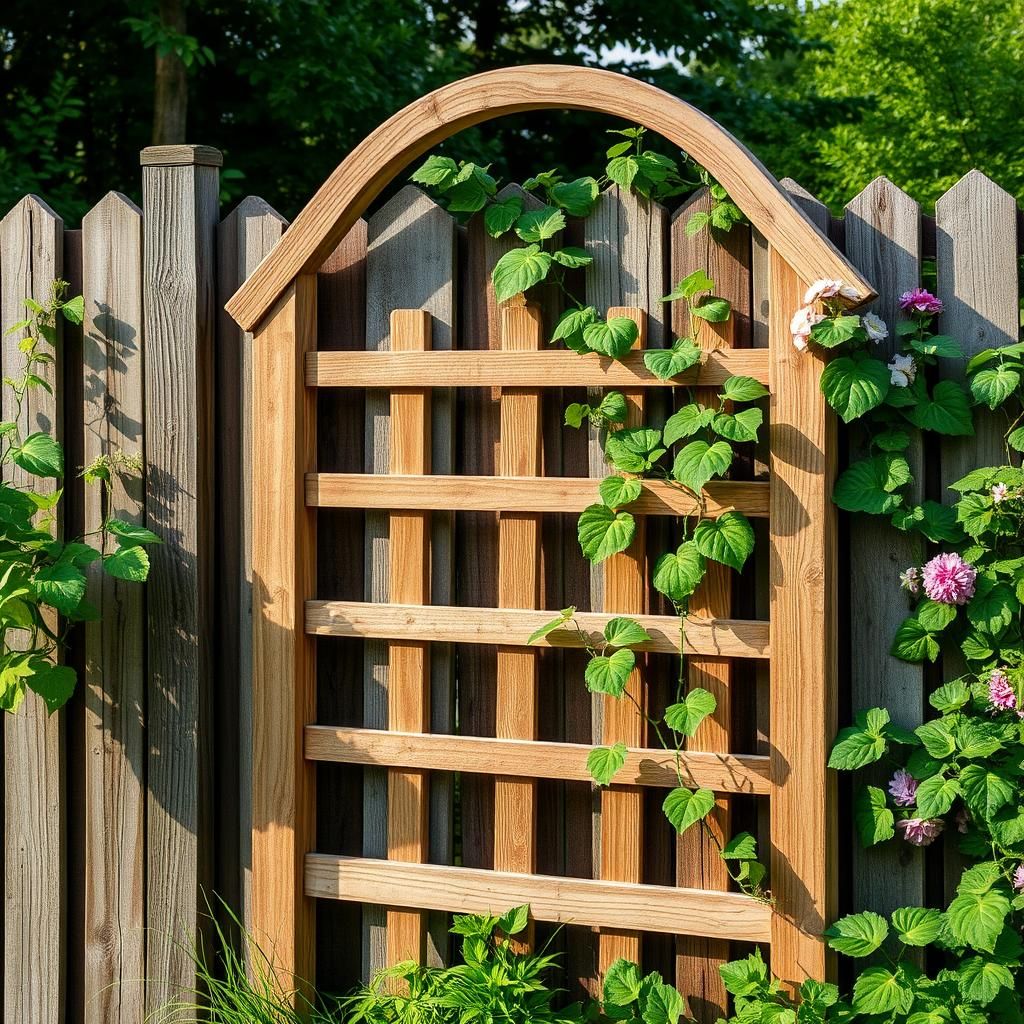
Attaching a trellis to a fence can enhance your garden's aesthetics while providing essential support for climbing plants. However, knowing the best methods to secure a trellis can make all the difference in durability and effectiveness. In this complete guide, we'll explore various techniques and materials to help you achieve a sturdy attachment that complements your outdoor space. Whether you are a seasoned gardener or a novice, understanding the optimal ways to attach a trellis will not only boost your garden's visual appeal but also contribute to the health and growth of your plants. Let's dive in!
How to Effectively Attach a Trellis to Your Fence
Attaching a trellis to a fence can enhance the aesthetics of your garden and provide support for climbing plants. The best approach is to first select the right type of trellis—whether wooden, vinyl, or metal—based on your fence material. Using appropriate fasteners like screws, anchors, or brackets will ensure a secure attachment. Start by measuring the area on the fence where the trellis will be mounted, ensuring it aligns properly for optimal support of the plants. It's ideal to position the trellis a few inches away from the fence to allow for proper airflow and growth of vines. For added stability, especially in windy conditions, consider using stabilizing stakes or additional supports.
Choosing the Right Type of Trellis
Selecting the right type of trellis for your fence is crucial for both functionality and style. Wooden trellises offer a classic look and blend well with natural surroundings, while vinyl trellises are durable and require little maintenance. Metal trellises, on the other hand, provide a modern aesthetic and are often the most sturdy. Consider factors such as weight, weather resistance, and the types of plants you intend to grow when making your choice.
Tools Required for Installation
Before attaching a trellis to your fence, gather the necessary tools to ensure a smooth installation process. Common tools include a drill, level, tape measure, and a screwdriver. Depending on the type of fasteners you choose, you might also need a stud finder to locate any beams in the fence that can provide additional support. Having these tools on hand will expedite the installation and help you achieve a professional-looking result.
Steps for Secure Attachment
To securely attach a trellis to your fence, start by positioning it at the desired location and marking the spot with a pencil. Drill pilot holes into the fence to prevent the wood from splitting, and use heavy-duty screws or anchors for a reliable hold. Ensure that the trellis is level before securing it fully, as this will affect both its appearance and functionality. Tightening all fasteners firmly will help prevent any movements or adjustments over time.
Maintaining Stability and Support
To maintain the stability of your trellis, especially in areas with high winds, consider adding additional support. This can be achieved by using brackets that are anchored to the base of the fence, or by installing stabilizing stakes behind the trellis. Regularly check the integrity of the fasteners and the condition of the trellis to ensure that it continues to provide adequate support for your plants.
Benefits of Using a Trellis
Using a trellis can significantly enhance your garden by providing vertical space for climbing plants, which can improve sunlight exposure and airflow. Vining plants not only save ground space but can also create a beautiful focal point in your garden. Additionally, a trellis can act as a privacy screen when strategically placed, making it beneficial for concealing less attractive areas while also adding greenery to the landscape.
| Aspect | Description |
|---|---|
| Material | Wood, vinyl, or metal |
| Fasteners | Screws, anchors, brackets |
| Tools | Drill, level, tape measure |
| Installation Steps | Position, mark, drill, secure |
| Support Options | Brackets, stabilizing stakes |
How to anchor a trellis to a fence?

To anchor a trellis to a fence, it is essential to ensure stability and support for the climbing plants that will be grown on the trellis. The process typically involves using various materials and techniques to secure the trellis firmly to the existing fence structure. Here’s a detailed guide on how to effectively anchor a trellis to a fence.
Assess the Fence Structure
Before anchoring a trellis, it's crucial to evaluate the strength and condition of the fence. This ensures that the fence can support the added weight of the trellis and the plants growing on it.
- Check for stability: Ensure there are no loose boards or weakened areas.
- Evaluate height and length: Determine the size of the trellis in relation to the fence to find appropriate anchoring points.
- Consider material type: Different materials (wood, vinyl, chain link) may require different anchoring methods.
Select the Right Anchoring Materials
Choosing suitable anchoring materials is fundamental for ensuring that the trellis remains securely attached to the fence over time.
- Screws or nails: Use corrosion-resistant screws or nails for wooden fences.
- Wire ties: For chain link fences, wire ties can be an effective way to secure a trellis.
- Brackets: Metal brackets can provide extra support and stability, especially for heavier trellises.
Preparation of the Trellis
Before installation, prepare the trellis to ensure it fits well against the fence and is ready for anchoring.
- Trim excess material: If necessary, cut the trellis to fit the desired height and width.
- Sand rough edges: Smooth any rough patches to prevent splinters or damage to the fence.
- Paint or seal: Apply a protective coat to prevent rot or rust, extending the trellis's longevity.
Attaching the Trellis to the Fence
Once the trellis is prepared, it’s time to attach it securely to the fence using your selected materials.
- Position the trellis: Hold the trellis against the fence at your desired height.
- Use a level: Ensure the trellis is straight before securing it with anchors.
- Drill and secure: Depending on your choice, drill screws or attach wire ties, ensuring it is tightened sufficiently to avoid movement.
Adding Additional Support
In some cases, additional support may be necessary to prevent the trellis from leaning or becoming unstable over time.
- Install braces: Use diagonal braces from the ground to the trellis base to stabilize it further.
- Consider ground anchoring: If the trellis is large or will carry heavy vines, stake it into the ground for extra support.
- Regular checks: Periodically inspect the anchors and supports to ensure they remain intact and make adjustments as needed.
How do I attach a trellis to a fence without drilling?

To attach a trellis to a fence without drilling, you can use several alternative methods that ensure the stability and integrity of the structure while avoiding damage to the fence. Here are some techniques you can consider:
See also:
1. Use Adhesive Hooks or Strips: You can use heavy-duty adhesive hooks or strips specifically designed for outdoor use. These can securely hold your trellis against the fence without the need for drilling.
2. Zip Ties: Zip ties are a quick and effective way to attach a trellis to your fence. Simply loop the ties through the trellis and around the fence slats, ensuring a tight hold.
3. Clamps: Utilize clamps or brackets that can fasten the trellis to the fence. These can be adjusted to fit any fence thickness and are easy to remove if necessary.
4. Tension Rods: A tension rod can be placed horizontally between the top of the trellis and the fence, providing support without the need for any permanent fixtures.
5. Garden Twine or Wire: For a more rustic look, garden twine or wire can be wrapped around both the trellis and the fence, effectively securing the trellis in place.
Adhesive Hooks and Strips
Using adhesive hooks or strips is one of the simplest methods to attach a trellis without drilling. These products typically have a strong adhesive backing:
- Select hooks or strips rated for outdoor use to ensure durability.
- Clean the surface of the fence where you will apply the adhesive to ensure a good bond.
- Stick the adhesive hooks or strips to the desired height and attach the trellis by hanging or pressing it into place.
Using Zip Ties
Zip ties provide an effective and quick solution for securing a trellis to a fence. They are versatile and can be adjusted to fit various sizes:
- Align the trellis with the fence and position it where you want it secured.
- Use zip ties to connect the trellis to the fence's wooden slats or chain-link sections.
- Pull the zip ties tight and trim any excess for a neat appearance.
Clamps or Brackets
Clamps or brackets are excellent options for securely attaching a trellis without causing damage:
- Choose adjustable clamps that fit your fence type, ensuring they can grip securely.
- Position the trellis against the fence and secure it using the clamps at appropriate intervals for balance.
- Make sure the trellis is stable and adjust the clamps as necessary for a tighter fit.
Tension Rods
Tension rods can be used to create a secure hold for the trellis while avoiding drilling:
- Measure the distance between the fence and create a tension rod that will fit snugly against the trellis and the fence.
- Place the tension rod horizontally near the top of the trellis to provide support.
- The tension creates a secure hold, allowing the trellis to stand without any permanent installation.
Garden Twine or Wire
Using garden twine or wire is a more natural approach to attaching a trellis:
- Wrap the garden twine or wire tightly around both the trellis and the fence posts or panels.
- Cinch it down to provide adequate support while ensuring the twine or wire is not too tight, which could damage the materials.
- This method also allows for easy adjustment or removal if necessary.
What is the best way to secure a trellis?

To secure a trellis effectively, consider the following methods that ensure stability and longevity. The best approach often depends on the type of trellis, the material used, and the specific garden conditions. Here are some steps and techniques that can help you secure a trellis properly:
1. Choose the Right Location:
Selecting an appropriate location is crucial for the stability of your trellis. Look for a spot that receives adequate sunlight and is protected from strong winds.
Choosing the Right Location
Make sure to find a place that is not overly exposed to harsh elements.
- Identify areas with partial shade and some wind protection.
- Consider using landscaping features, such as walls or fences, as additional support.
- Avoid low-lying areas that may collect water or cause excess moisture.
2. Use Strong Anchoring Methods:
The way you anchor your trellis to the ground or a wall can significantly affect its sturdiness.
Using Strong Anchoring Methods
Using appropriate anchoring techniques will prevent your trellis from leaning or falling.
See also:
- Consider using stakes or posts driven deep into the ground.
- For wall-mounted trellises, opt for heavy-duty brackets or anchors.
- For larger freestanding trellises, concrete footings can provide excellent stability.
3. Select Appropriate Materials:
The choice of materials plays a vital role in the trellis's ability to withstand weather conditions.
Selecting Appropriate Materials
Choosing durable materials will enhance the trellis's longevity and integrity.
- Wood is attractive but requires treatment for resistance against rot.
- Metal can offer resilience, but ensure it's rust-resistant.
- Consider vinyl for a low-maintenance option that also offers durability.
4. Incorporate Vertical Supports:
Adding vertical supports can provide additional strength to your trellis structure.
Incorporating Vertical Supports
Vertical supports amplify the strength and life of your trellis.
- Use diagonal braces to connect the top and bottom of the trellis.
- Enhance stability by installing additional vertical posts at intervals.
- Ensure supports are aligned properly to distribute weight evenly.
5. Regular Maintenance Check-ups:
Once your trellis is secured, ongoing maintenance is essential to ensure its continued effectiveness.
Regular Maintenance Check-ups
Frequent inspections help catch potential issues before they become serious.
- Inspect for rust on metal components and replace if necessary.
- Check wooden sections for signs of rot or insect infestation.
- Re-anchor or adjust supports as plants grow heavier over time.
Can I put a trellis on top of a fence?
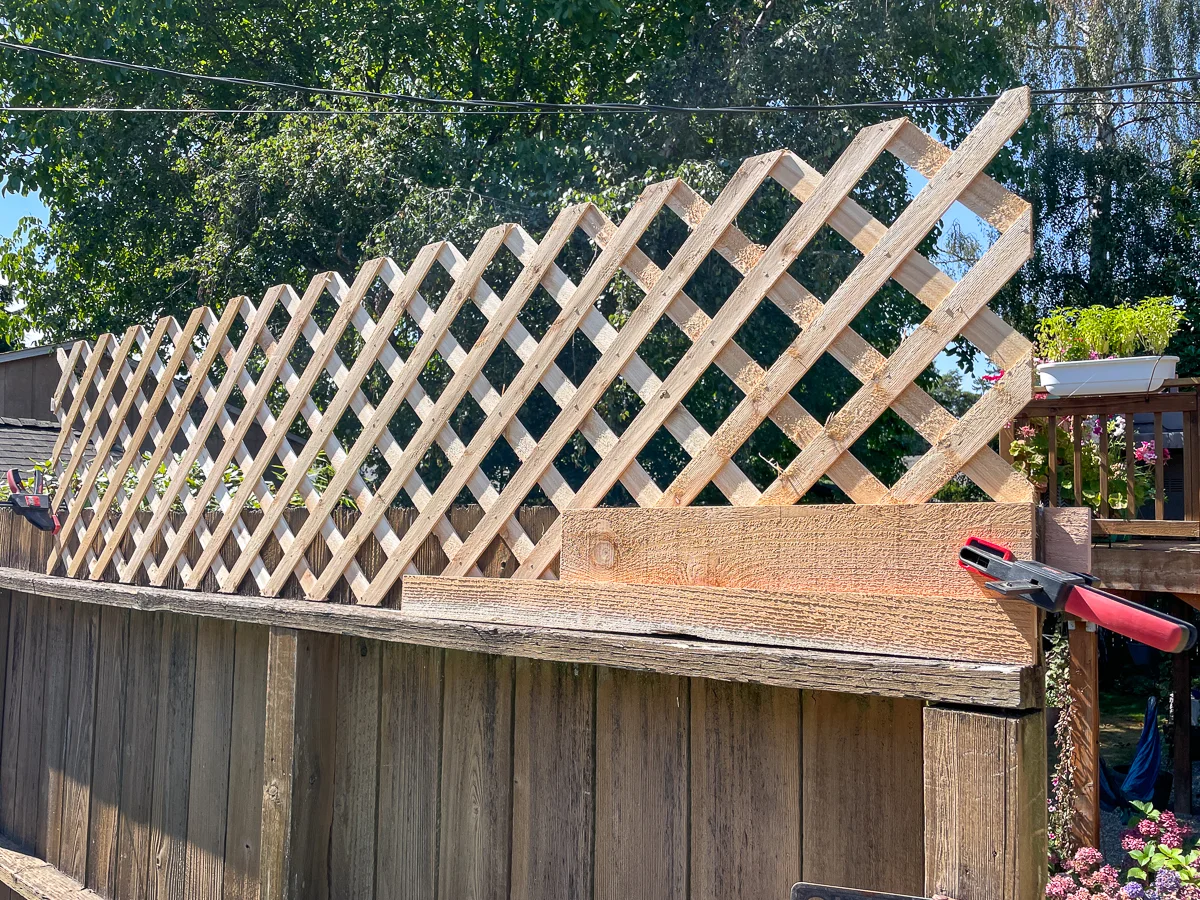
When considering whether you can put a trellis on top of a fence, the answer largely depends on several factors, including local laws, the type of fence, and the specific purpose of the trellis. Here’s a detailed exploration of this topic.
Legal Considerations
Before installing a trellis, it's important to understand any local regulations or homeowner association rules that may apply. These regulations can dictate:
- Height restrictions: Many areas have specific height limits for fences, including any additional structures like trellises.
- Permits: You may need to obtain a permit for modifications to fences, especially if they affect property lines or visibility.
- Neighbor agreements: It’s advisable to discuss your plans with neighbors, as they may have concerns regarding aesthetics or boundary issues.
Type of Fence
The type of fence you have significantly impacts the feasibility of adding a trellis. Different materials and constructions can support varying loads:
- Wood fences: Generally, wood fences can support a trellis if they are sturdy and well-maintained.
- Vinyl fences: Depending on their design, these may not provide strong support for a trellis unless reinforced.
- Chain-link fences: Trellises can be attached to chain-link fences, but they may require special fastening methods to ensure stability.
Purpose of the Trellis
Understanding the purpose behind adding a trellis can help inform your installation decision:
- Support for climbing plants: If you intend to grow vines or other climbing plants, ensure the trellis is securely fastened and can bear the weight of mature plants.
- Privacy screen: A trellis can provide additional privacy, but it should be designed to block views effectively without being too cumbersome.
- Aesthetic enhancement: Trellises can beautify a fence, so choose a design that complements both the fence and your garden.
Installation Tips
Proper installation is essential for ensuring that a trellis on top of a fence remains secure and functional. Here are a few tips:
- Use brackets: Secure the trellis with brackets or wood screws to prevent it from tipping or falling.
- Check for stability: Before adding climbing plants, ensure that the trellis is stable and can support any additional weight.
- Select appropriate materials: Choose material for the trellis that is weather-resistant, particularly if you live in an area with harsh weather conditions.
Maintenance Considerations
Maintaining both the fence and the trellis is crucial for longevity. Regular upkeep can prevent more significant problems in the future:
- Painting or staining: Regularly maintain the trellis with a protective coat to prevent rot or decay.
- Inspect for damage: Regularly check both the fence and the trellis for any signs of wear or instability.
- Trim climbing plants: Keep climbing plants trimmed to ensure the structure does not become overwhelmed and unsafe.
Questions from Our Readers
What materials do I need to attach a trellis to a fence?
To attach a trellis to a fence, you will need a few essential materials including screws, anchors, or zip ties depending on the type of fence. Additionally, having a drill or a screwdriver handy will make the installation process much smoother. Consider using weather-resistant materials to ensure durability.
Is it better to use screws or nails to attach the trellis?
Using screws is generally preferred over nails for attaching a trellis, as they provide a stronger and more secure connection. Screws can also be easily removed if the trellis needs to be adjusted or replaced in the future, making them a more versatile choice.
How far should the trellis be placed from the fence?
The trellis should ideally be placed about 2 to 6 inches away from the fence to allow for adequate airflow and light exposure. This spacing helps prevent mold growth and provides better conditions for the plants to grow on the trellis while still allowing it to be firmly anchored to the fence.
See also:
Can I attach a trellis to a vinyl or chain-link fence?
Yes, you can attach a trellis to both vinyl and chain-link fences, although the methods may vary. For a vinyl fence, you can use screws or special brackets, while for a chain-link fence, zip ties or wire are commonly used to secure the trellis effectively without damaging the fence material.

If you want to read more articles like What is the best way to attach a trellis to a fence? A Complete Guide for Garden Enthusiasts, we recommend you check out our Trellis category.
Leave a Reply
Related Articles