What is the Best Ventilation for a Greenhouse? Expert Tips and Solutions

Effective ventilation is crucial for maintaining an optimal environment in a greenhouse, ensuring both plant health and productivity. Proper airflow helps regulate temperature, humidity, and carbon dioxide levels, which directly impact plant growth. However, selecting the best ventilation system can be challenging, given the variety of options available. In this article, we explore expert tips and solutions to help you determine the most suitable ventilation methods for your greenhouse. Whether you're a seasoned gardener or a novice, understanding the intricacies of greenhouse ventilation will empower you to create a thriving oasis for your plants throughout the year.
What is the Best Ventilation for a Greenhouse?
To ensure optimal growth conditions in a greenhouse, proper ventilation is essential, as it regulates temperature, humidity, and air quality. The best ventilation system incorporates both natural and mechanical solutions, allowing for the effective exchange of stale air with fresh air. Natural ventilation can be achieved through strategically placed vents and openings, which utilize wind and the natural buoyancy of warm air to promote airflow. Meanwhile, mechanical ventilation systems, such as fans, can provide consistent airflow regardless of external weather conditions. Additionally, integrating shading options can help regulate internal temperatures, further enhancing the greenhouse environment for plant growth.
Types of Greenhouse Ventilation
There are mainly two types of ventilation systems used in greenhouses: natural ventilation and mechanical ventilation. Natural ventilation relies on openings, such as vents and windows, that harness wind and thermal buoyancy to circulate air within the greenhouse. This method is usually more energy-efficient and cost-effective but may not be sufficient in extreme weather conditions. On the other hand, mechanical ventilation uses fans to actively move air and can be adjusted for specific conditions, ensuring a consistent environment for plants. Each system has its advantages and can be used in conjunction to achieve the best results.
Importance of Temperature Control
Temperature control is a critical aspect of greenhouse management, as extreme temperatures can adversely affect plant health and yield. An effective ventilation system helps maintain a stable internal temperature by removing excess heat. During hot days, vents can be opened to allow cooler air to enter, while on cooler days, ventilation can be reduced to retain warmth. This regulation not only supports healthy plant growth but also optimizes energy consumption and minimizes heating costs. By understanding the temperature dynamics, growers can better plan their ventilation strategies.
Humidity Management
Humidity levels in a greenhouse can significantly affect plant growth and disease prevalence. Proper ventilation is crucial for managing humidity, as it helps to prevent excessive moisture levels that can lead to mold and other fungal diseases. By allowing stale, humid air to escape and replacing it with drier air, a well-designed ventilation system maintains an ideal humidity level. Monitoring humidity with sensors can assist growers in making timely adjustments to ventilation, ensuring a healthy growing environment.
Influence of Plant Density
The density of plants in a greenhouse greatly influences air circulation and microclimates within the space. With higher plant density, airflow may be restricted, leading to increased humidity and temperature variations. This can create a friable environment for diseases to flourish. Thus, it becomes essential to implement a robust ventilation strategy that considers plant density, enabling adequate air movement around the foliage. Additionally, spacing plants appropriately can aid in effective airflow and reduce the necessity for excessive mechanical intervention.
Integration of Ventilation with Other Systems
Integrating ventilation with other systems in the greenhouse, such as heating, cooling, and lighting systems, can enhance the overall effectiveness of environmental control. For instance, combining mechanical ventilation with heating allows for precise management of temperature and humidity, optimizing conditions for plants year-round. Automated systems that adjust ventilation based on real-time data from environmental sensors can streamline operations and improve plant health outcomes. The synergy of these systems ensures that the greenhouse environment is consistently tailored to the plants' needs.
| Ventilation Type | Advantages | Disadvantages |
|---|---|---|
| Natural Ventilation | Cost-effective, energy-efficient | Dependent on weather conditions |
| Mechanical Ventilation | Consistent airflow, adjustable | Higher operational costs |
Should a greenhouse be in the sun or shade?
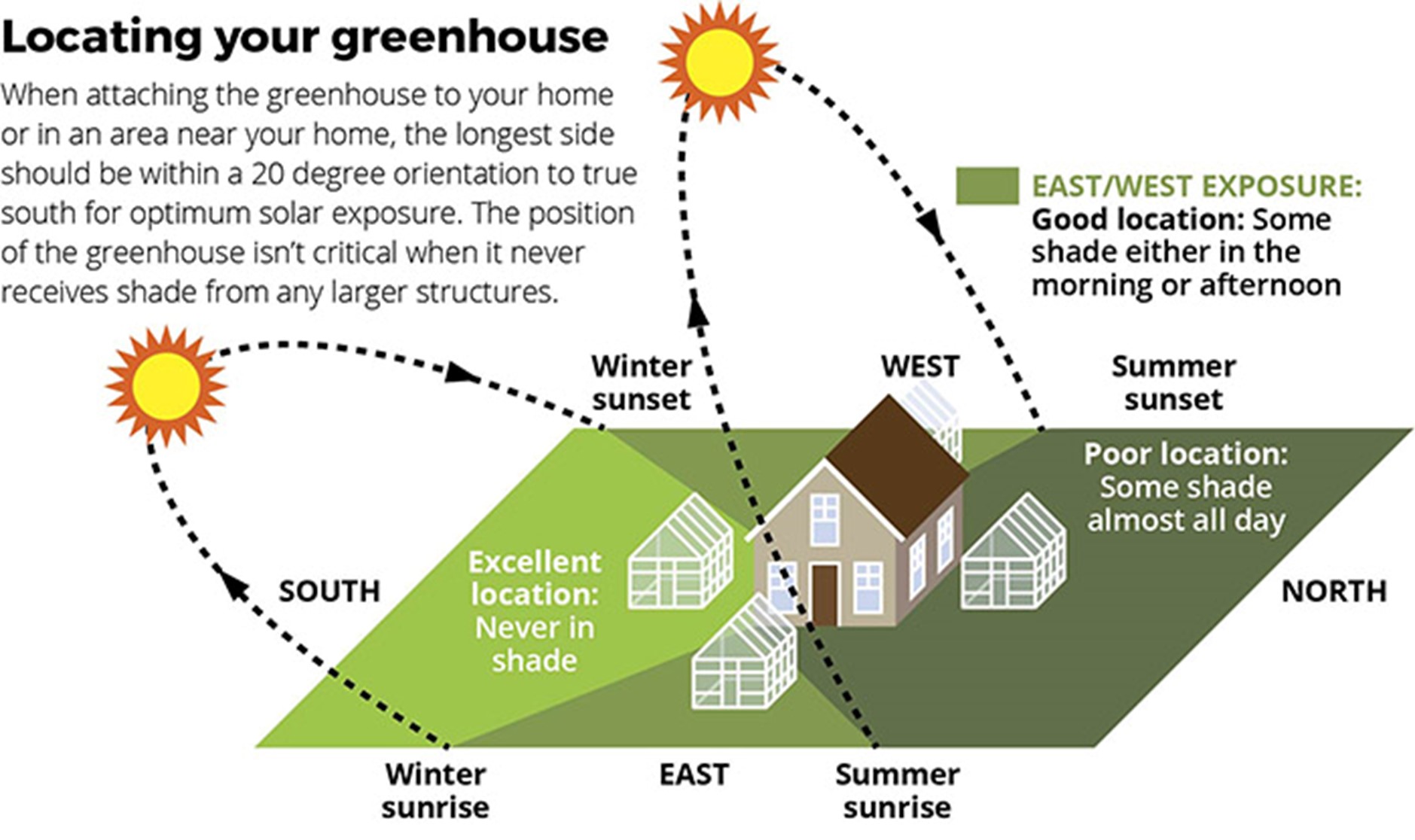
When considering whether a greenhouse should be in the sun or shade, it's essential to understand the implications of both placements on plant health and growth. Generally, greenhouses are designed to maximize sunlight exposure, which is crucial for plant photosynthesis. Adequate sunlight helps in maintaining the right temperature and humidity levels needed for optimal growth. However, there are instances where partial shade can also be beneficial.
Benefits of Sunlight for Greenhouses
Placing a greenhouse in full sunlight can offer numerous benefits, including:
- Enhanced Plant Growth: Plants require light for photosynthesis, and adequate sunlight promotes stronger plant growth.
- Temperature Regulation: Sunlight helps maintain a stable temperature inside the greenhouse, encouraging an ideal growing environment.
- Increased Yield: More sunlight typically leads to higher yields, as plants thrive in well-lit conditions.
Potential Drawbacks of Excess Sunlight
While sunlight is beneficial, excessive exposure can have negative effects:
- Heat Stress: Overheating can occur in hot climates, stressing plants and affecting their health.
- Burnt Leaves: Intense sunlight can scorch the leaves of sensitive plants.
- Higher Water Evaporation: Increased temperatures may lead to greater water loss, necessitating more frequent irrigation.
Advantages of Partial Shade
In some scenarios, placing a greenhouse in partial shade can be advantageous:
- Protection from Heat: Partial shade can help protect plants from overheating, especially during peak sun periods.
- Better Humidity Control: Shade can prevent rapid evaporation of moisture, maintaining humidity levels that some plants prefer.
- Suitability for Shade-Loving Plants: Specific plants thrive in lower light conditions, making shaded areas ideal for their growth.
Factors Influencing Greenhouse Placement
Several factors can influence the decision of whether to place a greenhouse in the sun or shade:
See also:
- Climate: The local climate plays a significant role; temperate regions may benefit more from full sun, while hotter areas may require some shade.
- Type of Plants: The specific plants being grown will dictate sunlight needs – some require full sun, while others prefer partial shade.
- Seasonal Changes: Understanding seasonal sunlight patterns can help in deciding how much sunlight a greenhouse needs throughout the year.
Best Practices for Greenhouse Location
To optimize the placement of a greenhouse, it’s advisable to consider:
- Orientation: Orienting the greenhouse to capture maximum sunlight in the morning can help prevent overheating in the afternoon.
- Use of Shade Cloth: Implementing a shade cloth can provide flexibility, allowing you to manage light levels as needed.
- Access to Water: Ensure that the greenhouse location facilitates easy access to water for irrigation regardless of sunlight exposure.
What is the best way to ventilate a greenhouse?
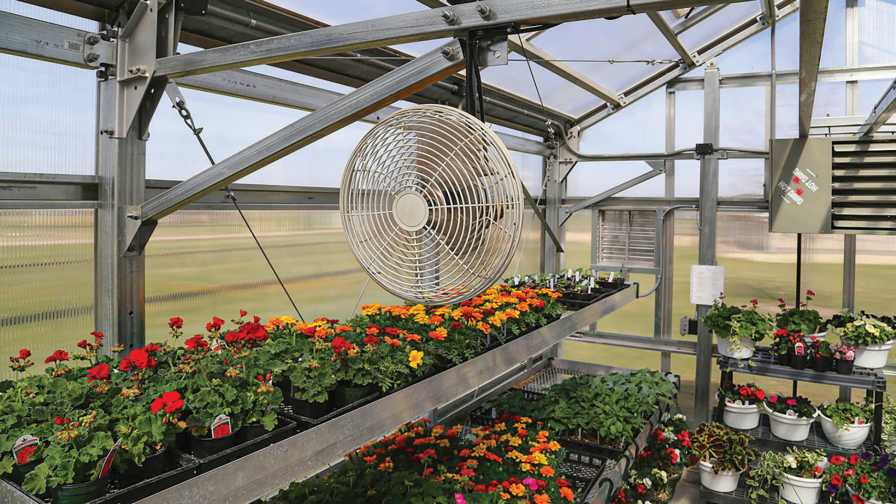
The best way to ventilate a greenhouse involves several strategies that ensure proper air circulation, temperature control, and humidity management. Effective ventilation is crucial for creating an optimal environment for plant growth, preventing heat buildup, and reducing the risk of disease. Below are the key methods for ventilating a greenhouse effectively.
Natural Ventilation
Natural ventilation utilizes the outside air to regulate temperature and humidity levels inside the greenhouse. This method typically relies on the design and orientation of the greenhouse.
- Ridge and Side Vents: Installing vents at the ridge of the roof and along the sides allows hot air to escape and cooler air to enter through lower openings.
- Placement: Positioning the greenhouse in a way that maximizes breeze and airflow can enhance natural ventilation.
- Cross Ventilation: Creating openings on opposite sides of the greenhouse encourages airflow across the interior, effectively removing excess heat and humidity.
Mechanical Ventilation
Mechanical ventilation systems use fans to increase air circulation and control the internal environment of the greenhouse. This approach can be particularly beneficial in greenhouses that are large or have limited natural ventilation.
- Exhaust Fans: These fans actively pull out warm air from the greenhouse, allowing cooler air to replace it. They are especially useful during the hottest parts of the day.
- Intake Fans: These fans can be used to bring in fresh air when the temperatures inside the greenhouse rise significantly, ensuring a constant flow of air.
- Climate Control Systems: Integrating fan and vent systems with climate control technology allows for automated adjustments based on temperature and humidity readings.
Shade and Reflective Surfaces
Using shade cloths or reflective materials can significantly impact the internal temperature of a greenhouse, aiding in ventilation indirectly by reducing heat accumulation.
- Shade Cloth: By covering parts of the greenhouse with shade cloth, you reduce sunlight penetration, which helps maintain a lower temperature inside.
- Reflective Paint: Applying reflective paint to the exterior or roof can bounce sunlight away, decreasing the heat absorbed by the greenhouse.
- Strategic Plant Placement: Positioning taller plants or structures to provide shade to vulnerable crops can help maintain a cooler microclimate.
Evaporative Cooling
Evaporative cooling can enhance ventilation by reducing the greenhouse temperature through the process of evaporation.
- Misting Systems: Installing misting systems can introduce moisture into the air, cooling it down as the water evaporates.
- Wet Pads: Using wet pads at intake vents promotes cooling as air passes over them, lowering the indoor temperature significantly.
- Water Features: Incorporating small water features can increase humidity while aiding in temperature control, making it a two-in-one solution.
Monitoring and Automation
Monitoring greenhouse conditions and automating ventilation processes can greatly improve efficiency and effectiveness in managing the internal climate.
- Sensors: Installing temperature and humidity sensors throughout the greenhouse provides real-time data, ensuring that ventilation needs are met promptly.
- Automated Systems: Utilizing automated fans and vents that respond to sensor readings can maintain optimal conditions without manual intervention.
- Mobile Apps: Many modern greenhouse management solutions offer mobile applications that allow you to control and monitor environmental conditions remotely.
What is the best airflow for a greenhouse?
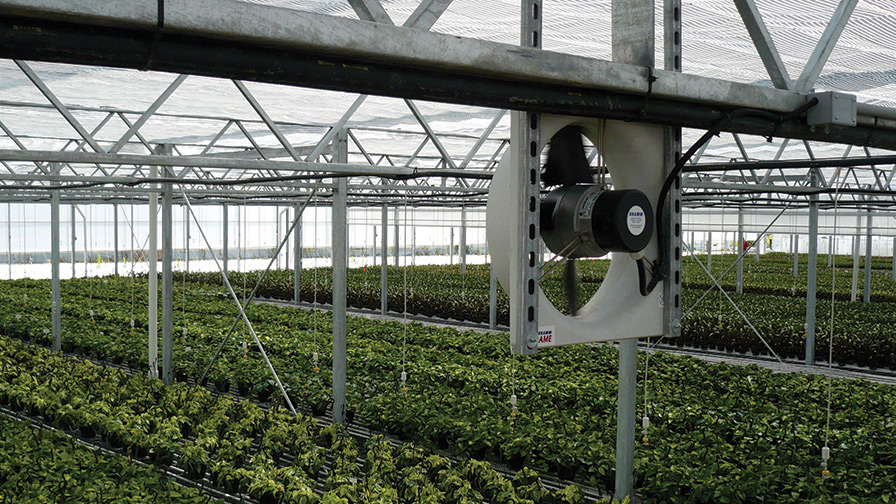
To achieve the best airflow in a greenhouse, it is essential to consider factors such as ventilation, air circulation, and environmental conditions. Proper airflow helps maintain optimal temperature and humidity levels, which are crucial for plant health. The ideal airflow allows for the removal of excess heat and humidity while providing fresh air to support photosynthesis. Here are some key aspects to consider:
Importance of Ventilation
Ventilation is critical in a greenhouse for managing temperatures and humidity. It involves the exchange of stale air with fresh air to create a balanced environment. Proper ventilation techniques can include:
- Natural Ventilation: Utilizing roof vents and side openings to allow warm air to escape and cool air to enter.
- Mechanical Ventilation: Using fans to help circulate air and manage temperature effectively.
- Preventing Stagnation: Regularly ensuring that air movement is sufficient to prevent hotspots and humidity buildup.
Types of Airflow Systems
Different airflow systems can be employed in greenhouses depending on size and environmental conditions. Understanding these systems helps in maximizing plant growth and efficiency:
- Cross-Ventilation: Involves placing vents on opposite sides of the greenhouse to create a flow of air across the structure.
- Exhaust Fans: Installed to remove hot air and pull in cooler air from outside, enhancing air exchange rates.
- Fan and Pad Systems: Combines evaporative cooling with airflow to maintain lower temperatures during hot weather.
Optimal Air Exchange Rates
Establishing optimal air exchange rates is vital for plant health. It involves the frequency and volume of air exchanged in the greenhouse. Key considerations include:
See also:
- Volume of Air: Ideally, the amount of air exchanged should be at least one complete air change per hour during the growing season.
- Humidity Control: High humidity can lead to diseases; thus, managing airflow is crucial to maintain a humidity level between 40-70%.
- Temperature Regulation: The target temperature inside the greenhouse should be maintained between 65°F and 75°F for optimal plant growth.
Seasonal Adjustments
Airflow requirements can vary significantly across different seasons. Adapting the ventilation methods based on the season can ensure a stable environment for plants:
- Spring and Summer: Increased ventilation is necessary to mitigate heat buildup and ensure adequate air circulation.
- Fall and Winter: Reducing airflow may be necessary to retain heat, but caution must be taken to prevent excess humidity.
- Monitoring Weather Patterns: Adjusting ventilation based on forecasted weather can optimize conditions within the greenhouse.
Effect of Plant Density on Airflow
Plant density significantly impacts airflow within a greenhouse, affecting growth and development. Considerations include:
- Spacing Plants: Adequate spacing allows for better air movement, reducing the risk of diseases caused by stagnant air.
- Vertical Growing: Using vertical space can maximize airflow while increasing the productivity of the greenhouse.
- Strategic Plant Placement: Arranging plants based on airflow patterns can enhance overall growth and health.
How to make a greenhouse airtight?

To make a greenhouse airtight, there are several strategies and materials that can be utilized to ensure that air does not leak in or out, maintaining a controlled environment for plants. An airtight greenhouse minimizes temperature fluctuations, reduces energy consumption, and enhances humidity control, all of which contribute to healthier plant growth. Below are detailed steps, methods, and considerations.
Choosing the Right Materials
Selecting appropriate materials is essential to achieving an airtight greenhouse. The following materials can help in constructing an effective greenhouse:
- Polycarbonate panels: These panels provide excellent insulation and minimize air leaks.
- Greenhouse film: High-quality greenhouse plastic film can be tightly sealed to prevent air loss.
- Sealants and caulking: Using high-performance sealants around joints and gaps is critical for maintaining airtight integrity.
Sealing Gaps and Joints
Gaps and joints are common areas where air can escape. It is important to thoroughly seal these areas to maintain an airtight environment:
- Inspect all joints: Regularly check the seams between panels and frames for any visible gaps.
- Apply sealant: Use weather-resistant caulk or sealant on all joints and connections, ensuring a tight seal.
- Weather stripping: This can be added to doors and windows to prevent air infiltration.
Installation of Doors and Windows
The installation of doors and windows plays a significant role in ensuring the airtight quality of a greenhouse. Proper handling is necessary:
- Hinges and latches: Use sturdy hardware that allows doors and windows to close tightly without gaps.
- Adjustable closures: Consider using adjustable latches that can hold windows or doors securely closed.
- Double doors: Installing double doors can act as an airlock, reducing air exchange when entering or exiting.
Ventilation Strategies
While making a greenhouse airtight is crucial, appropriate ventilation is also important for plant health. Implementing smart ventilation strategies can reduce the risk of overheating:
- Passive ventilation: Utilize vents that allow air to flow in and out without creating leaks.
- Exhaust fans: Use controlled fans to manage humidity and temperature without significant air loss.
- Automatic vent openers: These can open and close based on temperature, maintaining a balance between airtightness and air exchange.
Regular Maintenance
Regular maintenance of the greenhouse infrastructure is essential for preserving its airtight qualities:
- Routine inspections: Regularly check for signs of wear and tear on seals, panels, and frames.
- Reapply sealants: As caulks and sealants age, they may require reapplication to maintain airtightness.
- Cleansing surfaces: Ensure that dirt and debris do not impede the sealing properties of frames and panels.
Questions from Our Readers
What type of ventilation system is most effective for a greenhouse?
The most effective ventilation system for a greenhouse typically includes both natural and mechanical systems. Natural ventilation uses roof vents and side vents to promote airflow through convection, while mechanical systems such as exhaust fans can enhance air exchange during hot weather, ensuring that plants receive ample fresh air.
How often should I ventilate my greenhouse?
You should aim to ventilate your greenhouse daily, especially during the warm months. Monitoring temperature and humidity levels is crucial; if it exceeds 85°F (29°C) or humidity rises above 70%, it’s time to open vents or use fans to maintain ideal growing conditions for your plants.
Can passive ventilation alone be sufficient for a greenhouse?
In many cases, passive ventilation can be sufficient for small to medium-sized greenhouses, provided they are designed with adequate vent placement and size. However, in extreme weather conditions or larger structures, supplementing with active fans may be necessary to ensure plants receive consistent airflow and temperature control.
What are the signs of poor ventilation in my greenhouse?
Signs of poor ventilation include excessive heat, high humidity, and condensation on surfaces inside the greenhouse. Additionally, if you notice stunted plant growth, increased pest infestations, or fungal diseases, it may indicate that your ventilation system is inadequate, necessitating adjustments or upgrades.
See also:
If you want to read more articles like What is the Best Ventilation for a Greenhouse? Expert Tips and Solutions, we recommend you check out our Greenhouse category.
Leave a Reply
Related Articles