What is the Best Type of Sprinkler to Water Your Lawn? A Comprehensive Guide to Choosing the Right Sprinkler System
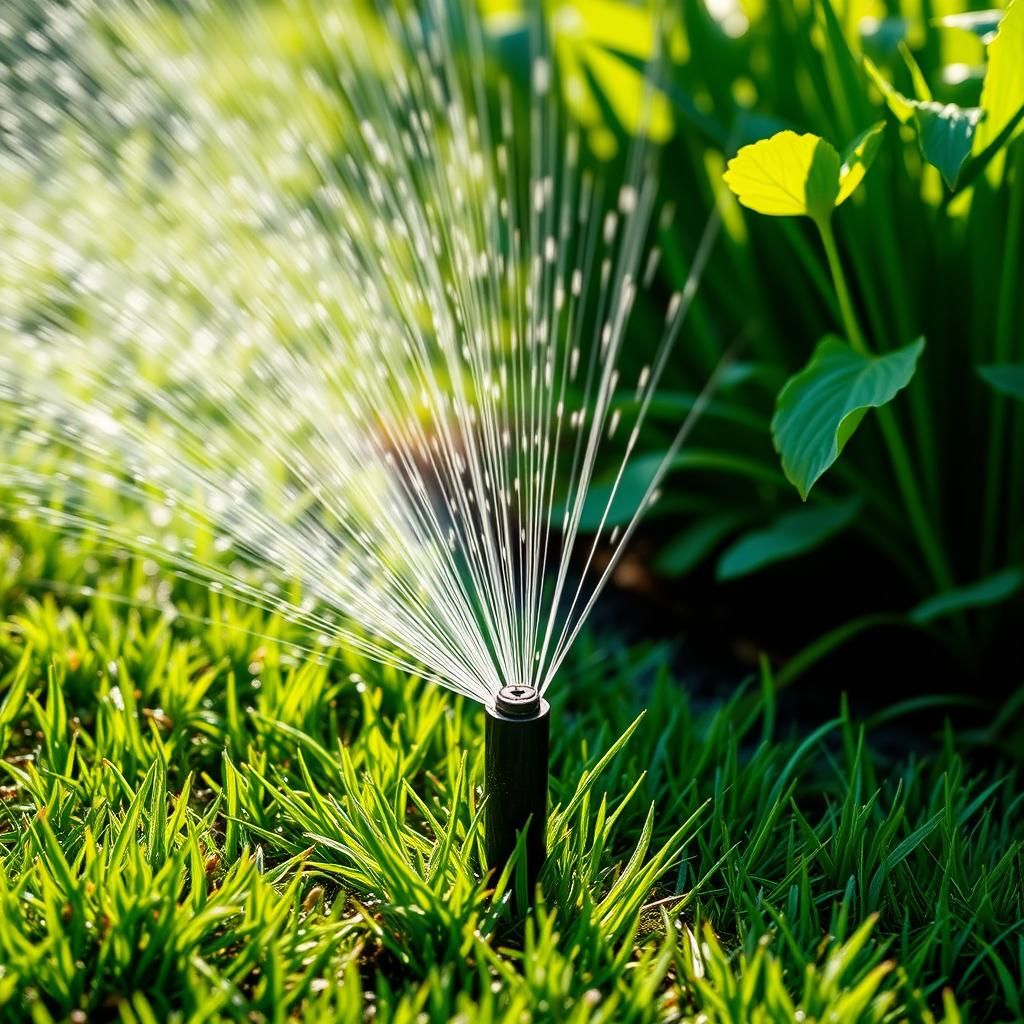
Maintaining a lush and healthy lawn requires the right watering system, and selecting the best type of sprinkler is crucial for achieving this goal. With a variety of options available, from stationary to oscillating, understanding the unique features and benefits of each can feel overwhelming. This comprehensive guide aims to simplify the decision-making process by exploring different sprinkler types, factors to consider based on your lawn size, climate, and water efficiency needs. Whether you are a seasoned gardener or a novice homeowner, this article will provide the insights necessary to choose the ideal sprinkler system for your lawn care.
Choosing the Best Sprinkler System for Your Lawn
When it comes to watering your lawn, the best type of sprinkler largely depends on the specific needs of your garden, including the size, shape, and types of plants you have. For large areas, a rotary or impact sprinkler can cover vast spaces efficiently, while for smaller or oddly shaped lawns, oscillating or stationary sprinklers might be more effective. Additionally, consider your water pressure and the local climate, as this affects how much water your lawn will need. The most suitable choice will optimize water usage and promote a healthy landscape.
Types of Lawn Sprinklers
There are several types of lawn sprinklers available, each designed for specific watering needs. Stationary sprinklers are fixed in one position and provide a consistent spray to a set area. Oscillating sprinklers move back and forth, covering a rectangular area and are suitable for medium-sized lawns. Rotary sprinklers, which rotate to cover more ground, are ideal for larger, open spaces. Each type serves a unique purpose and is optimized for different lawn sizes.
Factors to Consider When Choosing a Sprinkler
When selecting a sprinkler for your lawn, consider factors such as the size of the area, the type of soil, and the water pressure available. For larger spaces or those with varied topography, more powerful sprinklers that can reach greater distances may be necessary. Conversely, for smaller areas or gardens with delicate plants, gentler options that provide a light mist may be more appropriate. Choosing a sprinkler aligned with these factors can enhance water distribution and lawn health.
Water Efficiency of Sprinklers
Water efficiency is critical, especially in areas prone to drought. Many modern sprinkler systems are designed to minimize waste and direct water exactly where it is needed. Drip irrigation systems are one of the most efficient options, delivering water directly to the roots of plants. Sprinklers equipped with timers or soil moisture sensors can also significantly reduce water usage by ensuring that the lawn is watered only when necessary, which is both eco-friendly and cost-effective.
Maintenance Tips for Sprinkler Systems
Proper maintenance of your sprinkler system is essential for ensuring it operates effectively. Regular checks for clogs and leaks can prevent wasted water and ensure even coverage. Cleaning the sprinkler heads and adjusting their settings according to the season can help optimize performance. Additionally, it's important to inspect the entire system at the start of the watering season to identify any potential issues that may affect performance.
See also:
Cost Considerations for Sprinkler Installation
When budgeting for a sprinkler system, it's important to consider both the initial installation costs and the long-term operational expenses. The complexity of the system, such as the number of zones or type of technology (manual vs. automated), will affect the price. Additionally, ongoing costs such as water usage and potential repairs should also be factored in. Investing in a quality system upfront may lead to savings over time through better water management and less maintenance.
| Sprinkler Type | Best For | Water Efficiency |
|---|---|---|
| Stationary | Small Gardens | Moderate |
| Oscillating | Medium Lawns | Good |
| Rotary | Large Areas | High |
| Drip Irrigation | Flower Beds & Gardens | Very High |
| Impact Sprinkler | Wide Open Spaces | Moderate |
What is the most efficient way to water your lawn?
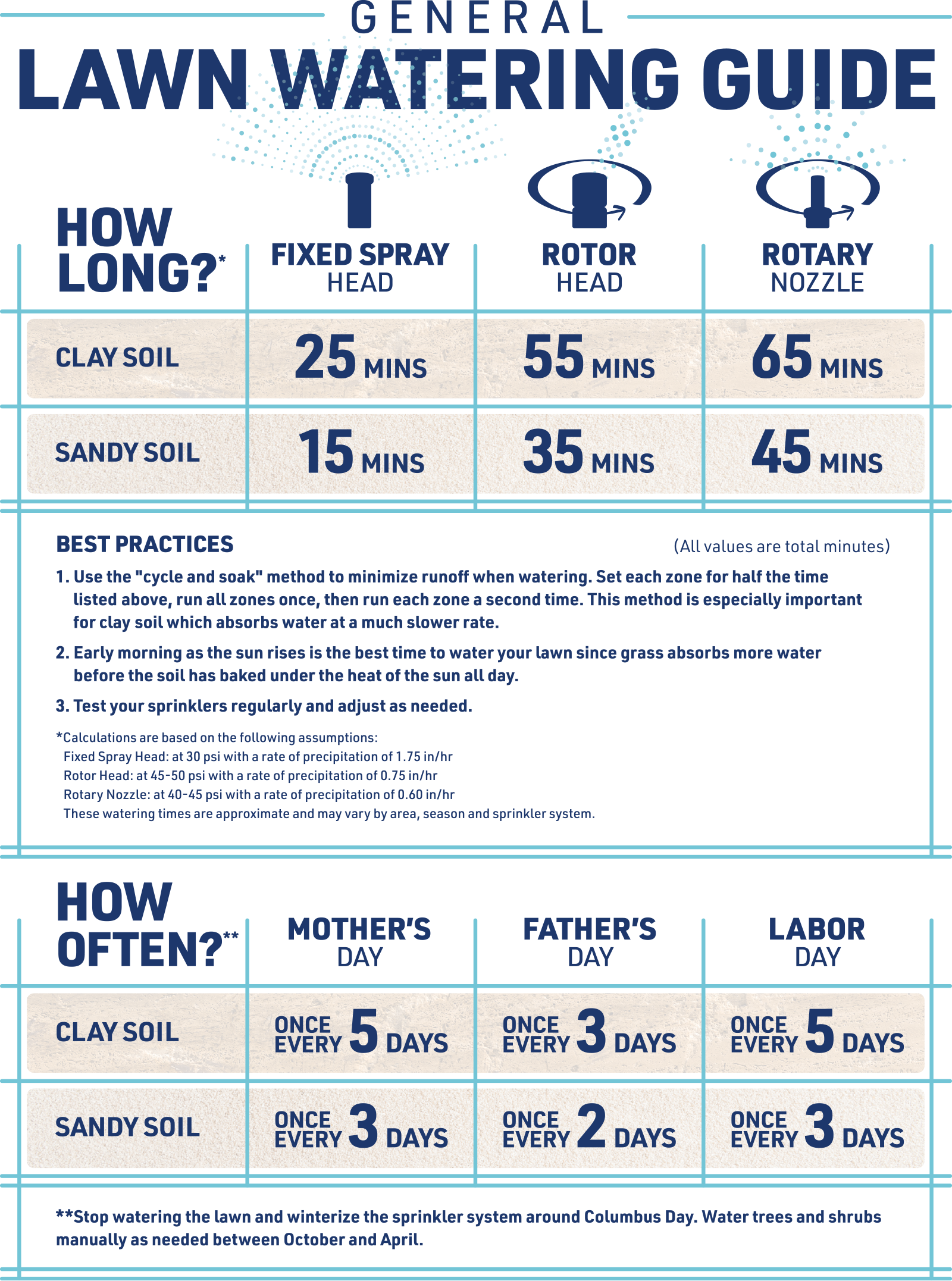
The most efficient way to water your lawn combines proper timing, techniques, and tools to ensure maximum water absorption and minimize waste. Here are some strategies to achieve this:
Use a Smart Irrigation System
A smart irrigation system automatically adjusts the watering schedule based on weather conditions, soil moisture, and plant water needs. These systems can utilize data from local weather stations and moisture sensors to optimize water usage.
- Weather Adjustment: Automatically skips watering during rain.
- Soil Sensors: Measure moisture content and adjust watering frequency.
- Remote Control: Operate the system via smartphone apps for convenience.
Water in the Early Morning
Watering your lawn in the early morning allows for optimal water absorption before the sun heats up the ground. This timing reduces evaporation rates and ensures that grass receives water directly at the roots.
- Cool Temperatures: Minimize water loss due to evaporation.
- Strong Growth: Promote healthy grass growth with adequate moisture.
- Fungus Prevention: Reduce the risk of fungal diseases caused by overnight wetness.
Adjust Irrigation Output
Adapting the irrigation output is crucial to avoid overwatering or underwatering your lawn. Ensure that the system distributes water evenly and at the right rate for your grass type.
See also:
- Soaker Hoses: Deliver water slowly and deeply directly to the roots.
- Sprinkler Adjustment: Set sprinklers to match your lawn’s specific needs.
- Regular Checks: Inspect for leaks or issues with the system frequently.
Implement Deep Watering Techniques
Deep watering encourages roots to grow deeper, making your grass more drought-resistant. Aim to apply water to penetrate at least 6 to 12 inches into the soil.
- Less Frequent Watering: Encourage deep root growth over time.
- Water Slowly: Apply water at a slow rate to allow absorption.
- Monitor Soil Moisture: Use a soil probe to check for adequate moisture depth.
Mulching and Organic Matter
Incorporating mulch and organic matter helps retain soil moisture and improves overall soil structure, promoting better water retention.
- Organic Mulches: Use materials like wood chips or straw to reduce evaporation.
- Composting: Enhance soil conditions through nutrient enhancement.
- Soil Aeration: Improve water infiltration and reduce runoff.
Questions from Our Readers
What are the different types of lawn sprinklers available?
There are several types of lawn sprinklers, including oscillating, rotary, stationary, and drip systems. Each type serves a different purpose: oscillating sprinklers are great for rectangular areas, while rotary models are ideal for larger, uneven spaces. Stationary sprinklers work well for small, fixed areas, and drip systems are designed for efficient watering of garden beds.
How do I choose the right sprinkler for my lawn size?
Choosing the right sprinkler depends on the size and shape of your lawn. For smaller lawns, a stationary or oscillating sprinkler may suffice, while larger lawns benefit from rotary sprinklers that cover more ground. Assessing your lawn's layout and selecting a sprinkler with adjustable settings will ensure effective coverage and water efficiency.
Are there sprinklers that conserve water?
Yes, there are many water-efficient sprinkler options available, such as drip irrigation systems and oscillating sprinklers with timers. These systems can target specific areas, reducing water wastage significantly. Using a smart sprinkler controller can also help optimize scheduling based on weather patterns, leading to even greater water conservation.
How often should I water my lawn with a sprinkler?
The frequency of watering your lawn with a sprinkler depends on factors like climate, grass type, and soil conditions. Generally, it's recommended to water your lawn about once or twice a week, providing about 1 inch of water per session. This helps promote deep root growth without over-saturating the soil, ensuring your lawn remains healthy and vibrant.
See also:

If you want to read more articles like What is the Best Type of Sprinkler to Water Your Lawn? A Comprehensive Guide to Choosing the Right Sprinkler System, we recommend you check out our Irrigation category.
Leave a Reply
Related Articles