What is the best time to water garden in hot weather? Expert Tips for Optimal Plant Care
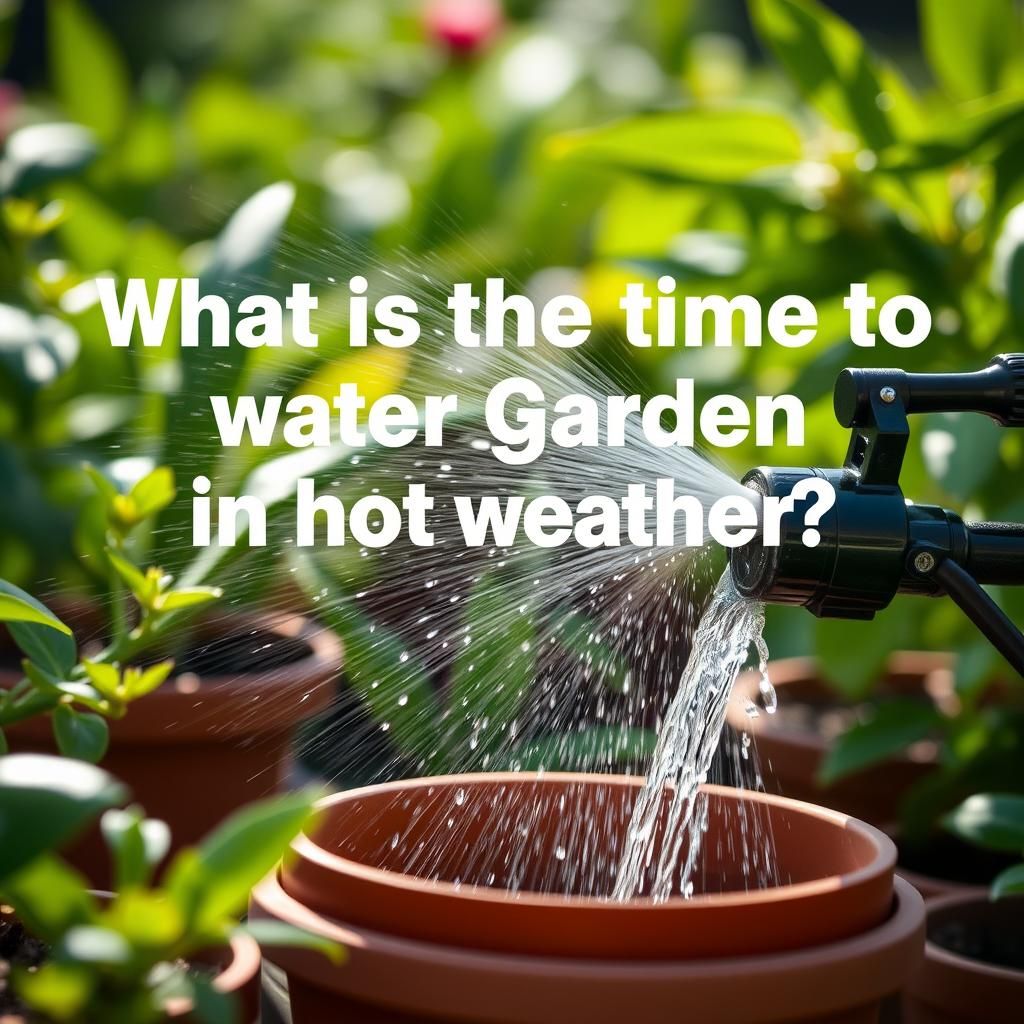
Watering your garden during hot weather requires careful consideration to ensure your plants thrive. High temperatures can lead to rapid evaporation and stress on plant life, making it crucial to understand the optimal times for watering. In this article, we'll explore expert tips for maintaining healthy plants under the sun’s harsh rays. From early morning routines to evening practices, we'll provide insights into maximizing water efficiency and promoting vigorous growth. By following these guidelines, you can create a flourishing garden that withstands the challenges of summer heat and remains vibrant throughout the season.
What is the Best Time to Water Your Garden in Hot Weather?
Watering your garden during hot weather is crucial for maintaining the health of your plants, and the best time to do it is early in the morning or late in the evening. During these times, the temperatures are generally cooler, which reduces evaporation and allows the plants to absorb more moisture. Watering when the sun is at its highest can lead to significant water loss through evaporation, making it less efficient and potentially harmful to the plants. Additionally, watering in the morning helps prepare the plants for the heat of the day, while evening watering can help combat the stress from the day’s heat, giving the soil and plants a chance to soak up water overnight without the risk of scorching.
Why Morning Watering is Ideal
Watering your garden in the morning allows plants to take advantage of the moisture before the sun heats up the environment. In the cooler temperatures of the morning, plants can readily absorb water, which can help them stay hydrated throughout the hot day. Early watering also gives foliage a chance to dry out during the day, which can prevent fungal diseases that thrive in moisture.
The Benefits of Evening Watering
Evening watering can be effective as it allows the water to soak deep into the soil without the immediate concern of evaporation from the heat of the day. This method can be especially helpful for plants that may not receive adequate moisture during the heat of the day. However, one must be careful as overly wet leaves overnight can lead to pest infestations or fungal growth, so it’s best to water just at sundown.
How Weather Conditions Affect Watering Schedule
Weather conditions play a significant role in determining the best time to water your garden. On particularly hot or windy days, the need for watering may increase, as evaporation rates are higher. Conversely, if rain is forecasted, it may be wise to skip watering altogether. Understanding weather patterns will help in planning an effective watering schedule that suits the needs of your garden.
See also:
Watering Techniques for Hot Weather
Using efficient watering techniques can help conserve water and maintain soil moisture levels during hot conditions. Techniques such as drip irrigation and soaker hoses can deliver water directly to the roots of the plants, minimizing evaporation and ensuring that the water penetrates the soil deeply. Furthermore, applying mulch around plants can help reduce soil temperature and retain moisture, making the overall watering process more effective.
Avoiding Common Watering Mistakes
Many gardeners make common mistakes when watering in hot weather, such as overwatering or watering too late in the day. Overwatering can lead to root rot and other issues, while watering too late can encourage diseases. Properly timing your watering schedule and observing your plants for signs of stress can mitigate these issues. It is essential to strike a balance in your watering approach to ensure that you meet your garden's needs without causing unforeseen problems.
| Watering Time | Benefits | Considerations |
|---|---|---|
| Morning | Less evaporation, plants hydrated for the day | Requires early start, risk of wet foliage if too much |
| Evening | Deep soil penetration, fewer immediate heat effects | Risk of overnight moisture encouraging diseases |
| During Hot Days | Meets plants' increased thirst | Tackle high evaporation rates, potential for drought stress |
| After Rain | Utilize natural moisture levels | Watch for overwatering, adjust depending on rainfall |
Understanding Watering Techniques for Heat-Stressed Plants
In hot weather, understanding the best time to water your garden is crucial for optimal plant health. The ideal moments to water are early in the morning or late in the evening, as temperatures are cooler and the sun's intensity is lower, reducing evaporation rates. This approach not only ensures that the soil remains adequately moist but also helps the roots absorb water without the stress of heat, fostering stronger and more resilient plants. Deep watering, at these times, encourages roots to grow deeper, making plants more drought-resistant.
The Importance of Soil Moisture Levels
Monitoring soil moisture levels is essential, especially in hot weather. Utilizing a moisture meter or simply checking the soil’s feel can guide gardeners on when to water. Proper moisture levels alleviate stress on plants, ensuring they have access to the water they need for photosynthesis and growth. Over-watering can lead to root rot, while under-watering may cause wilting; thus, knowing when to water promotes a balanced approach to garden care.
Avoiding Midday Watering Pitfalls
Watering during the midday hours can be counterproductive for various reasons. High temperatures lead to increased evaporation, causing much of the water to dissipate before it benefits the plants. Furthermore, wet foliage during hot periods can create a conducive environment for diseases, further stressing your plants. Consequently, avoiding watering at this time is advisable for maintaining a healthy garden.
See also:
Effects of Heat on Plant Water Demand
As the temperature rises, the water demand of plants also increases significantly. During these periods of drought stress, plants may exhibit signs like wilting or leaf curl as a way to conserve moisture. This higher water demand emphasizes the need for a consistent watering schedule, especially when daytime temperatures peak. Keeping an eye on your plants' vitality helps identify when they're in desperate need of water.
Using Mulch to Retain Moisture
Applying mulch is a beneficial practice to help retain soil moisture during hot weather. Mulch creates a barrier that reduces evaporation and maintains a more consistent soil temperature. Organic options, like wood chips or straw, not only help with moisture retention but also decompose over time, enriching the soil with nutrients. This dual function makes mulch an excellent resource for gardeners aiming to improve plant health in challenging heat conditions.
Timing Watering with Weather Patterns
Paying attention to local weather patterns can significantly influence when and how much to water your garden. If there is a forecasted chance of rain, you might adjust your watering schedule to avoid over-saturating your plants. Additionally, understanding humidity levels can provide insight into how quickly the soil loses moisture, helping to tailor your watering habits effectively. Staying informed about weather changes can lead to more efficient water use and healthier plants.
Questions from Our Readers
What is the best time to water a garden during hot weather?
The best time to water your garden in hot weather is early in the morning or late in the evening. This is when temperatures are cooler, allowing the water to soak into the soil before it evaporates due to the sun. Watering during these times ensures that your plants receive the moisture they need to thrive.
How often should I water my garden in hot weather?
In hot weather, you should generally water your garden deeply about two to three times a week, depending on the specific needs of your plants and soil type. It’s essential to allow the soil to dry out between watering sessions to encourage deep root growth, which makes plants more resilient to heat.
See also:
Can I water my garden during the day when it's hot?
While it’s possible to water your garden during the day, it’s not recommended in hot weather because the water can evaporate quickly before it reaches the roots. Additionally, watering in the heat of the day can potentially stress your plants due to a sudden temperature change on their leaves.
What is the best method for watering plants in hot weather?
The best method for watering in hot weather is to use drip irrigation or soaker hoses, as these techniques deliver water directly to the root zone. This minimizes evaporation and ensures that your plants receive consistent moisture, helping them withstand the heat more effectively.

If you want to read more articles like What is the best time to water garden in hot weather? Expert Tips for Optimal Plant Care, we recommend you check out our Irrigation category.
Leave a Reply
Related Articles