What is the best time of day to turn on sprinklers? Tips for Optimal Lawn Care

Understanding the best time of day to turn on your sprinklers can significantly impact the health and appearance of your lawn. Watering at the optimal time not only conserves water but also maximizes the effectiveness of your irrigation efforts. Factors such as temperature, humidity, and wind can all influence how quickly water evaporates, making timing essential for successful lawn care. In this article, we will explore the ideal times to water your lawn, provide practical tips for maintaining your sprinkler system, and discuss the benefits of proper lawn irrigation. Get ready to achieve a lush and vibrant yard with these expert insights.
What is the Best Time of Day to Turn on Sprinklers?
The best time of day to turn on sprinklers is early in the morning, typically between 4 AM and 10 AM. During these hours, temperatures are generally cooler, which minimizes evaporation and allows for more water to penetrate the soil rather than being lost to the sun. Additionally, watering early in the day prevents leaf burn that can occur when grass or plants are wet during the hottest parts of the day. This practice also ensures that the water has time to absorb into the ground before the heat of the day causes it to evaporate, promoting healthier, more resilient plants.
Why Early Morning is Ideal for Watering
Watering in the early morning is ideal because the temperatures are cooler, preventing excessive evaporation. Additionally, this timing helps ensure that plants receive adequate moisture before the heat of the afternoon. This strategy also helps to avoid fungal diseases that can occur if plants remain wet overnight.
Avoiding Afternoon Watering
Watering in the afternoon is generally discouraged because the higher temperatures lead to increased evaporation rates, meaning less water reaches the soil and roots of the plants. Moreover, the combination of strong sunlight and wet leaves can cause leaf burn, harming the plants in prolonged heat.
The Risks of Watering at Night
Watering at night might seem beneficial due to lower temperatures, but it can actually promote the growth of mold and fungal diseases. The lack of sunlight means that the water may not evaporate quickly enough, leaving the grass and plants damp for extended periods, which is not ideal for plant health.
Local Climate Considerations
The best time to water can also depend on local climate conditions. In regions with high humidity, early mornings might still be appropriate, while in drier climates, it might be better to water in the late afternoon to allow for some absorption without excessive evaporation. It is important to consider local weather patterns and adjust watering schedules accordingly.
Watering Frequency and Duration
In addition to timing, the frequency and duration of watering are crucial. Typically, deep watering is better than frequent shallow watering. This means watering your plants thoroughly but less often encourages deeper root growth. The ideal frequency is about once or twice a week, adjusting based on rainfall and temperature.
| Time of Day | Advantages | Disadvantages |
|---|---|---|
| Early Morning | Minimizes evaporation; prevents leaf burn | Requires early wake-up |
| Afternoon | Convenient for some | High evaporation; risk of leaf burn |
| Night | Cool temperatures | Risk of mold/fungal growth |
Is it better to run sprinklers in the morning or evening?
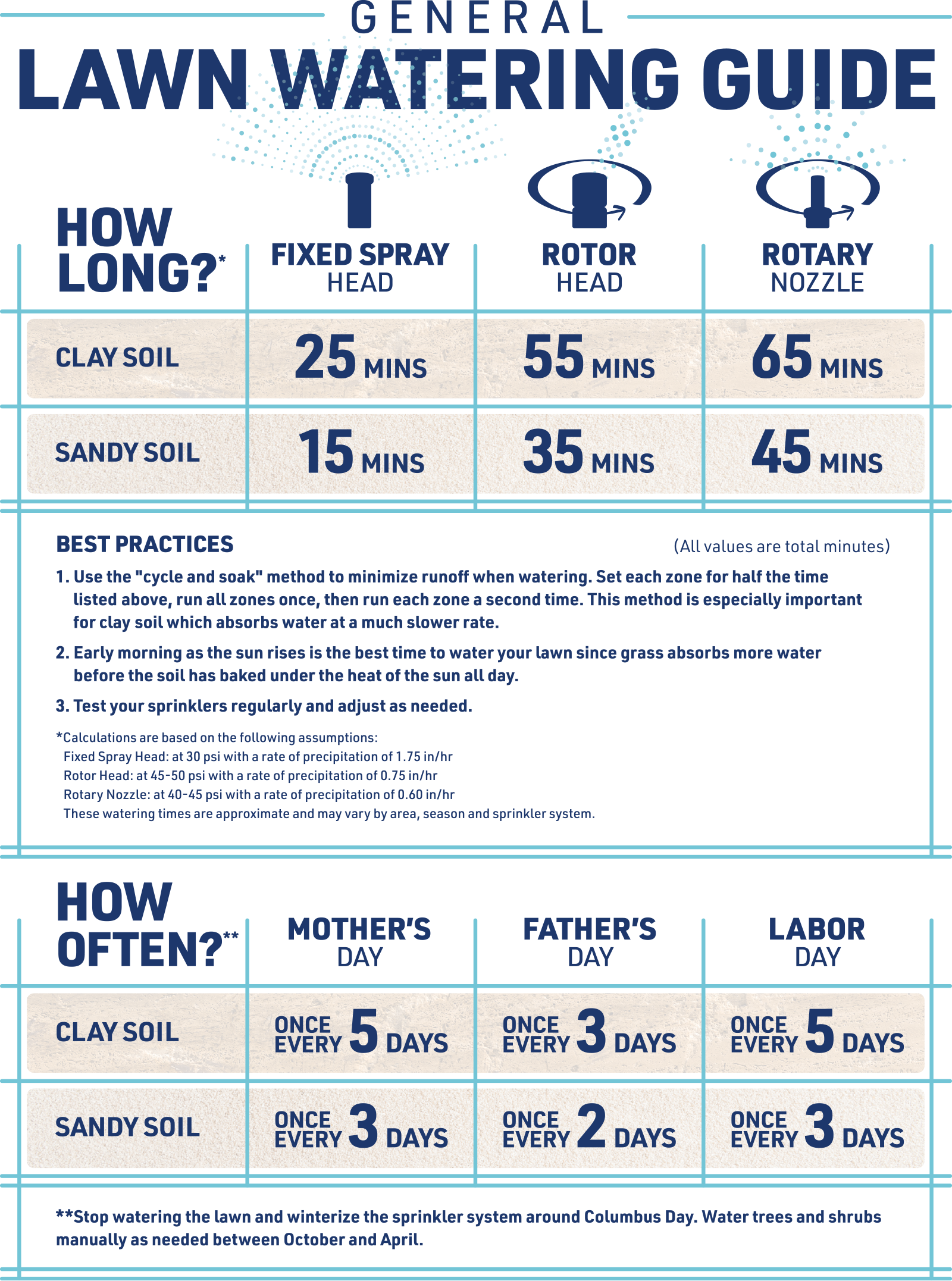

Running sprinklers is an essential practice for maintaining a healthy lawn and garden. The timing of when to run them can significantly affect plant health and water efficiency. Here’s a detailed analysis of whether it is better to run sprinklers in the morning or evening.
Morning Watering Advantages
Watering in the morning has several benefits, particularly in regulating the health of plants.
- Less Evaporation: Morning temperatures are generally cooler, which means less water loss due to evaporation. This allows more water to penetrate the soil and reach the roots.
- Prepares Plants for Heat: Watering in the morning helps prepare plants for the day’s heat, ensuring they have sufficient moisture to withstand high temperatures.
- Reduces Disease Risk: Watering early allows foliage to dry off during the day, thus lowering the risk of fungal diseases that thrive in damp conditions.
Evening Watering Considerations
While watering in the evening may seem convenient, it comes with its own set of pros and cons.
- Convenient Timing: Evening watering can fit better into a busy schedule, making it easier for those who work during the day.
- Longer Moisture Retention: Water applied in the evening can stay in the soil longer overnight, providing hydration without immediate evaporation.
- Higher Disease Risk: However, this method may leave plants damp overnight, increasing susceptibility to diseases and pests.
Soil Absorption Rates
Soil structure plays a crucial role in how effectively water is absorbed and retained, influencing the timing of sprinkler use.
- Soil Type: Sandy soils absorb water quickly, benefiting from morning watering to maximize moisture retention before the heat of the day.
- Clay Soils: For clay soils, evening watering might be more suitable, as these can hold water longer and may benefit from slower absorption during cooler temperatures.
- Compaction Levels: Compacted soils require careful management; morning watering can help dissolve surface tension, allowing deeper penetration.
Climate Impact
The local climate affects the efficacy of watering times, which is crucial for garden maintenance.
- Hot, Dry Climates: In arid regions, morning watering is often preferred to minimize water loss due to evaporation.
- Humid Climates: In more humid environments, evening watering can result in excessive moisture retention, leading to potential fungal issues.
- Temperature Extremes: Consider temperature fluctuations; morning watering can help manage plants' cooling needs during peak heat hours.
Water Conservation Practices
Water management is vital in today's world, making the timing of sprinkler use significant for conservation efforts.
- Water Efficiency: Systems running in the morning tend to use less water overall, enhancing conservation efforts.
- Smart Technology: Utilizing timers and smart irrigation can ensure that sprinklers run at optimal times, regardless of morning or evening.
- Local Regulations: Some municipalities have watering schedules based on conservation needs, which may dictate ideal watering times.
What is the best time to put sprinklers on your lawn?
The best time to put sprinklers on your lawn is typically early in the morning or late in the evening. This timing maximizes the efficiency of water absorption and minimizes evaporation losses. Watering during these cooler parts of the day allows your lawn to absorb moisture effectively, promoting healthy grass growth.
See also:
Factors such as climate, seasonal changes, and grass type should also be considered when establishing an irrigation routine. It’s essential to find a balance between adequately watering your lawn and preventing water waste.
Best Times of Day for Watering
Watering your lawn early in the morning or late in the evening is crucial for optimal results. During these times, temperatures are lower, and wind speeds are often calmer, which reduces evaporation.
- Early Morning: Watering between 4 AM and 10 AM is ideal. The temperature is cool, and the grass can absorb more moisture before the sun heats up.
- Late Evening: Watering after 6 PM gives the lawn another chance to absorb water, but ensure it’s early enough to allow some drying before nighttime.
- Avoid Midday: Watering during peak sun hours leads to excessive evaporation, making your efforts less effective.
Frequency of Watering
The frequency of watering your lawn is significant and depends largely on factors such as rainfall, temperature, and the type of grass you have.
- Grass Type: Different grasses have varying water needs. For instance, cool-season grasses may require more frequent watering in the summer.
- Weather Conditions: Hot, dry spells will necessitate more frequent watering compared to rainy seasons.
- Soil Type: Sandy soils drain faster and may require more frequent watering compared to clay soils, which retain moisture better.
Duration of Sprinkler Use
The duration for which sprinklers should run can depend on multiple factors including soil type and grass health.
- General Recommendation: A common rule of thumb is to provide about 1 inch of water per week, including rainfall.
- Soil Absorption: Observe how quickly your lawn absorbs water; adjust the duration of your sprinklers accordingly to prevent runoff.
- Sprinkler Type: Different sprinklers have different outputs. Check the manufacturer's recommendations for optimal running times.
Seasonal Considerations
Seasonal changes can significantly impact when it is best to water your lawn. Understanding these variations ensures that your lawn stays healthy year-round.
- Spring: As temperatures rise, gradually increase watering frequency to support new growth.
- Summer: This is the most crucial time for lawn irrigation, as heat can rapidly dry out soil.
- Fall: Reduce watering as temperatures drop and growth slows, but ensure the soil remains moist for winter dormancy.
Signs Your Lawn Needs Water
Recognizing when your lawn requires water is essential for maintaining its health. Certain indicators can help determine whether or not to turn on your sprinklers.
- Color Change: Grass turning a blue-gray hue is a strong sign that it needs water.
- Footprint Test: If you walk on your lawn and footprints remain visible, it’s time to water.
- Soil Moisture: Checking the top inch of soil; if it’s dry, your lawn likely needs additional moisture.
Questions from Our Readers
What is the best time of day to turn on sprinklers?
The best time of day to turn on sprinklers is usually early in the morning, specifically between 4 AM and 10 AM. During these hours, temperatures are cooler and winds are lighter, which helps to minimize evaporation and ensures that more water reaches the roots of the plants.
Why is it not advisable to water during the hottest part of the day?
Watering during the hottest part of the day, typically between 10 AM and 4 PM, is not advisable due to high temperatures which lead to greater evaporation. This means that less water actually benefits the plants, resulting in a waste of water and reduced effectiveness of irrigation.
See also:
Can I water my lawn in the evening?
While you can water your lawn in the evening, it is generally not recommended to water too late at night. This can leave your lawn wet for an extended period, increasing the risk of fungal diseases. It's better to water in the early evening if you must, allowing the grass time to dry before nightfall.
How long should I run my sprinklers?
The duration to run your sprinklers can depend on various factors, but a general guideline is to water for about 15 to 30 minutes per session. It's essential to check the soil moisture; the goal is to ensure that the water penetrates deep enough to reach the roots without causing runoff.

If you want to read more articles like What is the best time of day to turn on sprinklers? Tips for Optimal Lawn Care, we recommend you check out our Irrigation category.
Leave a Reply
Related Articles