What is the Best Thing to Put Down to Prevent Weeds? Expert Tips and Top Solutions
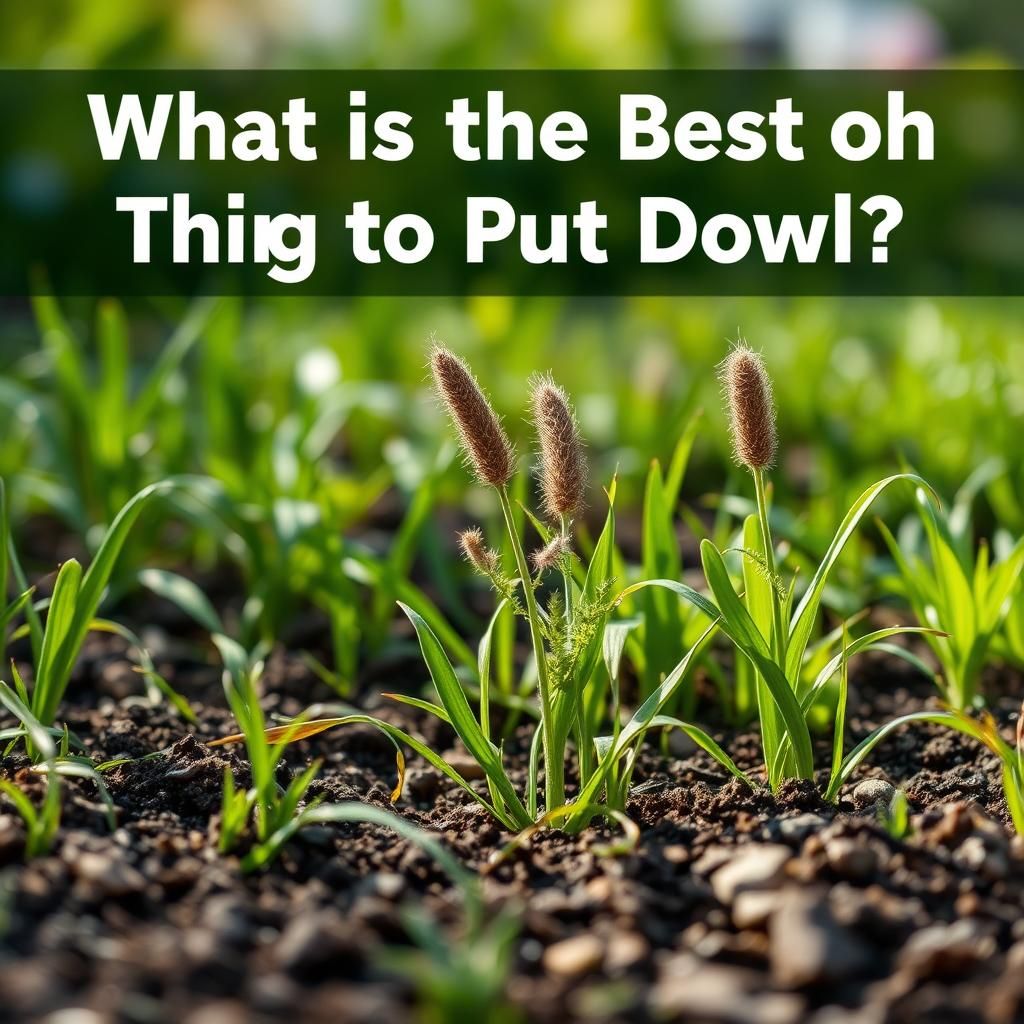
Weeds can be a gardener's worst nightmare, sprouting up and competing with desired plants for nutrients and space. To maintain a healthy and thriving garden, it's essential to implement effective weed prevention strategies. In this article, we will explore the best materials and methods to use for weed control, from organic mulches to landscape fabric. Additionally, we’ll provide expert tips on the most effective solutions tailored to different types of gardens and landscapes. Whether you’re a seasoned gardener or a beginner, these strategies will help you keep your garden weed-free and flourishing.
What is the Best Thing to Put Down to Prevent Weeds?
One of the most effective methods to prevent weeds is by using a mulch layer, which helps to suppress weed growth by blocking sunlight and retaining moisture in the soil. Organic mulches, such as wood chips, straw, or shredded leaves, not only create a protective barrier but also decompose over time, enriching the soil with nutrients. Additionally, using an appropriate thickness of mulch—usually between 2 to 4 inches—ensures that light cannot reach weed seeds, thereby hindering their growth. For those opting for inorganic options, materials such as landscape fabric or gravel can also provide effective long-term solutions against weeds while maintaining an aesthetically pleasing garden appearance.
Types of Mulch for Weed Prevention
There are two main types of mulch: organic and inorganic. Organic mulches, including wood chips, straw, and grass clippings, provide nutrients as they decompose, thereby enhancing soil quality. In contrast, inorganic mulches like landscape fabric or stones do not decompose but can effectively block light and prevent weeds. Choosing between these types depends on your garden's needs; organic mulches require replacement as they break down, while inorganic options offer a longer lifespan.
How to Apply Mulch Effectively
To apply mulch effectively, begin by clearing the area of existing weeds and debris. Next, lay down a barrier such as cardboard or landscape fabric if desired for extra protection against weeds. Then, spread the mulch evenly across the soil to a depth of about 2 to 4 inches. It's essential to keep the mulch a few inches away from the plant stems to prevent rot and ensure good air circulation. Regularly check and replenish the mulch layer as necessary to maintain its effectiveness.
The Role of Landscape Fabric
Landscape fabric is a popular choice for weed prevention as it allows water and nutrients to pass through while blocking sunlight. When installed properly, it can significantly reduce weed growth by creating a barrier against weed seeds. It's crucial to secure the fabric well and cover it with mulch for better aesthetics and moisture retention. However, it should be noted that while landscape fabric can reduce the amount of maintenance needed, it may still require periodic checks to ensure that weeds do not penetrate through the seams or edges.
Natural Alternatives to Chemical Herbicides
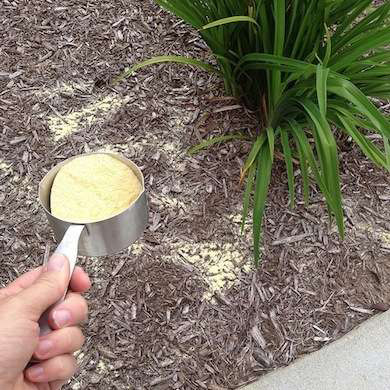
For those looking to avoid chemical herbicides, there are several natural alternatives that can effectively prevent weed growth. Options include vinegar, salt, or boiling water which can be directed onto unwanted plant growth. Corn gluten meal is another natural option, acting as a pre-emergent herbicide to stop weed seeds from germinating. These methods can be less harmful to the environment and beneficial organisms in the soil, making them an ideal choice for organic gardening practices.
Benefits of Using Mulch Beyond Weed Control
Using mulch not only aids in controlling weeds but also offers several additional benefits for gardens. It helps in retaining soil moisture, reducing the frequency of watering required. Moreover, mulch can regulate soil temperature, protecting plant roots from extreme heat or cold. As it decomposes, it enriches the soil with organic matter, promoting a healthy soil ecosystem. Additionally, mulch contributes to the aesthetic appeal of garden beds, creating a neat and polished look.
| Mulch Type | Benefits | Longevity |
|---|---|---|
| Organic Mulch | Nutrient-rich, moisture retention | 1-3 years (requires replenishing) |
| Inorganic Mulch | Durability, low maintenance | 3-10 years (very durable) |
| Landscape Fabric | Water permeability, weed barrier | Indefinite if properly maintained |
| Natural Alternatives | Environmentally friendly, safe for garden | Varies by method |
How do you permanently stop weeds from growing?
To permanently stop weeds from growing, several effective strategies can be employed. These methods focus on prevention, removal, and maintenance to ensure that weeds do not return once they have been eliminated. A combination of cultural practices, physical barriers, and chemical treatments can contribute to a weed-free environment.
Understanding Weeds
Weeds are plants that grow where they are not wanted, often competing with desirable plants for resources. Understanding the nature of weeds is crucial in managing them effectively. Here are key points to consider:
- Types of Weeds: Annual, biennial, and perennial are the three types of weeds, each requiring different control strategies.
- Growth Conditions: Weeds thrive in disturbed soil, needing light, moisture, and nutrients, which makes controlling these factors essential.
- Seed Viability: Many weeds produce thousands of seeds that can remain viable for years, complicating eradication efforts.
Implementing Mulching Techniques
Mulching is a highly effective method to suppress weed growth. A thick layer of mulch blocks light from reaching weed seeds and helps retain moisture in the soil. Important aspects of mulching include:
- Choosing the Right Mulch: Organic mulches such as wood chips, straw, or grass clippings decompose and enrich the soil, while inorganic mulches (like plastic) provide long-lasting barriers.
- Application Thickness: Applying at least 2-4 inches of mulch is necessary for maximum effectiveness in suppressing weeds.
- Regular Maintenance: Replenishing mulch as it breaks down is important to maintain its weed-suppressing properties.
Using Landscape Fabric
Landscape fabric serves as a physical barrier that prevents weed growth while allowing air and moisture to penetrate. Consider these elements when using landscape fabric:
- Installation: Proper installation over a clean, weed-free area can prevent new weed growth effectively.
- Weighting Down: Use rocks or mulch to secure the fabric and further enhance its barrier against weeds.
- Cutouts for Plants: Ensure to make strategic cutouts for desired plants to prevent overall disruption of your garden.
Regular Lawn Care Practices
A healthy lawn is less susceptible to weed invasion. Implementing consistent lawn care practices can minimize weed growth significantly. Recommendations include:
- Proper Mowing: Mow at the correct height to minimize weed seeds' access to light and reduce their growth.
- Fertilization: Regularly fertilizing your lawn can promote healthy grass growth, outcompeting weeds for nutrients.
- Watering: Deep, infrequent watering can encourage deeper grass roots while making it tougher for weeds to establish themselves.
Herbicide Application
While there are many organic methods to control weeds, herbicides can also be utilized for effective management. Key considerations include:
- Selective vs. Non-Selective: Use selective herbicides to target specific weeds without harming desirable plants.
- Timing: Apply herbicides at the right time of year for maximum effectiveness, typically in early spring or late fall.
- Follow Directions: Always follow application guidelines and safety precautions to minimize harm to the environment.
What is the best covering to prevent weeds?

The best covering to prevent weeds is primarily landscape fabric or weed barrier cloth. This material is designed to suppress weed growth while allowing water and nutrients to penetrate into the soil. When properly installed, landscape fabric can dramatically reduce the need for herbicides and physical weeding, making it a sustainable choice for gardeners and landscapers.
See also:
Benefits of Using Landscape Fabric
Using landscape fabric offers numerous benefits for weed control:
- Weed Suppression: It creates a physical barrier that prevents sunlight from reaching weed seeds.
- Water and Nutrient Permeability: Designed to allow water and nutrients to flow through, ensuring that plants receive essential resources.
- Durability: High-quality landscape fabric can last several years, reducing maintenance efforts.
Types of Landscape Fabrics
There are different types of landscape fabrics available that cater to various needs:
- Woven Fabrics: Made from interlocking strands of fabric, which offer good water and airflow but can be less effective against seed germination.
- Non-Woven Fabrics: Produced from bonded fibers, these are often more effective at weed suppression but may retain more moisture.
- Biodegradable Fabrics: Made from natural materials, these fabrics decompose over time, providing nutrients to the soil while controlling weeds temporarily.
Installation Tips for Landscape Fabric
To maximize the effectiveness of landscape fabric, follow these installation tips:
- Prepare the Soil: Clear the area of weeds and debris before laying down the fabric.
- Overlap Seams: Ensure that the edges of the fabric overlap to prevent weeds from emerging in gaps.
- Secure in Place: Use landscape staples or pins to secure the fabric to the ground, preventing movement from wind or water.
Additional Weed Control Methods
While landscape fabric is effective, combining it with other methods can enhance weed management:
- Mulching: Adding a layer of organic mulch on top of the fabric can further suppress weeds and improve aesthetics.
- Regular Monitoring: Routinely check for weed growth and address any problems before they escalate.
- Use of Native Plants: Planting native species that thrive in your area can help outcompete weeds naturally.
Alternatives to Landscape Fabric
If landscape fabric is not suitable for your needs, consider these alternatives:
- Cardboard or Newspaper: These biodegradable materials can be placed on the soil to smother weeds while decomposing over time.
- Plastic Sheeting: While effective at blocking weeds, plastic can also trap moisture and should be used with care.
- Organic Herbicides: Natural herbicides can be an option for environmentally conscious gardening, though they require careful application.
Questions from Our Readers
What is the best material to use for weed prevention?
Using a combination of mulch and landscaping fabric is often considered the best method for weed prevention. Mulch not only suppresses weed growth by blocking sunlight, but it also retains moisture in the soil, benefiting your plants. Landscaping fabric acts as a barrier that allows water and nutrients to pass through while preventing weeds from establishing roots.
Does using salt help prevent weeds?
While salt can be effective in killing existing weeds, it is not recommended as a long-term solution for weed prevention. Salt can harm the surrounding soil and plants, leading to poor soil health. Instead, using more sustainable options like organic mulch or cover crops is advisable for preventing weed growth without damaging the ecosystem.
How often should I apply mulch for effective weed control?
For optimal weed control, it is recommended to apply a fresh layer of mulch at least once a year, preferably in the spring. This helps maintain a thick barrier that suppresses weeds and keeps the soil temperature consistent. Regularly checking the depth of the mulch is essential, as it can decompose over time and may require replenishing to maintain its effectiveness.
See also:
Can I use vinegar as a natural weed killer?
Yes, vinegar can serve as a natural weed killer due to its high acidity, which can effectively kill many types of weeds. However, it’s important to apply it carefully, as it can also harm desirable plants. Using a targeted application method, such as a spray bottle, can help minimize damage to surrounding vegetation while effectively controlling weed growth.

If you want to read more articles like What is the Best Thing to Put Down to Prevent Weeds? Expert Tips and Top Solutions, we recommend you check out our Weeds category.
Leave a Reply
Related Articles