What is the Best Thing to Mix to Make Garden Soil? Tips and Best Ingredients Explained

Creating the perfect garden soil is essential for cultivating healthy plants and flourishing gardens. The right mix of ingredients not only provides vital nutrients but also improves soil structure, moisture retention, and drainage. In this article, we will explore the best components to consider when mixing your own garden soil. From organic matter like compost and peat moss to minerals and natural fertilizers, we'll break down each ingredient’s benefits and how to combine them effectively. Whether you're starting a new garden or revitalizing existing soil, these tips will guide you in achieving an ideal growing environment for your plants.
What is the best mixture for creating garden soil?
Creating the best garden soil involves mixing various organic and inorganic materials to enhance soil structure, fertility, and moisture retention. Ideal components include compost, which enriches the soil with nutrients and beneficial microorganisms; peat moss, known for its ability to retain moisture while improving aeration; perlite or vermiculite to boost drainage and aeration; and aged manure, which provides essential nitrogen and organic matter. Combining these materials in appropriate ratios can lead to a balanced, nutrient-rich soil that supports healthy plant growth.
The Role of Compost in Soil Improvement
Compost is a pivotal ingredient in soil making, as it not only adds vital nutrients but also improves soil structure, encouraging better aeration and water retention. When well-decomposed, compost contains a diverse array of nutrients and beneficial microorganisms that break down organic matter, enhancing the biological activity in the soil. This process creates a rich ecosystem that fosters plant health and promotes resilience against pests and diseases.
Importance of Peat Moss in Garden Soil
Peat moss is a valuable addition to garden soil due to its high moisture retention capabilities and ability to improve soil texture. It acts as a sponge, holding onto water and slowly releasing it to plant roots, making it particularly useful in drier climates. Additionally, peat moss enhances soil aeration, which is crucial for root health and overall plant vitality. However, it's essential to use it responsibly, considering its environmental impact.
Benefits of Using Aged Manure
Aged manure is an excellent source of organic matter and nutrients that can significantly enhance soil fertility. Unlike fresh manure, which may contain high levels of ammonia, aged manure offers a balanced nutrient profile, particularly rich in nitrogen, phosphorus, and potassium. Incorporating aged manure into garden soil improves soil structure and helps to support microbial life, which in turn aids in nutrient availability to your plants.
Utilizing Perlite and Vermiculite for Drainage
Both perlite and vermiculite are lightweight materials that are commonly added to garden soil to improve drainage and aeration. Perlite is more porous and helps soil drain excess water, preventing root rot, while vermiculite retains moisture and nutrients, providing a balanced environment for plant roots. Their inclusion in the soil mix helps create a well-aerated environment for healthier root development.
Combining Soils for Optimal Gardening Results
Combining various soil amendments is crucial for creating the ideal growing medium for plants. A good mix often includes a combination of topsoil, compost, peat moss, and drainage materials like perlite or vermiculite. This mixture allows for a balanced distribution of nutrients and moisture retention, ensuring that plants can access essential nutrients and water without the danger of over-saturation.
| Component | Benefits |
|---|---|
| Compost | Provides nutrients and enhances microbial activity |
| Peat Moss | Improves moisture retention and soil texture |
| Aged Manure | Rich in nitrogen and organic matter for fertility |
| Perlite | Enhances drainage and aeration |
| Vermiculite | Retains moisture and nutrients |
What is the best soil mixture for a garden?
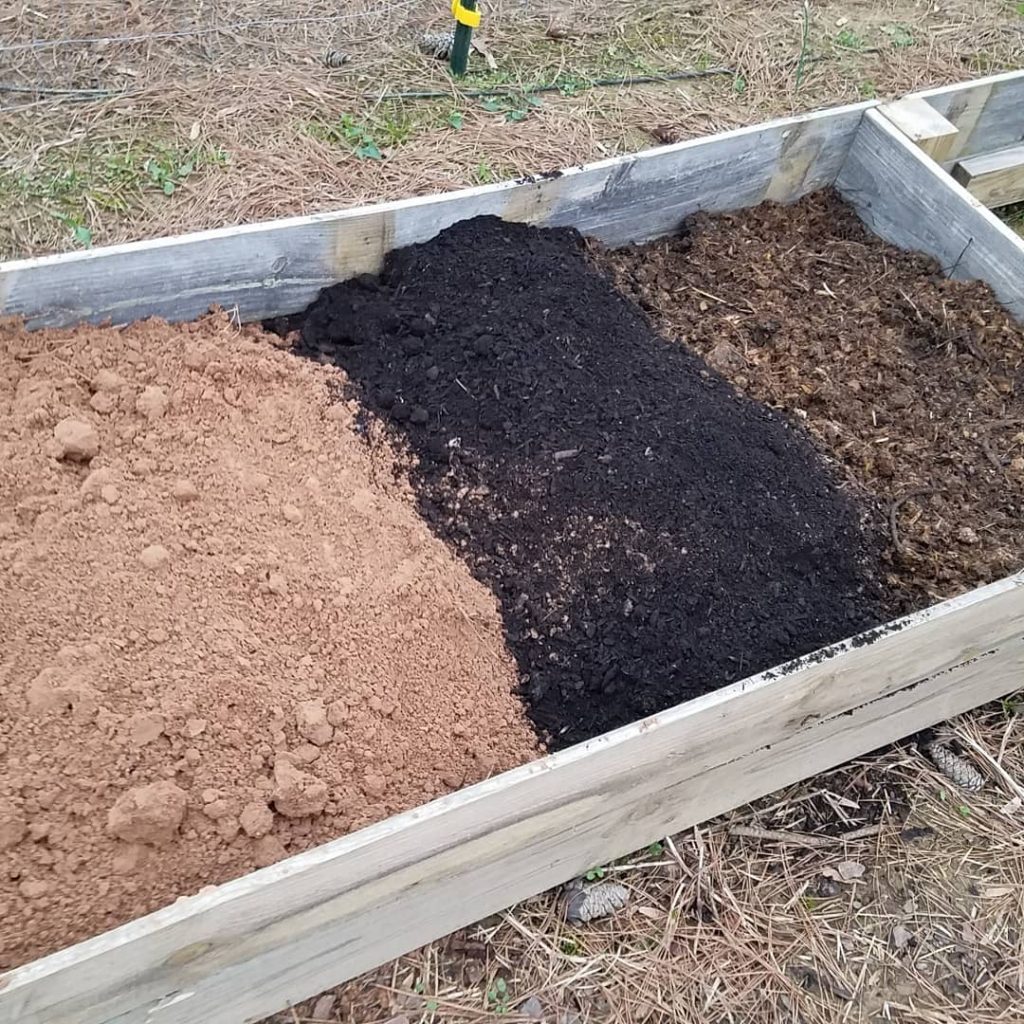
To create the best soil mixture for a garden, it is essential to understand the components that contribute to a healthy, nutrient-rich, and well-draining environment for plants. The ideal soil mixture typically includes a balance of organic matter, inorganic material, and essential nutrients. Below is a detailed exploration of each component and its importance.
Understanding Soil Composition
The best soil mixture combines several key components, including sandy, loamy, and clay soils. Each type of soil has distinct properties that affect moisture retention, drainage, and nutrient availability.
- Sandy Soil: Offers excellent drainage but can lack nutrients.
- Clay Soil: Retains moisture well but may drain poorly.
- Loamy Soil: A balanced mixture of sand, silt, and clay, ideal for most garden plants.
Importance of Organic Matter
Incorporating organic matter into your soil mixture is crucial for improving fertility and structure. Materials such as compost, well-rotted manure, and leaf mold enhance the soil's capacity to retain moisture and nutrients while promoting beneficial microbial activity.
- Compost: Provides a wide range of nutrients and helps in soil aeration.
- Manure: Enhances fertility but should be well-aged to avoid burning plants.
- Leaf Mold: Improves soil structure and water retention, especially in sandy soils.
Choosing the Right Amendments
Selecting appropriate soil amendments is crucial for creating the best garden soil. Amendments help to adjust the pH and enhance nutrient content, making it more suitable for specific plants.
- Perlite: Increases aeration and drainage, ideal for container gardens.
- Pine Bark: Aids in drainage and adds acidity, beneficial for acid-loving plants.
- Bone Meal & Blood Meal: Provide phosphorus and nitrogen, respectively, essential for plant growth.
pH Level and Nutrient Balance
Maintaining an appropriate pH level is essential for nutrient absorption by plants. Most garden plants thrive in slightly acidic to neutral pH (around 6.0 to 7.0). Soil testing can help determine necessary amendments to achieve the desired pH.
- Soil Testing: Conduct tests to measure pH and nutrient levels.
- Liming: Used to increase pH levels and reduce acidity if necessary.
- Adding Sulfur: Helps to lower pH for alkaline soils.
Creating an Ideal Mixture
The final soil mixture should be well-balanced and tailored to the specific needs of the plants you wish to grow. A recommended mix could consist of 40% topsoil, 40% organic matter, and 20% amendments.
See also:
- Topsoil: Forms the base of your mixture.
- Organic Matter: Enhances nutrient and water retention.
- Amendments: Adjust the physical properties and nutritional balance.
How do I make my own garden soil mix?
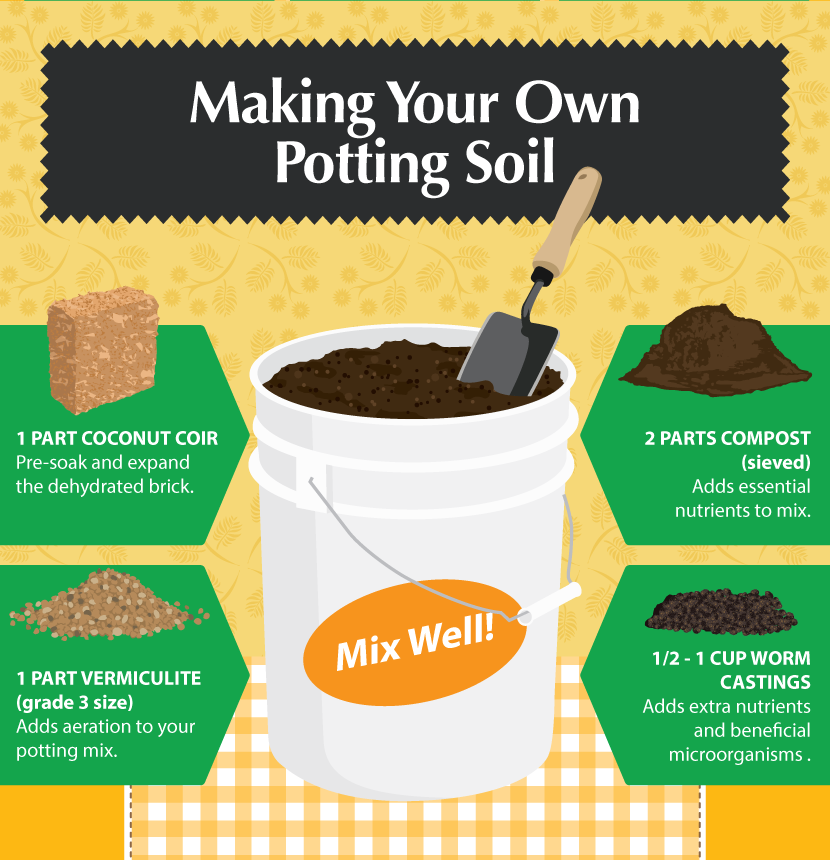
To create your own garden soil mix, you'll need to understand the essential components that contribute to a healthy growing environment for your plants. A well-balanced soil mix typically combines different types of materials to provide nutrients, enhance drainage, and retain moisture. Here’s a detailed guide on how to formulate your own garden soil mix.
Understanding Soil Components
The first step in creating a garden soil mix is to understand the primary components. A typical soil mix consists of:
- Topsoil: This is the uppermost layer of soil that contains organic material and nutrients.
- Compost: Decomposed organic matter that enriches the soil with nutrients and helps improve its structure.
- Peat Moss: A natural material that retains moisture while allowing for airflow in the soil mix.
- Perlite or Vermiculite: These materials improve drainage and aeration.
Gathering Your Materials
To prepare your soil mix, you'll need to gather high-quality materials. Here’s what to consider:
- Local Sources: Check for local garden centers or farms that sell compost and organic materials.
- DIY Compost: Create your own compost at home using kitchen scraps and yard waste.
- Peat Alternatives: If you’d prefer a sustainable option, consider using coconut coir instead of peat moss.
- Perlite & Vermiculite: Available at most garden supply stores, ensuring you select the right bulk amounts.
Mixing Ratios
Determining the right ratios for your garden mix is crucial for plant health. Here’s a general guideline:
- Vegetable Garden: Use a mix of 40% topsoil, 40% compost, 20% peat moss or coconut coir.
- Flower Garden: A blend of 50% topsoil, 30% compost, 20% perlite can enhance drainage for flowering plants.
- Container Plants: For container gardening, a mixture of 30% potting soil, 30% compost, and 40% perlite helps retain moisture and provides good drainage.
- Limited Space Gardens: You can also customize based on your plants’ specific needs to ensure they thrive.
Mixing the Soil
Once you have gathered your materials and ratios, the next step is mixing them effectively. Consider these tips:
- Use a Wheelbarrow or Tarp: It’s easier to mix large quantities of soil using these tools.
- Layering: For smaller batches, mix the materials in layers; combine them thoroughly to ensure even distribution.
- Moistening the Mix: Add some water to the mix to achieve a damp but not soggy consistency.
- Quality Control: Check for unwanted substances like rocks or large clumps that may affect drainage.
Storing and Using Your Soil Mix
Proper storage and application of your soil mix can affect its effectiveness. Here are key points:
- Storage: Keep your soil mix in a dry, cool location in sealed bags or containers to prevent mold.
- Application: Use the mix in your garden beds or containers, ensuring that it's applied at the right depth for your plants.
- Testing pH: Before planting, consider testing the soil pH to understand if amendments are necessary.
- Regular Refresh: Periodically refresh your soil mix with new compost to maintain its nutrient levels.
What ingredients make good garden soil?
To create healthy and fertile garden soil, several essential ingredients are needed to ensure optimal growth for plants. The combination of these elements contributes to not only the nutrient content of the soil but also its structure, drainage, and overall fertility. Here are the key ingredients that make good garden soil:
1. Organic Matter: Organic matter is crucial for enhancing the soil's nutrient content and structure. It includes decomposed leaves, grass clippings, compost, and animal manure. Organic matter improves soil aeration, moisture retention, and supports beneficial soil organisms.
2. Mineral Components: Good garden soil consists of a mixture of sand, silt, and clay. Each component plays a vital role in determining the soil's texture and drainage capabilities. The ideal balance is often referred to as loamy soil.
3. Soil Microorganisms: Microorganisms such as bacteria, fungi, and earthworms are essential for breaking down organic materials and converting nutrients into forms that plants can absorb. A healthy population of these organisms contributes significantly to soil fertility.
4. pH Level: The pH level of soil can influence nutrient availability for plants. Most garden plants thrive in slightly acidic to neutral soil (pH 6.0 to 7.0). Management of soil pH can be achieved by adding lime to raise pH or sulfur to lower it, depending on the specific needs of the plants being grown.
5. Mineral Nutrients: Essential nutrients such as nitrogen (N), phosphorus (P), and potassium (K) are vital for plant growth. These macronutrients should be present in balanced amounts. Other micronutrients, like iron, manganese, and zinc, also play critical roles and should be monitored.
See also:
Organic Matter
Organic matter is a key ingredient for enriching garden soil. It not only provides essential nutrients but also aids in moisture retention and improves soil aeration. By incorporating materials such as compost or well-rotted manure, gardeners can enhance soil health.
- Increases nutrient holding capacity.
- Improves soil structure and texture.
- Encourages beneficial microbial activity.
Mineral Components
The mineral components of soil, which include sand, silt, and clay, determine its texture and drainage. A balanced mixture of these components leads to good soil structure, allowing for proper water movement and root growth.
- Sand improves drainage and aeration.
- Silt retains moisture and nutrients.
- Clay provides stability but can compact and restrict drainage.
Soil Microorganisms
Soil microorganisms, like bacteria and fungi, play an essential role in nutrient cycling and organic matter decomposition. Their activity enhances soil fertility and structure, creating a healthy environment for plants to thrive.
- Break down organic materials into nutrients.
- Form symbiotic relationships with plant roots.
- Enhance soil structure through aggregation.
pH Level
The pH level of garden soil significantly impacts nutrient availability. Maintaining a suitable pH is important for optimal plant health. Regular soil testing can help determine the need for pH adjustments to meet plant requirements.
- Most plants prefer slightly acidic to neutral pH (6.0 - 7.0).
- Soil amendments can adjust pH levels accordingly.
- pH affects microbial activity and nutrient solubility.
Mineral Nutrients
Mineral nutrients are essential for plant growth and development. Nitrogen, phosphorus, and potassium are the primary macronutrients needed by plants, while micronutrients, although needed in smaller amounts, are equally important for various physiological functions.
- Nitrogen promotes leafy green growth.
- Phosphorus supports root development and flower production.
- Potassium enhances overall plant health and disease resistance.
What is the best thing to add to garden soil?

The best thing to add to garden soil largely depends on the specific needs of your plants and the characteristics of your existing soil. However, one of the most universally beneficial amendments is compost. Compost enriches the soil with essential nutrients, improves soil structure, enhances moisture retention, and boosts microbial activity, which is vital for plant health.
Benefits of Compost in Garden Soil
Compost has numerous benefits that help in creating a vibrant and healthy garden ecosystem. By incorporating compost into your soil, you can expect the following:
- Nutrient Supply: Compost provides essential nutrients such as nitrogen, phosphorus, and potassium, which are crucial for plant growth.
- Soil Structure Improvement: It helps in enhancing soil aeration and drainage, reducing compaction, and promoting root development.
- Moisture Retention: Compost improves the soil's ability to retain moisture, which reduces the need for frequent watering.
Types of Organic Matter to Add
In addition to compost, various types of organic matter can be added to enhance soil fertility. Some effective options include:
- Animal Manure: Well-aged manure from livestock can improve nitrogen levels and add beneficial microbes.
- Leaf Mold: Decomposed leaves improve soil structure and moisture retention, making it an excellent additive.
- Green Manures: Cover crops, such as clover or vetch, can be grown and tilled back into the soil to increase organic matter and nutrient content.
Importance of Soil Testing
Before adding amendments, conducting a soil test is crucial to determine the nutrient profile and pH level of your soil. This analysis can guide you in selecting the most appropriate amendments based on the following:
- Nutrient Deficiency: Identify specific nutrients that may be lacking in your soil.
- pH Levels: Understanding the soil pH aids in determining the types of plants that can thrive.
- Soil Texture: Information about soil texture informs you how well the soil drains and retains moisture.
Using Mulch as an Amendment
Applying mulch to your garden can also significantly benefit soil health. Some key advantages of using mulch include:
- Weed Suppression: A thick layer of mulch prevents sunlight from reaching weed seeds.
- Soil Temperature Regulation: Mulch helps to maintain consistent soil temperatures, protecting plant roots from extreme heat or cold.
- Gradual Nutrient Release: Organic mulches, such as wood chips or straw, decompose over time and enrich the soil with nutrients.
Incorporating Biochar into Garden Soil
Another beneficial addition to garden soil is biochar, which can enhance soil fertility and structure. Consider the following aspects:
- Increased Nutrient Retention: Biochar improves the soil's ability to hold nutrients, making them available to plants.
- Improved Soil Aeration: Its porous structure enhances drainage and airflow in the soil, promoting healthy root systems.
- Carbon Sequestration: Biochar contributes to long-term carbon storage in the soil, benefiting the environment.
Questions from Our Readers
What are the essential components for mixing garden soil?
To create a healthy garden soil, you should mix topsoil, compost, and organic matter. Topsoil provides the base, while compost enriches it with nutrients and improves its structure. Adding organic matter like decomposed leaves or wood chips helps enhance soil aeration and drainage.
How much compost should I add to my garden soil mixture?
A general guideline is to mix one part compost to three parts topsoil. This ratio allows for a nutrient-rich amendment without overwhelming the existing topsoil. Balancing the mixture ensures that the soil has the necessary fertility while maintaining good texture for plant growth.
See also:
Can I use sand in my garden soil mix?
Yes, adding sand can improve the drainage of heavy clay soils. However, it’s important to add it in moderation—typically, a ratio of one part sand to two parts topsoil is effective. Excessive sand can lead to a gritty texture and inhibit the soil's ability to retain moisture.
Is it beneficial to include fertilizers when mixing garden soil?
While incorporating fertilizers in the soil can be beneficial for immediate nutrient availability, it's advisable to rely on organic fertilizers or slow-release fertilizers to support long-term soil health. Avoid using chemical fertilizers in excess, as they can degrade soil quality over time.

If you want to read more articles like What is the Best Thing to Mix to Make Garden Soil? Tips and Best Ingredients Explained, we recommend you check out our Soil category.
Leave a Reply
Related Articles