Discover What is the Best Thing to Fertilize Plants With? Expert Tips and Insights

When it comes to nurturing healthy, vibrant plants, choosing the right fertilizer is crucial. With countless products and natural options available, gardeners often find themselves overwhelmed by the choices. Understanding what to use, and when, can dramatically affect plant growth, yield, and resilience against pests and diseases. This article delves into expert tips and insights to help you uncover the best fertilizers suited for your plants. Whether you’re a novice gardener or an experienced horticulturist, you'll find valuable knowledge that can transform your gardening experience and lead to flourishing plants. Let’s explore the secrets of effective fertilization.
What is the Best Thing to Fertilize Plants With?
Fertilizing plants effectively requires an understanding of their specific nutrient needs and growth stages; generally, the best thing to fertilize plants with is a balanced, organic fertilizer that includes essential nutrients such as nitrogen, phosphorus, and potassium (often referred to as N-P-K). Organic options like compost, well-rotted manure, or worm castings not only provide these valuable nutrients but also improve soil structure and promote microbial life, which is crucial for plant health. For quick results, many gardeners find that a high-quality commercial fertilizer with a balanced ratio of N-P-K is also effective, especially during the active growing season.
Types of Fertilizers
There are two primary types of fertilizers: organic and synthetic. Organic fertilizers, such as composted materials or bone meal, improve soil health and provide slow-release nutrients, while synthetic fertilizers are chemically formulated and deliver nutrients quickly. When choosing between these, many gardeners prefer organic options for their environmental benefits and ability to support long-term soil fertility.
Nutrient Ratios
Understanding N-P-K ratios is essential when selecting fertilizer. The three numbers on a fertilizer label indicate the percentage of nitrogen (N), phosphorus (P), and potassium (K) it contains. For instance, a fertilizer with a ratio of 10-10-10 is a balanced option, providing equal parts of each nutrient. Different plants may require specific ratios; for example, leafy greens often benefit from higher nitrogen levels, while flowering plants may need more phosphorus.
Application Methods
Fertilizer can be applied in several ways, including broadcasting, side-dressing, and foliar feeding. Broadcasting involves spreading fertilizer evenly over the soil surface, typically before planting. Side-dressing is the application of fertilizer alongside growing plants, providing a nutrient boost during their growth cycle. Foliar feeding, where a diluted fertilizer solution is sprayed directly onto the leaves, allows for rapid nutrient absorption and can be particularly effective in addressing deficiencies.
Frequency of Application
The frequency of fertilization largely depends on plant type and growth conditions. Fast-growing plants may require more frequent applications, while slow-growing varieties might need less. Generally, during the active growing season, applying fertilizer every 4 to 6 weeks is common, but it's important to monitor plant responses and adjust accordingly.
Environmental Considerations
When selecting fertilizers, it’s important to consider their environmental impact. Over-fertilization can lead to nutrient runoff, causing water pollution and harming aquatic ecosystems. Choosing slow-release, organic fertilizers can mitigate these risks and contribute to sustainable gardening practices, helping to protect both the soil and water sources.
| Fertilizer Type | Benefits | Usage |
|---|---|---|
| Organic | Improves soil health, slow nutrient release | Best for long-term fertility |
| Synthetic | Quick nutrient absorption | Effective for immediate plant needs |
What is the most effective fertilizer for plants?
:strip_icc()/Fertilizing-plants-0440837aeee64749832645ba62572f95.jpg)
The effectiveness of a fertilizer can depend on various factors, including the type of plants being grown, the soil quality, and the specific nutrients that the plants require. However, organic fertilizers and synthetic fertilizers are commonly recognized as effective options.
Organic fertilizers, derived from natural sources, improve soil health and provide plants with essential nutrients. They release nutrients slowly, promoting sustainable growth over time. On the other hand, synthetic fertilizers deliver nutrients quickly and are often more concentrated, providing immediate results. The best choice can be a blend of both types, tailored to the plants' needs and the growing conditions.
Types of Fertilizers
The main types of fertilizers include:
See also:
- Organic Fertilizers: Made from natural materials such as compost, manure, and bone meal.
- Synthetic Fertilizers: Chemically manufactured, offering concentrated nutrients in a quick-release form.
- Slow-release Fertilizers: Provide nutrients over an extended period, usually coated granules that dissolve gradually.
Nutrient Composition
Fertilizers typically contain three primary nutrients:
- Nitrogen (N): Essential for leaf and stem growth, promoting lush foliage.
- Phosphorus (P): Important for root development and flowering.
- Potassium (K): Supports overall plant health and enhances resistance to diseases.
Application Methods
The method of applying fertilizers can greatly influence their effectiveness:
- Top-dressing: Sprinkling fertilizer on the soil surface for gradual absorption.
- Liquid Fertilization: Mixing fertilizer with water for immediate uptake by plants.
- Soil Incorporation: Mixing fertilizer into the soil before planting to improve nutrient availability.
Environmental Considerations
Different fertilizers have varying impacts on the environment:
- Runoff Risk: Synthetic fertilizers may lead to runoff, causing water pollution.
- Soil Health: Organic fertilizers improve soil structure and biodiversity over time.
- Sustainability: Organic options are often more sustainable, promoting ecological balance.
Choosing the Right Fertilizer
Selecting the appropriate fertilizer involves:
- Soil Testing: Analyzing soil composition to know which nutrients are deficient.
- Plant Needs: Assessing the specific nutrient requirements of the plants being grown.
- Growth Stage: Adjusting fertilizer type and amount based on the plant's growth phase.
What should I fertilize my plants with?
To effectively fertilize your plants, it's essential to understand their specific nutrient needs, growth stage, and the type of soil they are in. There are various types of fertilizers available, and the right choice can make a significant difference in the health and productivity of your plants. Here are some factors to consider:
Types of Fertilizers
Fertilizers can be broadly categorized into two types: synthetic and organic. Each type has its benefits and drawbacks, depending on what you are growing and the environment.
- Synthetic Fertilizers: These are chemically manufactured and typically offer quick results. They contain specific ratios of nitrogen (N), phosphorus (P), and potassium (K).
- Organic Fertilizers: These are derived from natural sources such as manure, compost, or plant materials. They often improve soil structure in addition to providing nutrients.
- Hybrid Fertilizers: Some products combine both synthetic and organic elements, providing the benefits of both types.
Understanding Nutrient Needs
Different plants have varying nutritional requirements. Understanding what your plants need can help you choose the right fertilizer and application method.
- Macro-nutrients: Most plants require three primary nutrients: nitrogen for leaf growth, phosphorus for root development, and potassium for overall plant health.
- Micro-nutrients: Elements like iron, manganese, and zinc are necessary in smaller amounts but are crucial for plant functions.
- Soil Testing: Conducting a soil test can provide valuable information about existing nutrient levels and pH, aiding in the selection of appropriate fertilizers.
Application Methods
How you apply fertilizer can significantly affect its effectiveness. There are several application methods to consider:
- Broadcasting: Spreading fertilizer evenly over the soil surface is effective for larger areas, but some nutrients may wash away if not properly watered in.
- Incorporating: Mixing the fertilizer into the soil helps ensure that nutrients are easily accessible for plant roots.
- Foliar Feeding: Spraying a diluted fertilizer solution directly onto the leaves can provide rapid nutrient absorption.
Timing of Fertilization
When you apply fertilizer can be just as important as the type you use. Timing can differ based on plant species and growth stage.
- During Planting: Introducing fertilizer at the time of planting can give young plants a boost.
- Growing Season: Regular feedings during the active growth phase usually yield the best results, particularly for flowering or fruiting plants.
- Pre-Harvest: Reduce or stop fertilization before harvest to ensure fruits and vegetables have the right taste and quality.
Environmental Considerations
Finally, it's vital to consider the environmental impact of your fertilizer choices. This ensures not only healthy plants but a healthy ecosystem as well.
See also:
- Runoff Issues: Excess fertilizers can lead to water pollution. Be mindful of how much you use and its potential impact on local waterways.
- Soil Health: Choose fertilizers that enhance long-term soil vitality and microbial health instead of degrading it.
- Sustainable Options: Consider incorporating practices such as composting or using cover crops to minimize reliance on chemical fertilizers.
What is the king of fertilizer?
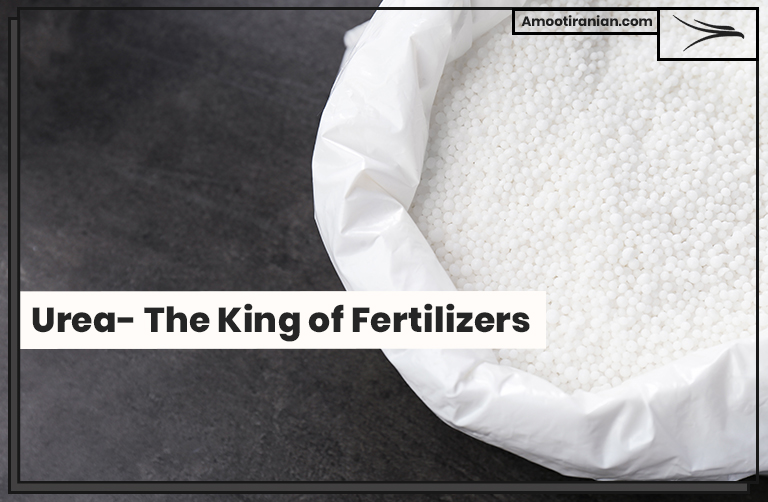
The term king of fertilizers typically refers to urea, a highly effective nitrogenous fertilizer widely used in agriculture. Urea represents one of the most concentrated sources of nitrogen, containing approximately 46% nitrogen by weight. This high nitrogen content is crucial for the growth and development of plants, as nitrogen is a vital nutrient that promotes vigorous growth, leaf development, and overall plant health.
1. What Makes Urea the King of Fertilizers?
Urea's dominance in the fertilizer market can be attributed to several factors:
- High Nitrogen Content: With its 46% nitrogen concentration, urea provides an effective way to deliver nitrogen to crops.
- Cost-Effectiveness: It is less expensive compared to other nitrogen fertilizers, making it more accessible to farmers.
- Versatility: Urea can be used in various forms, such as solid granules or liquid solutions, allowing for flexible application methods.
2. How Urea Works in Soil
When urea is applied to the soil, it undergoes a biochemical process that converts it into ammonia and then into nitrate, which plants can absorb:
- Hydrolysis: Urea reacts with water in the soil to form ammonia.
- Nitrification: Soil bacteria convert ammonia into nitrite and then into nitrate.
- Plant Uptake: Nitrates are readily absorbed by plant roots, providing essential nitrogen for growth.
3. Advantages of Using Urea
There are several advantages to using urea as a fertilizer in agriculture:
- Enhanced Growth: Urea promotes rapid growth and healthy foliage in plants.
- Flexibility in Application: Urea can be applied before planting, during growth, or even as a top dressing.
- Compatibility: Urea can be mixed with other fertilizers, enhancing nutrient delivery.
4. Environmental Considerations of Urea Use
While urea is beneficial for crops, its use also raises environmental concerns:
- Ammonia Volatilization: Urea can release ammonia into the atmosphere, leading to air pollution.
- Water Contamination: Excess nitrogen from urea can leach into water bodies, contributing to eutrophication.
- Soil Health: Over-reliance on urea can lead to soil acidification and nutrient imbalances.
5. Best Practices for Urea Application
To maximize the benefits of urea while minimizing its downsides, farmers can follow these best practices:
- Proper Timing: Apply urea when plants can utilize nitrogen effectively, such as during active growth stages.
- Soil Incorporation: Incorporating urea into the soil can reduce ammonia volatilization losses.
- Regular Soil Testing: Conduct soil tests to determine nitrogen needs and avoid over-application.
Questions from Our Readers
What is the best organic fertilizer for plants?
The best organic fertilizer for plants often depends on the type of plants you are growing, but compost is generally considered one of the best options. It enriches the soil with nutrients, improves soil structure, and supports beneficial microorganisms.
Can I use chemical fertilizers on all types of plants?
While chemical fertilizers can be effective, they are not suitable for all plants. Some plants may be sensitive to salts and chemicals found in synthetic fertilizers, leading to burning of the roots. It's essential to know the specific requirements of your plants before applying them.
How often should I fertilize my plants?
The frequency of fertilization varies based on the type of plants and their growth stages, but a general rule is to fertilize indoor plants every 4-6 weeks during the growing season. Be sure to follow specific guidelines for your plant type to avoid over-fertilization, which can harm them.
What are the signs that my plants need fertilization?
Signs that your plants may need fertilization include yellowing leaves, stunted growth, and poor flowering or fruiting. If you notice these symptoms, it could indicate nutrient deficiencies, and applying the right fertilizer can help restore their health.
See also:

If you want to read more articles like Discover What is the Best Thing to Fertilize Plants With? Expert Tips and Insights, we recommend you check out our Fertiliser category.
Leave a Reply
Related Articles