What is the Best Technique for Trimming Hedges? Expert Tips and Tools Explained
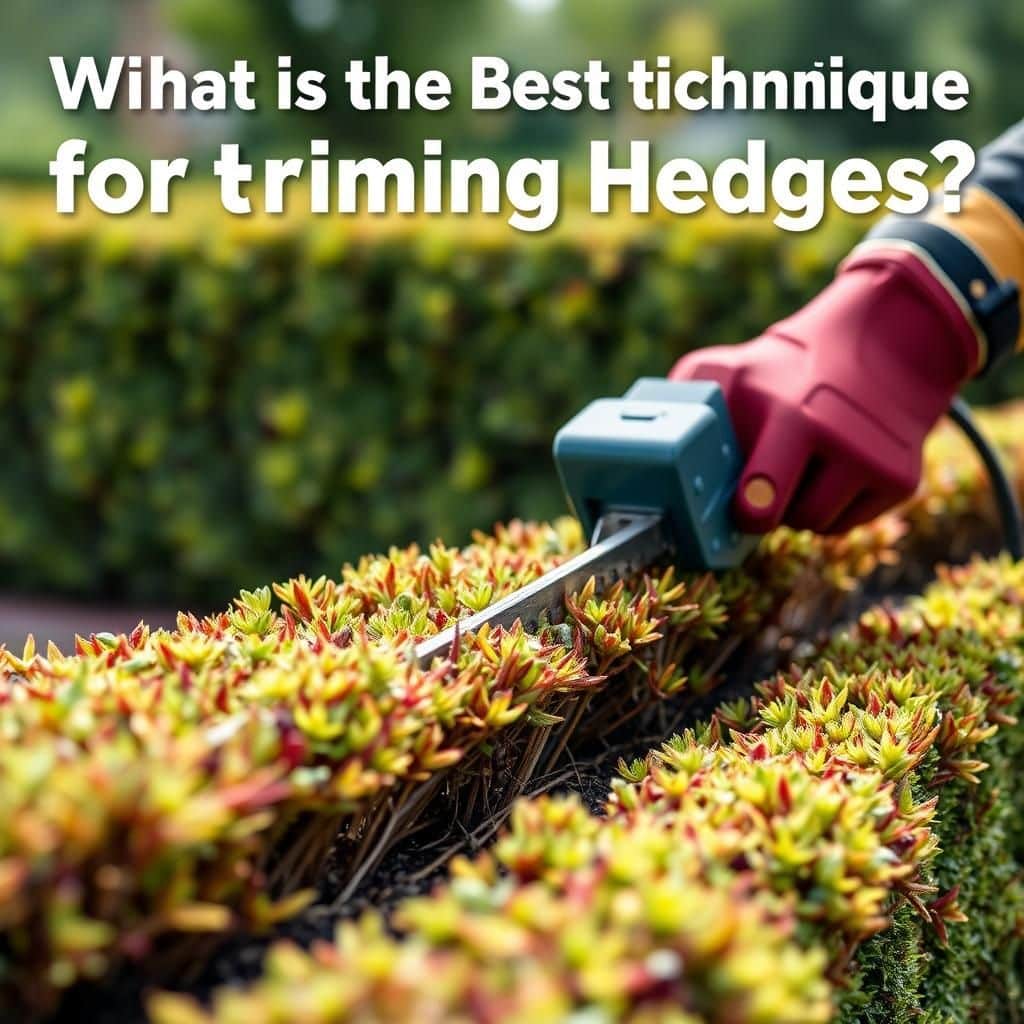
Trimming hedges is an essential task for maintaining a beautiful and healthy garden. Proper hedge care not only enhances the aesthetic appeal of your outdoor space but also promotes the growth of plants and helps establish boundaries. With various techniques available, understanding the best approach can make a significant difference in the quality of your results. In this article, we will explore expert tips and essential tools for trimming hedges effectively, ensuring your efforts lead to a well-manicured and thriving landscape. Get ready to elevate your gardening skills by learning the most effective methods for hedge trimming.
What is the Best Technique for Trimming Hedges?
Trimming hedges effectively requires a combination of the right tools, techniques, and timing. The best technique starts with selecting the appropriate tool based on the size and type of hedge, such as shears for smaller hedges or hedge trimmers for larger ones. It's vital to identify the right time to trim, typically during the late spring or early summer when the hedge is actively growing. Keeping the top of the hedge narrower than the base promotes sunlight penetration and healthy growth. Always trim the outer edges first to create a clean outline and maintain the hedge's shape, ensuring to step back frequently to assess the shape and symmetry as you work.
Choosing the Right Tools
Selecting the right tools for trimming hedges is essential for achieving clean cuts and minimizing damage. Common tools include manual shears, electric trimmers, and pruners. Manual shears are great for small hedges or detail work, while electric trimmers can handle larger areas more efficiently. It's also important to ensure that tools are sharp and well-maintained to provide clean cuts, as this promotes better healing for the plants and prevents disease.
Timing Your Trimming
Timing is crucial when it comes to trimming hedges. The ideal time varies by plant species but generally occurs during late spring or early summer when plants are actively growing. Avoid trimming in late fall or winter since it can expose new growth to winter damage. Additionally, trimming during blooming seasons can remove flower buds, which is detrimental to flowering hedges. Understanding the specific growth habits of your hedges will help determine the optimal trimming periods.
Techniques for Shaping
Proper shaping techniques are necessary to maintain an attractive appearance and healthy growth in hedges. When trimming, it helps to use a slight angle to create a tapering shape, with the top being narrower than the base. This angle allows for better light penetration to the lower parts of the hedge, promoting uniform growth. Moreover, standing back frequently to assess the shape while trimming helps ensure symmetry and evenness, resulting in a more professional-looking hedge.
See also:
Safety Precautions
When trimming hedges, safety should always come first. Wearing protective gear such as gloves, goggles, and a long-sleeved shirt is advisable to shield against cuts or scrapes. If using electric trimmers, ensure they are properly grounded and avoid trimming wet hedges to prevent electrical hazards. Additionally, it’s important to work carefully on ladders or other heights while trimming taller hedges to reduce the risk of falls.
Maintaining Hedge Health
In addition to achieving the desired shape, it is essential to consider the overall health of the hedge during trimming. Proper trimming techniques encourage healthy growth and prevent overcrowding, which can lead to disease. Removing dead, diseased, or crossing branches during the trimming process helps improve air circulation and light exposure within the hedge. Always ensure that cuts are made at an angle to promote quick healing for the plants.
| Aspect | Details |
|---|---|
| Tools | Shears, hedge trimmers, pruners |
| Best Time | Late spring or early summer |
| Shaping Technique | Narrow top, tapered edges |
| Safety Gear | Gloves, goggles, protective clothing |
| Health Practices | Remove dead branches, ensure air circulation |
Essential Tools for Effective Hedge Trimming
Choosing the right tools is crucial for achieving professional-looking results when trimming hedges. A combination of manual and powered tools can enhance precision and reduce the effort required. For smaller hedges, hedge shears or manual clippers might suffice, offering more control for intricate cuts. For larger scale jobs, electric or gas-powered hedge trimmers can save time and provide a uniform cut. Additionally, safety gear such as gloves, goggles, and ear protection cannot be overlooked to ensure a safe trimming experience. Selecting quality tools suited to the hedge type will ultimately lead to better results and a healthier plant.
Understanding Hedge Types
Different hedge types require distinct trimming techniques to maintain their health and aesthetics. For instance, deciduous shrubs benefit from pruning during their dormant season, while evergreen hedges may need trim throughout the year. Knowing whether your hedge is a flowering variety or primarily foliage supports decisions about when and how to cut. Each plant's unique growth habits should guide your approach, ensuring you retain their natural shape while promoting vitality.
The Importance of Timing
Timing is a critical factor in successful hedge trimming. Performing cuts during the appropriate season can significantly impact growth and flowering patterns. Generally, late spring is ideal for most foliage plants, while early spring or late winter is best for deciduous ones. This allows new growth to emerge and prevents shock to the plants. Additionally, trimming after flowering can help manage size while ensuring abundant blooms for the following season.
See also:
Techniques for Precision Trimming
Utilizing effective trimming techniques can lead to well-shaped and healthy hedges. Start by maintaining a consistent height and angle, utilizing a level to ensure uniformity. Employing the sawing motion with hedge trimmers can help create a smooth finish. For detail work, handheld shears allow for more precision on intricate shapes. Remember to step back periodically to assess your progress, as perspective is key to avoiding over-trimming and achieving a balanced look.
Post-Trimming Care
Post-trimming care is vital for the health of your hedges. After cutting, it's beneficial to remove any dead or diseased wood, which can hinder the growth of new shoots. Applying a balanced fertilizer can support recovery and promote healthy growth after trimming. Additionally, ensure that the hedges receive adequate water during their recovery phase, particularly in dry periods. This attention to care fosters a robust plant that will thrive in the long term.
Common Mistakes to Avoid
Avoiding common mistakes during hedge trimming can save time and help maintain the health of the plants. One significant error is cutting too much at once, which can stress the hedge and affect new growth. It's also essential to avoid trimming during hot, dry weather, as this can lead to further stress. Lastly, ignoring the natural shape of the hedge can result in an unnatural appearance and reduce the plant's overall vitality. Being mindful of these pitfalls will ensure a successful trimming process.
Questions from Our Readers
What is the best time of year to trim hedges?
The best time of year to trim hedges generally depends on the specific type of hedge, but most experts recommend trimming during late winter or early spring before new growth begins. This timing allows you to shape the hedge while ensuring that the plant has sufficient time to recover and flourish throughout the growing season.
What tools are recommended for trimming hedges?
When trimming hedges, it's important to use the right tools to ensure clean cuts and minimize damage to the plants. Common tools include hedge trimmers, pruning shears, and loppers, which can help you achieve a neat shape and promote healthy growth.
See also:
How do you determine the right height for trimming hedges?
Determining the right height for trimming hedges involves considering both the specific type of hedge and its purpose in your landscape. Generally, you want to maintain a height that complements the surrounding features and allows for proper light and air circulation, ensuring that the hedge remains healthy and attractive.
Should you use fertilizers after trimming hedges?

If you want to read more articles like What is the Best Technique for Trimming Hedges? Expert Tips and Tools Explained, we recommend you check out our Hedges category.
Leave a Reply
Related Articles