What is the Best Sheeting for a Greenhouse? Ultimate Guide to Choosing the Right Material
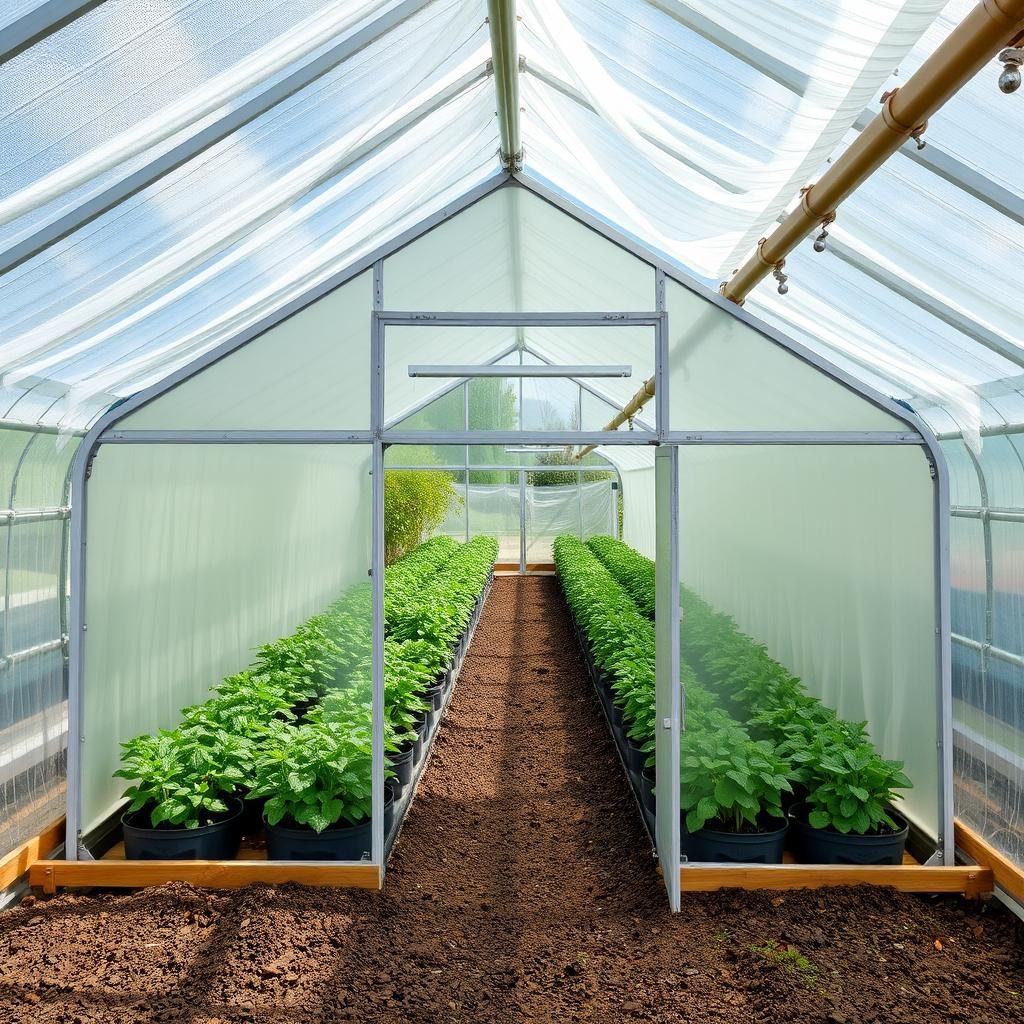
When it comes to creating the perfect environment for your greenhouse, choosing the right sheeting material is essential. The sheeting not only influences light transmission and insulation but also impacts durability and maintenance requirements. With a wide array of options available, from traditional glass to modern polycarbonate and polyethylene films, selecting the best sheeting can be overwhelming. This ultimate guide aims to simplify the decision-making process by examining the pros and cons of each material, offering insights on longevity, cost-effectiveness, and suitability for various climates. Discover how to make an informed choice that will optimize your greenhouse's performance and sustainability.
What is the Best Sheeting for a Greenhouse?
When selecting the best sheeting for a greenhouse, factors such as insulation, light transmission, and durability are crucial. Common materials used include polycarbonate, polyethylene, and glass. Polycarbonate sheets are known for their excellent insulation properties, making them ideal for maintaining stable temperatures, while polyethylene is a more budget-friendly option that provides good light diffusion and UV protection. Glass, on the other hand, offers superior durability and clarity but is heavier and more expensive. Ultimately, the best choice will depend on the specific needs of the greenhouse, budget considerations, and local climate conditions.
Polycarbonate Sheeting
Polycarbonate sheeting is an excellent option for greenhouses due to its high impact resistance and thermal insulation properties. This material is available in two forms: single-wall, which is lighter and less expensive, and multi-wall, which provides enhanced insulation by creating air pockets that help regulate temperature. Polycarbonate allows for high levels of light transmission, essential for plant growth, while also providing UV protection to prevent discoloration and damage to plants.
Polyethylene Sheeting
Polyethylene sheeting is a popular choice among greenhouse growers because of its affordability and ease of installation. This material is lightweight and offers good light diffusion, which helps to distribute sunlight evenly throughout the greenhouse. Additionally, polyethylene sheeting provides UV protection, prolonging the life of the plastic, and can be easily replaced when it becomes worn out or damaged. However, it typically lasts around 4-6 years before needing replacement.
Glass Sheeting
Glass sheeting remains one of the most traditional options for greenhouses, renowned for its durability and high light transmission. Glass allows for an unobstructed view and excellent light penetration, making it ideal for a wide variety of plants. While it offers superior longevity compared to plastic options, glass is also heavier and more expensive, requiring a more robust support structure. Additionally, single-pane glass is less energy-efficient compared to double or triple-glazed options.
See also:
Comparative Advantages of Materials
The choice of sheeting material has significant implications for greenhouse performance. Here’s a comparative overview:
| Material | Light Transmission | Insulation | Durability | Cost |
|---|---|---|---|---|
| Polycarbonate | High | Excellent | Very Good | Moderate |
| Polyethylene | Good | Fair | Moderate | Low |
| Glass | Very High | Good (double/triple glazed) | Excellent | High |
Other Material Options
Besides the common materials listed, there are other options like shade cloth and reflective films that can also benefit a greenhouse. Shade cloth can be used alongside other materials to control temperature and light levels, especially in hot climates. Reflective films help to redirect sunlight and improve energy efficiency, further assisting in maintaining ideal growing conditions. Each of these options may fulfill specific needs depending on the goals and environment of the greenhouse.
Key Factors to Consider When Selecting Greenhouse Sheeting
When choosing the best sheeting for your greenhouse, it is essential to consider various factors that can significantly impact plant growth and energy efficiency. These include light transmission, which ensures that your plants receive the right amount of sunlight; insulation properties, which help maintain a stable temperature inside the greenhouse; and durability, which affects how long the material will last against environmental stressors such as wind, UV exposure, and extreme temperatures. Additionally, the cost of the sheeting material and its overall impact on the environment should also be evaluated. Understanding these factors will guide you in making an informed decision that meets your greenhouse's specific needs.
Types of Greenhouse Sheeting Materials
There are several types of greenhouse sheeting materials available, including polyethylene, polycarbonate, and glass. Polyethylene is one of the most popular choices due to its affordability and effectiveness in light transmission, making it suitable for a wide range of plants. Polycarbonate offers excellent insulation and UV protection, which makes it a more durable option for harsher climates. Glass, although the most traditional choice, provides superior aesthetics and longevity but comes with a higher price tag and weight considerations. Each material has its unique benefits and drawbacks that you should consider based on your greenhouse design and budget.
Light Transmission and Its Importance
Light transmission is crucial for photosynthesis, which is why selecting sheeting that permits optimal light levels is essential. Most plants thrive with a light transmission rate of 80% to 90%. Materials such as polyethylene allow for high light transmission but can degrade over time, impacting their effectiveness. Conversely, polycarbonate sheeting can offer varying levels of light diffusion, which can help reduce the intensity of sunlight on hotter days while still supporting plant growth. When choosing your sheeting material, ensure that it maintains sufficient light levels to foster healthy plant development throughout the growing season.
See also:
Insulation Properties of Greenhouse Sheeting
Insulation is vital for maintaining a consistent temperature within your greenhouse, especially during extreme weather events. Materials like polycarbonate provide superior insulation compared to traditional glass, reducing heat loss at night and conserving warmth during colder months. Insulating properties are measured in R-values, indicating how effectively a material can resist heat flow. When selecting sheeting, pay attention to the R-value to ensure your greenhouse can retain heat effectively, thus minimizing heating costs during the winter and optimizing growth conditions year-round.
Durability and Resistance to Environmental Stressors
The durability of your greenhouse sheeting material is paramount, as it directly affects maintenance costs and longevity. Polycarbonate offers remarkable impact resistance, making it less likely to shatter or break under pressure, while polyethylene is more susceptible to damage from strong winds or hail. Look for sheeting that comes equipped with UV protection to prevent degradation from sun exposure. The ability to withstand extreme weather events, including heavy rain and snow, should also be a key consideration, as a durable material not only provides better insulation but also reduces the need for frequent replacements.
Cost-Benefit Analysis of Greenhouse Sheeting Options
Conducting a cost-benefit analysis is essential when selecting greenhouse sheeting. While cheaper materials like polyethylene may suit budget-conscious growers, they typically have shorter lifespans and may require more frequent replacements, leading to additional costs over time. In contrast, investing in more expensive options such as polycarbonate or glass can yield long-term savings due to their increased durability and lower maintenance requirements. Factor in not only the initial costs but also energy savings and potential plant yields over time to assess which material offers the best value for your greenhouse project.
Questions from Our Readers
What is the best sheeting material for a greenhouse?
The best sheeting material for a greenhouse is often polycarbonate, as it offers excellent insulation and durability. It is resistant to UV rays and can withstand various weather conditions, making it a popular choice among greenhouse builders. Polyethylene film is also commonly used due to its affordability but may need to be replaced more frequently.
How do I choose between glass and plastic sheeting for my greenhouse?
Choosing between glass and plastic sheeting involves considering factors like cost, weight, and insulation. Glass provides superior light transmission and aesthetics but is heavier and more fragile, whereas plastic options like polycarbonate or polyethylene are lighter, more affordable, and provide better insulation but may not last as long.
See also:
Does the thickness of the sheeting matter for greenhouse performance?
Yes, the thickness of the sheeting does matter for greenhouse performance. Thicker sheeting materials, such as double-walled polycarbonate, enhance insulation and make the greenhouse better suited for temperature regulation, while thinner materials may allow more heat to escape and require more frequent replacement.
Can I use recycled materials for greenhouse sheeting?
Yes, you can use recycled materials for greenhouse sheeting, such as reclaimed polyethylene or old window panes. However, it's essential to ensure that these materials provide adequate light transmission and insulation for the plants, as well as being free from contaminants that could affect plant health.

If you want to read more articles like What is the Best Sheeting for a Greenhouse? Ultimate Guide to Choosing the Right Material, we recommend you check out our Greenhouse category.
Leave a Reply
Related Articles