What is the Best Sheathing for a Greenhouse? A Comprehensive Guide to Optimal Materials
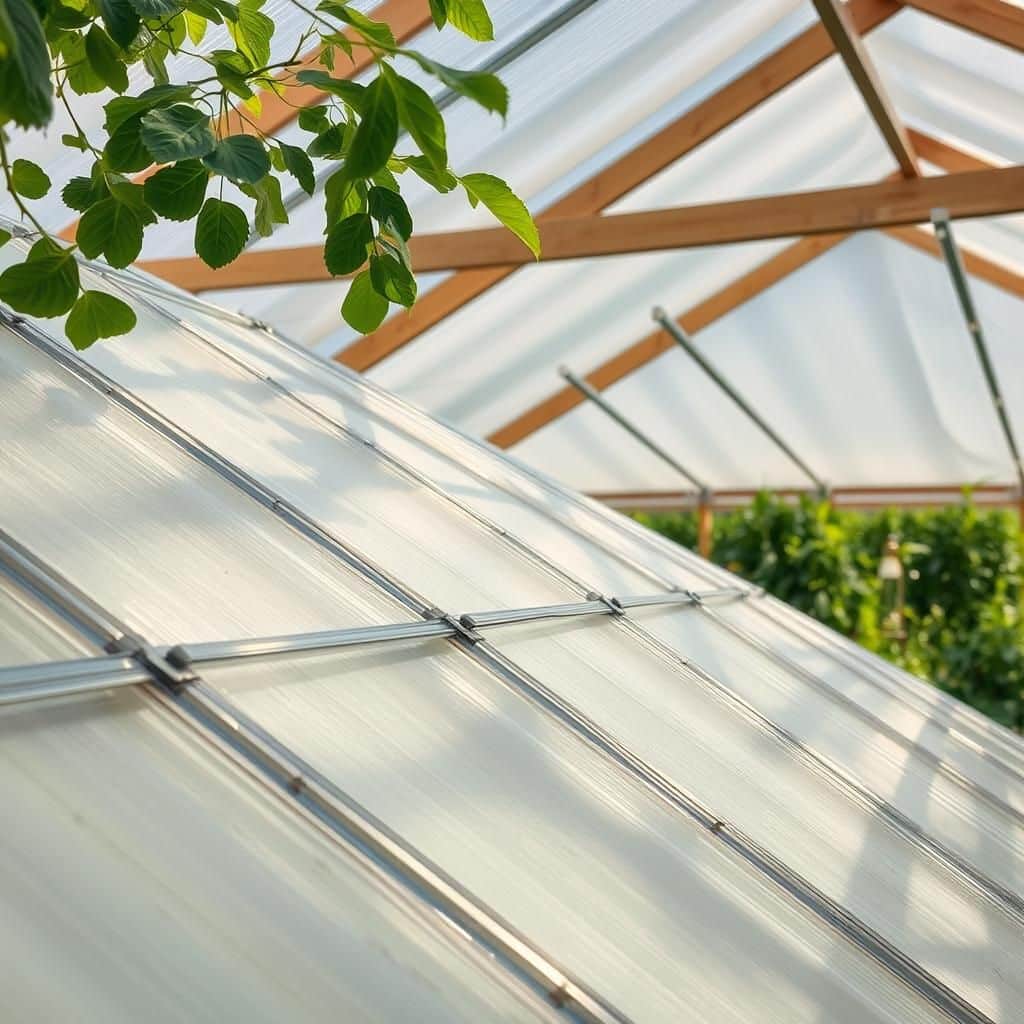
When it comes to constructing a greenhouse, choosing the right sheathing material is crucial for ensuring optimal growth conditions for your plants. The sheathing not only affects light transmission, but also insulation, durability, and overall energy efficiency. With a plethora of options available, from polycarbonate and fiberglass to traditional glass, making the right decision can be overwhelming. This comprehensive guide will explore the best sheathing materials for greenhouses, evaluating their advantages and disadvantages to help you make an informed choice. Whether you're a seasoned gardener or a novice, understanding these options will enhance your greenhouse experience and plant productivity.
What is the Best Sheathing for a Greenhouse?
The best sheathing for a greenhouse largely depends on factors such as temperature regulation, light transmission, and durability. Among the popular options, polycarbonate panels are frequently recommended due to their excellent insulation properties and UV filtering capabilities, which help to protect plants from harmful rays while maximizing light. On the other hand, traditional glass sheathing offers high light transmission but can be more fragile and expensive. Polyethylene film is another cost-effective option that provides good light diffusion but requires regular replacement. When choosing the appropriate sheathing, it is crucial to consider regional climate conditions and the specific needs of the plants being grown.
Benefits of Polycarbonate Panels
Polycarbonate panels are an exceptional choice for greenhouse sheathing due to their insulating properties, which help maintain a more stable internal temperature. They are also impact-resistant, making them less likely to shatter compared to glass. Additionally, polycarbonate is lightweight, facilitating easier installation and reducing structural load requirements. Their ability to filter harmful UV rays helps protect delicate plants, ensuring healthy growth while still allowing ample natural light to penetrate.
Advantages of Glass Sheathing
Using glass as a greenhouse sheathing offers unparalleled light transmission, allowing nearly 90% of sunlight to enter. This transparency is essential for photosynthesis and overall plant development. Glass is also a durable material that can last for decades when maintained properly. However, it is important to note that glass is heavier and more fragile than other options, which necessitates a stronger framework. Furthermore, while it provides excellent light, it may not provide the best temperature regulation compared to insulated options.
Polyethylene Film: A Cost-Effective Option
Polyethylene film is one of the most popular and cost-effective materials for greenhouse sheathing. It is lightweight and easy to install, making it suitable for both temporary and permanent structures. However, this option typically offers a shorter lifespan compared to polycarbonate and glass, as it is prone to tears and degradation from UV exposure and fluctuating temperatures. Despite this, it provides good light diffusion and is usually available in double-layer configurations, which can improve insulation when air is trapped between layers.
Other Materials for Greenhouse Sheathing
Besides the commonly used materials, there are several other options for greenhouse sheathing. Acrylic sheeting is a good alternative to glass, providing high light transmission and better insulation than standard glass. Additionally, some growers might consider shade cloth for seasonal needs, particularly in hot climates, where controlling sun exposure is crucial to prevent overheating. Each alternative presents unique advantages and challenges, making it essential to evaluate specific growing conditions and desired outcomes before making a selection.
Factors to Consider When Choosing Sheathing
When selecting greenhouse sheathing, several factors should be taken into account. Climate plays a significant role; areas with extreme temperatures may benefit from more insulating materials like polycarbonate. The type of plants being grown also affects the choice; delicate seedlings might require materials that filter UV light more effectively. Furthermore, financial considerations are crucial, as some sheathing options can be significantly costlier than others. Ultimately, the balance between durability, cost, and light quality will guide the best decision for a specific greenhouse setup.
| Material | Light Transmission | Insulation | Durability | Cost |
|---|---|---|---|---|
| Polycarbonate | 85% | Good | High | Moderate |
| Glass | 90% | Low | Very High | High |
| Polyethylene Film | 85% | Moderate | Low | Low |
| Acrylic | 90% | Good | High | Moderate |
What is the best sheeting for a greenhouse?
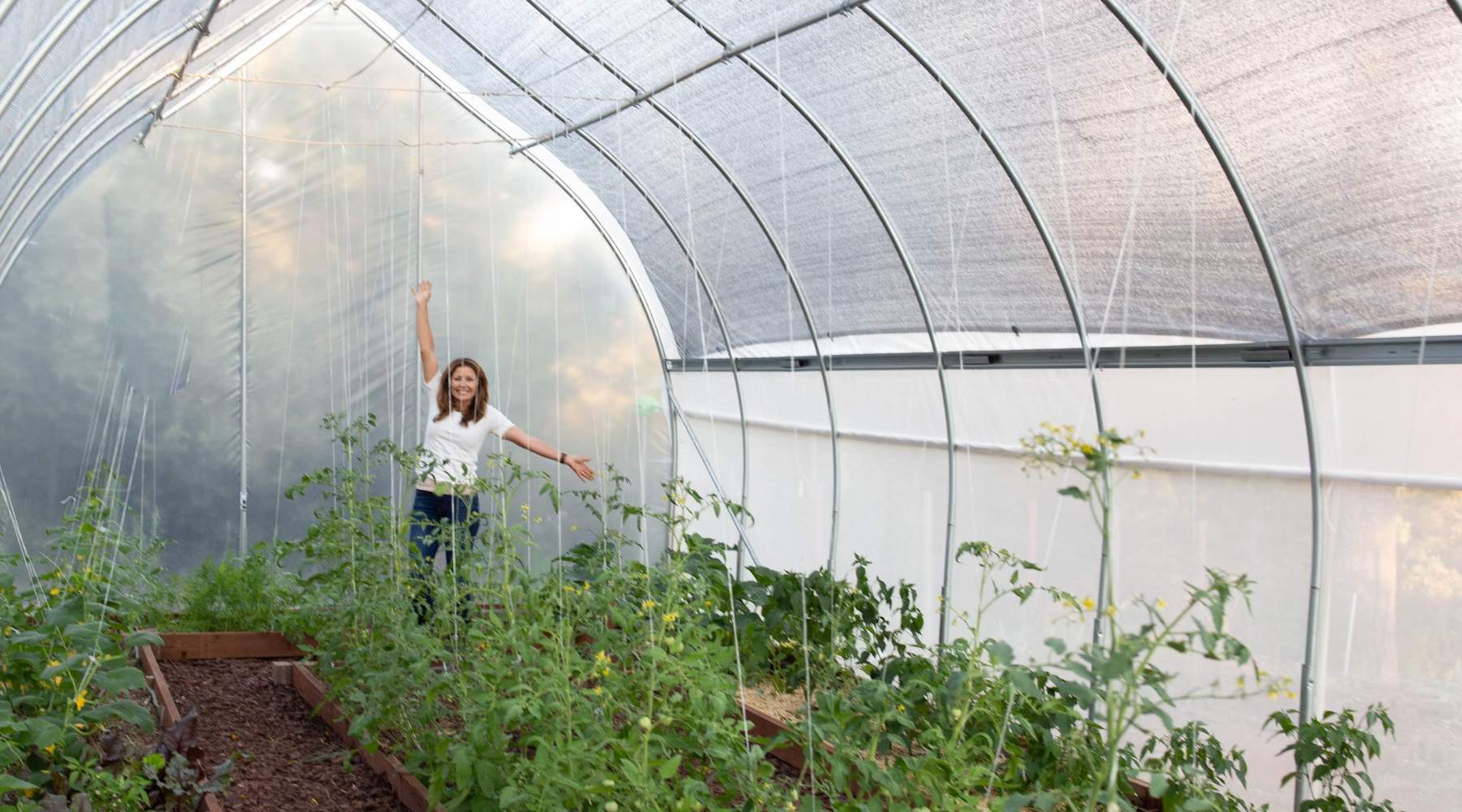
The best sheeting for a greenhouse is determined by various factors, including durability, insulation, light transmission, and cost. Here is an overview of the most common types of sheeting used for greenhouses:
1. Polyethylene Film: This is one of the most popular options due to its affordability and effectiveness.
- It is typically a double-layer film, which improves insulation.
- Provides excellent light diffusion.
- Needs replacing every few years due to wear and tear.
2. Polycarbonate Panels: These panels offer superior durability and insulation.
- They come in clear or opaque varieties.
- Can resist hail and extreme weather conditions.
- Higher initial cost but long lifespan and reduced energy costs.
3. Acrylic Sheets: A less common but effective option, acrylic sheets allow high light transmission.
- They are lightweight and easy to handle.
- Resistant to UV rays and yellowing over time.
- More expensive compared to other options, but provide good insulation.
4. Glass: Traditional glass greenhouses are beautiful and provide excellent light transmission.
- High cost and weight are drawbacks.
- Excellent thermal properties.
- Requires a sturdy structure to support the weight.
5. Shade Cloth: While not a covering in the traditional sense, shade cloth is used to manage light intensity and temperature.
- Available in different percentages of shading.
- Effective for controlling sun exposure for sensitive plants.
- Easily removable and adjustable according to seasonal needs.
Advantages of Polyethylene Film
Polyethylene film is favored for many greenhouse applications due to its cost-effectiveness and versatility.
- Low initial investment, making it popular for hobbyists.
- Good light transmission rates, essential for plant growth.
- Easy to install and replace when necessary.
Benefits of Polycarbonate Panels
Polycarbonate panels are increasingly recognized for their insulating properties and durability.
See also:
- Can provide significant energy savings due to superior insulation.
- Impact-resistant, reducing the risk of breakage.
- They serve well in extreme weather, making them ideal for varying climates.
Uses of Acrylic Sheets
Acrylic sheets combine clarity with lightweight characteristics, making them a good choice for specific greenhouse needs.
- Allow a high percentage of light transmission, beneficial for photosynthesis.
- Resistant to weather and UV radiation, promoting longevity.
- They are less heavy than glass, making them easier to work with.
Traditional Glass Greenhouses
Glass remains a classic choice for greenhouse construction, with its timeless appeal and excellent performance.
- Provides maximum light transmission, essential for plant health.
- Highly durable with proper maintenance, lasting many years.
- Can enhance aesthetic appeal and property value.
Purpose of Shade Cloth
Shade cloth is crucial for managing greenhouse temperatures and light, especially in hotter climates.
- Regulates the amount of sunlight that enters the greenhouse.
- Protects sensitive plants from scorching and promotes a stable environment.
- Versatile and can be used in different configurations for varying needs.
What is the best material for greenhouse walls?
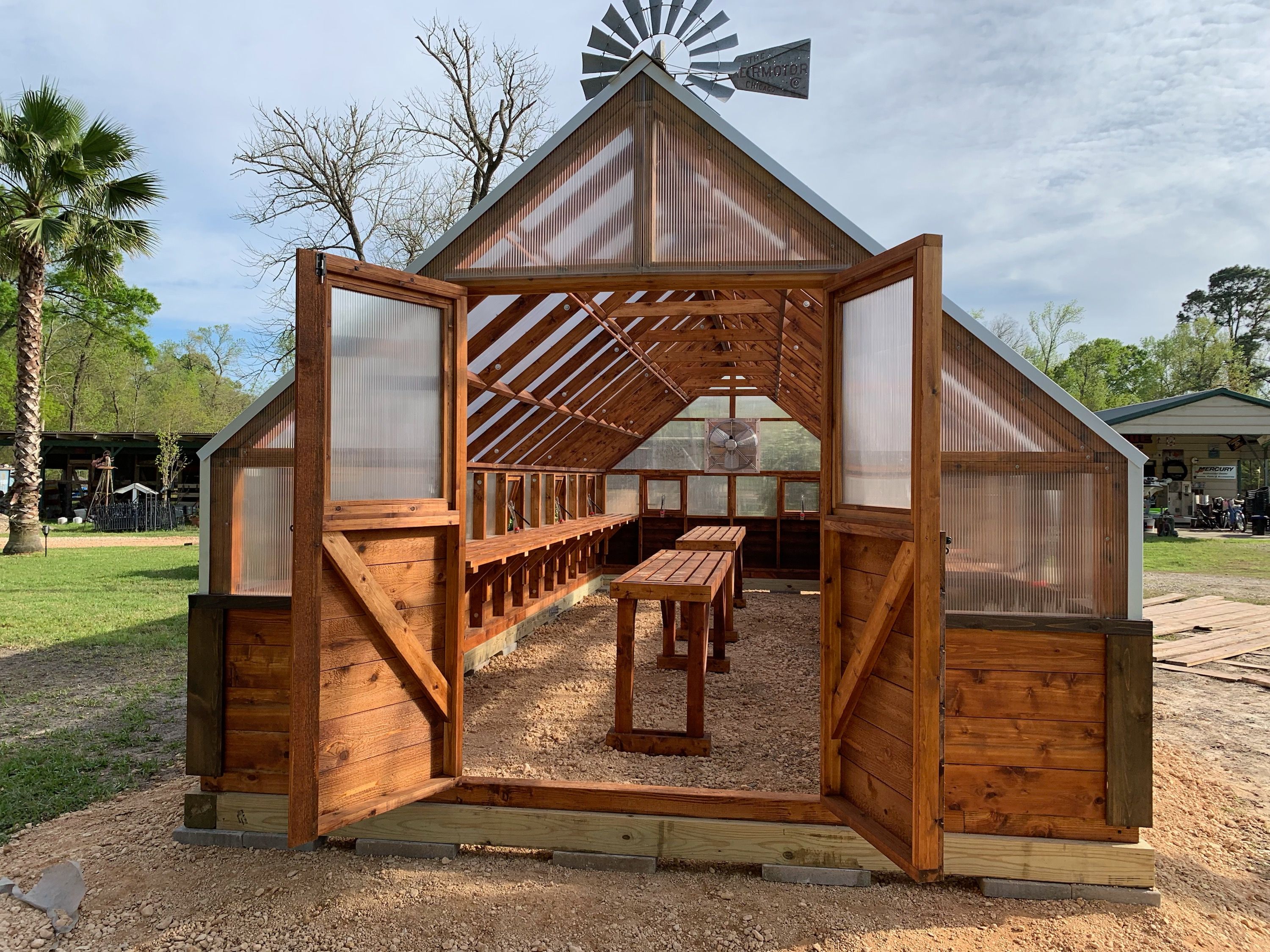
The best material for greenhouse walls often depends on various factors, including climate, budget, and specific planting needs. However, some materials are generally recognized for their efficiency in insulation, light transmission, and durability. The most common materials used for greenhouse walls include:
1. Polycarbonate: This material is known for its excellent insulating properties. It is lightweight, virtually unbreakable, and provides a high level of light transmission. Polycarbonate panels can be either clear or opaque, and some are double-walled for improved insulation.
2. Polyethylene film: This is a popular choice for DIY greenhouses. Polyethylene is affordable, relatively easy to install, and allows for a good amount of light to penetrate. However, it may need to be replaced every few years due to wear and tear from UV exposure.
3. Glass: Traditional glass offers excellent light clarity and durability. It is a long-lasting material that can withstand severe weather conditions. However, glass is heavy and can be more expensive than plastic alternatives, and it offers minimal insulation unless double-glazed.
4. Acrylic: Known for its high-impact resistance and good light transmission, acrylic is a lightweight alternative to glass. It can be more expensive than polycarbonate and offers limited insulation properties.
5. Wood: Although not commonly used for walls due to its durability concerns, wood can still be utilized for framing greenhouses. It provides aesthetic appeal and can be insulated, but it requires regular maintenance to prevent rot and decay.
Advantages of Polycarbonate Walls
Polycarbonate is a highly favored material for greenhouse walls due to its numerous advantages. It offers excellent thermal insulation and helps maintain a consistent interior temperature. Additionally, polycarbonate panels are available in various thicknesses and designs.
- Light Transmission: Allows for excellent light penetration for plant growth.
- Durability: Resistant to breakage and can withstand extreme weather conditions.
- Energy Efficiency: Helps in reducing heating costs due to its insulating properties.
Benefits of Using Polyethylene Film
Polyethylene film has become a popular choice among hobbyists and commercial growers alike. Its lightweight nature makes it easy to handle and install. Polyethylene offers good light quality for plants while being cost-effective.
- Affordability: Typically less expensive than other options, making it ideal for budget-conscious projects.
- Ease of Installation: Simple to install and replace, which is great for DIYers.
- Flexibility: Adaptable to different greenhouse structures and designs.
Considerations for Glass Greenhouses
Glass greenhouses offer superior aesthetic appeal and longevity, making them a staple in many traditional gardening setups. Despite being heavy and potentially costly, they provide a classic look and excellent functionality.
- Clarity: Offers superb light penetration and visibility for monitoring plants.
- Longevity: Glass is durable and can last many years with proper care.
- Insulation Options: Double-glazed options can provide better thermal performance.
Importance of Acrylic Panels
Acrylic is a rising star in greenhouse materials, combining benefits from glass and polycarbonate. It serves as a reliable option for growers seeking superior light transmission along with impact resistance.
- Impact Resistance: Less prone to shattering compared to traditional glass.
- Light Weight: Easier to handle, which simplifies the installation process.
- Versatile Design: Available in multiple thicknesses to meet varying insulation needs.
Utilizing Wood in Greenhouse Construction
Though wood is not typically used as the primary material for walls, it serves as a reliable structural component for greenhouse frames. When properly maintained, wooden structures can provide an attractive and functional greenhouse solution.
- Aesthetic Appeal: Offers a natural and attractive look to the greenhouse.
- Insulation Potential: Can provide additional insulation if properly treated and sealed.
- Customizability: Allows for various designs and modifications to suit individual needs.
What is the best base for a greenhouse?


The best base for a greenhouse is essential for optimal plant growth and durability of the structure. Typically, the base should provide stability, proper drainage, and protection against pests. Among the options available, concrete, treated wood, and gravel are popular choices. Each material offers distinct benefits, making it important to consider factors such as climate, budget, and desired longevity of the greenhouse.
Understanding the Types of Greenhouse Bases
A greenhouse base can be constructed from various materials, and understanding the pros and cons of each is crucial. Here are the most common types:
- Concrete: Provides a solid and permanent base that supports heavy structures.
- Treated Wood: Offers a natural aesthetic but requires regular maintenance to prevent rot.
- Gravel: Facilitates excellent drainage, making it ideal for areas with high moisture levels.
The Importance of Drainage
Effective drainage is vital for any greenhouse base because it helps to prevent waterlogging, which can damage roots and promote mold growth. The right base can enhance drainage in the following ways:
- Gravel Base: Allows water to flow easily away from the foundation.
- Sloped Concrete: Can be designed to direct excess water towards drainage points.
- Wood with Drainage Holes: Helps in preventing water accumulation around the base.
Climate Considerations
The climate where the greenhouse will be located significantly influences the choice of base. Various materials perform differently under extreme weather conditions:
- Cold Climates: A concrete base retains heat, making it advantageous for colder regions.
- Warm Climates: Gravel provides adequate drainage and keeps the base cool.
- Humidity-Prone Areas: Treated wood can withstand moisture but must be frequently treated to prevent decay.
Pest Prevention Techniques
Choosing the right base can significantly reduce pest problems within a greenhouse. Here are some methods to enhance pest prevention through base selection:
- Concrete Barrier: Acts as a strong deterrent against pests burrowing into the greenhouse.
- Gravel Surround: Creates a less hospitable environment for insects.
- Proper Sealing of Walls: Helps to prevent pests from entering through gaps by using the right base materials.
Cost Considerations for Different Bases
Budget constraints often play a crucial role in deciding the base material for a greenhouse. Analyzing costs can help in making an informed decision:
- Concrete: Initially expensive but offers longevity and durability, reducing long-term costs.
- Treated Wood: More affordable upfront but may incur additional costs for maintenance.
- Gravel: Cost-effective solution but requires additional landscaping for stability.
What is the longest lasting greenhouse covering?
The longest lasting greenhouse covering is typically polycarbonate. While various materials can be used to cover greenhouses, polycarbonate has proven durability, excellent insulation properties, and a lifespan that can exceed 20 years, making it a popular choice among greenhouse enthusiasts and commercial growers alike.
Properties of Polycarbonate Greenhouse Covering
Polycarbonate is a sturdy material known for its strength, insulation, and UV protection. Its properties include:
- Impact Resistance: Polycarbonate is much less likely to break or shatter compared to glass, providing safety and longevity.
- Thermal Insulation: This material effectively retains heat, helping to maintain optimal growing temperatures inside the greenhouse.
- UV Protection: Polycarbonate sheets often come with a coating that blocks harmful UV rays, protecting plants while allowing sufficient sunlight for growth.
Comparison with Other Greenhouse Coverings
When selecting greenhouse coverings, it's essential to compare polycarbonate with other materials like glass, plastic sheeting, and acrylic. The comparison highlights:
- Glass: While glass provides excellent light transmission, its weight and fragility make it less durable.
- Plastic Sheeting: Materials like polyethylene are cheaper but typically last only 4-7 years compared to polycarbonate's life span.
- Acrylic: Acrylic is lighter and provides better clarity than polycarbonate but is more prone to scratching and has a shorter lifespan.
Cost Considerations
Although polycarbonate is more expensive than other options, its long lifespan and benefits may justify the investment. Consider the following:
- Initial Cost: Polycarbonate panels can be pricier upfront, but their durability offsets frequent replacements required by cheaper materials.
- Long-Term Investment: The longevity of polycarbonate means fewer replacement costs over time, providing savings in the long run.
- Energy Savings: With better insulation, polycarbonate can reduce heating costs in colder months, contributing to overall cost efficiency.
Applications of Polycarbonate in Greenhouses
Polycarbonate's versatility makes it suitable for various greenhouse applications, including:
- Commercial Grow Operations: Many large-scale agricultural operations utilize polycarbonate for its robust performance.
- Hobbyist Greenhouses: Home gardeners favor polycarbonate for its ease of installation and maintenance.
- Specialty Greenhouses: Structures requiring specific light or temperature control often use polycarbonate for optimal conditions.
Maintenance of Polycarbonate Greenhouses
Maintaining polycarbonate greenhouses is straightforward, ensuring their longevity and performance. Key maintenance practices include:
- Cleaning: Regularly wash panels with mild soap and water to remove algae and dirt without damaging the surface.
- Inspection: Frequently check for signs of wear or damage, especially at the seams and mounting points.
- Replacement of Damaged Panels: Address any cracks or damage promptly to maintain insulation and structural integrity.
Questions from Our Readers
What is the best material for greenhouse sheathing?
The best material for greenhouse sheathing is often considered to be polycarbonate, due to its durability and excellent insulating properties. It provides a good balance between light transmission and heat retention, which is essential for promoting plant growth. Additionally, polycarbonate is less prone to breakage compared to glass, making it a safer option in many environments.
Is glass a good option for greenhouse sheathing?
Yes, glass can be a very effective option for greenhouse sheathing as it allows for maximum light transmission and durability. However, it is more expensive and can be prone to breakage, which may not make it the best choice for all setups. Tempered glass is often recommended as it is stronger and safer than standard glass.
Are plastic films suitable for greenhouse sheathing?
Plastic films, such as polyethylene, are a popular and cost-effective choice for greenhouse sheathing. They can provide good light transmission and are relatively easy to install. However, they may need to be replaced every few years due to wear and tear from the sun's UV rays, so maintenance is a consideration when choosing this option.
See also:
What factors should be considered when choosing greenhouse sheathing?
When selecting greenhouse sheathing, important factors to consider include light transmission, insulation, durability, and cost. You'll want materials that provide the right balance of sunlight for plant growth while also protecting against temperature fluctuations. Additionally, consider how easily the material can be maintained and whether it fits within your budget.

If you want to read more articles like What is the Best Sheathing for a Greenhouse? A Comprehensive Guide to Optimal Materials, we recommend you check out our Greenhouse category.
Leave a Reply
Related Articles