What is the Best Plant for Screening Neighbours? Top Choices for Instant Privacy
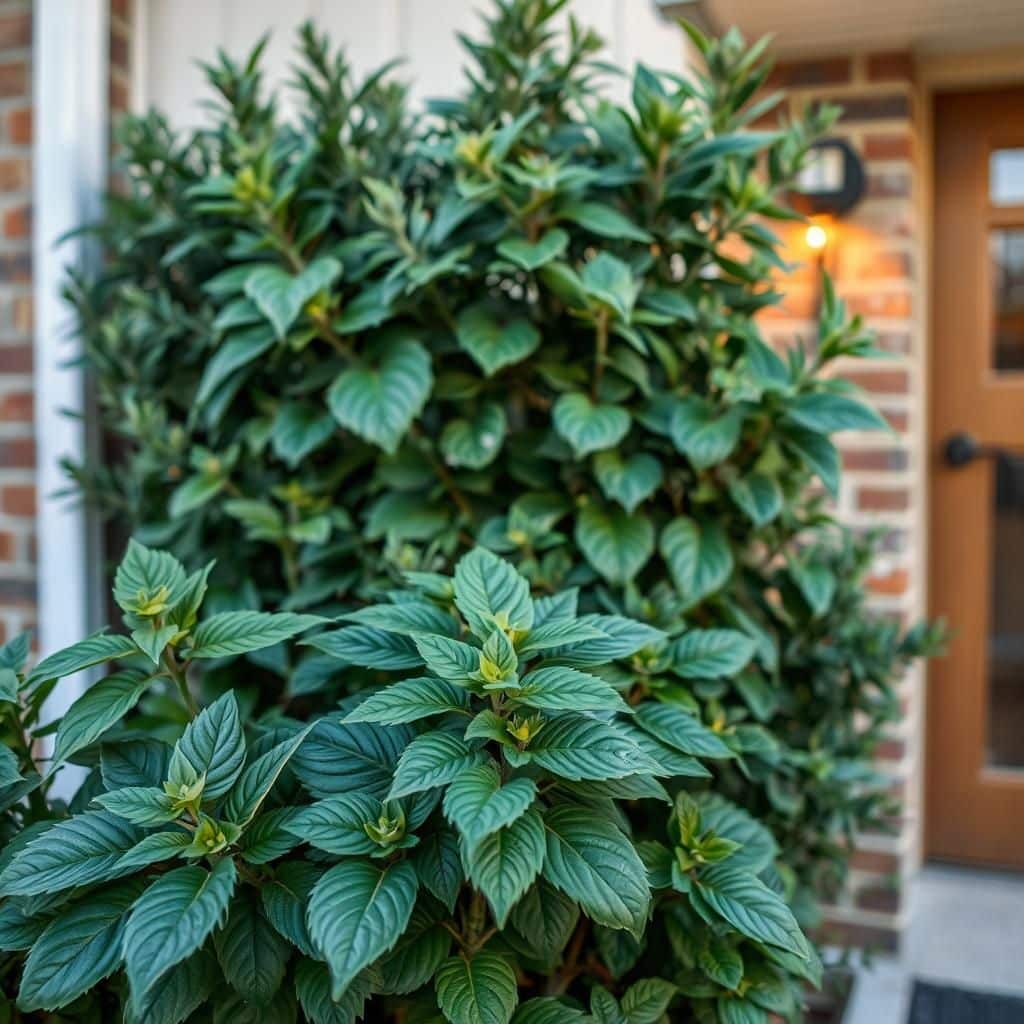
Creating a private oasis in your backyard can transform your outdoor experience, allowing for relaxation and peaceful enjoyment without the prying eyes of neighbors. Selecting the right plants for screening is crucial, as they not only provide seclusion but can also enhance the aesthetics of your landscape. This article will explore the best choices for plants that offer immediate privacy solutions, from evergreen trees to dense shrubs. Discover how these natural barriers can help you reclaim your space and create a serene environment, while also adding value to your property. Let’s delve into the top options for effective screening.
What is the Best Plant for Screening Neighbours?
When it comes to achieving privacy in your garden, the best plants for screening neighbours are those that grow tall and dense, providing an effective barrier. Among the most popular options are bamboo, arborvitae, and holly, each offering unique characteristics that can enhance both the aesthetic and functional aspects of your outdoor space. Bamboo, for example, is known for its rapid growth and ability to create a tall, lush screen in little time, while arborvitae provides a more traditional evergreen look and remains lush year-round, making it an excellent choice for privacy. Ultimately, the selection will depend on your specific climate, available space, and personal taste.
Types of Plants for Privacy Screening
There are various types of plants suitable for privacy screening, including evergreens, deciduous, and bamboo varieties. Evergreens, such as cypress and yucca, retain their foliage throughout the year, making them ideal for year-round privacy. Deciduous plants, while they may lose their leaves in the winter, can be strategically planted for summer screening. Bamboo, on the other hand, grows quickly and can reach great heights, offering an exotic display and effective blocking during any season.
Growth Rate and Height
When selecting plants for screening, considering their growth rate and height is vital. Fast-growing species like giant bamboo can provide instant privacy, reaching heights of up to 20 feet in just a few years. In contrast, slower growing plants, like arborvitae, may take longer to reach their full potential. Determining how quickly you need screening will help in selecting the most appropriate plant for your goals.
Maintenance Requirements
Maintenance requirements vary significantly between different screening plants. Some, like bamboo, require regular trimming to control their spread and prevent them from becoming too invasive. Others, such as arborvitae, need periodic pruning to maintain their desired shape and health. When choosing a plant for privacy, it’s essential to consider how much effort you’re willing to invest in its upkeep.
Climate and Soil Considerations
The climate and soil conditions in your area play a crucial role in determining which plants will thrive as screening options. For instance, some species, like boxwood, prefer well-drained soil and can tolerate a variety of climates, while others may only flourish in specific environments. It's essential to choose plants that are adapted to your local climate to ensure healthy growth and long-lasting privacy screening.
Cost and Availability
The cost and availability of privacy screening plants can vary widely based on location, species, and size. While some plants, such as bamboo, may be relatively inexpensive when bought in bulk or as smaller plants, others can be pricier, especially larger specimens or rare varieties. It’s crucial to assess your budget and local nurseries to find the best options that meet your privacy needs without exceeding your financial limits.
| Plant | Growth Rate | Height | Maintenance |
|---|---|---|---|
| Bamboo | Fast | Up to 20 ft | Moderate to high |
| Arborvitae | Moderate | Up to 15 ft | Low |
| Boxwood | Slow to moderate | Up to 10 ft | Low |
| Cypress | Moderate | Up to 25 ft | Low |
| Pyracantha | Moderate | Up to 10 ft | Moderate |
What is the fastest growing privacy plant from neighbors?
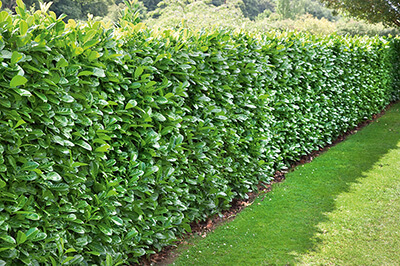
The fastest growing privacy plant from neighbors is often considered to be the Leyland Cypress. This evergreen tree is particularly popular for its fast growth and dense foliage, making it an excellent choice for creating a privacy screen.
Growth Rate
The Leyland Cypress can grow up to 3 to 4 feet per year under optimal conditions. Its rapid growth rate is one of the primary reasons it is favored by homeowners looking for immediate privacy. In addition, this plant can reach heights of 60 to 70 feet, providing significant coverage between properties.
- Exceptional growth speed compared to other privacy trees.
- Can reach full height within a few years with proper care.
- Its height makes it effective as a noise barrier.
Environmental Adaptability
The Leyland Cypress is known for its adaptability to a wide range of soil types and conditions. It can thrive in both sandy and clay soils, making it a versatile option for various landscapes. Moreover, it is resistant to pollution and can tolerate drought once established.
- Suitable for urban and suburban environments.
- Resistant to common pests and diseases.
- Requires minimal maintenance when planted in the right conditions.
Visual Appeal
This plant has a beautiful, dense green foliage that remains vibrant year-round. Its conical shape adds an aesthetic value to your property, while also serving its primary function of privacy. The foliage can also be easily shaped or trimmed, offering flexibility in design.
- Maintains a lush appearance throughout the seasons.
- Provides a formal look that can enhance property value.
- Can be planted in rows for a uniform privacy hedge.
Care and Maintenance
The Leyland Cypress is relatively low-maintenance, although it benefits from occasional pruning to maintain shape and encourage denser growth. Regular watering is essential during the first few years to help establish a robust root system. Fertilization in early spring can also promote growth.
See also:
- Needs watering especially during dry spells.
- Pruning should be done in late winter or early spring.
- Fertilization enhances growth and foliage density.
Alternatives to Leyland Cypress
While the Leyland Cypress is a favored choice, there are other fast-growing plants that can also provide privacy. Options include Arborvitae, Bamboo, and Thuja Green Giant. These alternatives can vary in growth rates and visual aesthetics.
- Arborvitae grows about 3 feet per year and offers a similar density.
- Bamboo can grow up to 5 feet per year, creating a tropical feel.
- Thuja Green Giant is another fast-growing option with a growth rate of 3 to 5 feet per year.
What is the best plant to block neighbours?
:max_bytes(150000):strip_icc()/rest_1_1_11625-2047d6732dc0438785d55d2f3a490fda.jpeg)
To block neighbors effectively, one of the best plant options is the Leyland Cypress. This fast-growing evergreen tree is ideal for creating a natural privacy screen. It can grow up to 3 to 4 feet per year to reach impressive heights, and it has a dense foliage that provides excellent coverage. Additionally, its ability to thrive in various soil types and adaptability to different weather conditions makes it a popular choice among homeowners looking for both beauty and privacy.
Benefits of Using Leyland Cypress
The Leyland Cypress offers numerous advantages for those wanting to block visibility from neighbors:
- Fast Growth: It can grow rapidly, providing a quick solution for privacy.
- Dense Foliage: Its thick greenery ensures effective screening from prying eyes.
- Low Maintenance: Once established, this tree requires minimal care.
Alternative Options for Privacy Screening
While Leyland Cypress is a fantastic choice, there are other plants that can serve the same purpose well:
- arborvitae: Another evergreen that is hardy and compact.
- Bamboo: Fast-growing and can create a tropical feel.
- Privet: A shrub that can be easily shaped and trimmed.
Best Practices for Planting Privacy Hedges
To maximize the effectiveness of your chosen plants, consider the following planting tips:
- Spacing: Ensure adequate spacing between plants to allow for growth.
- Soil Quality: Use well-draining soil to promote healthy root development.
- Watering: Regularly water newly planted shrubs to help them establish.
Maintenance Needs for Privacy Plants
Consistent care is necessary to keep your privacy plants thriving:
- Pruning: Trim regularly to maintain desired height and shape.
- Fertilization: Use fertilizer to enhance growth, especially during the growing season.
- Pest Management: Keep an eye out for pests and diseases that may affect plant health.
Environmental Considerations When Planting Hedges
Consider the following environmental factors to ensure success with your privacy plants:
- Sunlight Requirements: Choose plants that match the light conditions of your garden.
- Climate Adaptability: Select species that can withstand your local climate.
- Native Species: Consider using native plants for ecological benefits and reduced maintenance.
What is the fastest growing plant for a privacy screen?
:strip_icc()/blooming-white-tree-park-e9596877-5dc1f639595b462181272418f326709a.jpg)
The fastest growing plant for a privacy screen is typically the Bamboo species, particularly the Phyllostachys nigra, also known as Black Bamboo. This plant is renowned for its rapid growth rate, which can reach up to 3 feet per day under optimal conditions. Its dense foliage creates a thick barrier that provides excellent privacy for your outdoor space. Additionally, bamboo is a resilient plant that can thrive in various climates, making it a versatile choice for different regions.
Benefits of Using Bamboo for Privacy Screens
Bamboo offers several advantages that make it an ideal choice for privacy screens:
- Fast Growth: Bamboo can mature very quickly, meaning you won't have to wait long for your privacy.
- Dense Foliage: The thick growth provides excellent coverage, blocking views and creating a secluded outdoor area.
- Eco-friendly: Bamboo is a sustainable plant that stores carbon and promotes a healthier environment.
Types of Bamboo Suitable for Privacy Screens
There are various types of bamboo that work well for privacy screens. Some popular ones include:
- Phyllostachys aurea: Also known as Golden Bamboo, this species has a beautiful golden color and grows quickly.
- Fargesia murielae: This clumping bamboo is ideal for colder climates and grows densely without spreading aggressively.
- Bambusa vulgaris: Commonly known as Common Bamboo, it’s excellent for tropical regions and provides thick coverage.
Maintenance Tips for Growing Bamboo
Maintaining bamboo is relatively simple, but there are a few essential tips:
See also:
- Regular Watering: Bamboo needs plenty of water, especially during its initial growth phase.
- Fertilization: Using a nitrogen-rich fertilizer can promote faster growth and stronger plants.
- Containment: If you choose a running bamboo type, installing a rhizome barrier can prevent it from spreading uncontrollably.
Alternative Fast-growing Plants for Privacy Screens
If bamboo is not suitable for your needs, consider these alternatives:
- Privet: This hardy shrub can grow quickly and forms a dense hedge for privacy.
- Leyland Cypress: A fast-growing evergreen that can reach significant heights quickly and provides a tall privacy screen.
- Boxwood: Densely packed foliage can be trimmed to shape, allowing customization of your privacy screen.
Considerations When Choosing a Privacy Plant
When selecting a plant for privacy, keep these points in mind:
- Climate Compatibility: Ensure the plant is suitable for your local climate conditions.
- Space Requirements: Consider the mature size of the plants and how much space you have available.
- Maintenance Level: Some plants require more care than others; choose based on your available time and resources.
What can I plant for immediate privacy?
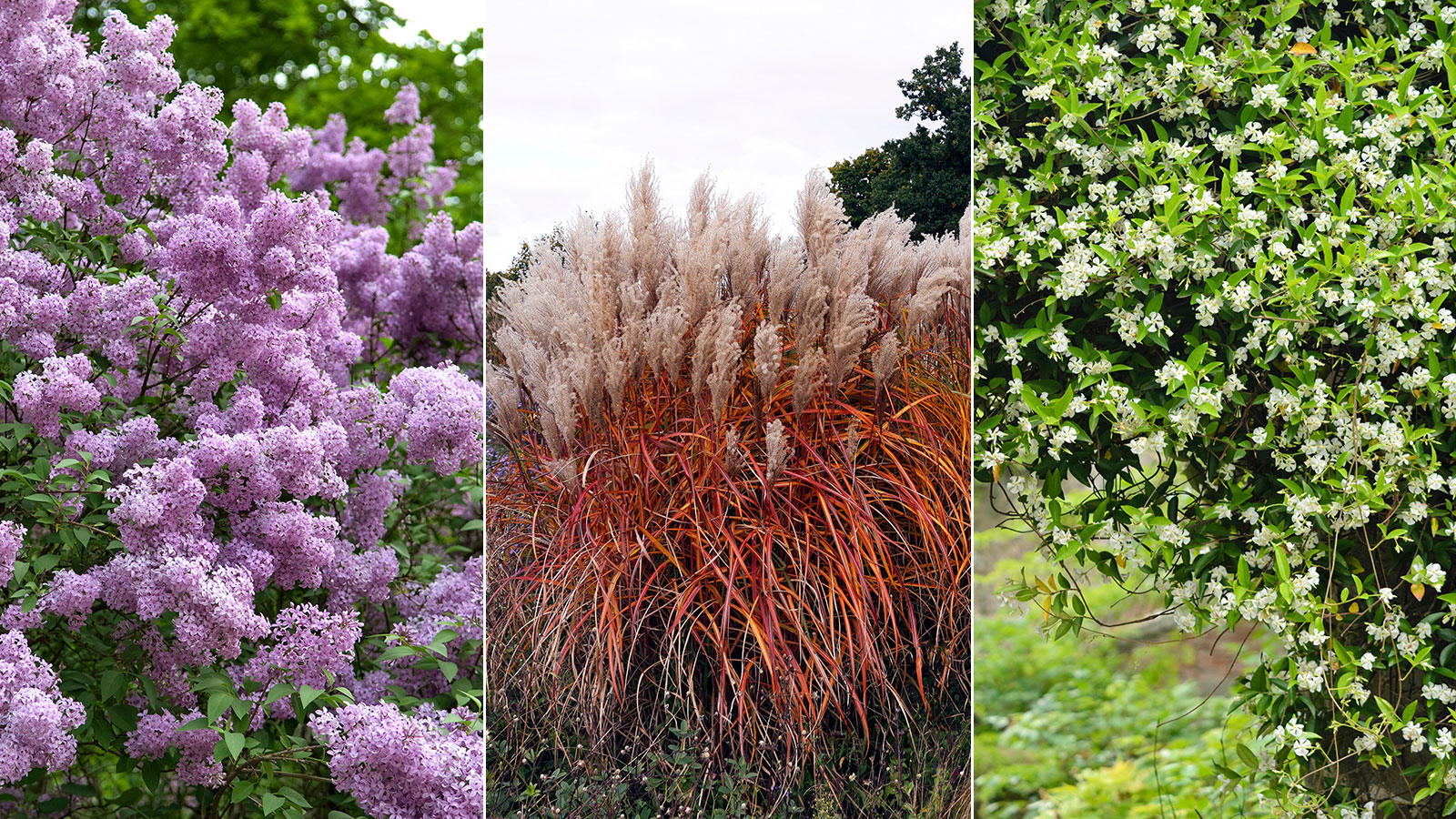
To achieve immediate privacy in your garden or yard, there are several fast-growing plants and trees that you can consider planting. These selections can create a natural barrier against prying eyes and enhance the beauty of your outdoor space. Here are some of the best options you can consider:
Fast-Growing Hedges
Fast-growing hedges are an excellent solution for achieving privacy quickly. They not only provide a dense screen but also add greenery and texture to your landscape. Popular choices include:
- Ligustrum (Privet): Known for its rapid growth, it can reach heights of 10-12 feet and is often used to create formal hedges.
- Boxwood: A versatile shrub that is easily shaped and can grow quite quickly, reaching up to 5 feet in height.
- Photinia: This plant features vibrant red new growth, grows quickly, and can form a thick hedge when trimmed properly.
Fast-Growing Trees
Planting trees that grow quickly can provide vertical privacy and shade. Here are some trees that are ideal for immediate privacy:
- Poplar: These trees are among the fastest-growing options, capable of growing up to 8 feet per year, offering fast coverage.
- Leyland Cypress: A popular choice for privacy trees, they grow rapidly and can reach heights of 60-70 feet, forming a dense screen.
- Hybrid Willow: Known for its exceptional growth rate, this tree can grow up to 10 feet in a single growing season.
Climbing Plants
For a quick privacy solution that adds interest to vertical spaces, climbing plants can be a great option. They can cover fences or trellises to create privacy screens:
- Wisteria: Fast-growing and fragrant, wisteria can quickly cover trellises and offers stunning flowers while providing privacy.
- Honeysuckle: This climbing plant is not only fast-growing but also attracts pollinators, providing both beauty and privacy.
- Climbing Roses: With the ability to grow rapidly, climbing roses can provide beauty and a thick screen of foliage.
Grasses for Privacy
Ornamental grasses can also be used to create a natural privacy screen. They can grow tall and dense, often creating a beautiful visual barrier:
- Pampas Grass: Known for its tall, feathery plumes, pampas grass can grow up to 10 feet tall, creating an effective privacy screen.
- Miscanthus (Maiden Grass): This grass grows quickly and can reach heights of 6-8 feet, offering both privacy and aesthetics.
- Bulletproof Grass: Very hardy and able to grow under various conditions, it can create a dense green wall when planted in clusters.
Combination Plantings
Creating a layered effect with different plants can enhance both privacy and visual appeal. A mix of trees, shrubs, and climbers can provide an effective and attractive solution:
- Layering Trees and Hedges: Use tall trees at the back for height, followed by medium tall hedges, and add lower shrubs in front.
- Incorporating Flowers: Adding flowering perennials among shrubs and grasses can enhance the beauty while maintaining privacy.
- Mixing Growth Rates: Combine quick-growing options with slower-paced plants for a structured look that evolves over time.
Questions from Our Readers
What type of plants are best for privacy screening?
The best plants for privacy screening include evergreens like arborvitae, boxwood, and bamboo. These plants grow tall and dense, providing an effective barrier against neighbors and enhancing your outdoor space.
How fast do screening plants grow?
The growth rate of screening plants varies, but many fast-growing options, like bamboo or certain varieties of arborvitae, can add significant height within a few years. On average, you can expect these plants to grow between 1 to 3 feet per year, depending on the specific species and growing conditions.
Are there any maintenance considerations for screening plants?
Yes, the maintenance of screening plants often includes regular pruning, watering, and ensuring they receive adequate sunlight. Some plants may require more attention than others, particularly if they are fast-growing, so it's crucial to understand the specific needs of your chosen species.
Can I mix different types of plants for screening?
Absolutely! Mixing different types of plants can create a more natural look and enhance privacy. However, it’s essential to choose plants with similar light and water requirements to ensure they thrive together and achieve the desired effect.
See also:

If you want to read more articles like What is the Best Plant for Screening Neighbours? Top Choices for Instant Privacy, we recommend you check out our Hedges category.
Leave a Reply
Related Articles