What is the best place to put a greenhouse? Top Tips for Optimal Sunlight and Accessibility
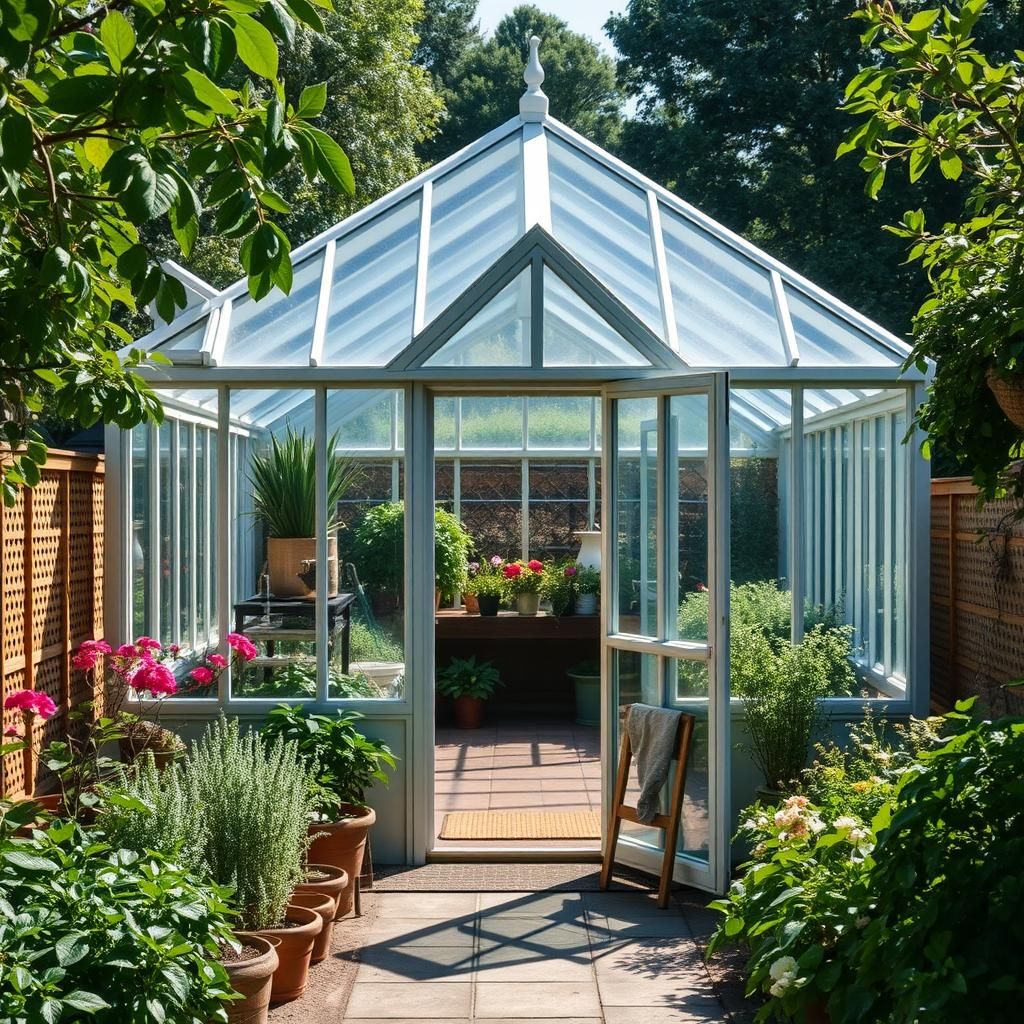
When it comes to cultivating a thriving greenhouse, choosing the right location is crucial. The ideal placement not only maximizes sunlight exposure but also ensures easy access for maintenance and harvesting. Understanding the relationship between your greenhouse and its environment can significantly impact plant health and yield. In this article, we will explore key factors to consider when selecting the best spot for your greenhouse, including sunlight patterns, soil conditions, and accessibility. With these top tips, you'll be equipped to create an efficient and productive growing space that enhances your gardening experience.
Choosing the Ideal Location for Your Greenhouse
When it comes to selecting the best place to put a greenhouse, various factors need to be considered to maximize both sunlight exposure and protection from adverse weather conditions. The ideal location is one that receives full sun throughout the day, ideally south-facing, to ensure that your plants receive adequate light for photosynthesis. Additionally, it is important to place the greenhouse on level ground to prevent water pooling and ensure proper drainage. Proximity to a water source for irrigation and accessibility for maintenance are also crucial considerations. Lastly, be mindful of nearby trees or structures that might create shade, impacting the growth of your plants.
Sunlight Exposure
Sunlight exposure is perhaps the most crucial factor in determining the success of a greenhouse. A location that receives abundant direct sunlight for at least six to eight hours a day is ideal for most plants. It's important to consider the angle of the sun during different times of the year, as this can affect the overall temperature and growth rates inside the greenhouse. Choosing a south-facing site is often the best option, minimizing shadows cast by surrounding objects.
Proximity to Water
Having a reliable and convenient source of water is essential for any greenhouse operation. When choosing a location, consider placing your greenhouse close to existing water lines or natural water sources such as a stream or pond. This proximity allows for easier irrigation and less labor-intensive watering methods, such as drip irrigation or soaker hoses, which can improve plant health and reduce water waste.
Soil Quality and Drainage
While the greenhouse itself provides an enclosed environment, the surrounding soil plays a vital role in the overall health of the plants. It's best to choose a location with well-draining soil to prevent water accumulation, which can lead to root rot and other plant diseases. Testing the soil for its nutrient content and structure will provide insight into how well it will support your greenhouse, especially if you plan to grow plants directly in the ground.
Protection from Wind
Wind can have a detrimental effect on greenhouse integrity and plant growth. Selecting a site that is naturally sheltered from strong winds can improve both temperature stability and prevent structural damage. If there are no natural windbreaks such as trees or fences, consider installing artificial barriers to protect your greenhouse from harsh winds, which can lead to increased heat loss and stress on plants inside.
Accessibility
Accessibility is also an important factor when choosing a greenhouse location. Ensure that the site is easily reachable for maintenance and allows for convenient transport of supplies and harvested crops. Accessibility becomes especially important in the winter months when conditions can be challenging. A well-placed greenhouse should be easy to navigate to all sides for effective care and harvesting.
| Factor | Importance | Recommendations |
|---|---|---|
| Sunlight Exposure | Maximizes plant growth | Choose a south-facing location |
| Proximity to Water | Eases irrigation | Near existing water sources |
| Soil Quality and Drainage | Prevents root rot | Site with well-draining soil |
| Protection from Wind | Maintains temperature and integrity | Utilize natural barriers or install artificial ones |
| Accessibility | Facilitates maintenance and harvesting | Choose a reachable location |
Where not to put a greenhouse?
When considering where not to place a greenhouse, various factors should be taken into account to ensure optimal conditions for plant growth. A greenhouse requires specific environmental considerations that, if ignored, can lead to poor plant health or even failure. Here are some guidelines on unsuitable locations for a greenhouse.
1. Areas with Excessive Shade
Placing a greenhouse in a location that receives excessive shade can significantly hinder plant growth. Adequate sunlight is essential for photosynthesis, which is vital for healthy plants. Areas that are surrounded by tall trees, buildings, or other structures can impede sunlight from reaching the greenhouse.
- Buildings that block sunlight during peak growing hours.
- Tall trees that cast long shadows throughout the day.
- Other greenhouse structures not spaced properly for light access.
2. Locations with Poor Drainage
Selecting a site with poor drainage can lead to waterlogged soil, creating a hostile environment for plant roots. Too much water can cause root rot and other diseases, while insufficient drainage can also attract pests.
- Low-lying areas that collect water during rainfall.
- Areas with heavy clay soils that retain moisture.
- Locations near bodies of stagnant water like ponds or marshes.
3. Regions with Extreme Temperatures
A greenhouse should not be placed in areas that experience extreme temperatures. Both excessively high and low temperatures can stress plants or limit their growth potential. It’s essential to situate a greenhouse in a location that can moderate these extremes.
- Regions with extremely hot climates without ventilation options.
- Cold areas prone to frost that may affect delicate plants.
- Zones that have abrupt temperature fluctuations throughout the year.
4. Areas Exposed to Strong Winds
Placing a greenhouse in an area that is subject to strong winds can threaten its structural integrity and disrupt the controlled environment necessary for plant cultivation. Winds can cause temperature fluctuations and stress plants.
See also:
- Open fields or hilltops that receive constant gusts.
- Locations without natural windbreaks such as trees or buildings.
- Coastal areas where wind speeds are typically higher.
5. Sites Near Sources of Pollution
It is important to avoid placing a greenhouse near potential sources of pollution, as contaminates can harm plant health and growth. Pollutants can come from nearby industrial activities, traffic, or agricultural chemicals.
- Locations next to busy roads with high vehicle emissions.
- Proximity to factories or manufacturing plants.
- Sites near farms using heavy pesticides or chemicals.
What side of the house is best for a greenhouse?
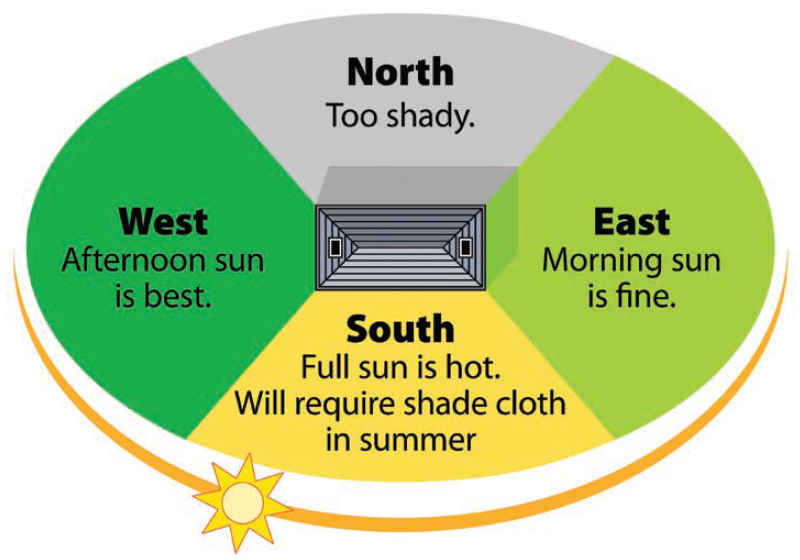
When considering the best side of a house for a greenhouse, several factors come into play, including climate, sunlight exposure, and the overall layout of the property. Typically, the south-facing side is the most advantageous for a greenhouse. This orientation allows for maximum sunlight exposure throughout the day, which is essential for plant growth. However, other aspects like wind protection, accessibility, and aesthetic considerations also matter. Below are detailed insights into these factors.
South-Facing Benefits
Choosing the south-facing side of the house for a greenhouse maximizes sunlight exposure. This is crucial for photosynthesis and plant growth. The benefits include:
- Optimal Sunlight: Provides sunlight for the majority of the day.
- Temperature Regulation: Helps maintain warmer temperatures inside the greenhouse.
- Extended Growing Season: Allows for earlier planting in spring and extended harvests in fall.
Protection from Wind
Wind can affect the temperature and humidity levels inside a greenhouse. Hence, it's essential to position it where it can be sheltered from harsh winds. Consider:
- Windbreaks: Utilize the house or natural barriers like trees to shield the greenhouse.
- Avoiding Draughts: Positioning away from prevailing winds can enhance plant health.
- Stable Environment: Reduces fluctuations in temperature that may stress plants.
Accessibility Considerations
The location of the greenhouse should also factor in ease of access for everyday tasks such as watering, harvesting, and maintenance. Make sure to consider:
- Convenient Access: Place the greenhouse close to water sources and garden tools.
- Pathway Design: Ensure clear and safe pathways to avoid accidents.
- Integration with Existing Gardens: Position it close to other planting areas for efficient gardening.
Seasonal Variability
In regions with distinct seasons, the orientation of the greenhouse can make a significant impact. Depending on the local climate, consider:
- Shade in Summer: Consider potential shading needs during the hottest months to avoid overheating.
- Heat Retention in Winter: A south-facing greenhouse will generally help to capture more heat during the colder months.
- Seasonal Adjustments: Plan for ventilation and shading options based on seasonal changes.
Aesthetic and Planning Considerations
The placement of a greenhouse can influence the overall look of your garden and home. Keep in mind:
- Visual Appeal: Consider how the greenhouse integrates with the overall landscape and architecture of your home.
- Future Expansion: Think about how the location will allow for additional greenhouses or garden features in the future.
- Local Regulations: Check zoning laws and homeowners association rules regarding structures on your property.
Where should a greenhouse be placed?
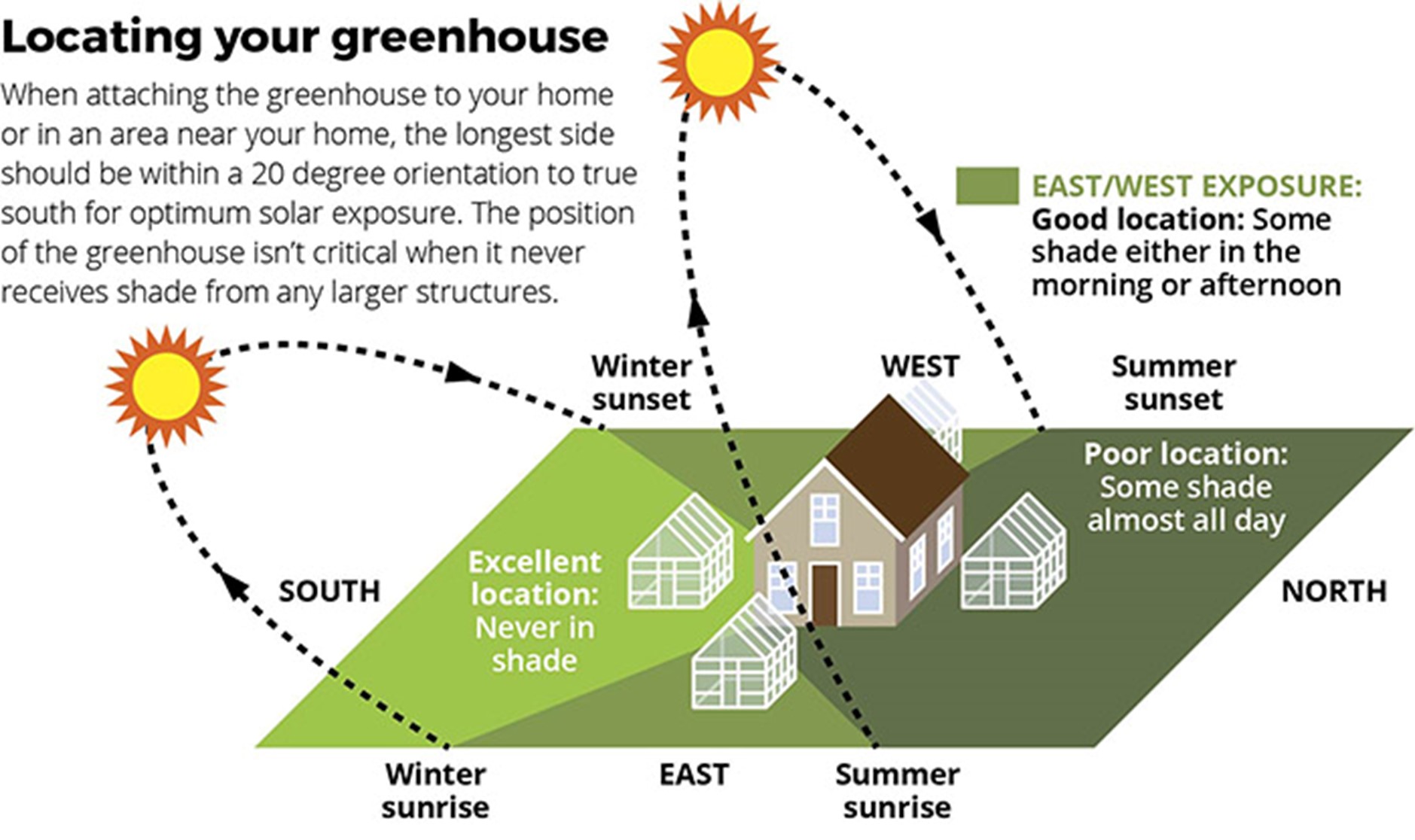
To determine the optimal placement for a greenhouse, several factors must be considered to ensure that it promotes healthy plant growth and maximizes efficiency. A well-placed greenhouse can enhance plant development, streamline maintenance, and reduce energy costs.
Sunlight Exposure
Sunlight is crucial for photosynthesis, and the positioning of a greenhouse should account for its access to natural light. Ideally, the structure should be oriented north-south to allow the greatest amount of light to enter throughout the day.
- Assess Sun Patterns: Observe the sun's trajectory throughout the seasons to find the best location.
- Minimize Shadows: Avoid placing the greenhouse too close to tall trees or buildings that can cast shadows.
- Consider Light Duration: Ensure that the greenhouse receives adequate light exposure, especially during winter months.
Wind Protection
Wind can cause temperature fluctuations within a greenhouse and stress plants. Therefore, it is important to position the greenhouse in a location that offers some level of wind protection.
- Natural Barriers: Use existing structures like fences or trees as windbreaks.
- Strategic Orientation: Position the greenhouse with its longer sides facing prevailing winds to minimize exposure.
- Temporary Barriers: Consider using wind screens during harsh seasons when needed.
Accessibility
Accessibility is an essential consideration for a greenhouse placement. Easy access not only facilitates maintenance and harvesting activities but also ensures that resources are easily transported to and from the structure.
See also:
- Pathways: Select a location that allows for clear pathways for movement around the greenhouse.
- Water Supply: Ensure proximity to water sources for irrigation systems that may be installed.
- Utility Access: Consider the availability of electricity if heating or additional lighting is required.
Drainage and Soil Quality
Good drainage is critical for preventing water accumulation and ensuring optimal soil conditions within a greenhouse. This factor can affect plant health significantly.
- Avoid Low-Lying Areas: Steer clear of spots where water tends to pool after rain.
- Test Soil Quality: Analyze the soil in potential locations for nutrients and pH balance.
- Modify Drainage: Consider installing drainage systems if necessary to manage excess water.
Local Climate Considerations
Each region has its climate characteristics, influencing the greenhouse's design and operation. Understanding local weather patterns can inform the best greenhouse placement.
- Temperature Extremes: Consider locations that mitigate the impact of extreme temperatures.
- Humidity Levels: Identify spots that naturally maintain adequate humidity for plant growth.
- Microclimates: Take advantage of any microclimates that may provide better conditions for particular plants.
Where is the best place to put a greenhouse in your backyard?
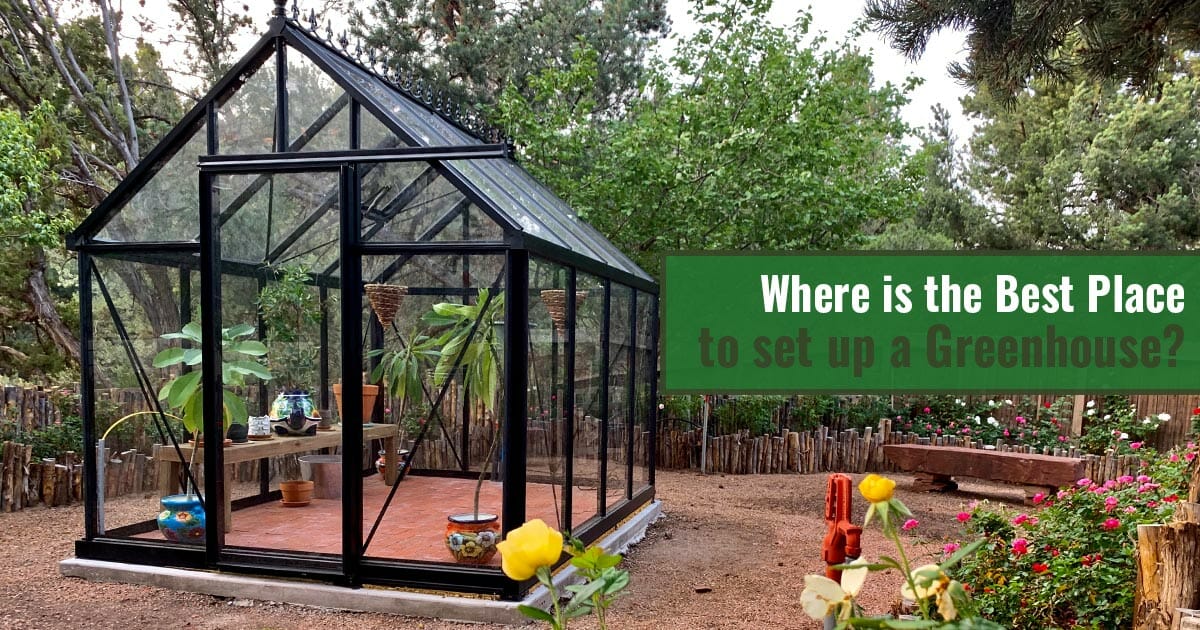
The best place to put a greenhouse in your backyard depends on several critical factors that ensure optimal growth conditions for plants. Here are some key considerations for determining the perfect location:
Orienting the Greenhouse
The orientation of the greenhouse is essential for maximizing sunlight exposure. Ideally, it should be positioned with its longest side facing south to capture maximum sunlight during the day. This orientation helps in maintaining consistent temperatures inside the greenhouse, which is vital for plant growth. Factors to consider include:
- Sunlight exposure: Ensure that the site receives full sun for at least six hours a day.
- Shade influence: Consider any trees, buildings, or other structures that may cast shadows during peak sunlight hours.
- Seasonal sun movement: Be aware of how the sun's path changes with the seasons and how this affects your greenhouse position.
Proximity to Water Source
When selecting a location for your greenhouse, it is vital to ensure easy access to a water source. Irrigation is critical for maintaining plant health, and having water on hand can make daily maintenance easier. Consider the following points:
- Accessibility: The greenhouse location should be close enough to a hose or water spigot for easy irrigation.
- Drainage: Ensure that the area has proper drainage to prevent water accumulation which could lead to root rot.
- Waterability: Think about how you will water the plants—whether by hand, drip irrigation, or sprinkler systems.
Soil Quality and Drainage
The quality of the soil in your chosen location is vital for establishing a successful greenhouse. Poor soil conditions can impede plant growth, so be sure to assess the site's soil quality before setting up. You should consider the following:
- Soil composition: Test the soil for its nutritional content and pH levels to ensure it is suitable for the plants you want to grow.
- Drainage: The site must have adequate drainage to prevent water from pooling around the foundation of the greenhouse.
- Soil fertility: Improve soil quality by adding organic matter or using raised beds if necessary.
Access and Convenience
Choose a site for your greenhouse that is easily accessible and provides convenience during gardening tasks. This aspect can significantly enhance your experience while working in your greenhouse. Keep in mind the following considerations:
- Pathways: Ensure that there are clear paths leading to the greenhouse, allowing easy movement with supplies and tools.
- Visibility: Position the greenhouse where it is easily visible from your house, making it easier to monitor conditions and care for plants.
- Workspace: Allow for space near the greenhouse for pulling weeds, potting, and storing tools.
Protection from Wind and Extreme Weather
Finally, a greenhouse should be placed where it receives some protection from strong winds and extreme weather conditions. Wind can cause temperature fluctuations and damage the structure itself. To ensure your greenhouse remains effective, consider these factors:
- Windbreaks: Utilize existing trees or shrubs as natural windbreaks to shield the greenhouse.
- Sheltered locations: Identify areas in your yard that are inherently more sheltered from harsh weather.
- Structural reinforcement: If the greenhouse is in a windy area, ensure it is built with sturdy materials and anchored properly.
Questions from Our Readers
What factors should I consider when choosing a location for my greenhouse?
When selecting a location for your greenhouse, consider sunlight, protection from wind, and drainage. Ensure that the site receives at least six hours of direct sunlight daily to promote healthy plant growth. Additionally, placing the greenhouse in a sheltered area can help reduce wind damage, while proper drainage is essential to prevent waterlogging.
Should I place my greenhouse on grass or concrete?
Placing your greenhouse on concrete is generally recommended over grass, as it provides a stable and level surface that is less prone to weeds and pest infestations. A concrete base also facilitates drainage, ensuring that excess water does not accumulate around the structure, which can lead to structural issues or mold growth.
Is it better to orient the greenhouse north-south or east-west?
Orienting your greenhouse north-south is typically preferred, as it allows for more even sunlight exposure throughout the day. This orientation helps maximize the amount of light your plants receive, reducing the risk of overheating and promoting a more consistent growing environment.
How far away should the greenhouse be from trees and buildings?
To ensure adequate sunlight and prevent shading, your greenhouse should be positioned at least 10 to 15 feet away from trees and buildings. This distance not only helps prevent shading but also reduces the risk of debris falling onto the greenhouse during storms, which can cause damage to the structure.
See also:

If you want to read more articles like What is the best place to put a greenhouse? Top Tips for Optimal Sunlight and Accessibility, we recommend you check out our Greenhouse category.
Leave a Reply
Related Articles