What is the Best Mulch to Use Against Your House? Top Choices for Optimal Protection

Mulch serves as an essential element in landscaping, providing benefits that extend beyond mere aesthetics. When it comes to protecting your home, the right type of mulch can act as a barrier against pests, weeds, and temperature fluctuations, ultimately enhancing the longevity of your property. However, with an array of options available, selecting the best mulch can be daunting. This article will explore the top choices for mulch specifically designed to safeguard your house. From organic materials to synthetic options, each variety offers unique advantages that can optimize protection and maintain the beauty of your outdoor space.
What is the Best Mulch to Use Against Your House?
Using the right type of mulch around your house can provide a variety of benefits, including moisture retention, weed suppression, and protection from pests. Among the many options available, cedar mulch is often regarded as one of the best choices due to its natural insect-repelling properties and durability. It has a pleasant aroma and can effectively deter insects such as termites and ants while simultaneously reducing the risk of mold growth. Additionally, it decomposes slowly, which means it will last longer compared to other organic mulches, minimizing the need for frequent replacements.
Benefits of Using Cedar Mulch
Cedar mulch offers numerous benefits beyond just pest control. Its natural oils not only repel insects but also provide an aesthetic appeal to the landscape. Cedar mulch can help in maintaining soil moisture by preventing evaporation, which is particularly advantageous during hot summer months. Moreover, its distinctive fragrance adds a pleasant scent to the surrounding area and can enhance the overall environment of your garden or yard.
Alternative Mulch Options
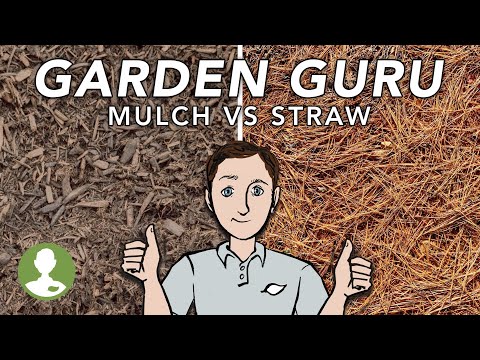
While cedar mulch is an excellent option, there are other effective types of mulch that can be used against your house. For example, pine bark mulch or hardwood mulch can also serve as good barriers against weeds and help retain soil moisture. Organic options like straw or grass clippings are suitable as well; however, they may decompose quicker and require more frequent replacement. It is essential to choose a mulch type that aligns with both your aesthetic preferences and practical needs.
How Mulch Protects Your Foundation
Mulching around your house plays a crucial role in protecting your foundation from erosion and water damage. A layer of mulch acts as a buffer between rainfall and the soil, reducing the risk of soil washout that can lead to foundation cracks. Moreover, the mulch helps to regulate temperature in the soil around the foundation, preventing extreme changes that could affect the structural integrity of your home over time.
See also:
Maintenance of Mulch
To ensure that your mulch continues to provide benefits, regular maintenance is necessary. Cedar mulch typically requires fewer applications compared to other organic types, but it does need to be replenished every couple of years, depending on the rate of decomposition. Keeping an eye on the mulch’s thickness and appearance will help maintain its effectiveness in weed suppression and moisture retention.
Cost Considerations for Mulching
The cost of mulch can vary significantly based on the type and source, so it is essential to consider your budget when selecting mulch for your landscape. Cedar mulch, while more expensive than some alternatives, can prove economical in the long run due to its longevity and reduced need for replacement. Below is a comparison table of different mulch types and their approximate costs and longevity.
| Mulch Type | Cost per Cubic Yard | Longevity (Years) |
|---|---|---|
| Cedar Mulch | $50 - $80 | 3 - 7 |
| Pine Bark Mulch | $30 - $60 | 1 - 3 |
| Hardwood Mulch | $20 - $40 | 1 - 2 |
| Straw Mulch | $10 - $20 | 0.5 - 1 |
Understanding the Importance of Mulch in Protecting Your Home
Mulch plays a crucial role in maintaining the health of your garden while also providing essential protection for your home. By creating a barrier between the soil and the base of your house, mulch can help prevent water damage, deter pests, and regulate soil temperature. Furthermore, the right type of mulch can enhance the aesthetic appeal of your landscape, making your home more inviting while safeguarding against weeds and soil erosion. Depending on your local climate and the specific needs of your garden, you can find various types of mulch that offer distinct benefits, ensuring optimal defense for your residence.
Types of Mulch: Organic vs. Inorganic
When choosing mulch, the main categories to consider are organic and inorganic. Organic mulches, such as wood chips, straw, or grass clippings, decompose over time, enriching the soil with nutrients while aerating it. In contrast, inorganic mulches like gravel or landscape fabric provide a long-lasting cover that does not contribute nutrients but can effectively control weeds and prevent soil erosion. Both types offer unique advantages, so selecting between them depends on your specific gardening goals.
The Best Organic Mulches for Protection
When seeking organic options, cedar mulch and pine straw are particularly effective. Cedar mulch contains natural oils that repel insects, making it a fantastic choice for keeping pests at bay, while pine straw offers excellent moisture retention and a neat appearance. Both types can break down over time, improving soil health and fostering a robust micro-ecosystem in your garden. Additionally, wood mulch encourages beneficial Earthworms, further enhancing soil structure and health.
See also:
Effective Inorganic Mulches
For those who prefer inorganic choices, rocks and rubber mulch stand out for their durability and low maintenance. Rock mulch provides excellent drainage while preventing weed growth, making it an ideal selection for dry, drought-prone areas. Meanwhile, rubber mulch, made from recycled tires, offers a soft surface that is resilient and retains heat, benefiting plants during colder months while being completely resistant to decay.
How to Apply Mulch Effectively
To maximize the protective benefits of mulch, proper application is key. Clear the area of any weeds or debris before applying a layer of mulch that is three to four inches thick. This thickness will suppress weed growth and help retain moisture in the soil. Be cautious not to pile mulch against the base of your home, as this can invite pests and lead to wood decay. Create a clear perimeter to ensure that your plants thrive while protecting your home from potential damage.
Maintaining Your Mulch Layer
Regular maintenance is essential to keep your mulch layer effective and beneficial. Over time, organic mulches break down and may require topping off to maintain an optimal thickness. Inspect the mulch regularly for signs of compaction or decay, and replenish as needed. It’s important to mix or turn the mulch occasionally to avoid the buildup of compacted layers that can hinder water infiltration and air circulation within the soil, ensuring your garden remains as healthy as possible.
Questions from Our Readers
What types of mulch are best for protecting the foundation of a house?
Wood chips, bark mulch, and straw are some of the best types of mulch that can protect your house's foundation by preventing soil erosion and reducing moisture levels around the base. These materials can also help regulate temperature and reduce weed growth near the building.
How does mulch prevent moisture damage to my home?
Mulch acts as a barrier that helps retain soil moisture and prevents water from accumulating around your house, which can lead to potential water damage or foundation issues. By directing water away from the structure, mulch can significantly reduce the risk of basement flooding or mold growth.
See also:
Is there a specific thickness of mulch I should use?
A thickness of about 2 to 4 inches is generally recommended for effective moisture retention and weed suppression. This thickness can provide adequate coverage while ensuring that water can reach the soil beneath without suffocating the plants or grass around your home.
Can using the wrong type of mulch harm my house?
Yes, using the wrong type of mulch, such as rubber mulch or certain types of invasive plant materials, can potentially harm your house by creating unsuitable drainage conditions or attracting pests. It's crucial to choose mulch that complements your home's environment while supporting healthy landscaping.
If you want to read more articles like What is the Best Mulch to Use Against Your House? Top Choices for Optimal Protection, we recommend you check out our Mulch category.
Leave a Reply
Related Articles