What is the Best Mulch for a Veggie Garden? Top Options for Optimal Growth
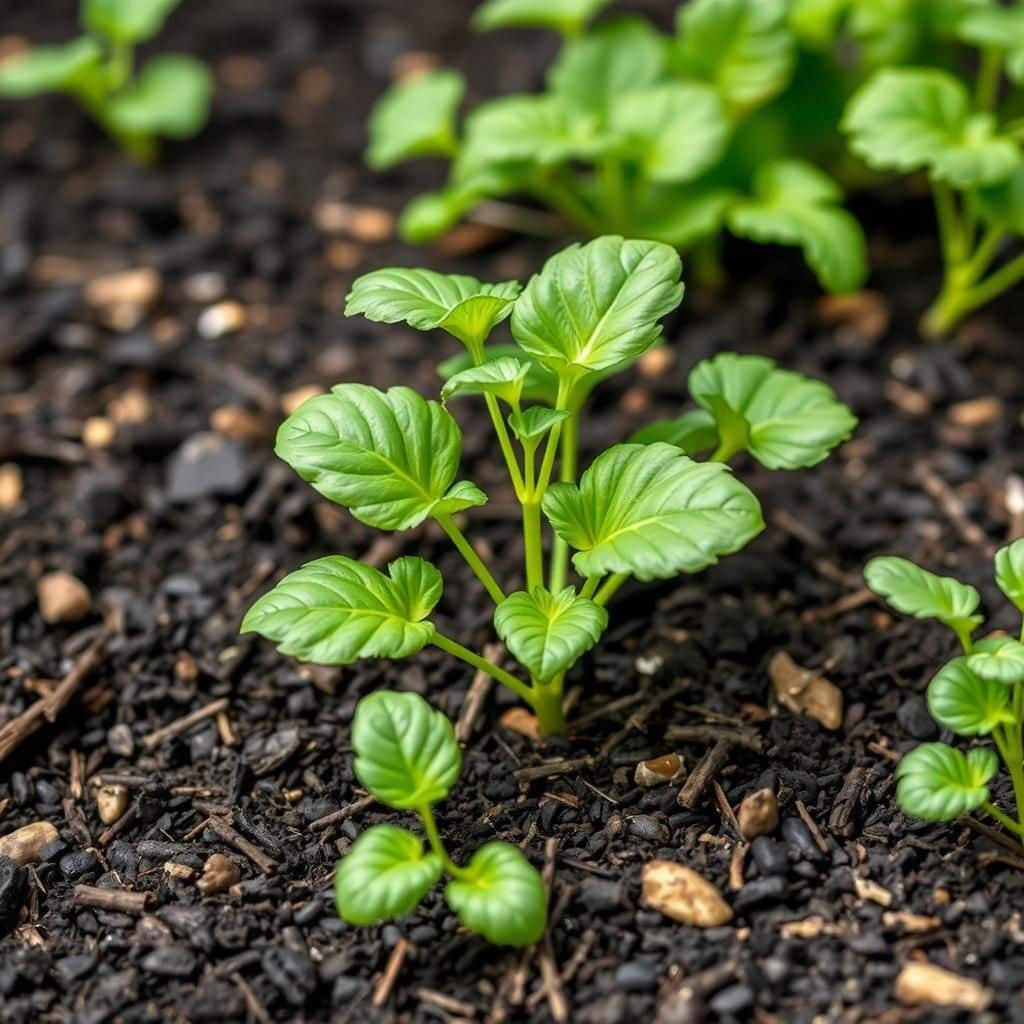
When it comes to cultivating a thriving vegetable garden, choosing the right mulch can make all the difference. Mulch serves multiple purposes, including moisture retention, weed suppression, and temperature regulation, which are essential for optimal plant growth. With a variety of mulch options available, gardeners face the challenge of selecting the best one suited for their specific needs and local conditions. In this article, we will explore the top mulch options that not only enhance the health of your veggie garden but also contribute to bountiful harvests, ensuring your efforts yield the best results possible.
What Is the Best Mulch for a Veggie Garden?
When choosing the best mulch for a vegetable garden, several factors come into play, including benefit, cost, and availability. Common options like straw, wood chips, and garden fabric can provide significant advantages. Straw, for instance, helps retain moisture and suppress weeds, while wood chips can add organic matter to the soil as they decompose. Additionally, some gardeners prefer compost as a mulch because it not only protects the soil but also adds essential nutrients for plant growth. Ultimately, the best mulch will depend on your specific garden conditions, including climate, plant type, and personal preferences.
Benefits of Using Organic Mulch
Organic mulches such as straw, grass clippings, and shredded leaves are great for veggie gardens because they improve soil structure over time. As these materials decompose, they add nutrients back into the soil, supporting healthy plant growth. Furthermore, organic mulches help regulate soil temperature, keeping roots cool in hot weather and preventing frost heave in colder months. They also effectively suppress weed growth, reducing competition for nutrients and water.
Types of Mulch for Vegetable Gardens
There are various types of mulch suitable for vegetable gardens, including organic and inorganic options. Organic mulches like straw, shredded bark, and grass clippings not only suppress weeds but also enrich the soil as they break down. Inorganic mulches such as plastic or landscape fabric can help control weeds and maintain soil moisture, but they do not contribute to soil health. Choosing the right type will depend on your gardening goals and local climate conditions.
How to Apply Mulch Effectively
To apply mulch effectively, start with a clean garden bed, removing any weeds or debris. Next, lay a layer of mulch about 2 to 4 inches thick, ensuring it's spread evenly around the base of your vegetable plants. Avoid piling the mulch too close to the stems, as this can lead to rot or pest issues. Regularly check and replenish the mulch as needed, especially after heavy rains, to maintain its effectiveness in retaining moisture and suppressing weeds.
Mulch and Soil Moisture Retention
One of the primary benefits of using mulch in vegetable gardens is its ability to retain soil moisture. By creating a barrier, mulch reduces evaporation from the soil surface, keeping it moist for longer periods. This is particularly crucial during hot summer months when plants are at risk of drying out. A well-mulched garden can significantly reduce the frequency of watering, saving both time and resources.
Costs and Accessibility of Mulch Options
The cost and accessibility of various mulch materials can vary widely, impacting your choice. Organic options like straw and wood chips may be locally sourced and even free in some cases, while others like shredded bark or dyed mulch can be more expensive. It's essential to consider the long-term benefits of your chosen mulch, such as improved soil health and reduced watering needs, when evaluating its overall cost. Some gardening centers also offer bulk discounts, making it more feasible to invest in quality mulch.
| Mulch Type | Benefits | Cost |
|---|---|---|
| Straw | Moisture retention, weed suppression | Low |
| Wood Chips | Soil enrichment as it decomposes | Moderate |
| Grass Clippings | Rapidly breaks down, adds nutrients | Low (if sourced from your lawn) |
| Plastic | Weed control, moisture retention | Moderate to high |
| Compost | Nutrient addition, moisture retention | Variable (garden waste can be composted for free) |
What is the best type of mulch to use in a vegetable garden?

The best type of mulch to use in a vegetable garden depends on various factors, including the climate, soil type, and the specific vegetables being grown. However, some of the most recommended types of mulch for vegetable gardens include organic mulches and synthetic options. Organic mulches, such as straw, wood chips, and compost, not only suppress weeds and retain soil moisture, but they also improve soil fertility as they decompose. Here are the key considerations related to different types of mulch:
Benefits of Organic Mulch
Organic mulch is derived from natural materials and provides numerous benefits to vegetable gardens.
- Weed suppression: Organic mulches create a barrier that prevents sunlight from reaching weed seeds, minimizing their growth.
- Moisture retention: They help retain soil moisture by reducing evaporation, which is crucial during dry spells.
- Nutrient enrichment: As organic mulches decompose, they add valuable nutrients back into the soil, improving its overall quality.
Types of Organic Mulch
There are several types of organic mulch to consider for vegetable gardening, each with its characteristics.
See also:
- Straw: Lightweight and easy to apply, straw is excellent for moisture retention and weed control.
- Wood chips: Long-lasting and aesthetically pleasing, wood chips break down slowly, making them ideal for perennial beds.
- Compost: Rich in nutrients, compost not only mulches but also enriches the soil as it breaks down.
Considerations for Using Synthetic Mulch
While organic mulch is widely favored, synthetic mulch options exist and offer unique advantages.
- Plastic mulch: Commonly used in commercial farming, plastic mulch helps warm the soil and protect against weeds but does not improve soil fertility.
- Landscape fabric: This permeable material allows water and air to pass through while blocking weeds, providing a durable, long-term solution.
- Rubber mulch: Made from recycled tires, rubber mulch is effective for weed control and moisture retention but can leach chemicals into the soil.
Impact of Climate and Vegetables
The climate and the specific vegetables being grown should influence the choice of mulch.
- Cool climates: In colder areas, dark mulches can help warm the soil faster in spring, benefiting the growing season.
- Heat-loving vegetables: For crops like tomatoes and peppers, using black plastic mulch can enhance soil temperatures.
- Moisture-sensitive crops: For crops that require consistent soil moisture, thicker organic mulches are preferable.
Application Techniques for Effective Mulching
Proper application of mulch is key to maximizing its benefits in a vegetable garden.
- Layer thickness: Apply organic mulch in a layer of 2-4 inches to effectively suppress weeds and retain moisture.
- Distance from plant stems: Keep mulch a few inches away from plant stems to prevent rot and encourage airflow.
- Regular maintenance: Check mulch periodically for decomposition and replenish as needed to maintain effectiveness.
What is the best mulch to prevent weeds in vegetable gardens?
To effectively prevent weeds in vegetable gardens, the best mulch options are generally organic materials, which not only suppress weed growth but also contribute to soil health. Here are some of the best types of mulch that can be used:
1. Straw Mulch
Straw is a popular choice for vegetable gardens due to its lightweight nature and ability to insulate the soil. It helps in maintaining moisture levels and suppressing weeds effectively.
- Weed Suppression: Straw provides a thick barrier over the soil, preventing sunlight from reaching weed seeds.
- Soil Improvement: As it decomposes, straw adds organic matter to the soil, enhancing its fertility.
- Temperature Regulation: Straw insulates the soil, keeping it warmer in cooler months and cooler in hot weather.
2. Wood Chips or Bark Mulch
Wood chips and shredded bark are long-lasting mulches that break down slowly, providing extended weed control and a more aesthetic appeal in the garden.
- Durability: They decompose slower than other organic materials, so less frequent replenishing is needed.
- Moisture Retention: These materials help in locking moisture in the soil, reducing the need for frequent watering.
- Soil Structure: As they break down, they improve soil texture and drainage, promoting healthy root development.
3. Grass Clippings
Using grass clippings as mulch is a fantastic way to recycle and create a nutrient-rich barrier for your vegetable garden.
- Nutrient-Rich: Grass clippings provide nitrogen as they decompose, enriching the soil.
- Weed Blocking: A thick layer can effectively smother weed seeds and seedlings.
- Heat Regulation: They help in maintaining optimal soil temperature which is beneficial for plant growth.
4. shredded leaves
Shredded leaves are an excellent option for gardeners, as they are often readily available and help in improving soil health as they break down.
- Cost-Effective: They are typically free and easy to obtain for many gardeners.
- Soil Enhancement: Leaves add valuable organic matter when they decompose, enhancing soil fertility.
- Weed Prevention: A good layer of shredded leaves can effectively prevent light from reaching weeds.
5. Landscape Fabric
While not an organic material, landscape fabric can be effective for long-term weed control, especially when combined with a layer of mulch on top.
- Lasting Solution: It creates a barrier that effectively stops weeds while allowing water and nutrients to penetrate.
- Lightweight: Easy to install and can be laid down under organic mulches for added effectiveness.
- Versatility: Suitable for various garden layouts and can be used in conjunction with different types of mulch.
What is the best mulch for tomatoes and cucumbers?
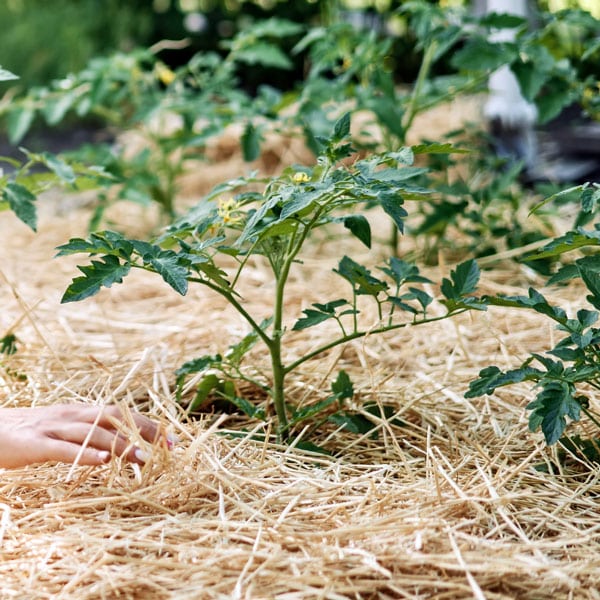
The best mulch for tomatoes and cucumbers includes a variety of organic and inorganic materials that can provide numerous benefits such as moisture retention, weed suppression, and improved soil quality. Some of the most effective mulches for these plants are:
1. Straw: Straw is lightweight and allows for good air circulation while retaining moisture. It decomposes slowly, adding organic matter to the soil over time.
2. Wood Chips: Wood chips are excellent for moisture retention and can help suppress weeds. However, they do take longer to decompose and can sometimes draw nitrogen from the soil as they break down.
3. Grass Clippings: Fresh grass clippings are rich in nitrogen and can be an effective mulch if used in moderation. They heat up quickly, which can be beneficial for warm-season crops but may require regular replenishment.
4. Leaves: Shredded leaves provide insulation and protect the soil while also adding nutrients as they decompose.
5. Plastic Mulch: Although not organic, black plastic mulch can effectively warm the soil and control weeds, which is especially useful for early planting and crop establishment.
Benefits of Using Mulch for Tomatoes and Cucumbers
Using mulch in your garden can yield various benefits for tomatoes and cucumbers, such as:
- Moisture Retention: Mulch helps retain soil moisture, reducing the need for frequent watering.
- Weed Control: A layer of mulch can prevent weed growth, ensuring that your plants get the nutrients and space they need to thrive.
- Temperature Regulation: Mulch insulates the soil, keeping it cooler in hot weather and warmer during cool periods, which is vital for healthy tomato and cucumber growth.
Choosing the Right Organic Mulch
Selecting the appropriate organic mulch is crucial for the health of your plants. The choices you make can influence soil health and plant growth.
- Soil Nutrition: Organic mulches like straw and leaves decompose and add nutrients back to the soil, improving overall fertility.
- Decomposition Rate: Consider how quickly the mulch decomposes, as some materials (like grass clippings) break down faster than others (like wood chips).
- Local Availability: Choose mulch materials that are readily available in your area to reduce costs and support local agriculture.
Inorganic Mulch Options
While organic mulches have many benefits, there are also effective inorganic options that can be considered.
- Plastic Mulch: Black plastic can warm the soil quickly, aiding seedling growth, but it does not improve soil health.
- Landscape Fabric: This permeable fabric can suppress weeds while allowing water and nutrients to reach the soil.
- Rubber Mulch: Made from recycled tires, rubber mulch lasts longer and provides excellent weed control but does not contribute nutrients to the soil.
Applying Mulch Around Tomatoes and Cucumbers
Proper application of mulch is essential for maximizing its benefits for tomatoes and cucumbers.
- Layer Thickness: Apply a layer of mulch about 2 to 4 inches thick to effectively suppress weeds and retain moisture.
- Distance from Stems: Keep mulch away from the stems of your plants to prevent rot and fungal diseases.
- Regular Maintenance: Periodically check and replenish mulch as it decomposes or gets washed away.
Common Mistakes When Using Mulch
Avoiding certain pitfalls when using mulch can lead to a healthier garden environment.
- Over-Mulching: Too much mulch can suffocate plants and lead to root rot.
- Ignoring Watering Needs: While mulch retains moisture, it's essential to monitor soil moisture levels and water as necessary.
- Neglecting Mulch Quality: Using poor-quality or diseased materials can introduce pests and diseases to your garden.
Questions from Our Readers
What is the best mulch for a veggie garden?
The best mulch for a veggie garden typically consists of organic materials like straw, wood chips, or shredded leaves. These materials not only suppress weeds but also enhance soil health as they decompose, providing nutrients to your plants.
How does mulch benefit vegetable plants?
Mulch offers numerous benefits to vegetable plants, including moisture retention, temperature regulation, and weed control. By maintaining consistent soil moisture and temperature, mulch creates an ideal environment for plant growth, reducing stress on the vegetables.
Can I use plastic as mulch for my veggie garden?
While plastic mulch can be effective in controlling weeds and retaining soil heat, it does not contribute beneficial nutrients back to the soil as organic mulches do. Therefore, for those seeking to improve soil health, organic options are generally preferred over plastic.
How thick should mulch be in a vegetable garden?
A mulch layer 2 to 4 inches thick is typically recommended for a vegetable garden. This thickness is sufficient to suppress weeds and retain moisture without suffocating the plants or hindering water infiltration into the soil.
See also:

If you want to read more articles like What is the Best Mulch for a Veggie Garden? Top Options for Optimal Growth, we recommend you check out our Mulch category.
Leave a Reply
Related Articles