What is the Best Manure to Use in a Garden? Top Choices for Healthy Plants
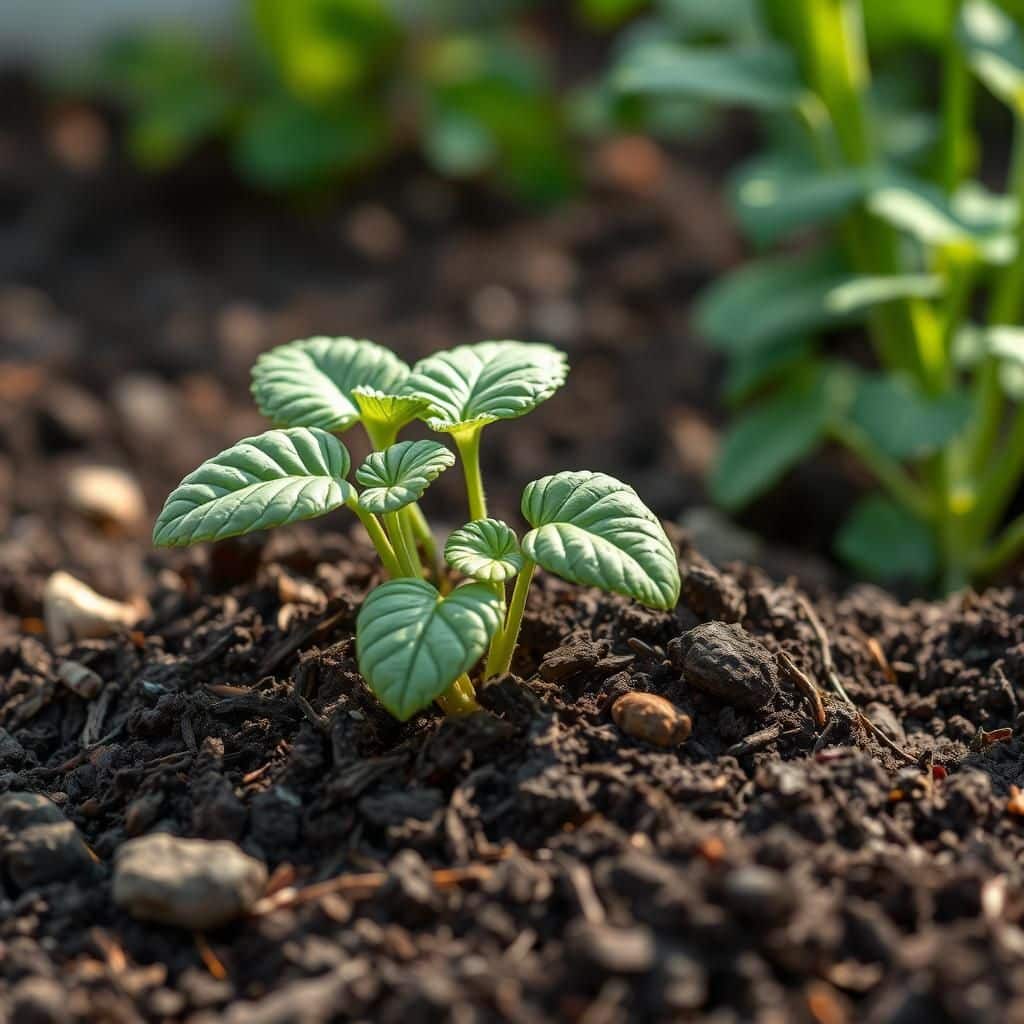
When it comes to nurturing a thriving garden, the type of manure used can make a significant difference. Different varieties offer unique benefits, from enriching the soil with essential nutrients to improving its structure and moisture retention. In this article, we'll explore the best manure options available for garden use, highlighting their specific advantages and how they can contribute to healthy plant growth. Whether you are a novice gardener or a seasoned expert, understanding the right manure for your plants is key to cultivating a vibrant and productive garden. Let’s dive into the top choices for enriching your soil effectively.
What is the Best Manure to Use in a Garden?
When it comes to enhancing soil fertility and promoting healthy plant growth, using the right type of manure is crucial for any garden. Generally, well-aged composted manure is considered the best option due to its balanced nutrient content and lower risk of pathogens or weed seeds. Among the various types, cow manure is often favored because it is rich in nitrogen, phosphorus, and potassium, making it an excellent addition to garden beds. Furthermore, chicken manure is highly regarded for its high nutrient concentration but should be composted first to prevent burning plants. Other viable options include horse manure, which contains a good mix of nutrients but can be high in weed seeds, and sheep manure, known for its high nutrient content and slow-release characteristics. Choosing the right manure depends on availability, the specific needs of your plants, and how well it is composted, which can significantly affect its overall effectiveness and safety in the garden.
Types of Manure
There are several types of manure that can be used in gardening, each with its unique benefits. Common options include cow, chicken, horse, sheep, and goat manure. Cow manure is often used for its balanced nutrient profile, while chicken manure is prized for its high nitrogen content. Horse manure is generally more fibrous and may require additional composting due to its potential weed seed content. Sheep manure is nutrient-dense and slow-releasing, making it ideal for long-term soil health.
Nutrient Content
Different types of manure have varying nutrient compositions, which can significantly affect plant growth. For instance, cow manure typically has a N-P-K (Nitrogen, Phosphorus, Potassium) ratio of approximately 0.5-0.3-0.5, making it suitable for a wide range of plants. Chicken manure, on the other hand, boasts a much higher ratio of around 1.1-0.8-0.5, thus providing a substantial nitrogen boost. When considering nutrient content, it is vital to assess both the immediate and long-term effects on soil health and plant growth.
Benefits of Composting
Composting manure is essential for several reasons. First, it helps to reduce the risk of pathogens and harmful bacteria that may be present in raw manure. Composting also stabilizes the nutrients, allowing for a slow and controlled release into the soil, which minimizes the risk of nutrient leaching and burn. Additionally, composting transforms the manure into a more manageable texture, improving soil structure and aeration. This process creates a product that not only enriches the soil but also enhances its water retention capabilities.
See also:
Application Methods
When applying manure to the garden, it is important to use the correct methods to ensure maximum benefit while minimizing risks. Manure can be applied directly to the soil before planting or incorporated into existing garden beds. It’s recommended to use about 1-2 inches of well-composted manure spread over the soil surface, allowing it to be mixed in. Additionally, incorporating the manure at least a few weeks before planting helps avoid any potential nutrient burn. Proper timing and application techniques can significantly enhance soil fertility and plant growth.
Environmental Considerations
Using manure in gardening presents some environmental challenges, such as the potential for runoff and nutrient pollution if not applied properly. It is crucial to apply manure in moderation and to be mindful of local regulations regarding manure use. Furthermore, keeping a buffer zone between manicured areas and water bodies can help prevent contamination of waterways. Sustainable practices, including responsible sourcing and proper composting, can mitigate these impacts and promote a healthier ecosystem in and around the garden.
| Type of Manure | N-P-K Ratio | Benefits |
|---|---|---|
| Cow Manure | 0.5-0.3-0.5 | Balanced nutrient profile |
| Chicken Manure | 1.1-0.8-0.5 | High nitrogen content |
| Horse Manure | 0.6-0.2-0.4 | Fibrous, good for soil structure |
| Sheep Manure | 0.7-0.3-0.4 | Nutrient-dense, slow-release |
| Goat Manure | 0.5-0.2-0.5 | High in organic matter |
Understanding the Nutritional Value of Different Manures
When choosing the best manure for your garden, it's essential to understand the nutritional value each type provides. Common manures such as horse, cow, chicken, and sheep manure each contain varying levels of nitrogen, phosphorus, and potassium, which are crucial for plant growth. For instance, chicken manure is particularly high in nitrogen, making it an excellent choice for leafy vegetable crops, while cow manure tends to be more balanced and is often used to improve soil structure. It's vital to consider the age and composting process of the manure, as fresh manure can be too strong for plants and may need to be aged or composted to reduce the risk of burning plant roots.
Horse Manure: Pros and Cons
Horse manure is known for being a great source of nutrients and is often mixed with straw, which improves soil aeration and drainage. However, it contains a lot of seeds from the feed, which can lead to weed issues if not properly composted. When properly aged, horse manure can enhance soil fertility and support the growth of various plants.
Cow Manure: A Balanced Option
Cow manure is one of the most commonly used types in gardens due to its balanced nutrient profile. It contains moderate levels of nitrogen, phosphorus, and potassium, which help promote overall plant health. Cow manure is also beneficial in improving soil texture and moisture retention, making it a popular choice for a variety of gardening applications.
See also:
Chicken Manure: High Nutritional Value
Chicken manure is particularly valued for its high nitrogen content, which is ideal for promoting green growth in plants. It is much stronger than other types of manure, so it is recommended to compost it before applying to prevent burning plants. When composted, it can serve as an excellent fertilizer for vegetables and flowering plants, helping them to thrive.
Sheep Manure: Slow-Release Fertilizer
Sheep manure is often considered a premium type of manure due to its slow-release properties. It contains a high amount of nutrients that can benefit perennial plants and long-term crops. Since it breaks down more slowly, it provides a steady supply of nutrients over time, making it particularly useful for fruiting plants and herbs.
Comparing Manures: Choosing the Right One
When comparing different types of manure, it's crucial to consider factors such as availability, nutrient content, and how well each type can be integrated into your gardening practices. Each type of manure has its unique benefits and drawbacks, so choosing the right one depends on your specific garden needs, the types of plants you wish to grow, and the conditions in your garden.
Questions from Our Readers
What is the best manure to use in a garden?
Composted manure is generally considered the best option for gardens because it is rich in nutrients and has undergone a decomposition process that eliminates pathogens and weed seeds. Common types include cow, horse, and chicken manure, each providing different nutrient profiles. It's important to use well-aged manure to ensure optimal plant health and avoid burning sensitive plants.
How should I apply manure to my garden?
Manure should be applied in the spring or fall, ideally mixed into the soil to optimize nutrient availability and reduce odors. It's recommended to use about 1 to 2 inches of well-composted manure and till it into the top few inches of soil. This helps to integrate the nutrients more effectively and prevents nutrient runoff.
See also:
Can I use fresh manure in my garden?
Using fresh manure in your garden is not advised, as it can contain harmful pathogens and high concentrations of nitrogen, which can lead to burning plants. Instead, allow the manure to compost for several months to break down these harmful elements, making it safer for garden use.
Is there a difference between different types of manure?
Yes, different types of manure provide varying nutrient content. For example, chicken manure is very high in nitrogen, while cow manure offers a more balanced nutrient profile with a higher carbon content. Understanding the nutrient composition of each type will help you choose the best option for your specific garden needs.

If you want to read more articles like What is the Best Manure to Use in a Garden? Top Choices for Healthy Plants, we recommend you check out our Fertiliser category.
Leave a Reply
Related Articles