What is the Best Low-Maintenance Privacy Hedge? Top Choices for Effortless Garden Privacy
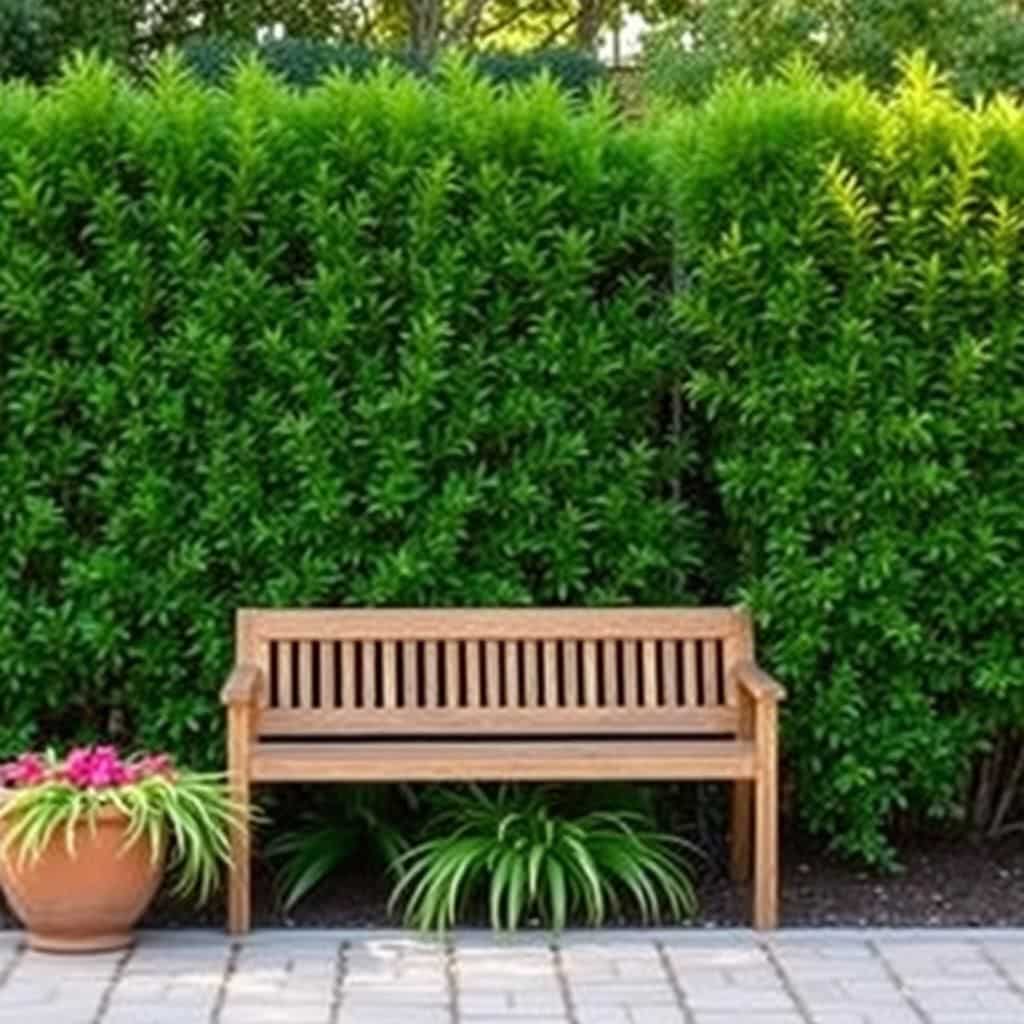
Creating a private oasis in your garden doesn’t have to be a labor-intensive endeavor. Low-maintenance privacy hedges offer an ideal solution for homeowners seeking both seclusion and beauty without the burden of constant care. In this article, we will explore some of the best low-maintenance options available, highlighting their unique characteristics, growth habits, and aesthetic appeal. Whether you desire a lush barrier or a more structured look, these top choices will help you achieve effortless garden privacy. Discover how to enhance your outdoor space with minimal effort, allowing you to enjoy your garden sanctuary in peace.
Choosing the Best Low-Maintenance Privacy Hedge
When considering the best low-maintenance privacy hedge, the arborvitae often stands out as a top choice due to its fast growth, dense foliage, and adaptability to various soil types. These evergreen shrubs can provide a tall, lush barrier that effectively screens unwanted views, while requiring minimal care, such as occasional trimming and watering during dry spells. Other options, such as boxwood and holly, also offer appealing characteristics, but arborvitae tends to excel with its hardiness and overall robustness, making it a favorite among homeowners seeking a convenient solution for privacy.
Benefits of Low-Maintenance Hedges
Low-maintenance hedges like arborvitae offer numerous benefits, including reduced labor, lower costs associated with upkeep, and enhanced property privacy. These hedges are specifically bred or chosen for their ability to thrive in various conditions with minimal intervention, allowing homeowners to enjoy a beautiful landscape without the burden of constant care. Additionally, many low-maintenance hedges are disease-resistant and can withstand local pests, further easing the process of maintaining a healthy and attractive yard.
Popular Low-Maintenance Hedge Varieties
Among the most popular low-maintenance hedge varieties are Thuja occidentalis (arborvitae), Japanese holly, boxwood, privet, and laurel. Each of these options boasts characteristics that make them suitable for privacy screening, such as dense growth, evergreen foliage, and adaptability to different climates. These shrubs not only serve functional purposes but also add beauty to the landscape, allowing homeowners to select a hedge that complements their garden's unique style and personal preferences.
Growth Rate and Height Considerations
The growth rate and height of a hedge are crucial factors to consider when selecting a low-maintenance option. For instance, arborvitae can reach heights of up to 20 feet quickly, offering substantial privacy coverage without excessive pruning. In contrast, slower-growing hedges like boxwood may take longer to achieve the desired height, so understanding these dynamics helps in planning for future privacy needs. Homeowners must choose a hedge that aligns with their expectations for both growth and privacy duration.
Soil and Climate Requirements
Ideal soil and climate conditions are essential for the successful growth of any hedge. Most low-maintenance varieties, especially arborvitae, require well-drained soil and prefer full sun to partial shade. It's vital to analyze the specific conditions of the planting site, as certain hedges may thrive better in moist or arid environments than others. Properly assessing soil pH and nutrient levels will contribute significantly to the overall health and longevity of the hedge.
Cost-Effectiveness of Low-Maintenance Hedges
Investing in low-maintenance hedges can be a cost-effective solution for homeowners looking to enhance their property value through increased privacy and aesthetic appeal. While the initial purchase price of certain hedge varieties may vary, the long-term savings from reduced maintenance efforts and lower water requirements make them a worthwhile investment. Furthermore, many of these plants can thrive without the need for additional fertilizers or intensive care, solidifying their position as an economically beneficial landscaping choice.
| Hedge Type | Growth Rate | Height | Light Requirement |
|---|---|---|---|
| Arborvitae | Fast | 15-20 ft | Full sun to partial shade |
| Boxwood | Slow | 3-15 ft | Full sun to partial shade |
| Japanese Holly | Moderate | 3-8 ft | Full sun to partial shade |
| Privet | Fast | 3-15 ft | Full sun to partial shade |
| Laurel | Moderate | 5-10 ft | Full sun to partial shade |
What is the best low maintenance hedge for privacy?
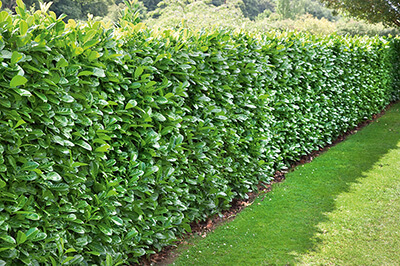
The best low maintenance hedge for privacy is often a selection of evergreen shrubs, which provide year-round coverage and require minimal care compared to flowering plants. One of the most recommended species for a low-maintenance privacy hedge is the Leyland Cypress. This tree is fast-growing, reaches substantial heights quickly, and forms a dense wall of greenery that effectively blocks views and noise. Other notable options include boxwood, privet, and arborvitae.
Choosing the Right Density for Your Hedge
When selecting a privacy hedge, consider the density of the foliage. A dense hedge offers better privacy and wind protection. Here are some factors to keep in mind:
- Plant spacing: Densely planted shrubs result in quicker coverage.
- Species selection: Some shrubs, like Leyland Cypress, naturally grow closer together, creating a more robust barrier.
- Growth rate: Fast-growing varieties will reach full height and density sooner.
Maintenance and Care Requirements
While the goal is to choose low maintenance options, understanding basic care requirements is still important. Even the easiest hedges may need occasional attention:
- Watering: Newly planted hedges require regular watering until established.
- Pruning: Minimal pruning of fast-growing species may be needed to maintain shape.
- Fertilizing: Some hedges benefit from annual fertilizers to encourage healthy growth.
Climate Considerations
The ideal hedge must also be suitable for your climate. Some plants thrive in specific environments while others may struggle. Take these points into account:
See also:
- Hardiness zones: Check the USDA hardiness zone for your area to choose appropriate species.
- Sunlight requirements: Ensure the selected hedge matches your yard's conditions, whether full sun or partial shade.
- Soil type: Different shrubs have different soil preferences; choose a hedge that suits your soil composition.
Cost Considerations
The initial investment in a privacy hedge can vary greatly depending on species and size. Here’s what to factor in regarding cost:
- Type of plant: Some species are more expensive due to rarity or demand.
- Size at purchase: Larger plants are typically pricier but provide immediate privacy.
- Installation: Hiring professionals to install your hedge can increase costs, but DIY options may save money.
Alternatives to Traditional Hedges
If traditional hedges aren’t suitable for your needs, consider alternative solutions that can provide privacy with low maintenance:
- Fences: A wooden or vinyl fence can create privacy without the need for plants.
- Living walls: Vertical gardening using lower-maintenance plants can also offer seclusion.
- Trellises with climbing plants: Certain climbing species can provide privacy while being easier to manage than full hedges.
What is the fastest growing hedge for privacy?
The fastest growing hedge for privacy is the Leyland Cypress. This evergreen plant is particularly favored for its rapid growth rate and dense foliage, making it an ideal choice for creating a natural privacy screen in residential gardens or commercial properties. On average, Leyland Cypress can grow as much as 3 to 4 feet in a single year under optimal conditions, providing quick cover for those seeking seclusion.
Growth Rate and Requirements
The growth rate of Leyland Cypress is influenced by several factors, including soil quality, water availability, and climate conditions.
- Optimal Soil: Leyland Cypress thrives in well-drained, loamy soil rich in organic matter.
- Watering Needs: Regular watering is essential, especially during dry spells, to ensure steady growth.
- Climate: Prefers temperate climates, but it can adapt to various weather conditions, making it versatile across different regions.
Privacy Benefits
Using Leyland Cypress for privacy offers several advantages, primarily due to its dense and fast-growing nature.
- Dense Foliage: The tightly packed branches and leaves create an effective barrier, blocking sightlines from neighbors or roads.
- Height Potential: Can grow to heights of 60 to 70 feet, providing substantial vertical coverage.
- Year-Round Privacy: As an evergreen, it retains its leaves all year, ensuring privacy in all seasons.
Maintenance Requirements
Despite its rapid growth, Leyland Cypress requires certain maintenance practices to keep it healthy and effective as a privacy hedge.
- Pruning: Regular pruning helps maintain shape and encourages denser growth.
- Pest Management: Monitor for common pests such as spider mites and scale; prompt action can prevent infestations.
- Watering Schedule: Ensure consistency in watering, particularly in the first few years after planting.
Alternative Fast-Growing Hedges
For those considering options beyond Leyland Cypress, several alternative hedges also offer rapid growth and privacy benefits.
- Green Giant Arborvitae: Known for its height and dense growth, it grows quickly and can reach 30 to 50 feet.
- Privet: A traditional choice, it grows quickly and can be easily shaped with pruning.
- Fastigiata Hornbeam: Offers a narrower growth habit while still providing good privacy.
Common Planting Tips
Planting Leyland Cypress effectively can greatly enhance its growth and future privacy capabilities.
- Spacing: Plant them 4 to 6 feet apart to ensure they have enough room to grow while forming a dense hedge.
- Site Selection: Choose a planting site that receives full sun for optimal growth.
- Mulching: Applying mulch can help retain soil moisture and suppress weeds around the base.
What is the best hedge to block neighbors?
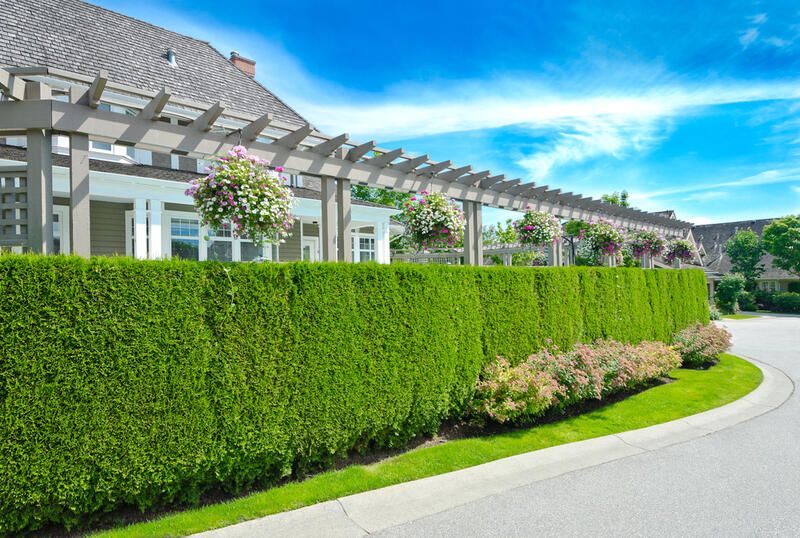
1. Characteristics of Ideal Hedges
The best hedges for blocking neighbors should possess specific characteristics that ensure privacy and create a natural barrier. When considering a hedge, look for the following traits:
- Height: An ideal hedge should grow at least 6 to 10 feet tall to provide adequate privacy.
- Density: Choose plants that have dense foliage which can effectively block views.
- Growth Rate: Fast-growing species can provide quicker results, essential for urgent privacy needs.
2. Top Recommended Hedge Varieties
Several plant species are well-suited for creating a privacy hedge. Selecting the right type depends on your climate and soil conditions:
See also:
- Privet: Popular for its rapid growth, it can reach heights of 8 to 12 feet and dense leaves.
- Arborvitae: Known for its tall and narrow growth, it can grow up to 15 feet, making it a great option for tight spaces.
- Boxwood: This evergreen can be easily trimmed and shaped, ideal for a formal hedge that still provides privacy.
3. Maintenance Requirements for Hedges
Maintaining a hedge is crucial for ensuring its longevity and effectiveness as a barrier. Regular care involves several key practices:
- Pruning: Regular pruning promotes healthy growth and helps maintain the desired shape and size.
- Watering: Newly planted hedges require consistent watering until established; after that, they're generally drought-resistant.
- Fertilization: Feed your hedges with appropriate fertilizers during the growing season to encourage robust growth.
4. Environmental Considerations
Consider the environmental impact of planting hedges. It is important to select plants that are sustainable and suited for your local ecosystem:
- Native Species: Opt for plants that are native to your area as they are better adapted to the local climate and require less maintenance.
- Invasive Species: Avoid plants that are known to be invasive as they can disrupt local ecosystems.
- Diversity: Planting a mix of species can promote biodiversity and reduce the risk of disease affecting your hedge.
5. Combining Hedges with Other Privacy Solutions
To enhance the effectiveness of hedges, consider integrating them with other privacy solutions for a more comprehensive approach:
- Fences: A fence combined with a hedge can provide a solid barrier while allowing the hedge to offer greenery and softness.
- Trellises with Climbing Plants: Installing trellises can allow you to introduce climbing plants for additional privacy and aesthetic appeal.
- Outdoor Screens: Using movable screens or panels alongside hedges can help block unwanted views during special occasions.
What is the fastest growing privacy plant from neighbors?
The fastest growing privacy plant to block neighbors is the Leyland cypress (Cupressocyparis leylandii). This evergreen tree is popular for its impressive growth rate, reaching up to 3 to 4 feet per year under ideal conditions. Leyland cypress can grow tall enough to provide a significant level of privacy and reduce noise from neighboring properties, making it an excellent choice for landscaping purposes.
Benefits of Leyland Cypress as a Privacy Plant
The Leyland cypress offers numerous advantages that contribute to its popularity as a privacy plant.
- Rapid Growth: One of the most appealing characteristics is its ability to quickly establish and grow, providing immediate privacy.
- Dense Foliage: The tree develops thick, lush foliage that creates a natural barrier.
- Low Maintenance: Leyland cypress requires minimal care, making it ideal for busy homeowners.
Ideal Planting Conditions
To ensure the best growth rate, it is crucial to plant Leyland cypress in suitable conditions.
- Soil Type: Well-draining soil is essential for preventing root rot and promoting healthy growth.
- Sunlight: This plant thrives in full sunlight, so it should be planted in areas that receive at least 6 hours of direct sunlight daily.
- Watering: Regular watering is vital during the first few years to establish the root system.
Spacing and Planting Guidelines
Proper planting techniques and spacing between the plants are critical for achieving maximum privacy.
- Spacing: It is recommended to space Leyland cypress trees about 5 to 10 feet apart to allow for optimal growth and airflow.
- Depth: Dig holes that are twice as wide and equal in depth to the root ball to encourage healthy growth.
- Mulching: Applying mulch around the base can help retain moisture and suppress weeds.
Common Pests and Diseases
Understanding potential threats can help maintain the health of Leyland cypress trees.
- Bagworms: These pests can be problematic, but they can be managed with appropriate insecticides.
- Cankers: Fungal infections can occur, leading to dieback and other issues if not treated promptly.
- Scale: Inspection and treatment are necessary if scale insects infest the tree.
Alternative Fast-Growing Privacy Plants
If Leyland cypress does not meet your needs, consider these alternative fast-growing plants.
- Bamboo: A highly versatile and fast-growing option that can create a dense privacy screen.
- Thuja Green Giant: Similar to Leyland cypress, it offers rapid growth and dense foliage.
- Privet: A hardy shrub that can grow quickly and be shaped for privacy needs.
Questions from Our Readers
What is the best low-maintenance privacy hedge?
The best low-maintenance privacy hedge is often considered to be the arborvitae. This evergreen plant is known for its fast growth and dense foliage, providing excellent privacy and sound insulation. Its ability to thrive in various soil conditions with little pruning makes it a top choice for those seeking low upkeep.
How fast do low-maintenance privacy hedges grow?
Low-maintenance privacy hedges, like the Leyland cypress or arborvitae, can grow anywhere from 3 to 5 feet per year, depending on the species and environmental conditions. This rapid growth helps to establish a full privacy screen in a relatively short amount of time, making them ideal for quick landscaping solutions.
See also:
What are the advantages of using a low-maintenance privacy hedge?
The advantages of using a low-maintenance privacy hedge include cost-effectiveness, time savings, and enhanced aesthetic appeal. These hedges require minimal pruning and water once established, allowing homeowners to enjoy a beautiful landscape without the constant upkeep usually associated with traditional landscaping options.
Can low-maintenance privacy hedges tolerate various climates?
Yes, many low-maintenance privacy hedges, such as the boxwood or holly, can tolerate a range of climates, from cold winters to hot summers. It's important to select a variety suited to your specific climate zone, ensuring that the hedge remains healthy and maintains its privacy function throughout the year.

If you want to read more articles like What is the Best Low-Maintenance Privacy Hedge? Top Choices for Effortless Garden Privacy, we recommend you check out our Hedges category.
Leave a Reply
Related Articles