What is the Best Low Maintenance Landscaping? Top Tips and Ideas for Easy Care Gardens

Creating a beautiful garden doesn't have to mean spending countless hours on upkeep. Low maintenance landscaping offers a solution for homeowners seeking to enjoy the benefits of greenery without the burden of constant care. In this article, we’ll explore various strategies and ideas that simplify garden maintenance while enhancing the aesthetic appeal of your outdoor space. From choosing the right plants to implementing efficient landscaping techniques, these tips will help you design a garden that thrives effortlessly. Discover how to achieve a stunning landscape that requires minimal effort, allowing you to spend more time enjoying your surroundings.
Understanding the Best Low Maintenance Landscaping Options
Low maintenance landscaping is crucial for homeowners who want a beautiful outdoor space without the burden of extensive upkeep. The best low maintenance landscaping includes native plants that thrive in your local climate, which minimizes the need for irrigation and fertilizers. Additionally, implementing hardscaping elements such as patios, walkways, and decorative stones can reduce lawn areas that require mowing and watering. Utilizing mulch or ground covers can suppress weeds, while ornamental grasses provide texture and color with minimal care. By integrating these features, you can create a stunning landscape that conserves resources and enhances your property’s aesthetic without demanding significant time or effort.
Choosing Native Plants for Your Garden
Native plants are adapted to the local climate and soil conditions, making them an ideal choice for low maintenance landscaping. By selecting native species, you will not only support local wildlife but also reduce the need for irrigation and chemical treatments. These plants often have a natural resistance to pests and diseases, meaning less time spent on maintenance and more time enjoying your garden. Furthermore, native plants typically require less fertilizer, contributing to an eco-friendly approach to gardening.
Incorporating Hardscaping Elements
Hardscaping is the practice of including non-plant elements in your landscape, such as stone paths, patios, and retaining walls. These features provide structure and visual interest while reducing the overall area that needs to be maintained. For example, a well-placed patio can serve as an outdoor living space, eliminating the need for extensive lawn care in that section. Additionally, hardscaping helps with soil erosion and can be designed to manage rainwater effectively, showcasing both beauty and practicality in your landscape.
Utilizing Mulch and Ground Covers
Mulch and ground covers are effective strategies for minimizing weed growth and conserving soil moisture. By applying a layered mulch of wood chips or bark, you can suppress weeds while providing a clean and polished look to your garden beds. Ground covers such as creeping thyme or sedum can fill in blank spaces with minimal care and provide colorful blooms or attractive foliage. These solutions not only enhance aesthetic appeal but also cut down on the labor needed for weeding and watering.
Ornamental Grasses as a Low Maintenance Option
Ornamental grasses are an excellent choice for low maintenance landscaping due to their resilience and adaptability. These grasses provide texture, movement, and seasonal interest without requiring frequent watering or fertilization. Many varieties are drought-tolerant and can withstand harsh weather conditions, making them ideal for busy homeowners. By strategically placing ornamental grasses in your landscape, you can create a dynamic visual display that requires minimal upkeep throughout the year.
Water Conservation Techniques in Landscaping
Implementing water conservation techniques in your landscaping is essential for sustainability and reducing maintenance. Drip irrigation systems deliver precise amounts of water directly to the plant roots, minimizing waste. Rain gardens, designed to capture stormwater runoff, can naturally filter water while providing habitat for wildlife. Additionally, incorporating drought-resistant plants further reduces the need for watering, making your landscape both beautiful and environmentally friendly.
| Feature | Benefit |
|---|---|
| Native Plants | Less irrigation and fertilizers needed |
| Hardscaping | Reduces lawn maintenance and enhances structure |
| Mulch | Suppresses weeds and retains moisture |
| Ornamental Grasses | Requires minimal watering and maintenance |
| Water Conservation | Promotes sustainability and reduces waste |
What is the easiest landscaping to maintain?
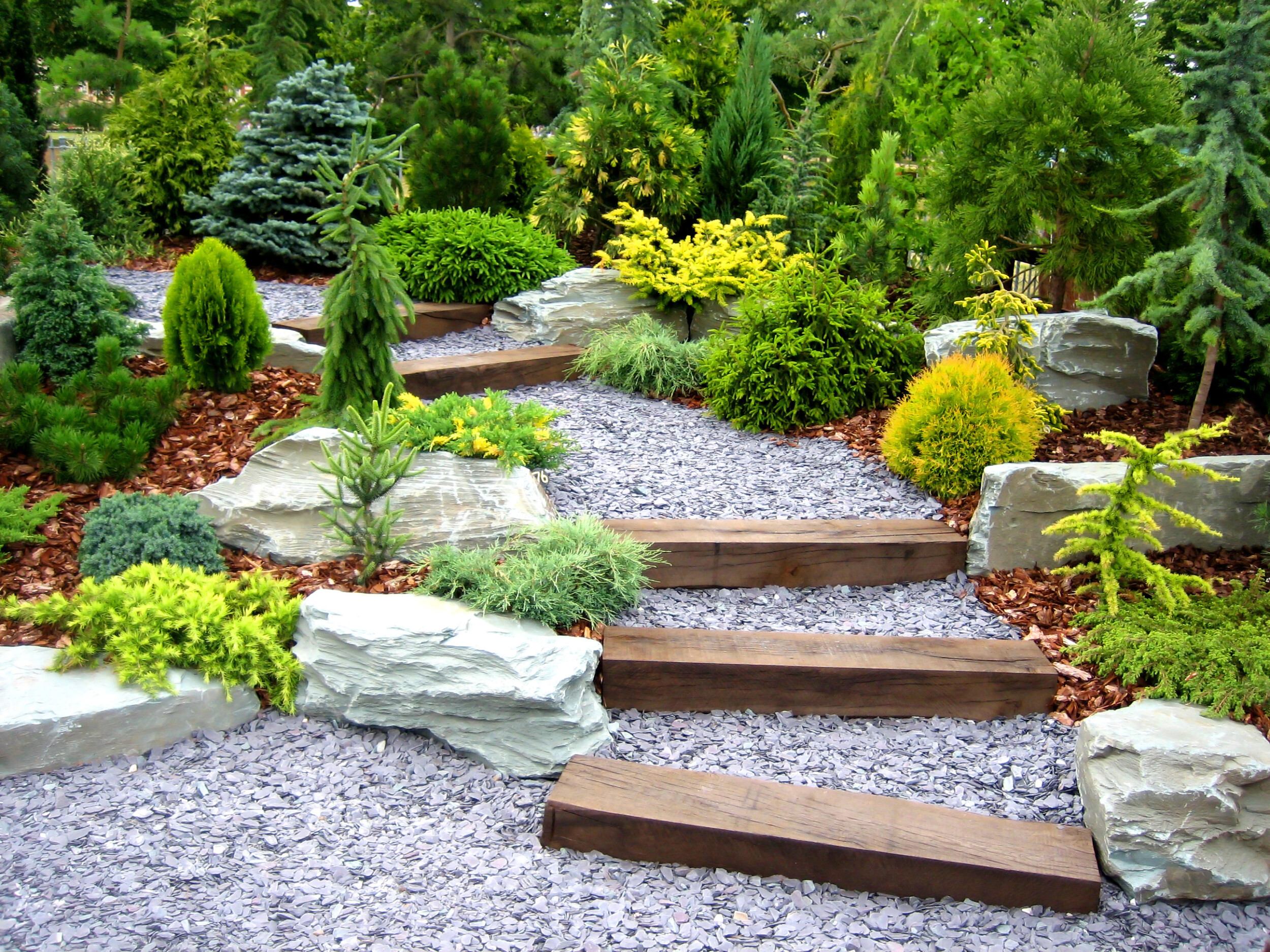
The easiest landscaping to maintain often focuses on plants and designs that require minimal care and intervention. Here are some aspects to consider when planning for low-maintenance landscaping:
See also:
1. Native Plants
Using native plants is one of the most effective ways to create a low-maintenance landscape. Native species are adapted to the local climate and soil conditions, making them more resilient to pests and drought.
- Less Watering: They typically require less irrigation than non-native species.
- Fewer Pesticides: Native plants are more resistant to local pests, reducing the need for chemical treatments.
- Seasonal Growth: Many native plants thrive in their season and require less pruning and care throughout the year.
2. Xeriscaping
Xeriscaping is designed specifically for conserving water through the use of drought-resistant plants. This technique is particularly effective in arid regions where water conservation is essential.
- Reduced Water Usage: Design landscapes with plants that require minimal irrigation.
- Efficient Layout: Group plants with similar water needs together.
- Rock Mulches: Use stones and gravel instead of traditional mulch to help retain moisture and eliminate the need for frequent upkeep.
3. Perennial Groundcovers
Choosing perennial groundcovers can help reduce the need for mowing and weeding. These plants spread quickly and effectively cover the ground, minimizing bare spots.
- Low Growth Habit: Most groundcovers stay low to the ground, requiring less maintenance compared to grass lawns.
- Self-Propagation: Many groundcovers naturally propagate, filling bare spots without intervention.
- Variety of Colors: They offer a range of colors and textures throughout different seasons, enhancing the landscape with minimal effort.
4. Hardscaping Elements
Incorporating hardscaping features like pathways, patios, and retaining walls can significantly decrease maintenance requirements while enhancing the aesthetic appeal.
- Permanent Structures: Hardscaping does not grow, bleed, or require regular upkeep like plants do.
- Defined Spaces: It helps create designated areas within a landscape, which can streamline maintenance efforts.
- Diverse Materials: Use stone, concrete, and wood that can withstand various weather conditions without wearing down.
5. Minimalist Design
A minimalist landscape design emphasizes simplicity, which can greatly reduce maintenance. Focus on a few key elements that create interest without overwhelming upkeep.
- Focal Points: Selecting a few eye-catching elements can reduce clutter and simplify care.
- Open Spaces: Incorporating open areas allows for easier access for maintenance tasks.
- Strategic Planting: Place plants strategically to create balance without overcrowding, making management simpler.
What is no maintenance landscaping called?
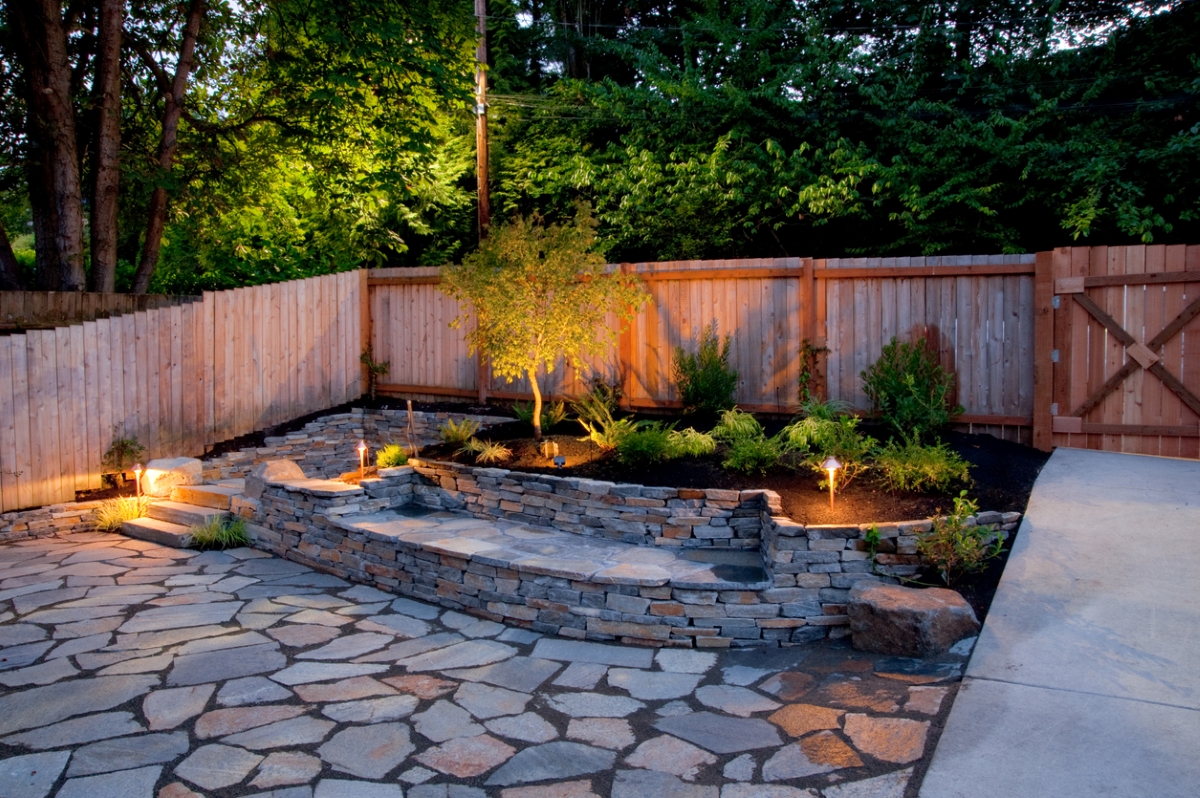
No maintenance landscaping is commonly referred to as xeriscaping. This landscaping approach emphasizes water conservation and the use of drought-resistant plants, reducing the need for extensive watering, pruning, or upkeep. Xeriscaping is particularly beneficial in regions with low rainfall, where traditional landscaping would require considerable irrigation efforts and resources.
Benefits of Xeriscaping
Xeriscaping offers multiple advantages that make it an appealing choice for homeowners and city planners alike. Here are some of the main benefits:
- Water Conservation: Xeriscaping significantly reduces water usage by utilizing native and drought-resistant plants.
- Low Maintenance: Once established, xeriscaped gardens require minimal upkeep, saving time and labor.
- Cost-Effective: Reduced water bills and lower maintenance costs make xeriscaping a financially beneficial option over time.
Plants Commonly Used in Xeriscaping
A variety of plants can thrive in xeriscaped environments. Selecting the right species is crucial for establishing an effective low-maintenance landscape. Common plants include:
See also:
- Succulents: These water-storing plants, like aloe and agave, are excellent for drought conditions.
- Native Grasses: Species like buffalo grass are well-adapted to local climates and soil types.
- Perennials: Some perennials can thrive with little water, such as lavender and yarrow.
Design Principles of Xeriscaping
Effective xeriscaping involves specific design principles to maximize sustainability and beauty. Key principles include:
- Planning: A well-thought-out layout considering sunlight and water conditions enhances plant growth.
- Soil Improvement: Enhancing soil quality with organic materials can help retain moisture and support plant health.
- Group Planting: Placing plants with similar water needs together optimizes irrigation and maintenance.
Common Misconceptions about Xeriscaping
Several misconceptions about xeriscaping can deter people from considering this sustainable option. Some of these include:
- It’s Just Rocks: Many believe xeriscaping means a landscape devoid of life, but it can be vibrant with various plants.
- High Initial Costs: While setup may require investment, long-term savings on water and maintenance offset these costs.
- No Aesthetic Appeal: With thoughtful design, xeriscaped gardens can be striking and visually appealing.
Xeriscaping vs. Traditional Landscaping
Understanding the differences between xeriscaping and traditional landscaping can help in making informed choices. Key distinctions include:
- Water Needs: Traditional landscaping often requires significant irrigation, while xeriscaping is tailored for low water use.
- Plant Selection: Xeriscaping emphasizes native and drought-tolerant plants, while traditional landscaping may rely on non-native species.
- Maintenance Requirements: Xeriscaped areas typically need less upkeep compared to conventional gardens that require regular watering and mowing.
What is the rule of 3 in landscaping?

The Rule of 3 in landscaping is a design principle that suggests using groups of three when selecting plants, arranging seating, or incorporating elements within a garden. This principle is based on the idea that an odd number of items is more visually appealing than an even number. The Rule of 3 helps create a sense of balance and harmony while allowing the landscape to feel more dynamic and interesting.
Benefits of Using the Rule of 3
Using the Rule of 3 in landscaping offers several advantages:
- Visual Appeal: Trios of plants or features create a more captivating design.
- Balance: It helps maintain symmetry while also providing varying heights and textures.
- Focus: It directs the viewer's attention to specific areas, enhancing the overall aesthetic.
Applying the Rule of 3 in Plant Selection
When selecting plants, the Rule of 3 suggests clustering them in groups of three. This can be used effectively in many ways:
- Color Coordination: Choose plants that complement each other in color to create visual impact.
- Diverse Textures: Mix plants with different leaf shapes and sizes for variation.
- Height Variation: Use tall, medium, and low plants to create layer and depth in your garden.
Incorporating Hardscapes with the Rule of 3
The Rule of 3 can also be applied to hardscape elements such as pathways, patios, and seating areas:
- Seating Arrangements: Create groupings of three seating options to encourage conversation.
- Pathway Designs: Use trio patterns in the layout of stones or bricks for a more cohesive look.
- Fire Pits and Tables: Utilize three focal points — like seating, fire pits, and tables — to enhance functionality.
Creating Focal Points Using the Rule of 3
Focal points draw the eye and create interest, and the Rule of 3 is essential for achieving this:
See also:
- Feature Elements: Incorporate three prominent features, such as sculptures or fountains.
- Natural Patterns: Use natural elements, like rocks or trees, in threes to guide the eye.
- Lighting Features: Three strategically placed lights can illuminate pathways or garden parts effectively.
Common Mistakes in Applying the Rule of 3
While the Rule of 3 is a helpful guideline, it's important to avoid common pitfalls:
- Overcrowding: Placing too many elements can create chaos instead of harmony.
- Lack of Cohesion: Ensure that the three elements share a theme or style for consistency.
- Ignoring Scale: Make sure all three plants or features are proportionate to the space they are in.
What is the least expensive way to landscape?
:max_bytes(150000):strip_icc()/landscaping-on-a-budget-2131962-hero-2c4072b220ee4bd5944c1a4fe816360e.jpg)
The least expensive way to landscape often revolves around creativity, resourcefulness, and using native or low-maintenance plants. Here are some effective strategies that can help you achieve an attractive outdoor space without breaking the bank.
1. Use Native Plants
Utilizing native plants is one of the most cost-effective landscaping approaches. Native plants are adapted to the local climate and soil conditions, which means they require less water and fertilization. This not only reduces initial planting costs but also ongoing maintenance expenses.
- Research local native species that thrive in your area's climate.
- Visit local nurseries or online plant exchanges for affordable options.
- Consider planting them in clusters to create a more natural and cohesive look.
2. DIY Landscaping Projects
Taking on do-it-yourself (DIY) landscaping projects can significantly reduce costs associated with labor. Simple tasks like planting flowers, installing mulch, or building a decorative border can be accomplished with minimal tools and skills.
- Plan your project carefully to determine the materials you'll need.
- Look for online tutorials that guide you step-by-step through the process.
- Involve family and friends for assistance, making it a fun group activity.
3. Use Mulch and Ground Covers
Applying mulch and low-growing ground covers can help suppress weeds and retain soil moisture, which reduces the need for additional watering and weeding. These materials are often inexpensive and can be found locally.
- Select organic mulch options like wood chips or straw for added nutrients.
- Consider using rock or gravel for a more permanent ground cover solution.
- Explore inexpensive ground cover plants like clover or creeping thyme for added texture.
4. Recycle and Repurpose Materials
Incorporating recycled or repurposed materials in your landscaping can save money while adding unique character to your garden. Items like old bricks, reclaimed wood, or stones can be creatively used to create pathways or borders.
- Visit demolition sites or construction sales for affordable materials.
- Turn old furniture into planters or garden decor.
- Use stones from your yard to build natural fences or raised beds.
5. Plan Ahead for Seasonal Planting
Timing your planting can lead to substantial savings. Many plants are available at lower prices during seasonal sales or at the end of the growing season. Additionally, proper planning ensures that you buy only what you need.
- Create a planting schedule based on seasonal availability and discounts.
- Opt for younger plants or seeds, which are usually cheaper than fully-grown specimens.
- Join community gardening clubs to exchange plants and share resources.
Questions from Our Readers
What plants are best for low maintenance landscaping?
The best plants for low maintenance landscaping include native species that are well-adapted to your local climate, such as ornamental grasses, succulents, and drought-tolerant perennials. These plants typically require less watering, minimal pruning, and can thrive in a variety of conditions, making them ideal for a low upkeep garden.
See also:
How can I reduce lawn maintenance in my landscape?
To reduce lawn maintenance, consider replacing traditional grass with ground cover plants or mulched areas that require little to no mowing. Implementing a xeriscaping design, which focuses on water-efficient landscaping, can also help minimize lawn care while enhancing your garden's aesthetic.
Are there hardscaping options for low maintenance landscaping?
Yes, hardscaping options such as patios, pathways, and retaining walls can greatly reduce maintenance needs in your landscape. Materials like pavers, stone, and decorative gravel require little upkeep and provide enduring beauty without the need for regular care like planting or mowing.
What are some tips for maintaining a low maintenance landscape?
Some tips include choosing drought-resistant plants, utilizing mulch to suppress weeds, and implementing a smart irrigation system that conserves water. Regularly removing debris and incorporating perennial plants can also enhance the longevity of your landscape while keeping maintenance tasks manageable.

If you want to read more articles like What is the Best Low Maintenance Landscaping? Top Tips and Ideas for Easy Care Gardens, we recommend you check out our Landscaping category.
Leave a Reply
Related Articles